+8615674993216
 sales@forever-steels.com
 English
 العربية

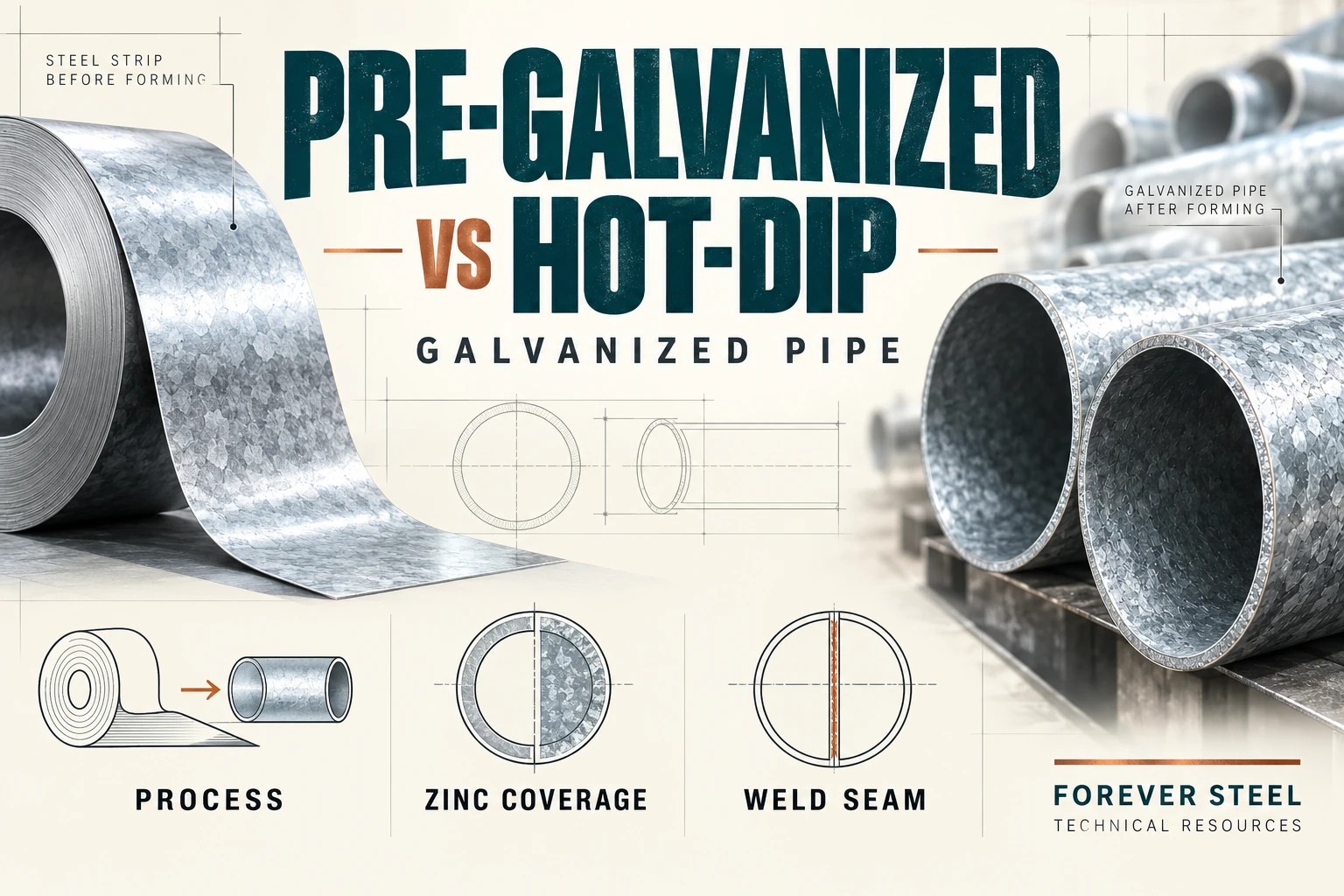
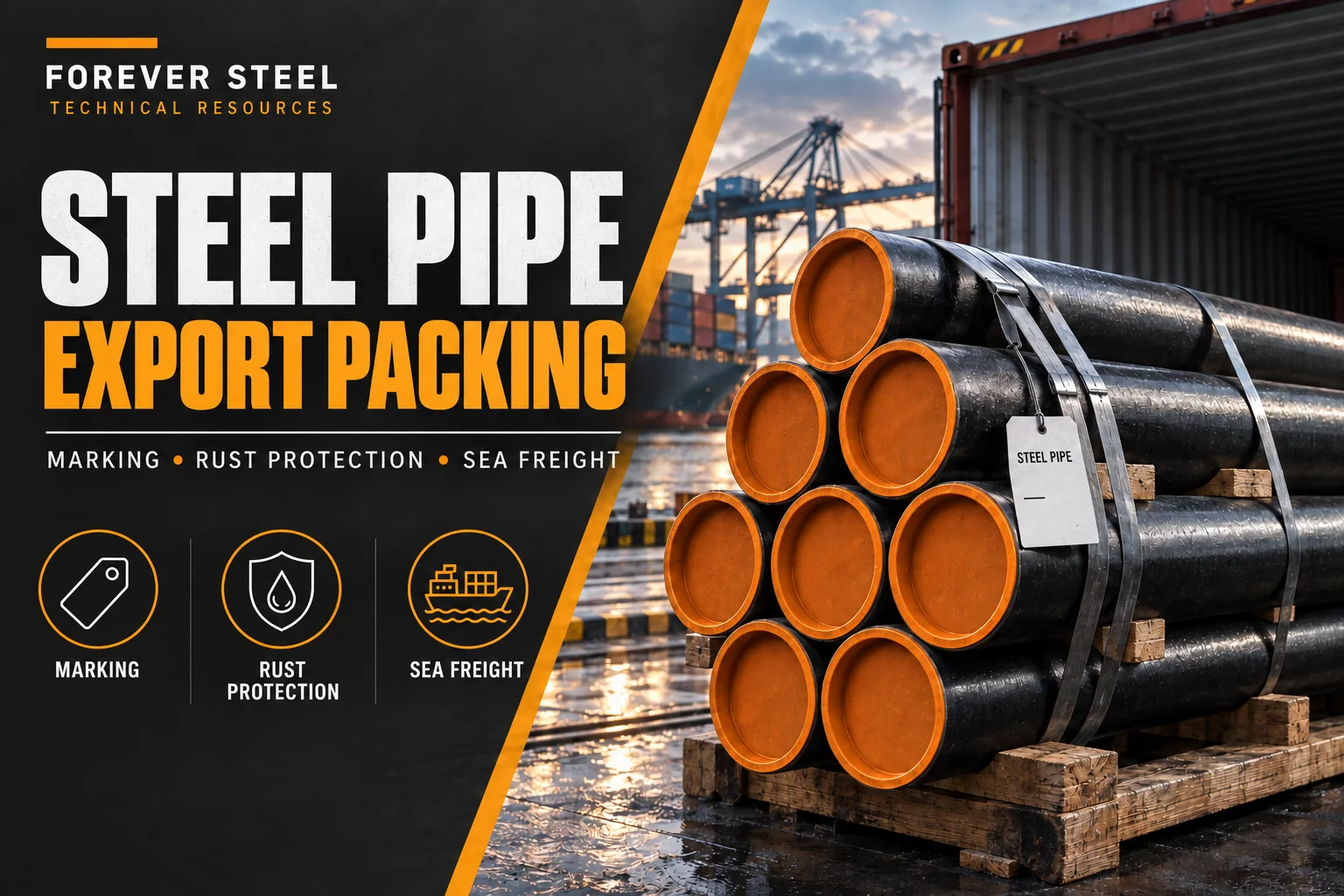
Steel pipe export packing should preserve the surface, ends and product identity through lifting, sea transport, transshipment and storage. The right arrangement depends on the pipe, the route and the receiving equipment. A request for “standard seaworthy packing” leaves too many of those decisions unresolved.
For welded steel pipe orders, agree on maximum package weight, surface protection, end protection, lifting arrangements and readable identification before packing starts. A receiving site with limited crane capacity may need a different bundle arrangement from a mill or port that can handle heavier units.
The six arrangements below are common starting points for an export packing specification. Loose shipment, bundles and cases describe the handling unit; wrapping and end protection can be added to that unit. They are not mutually exclusive options. Choose the combination that protects the ordered pipe through the actual route.
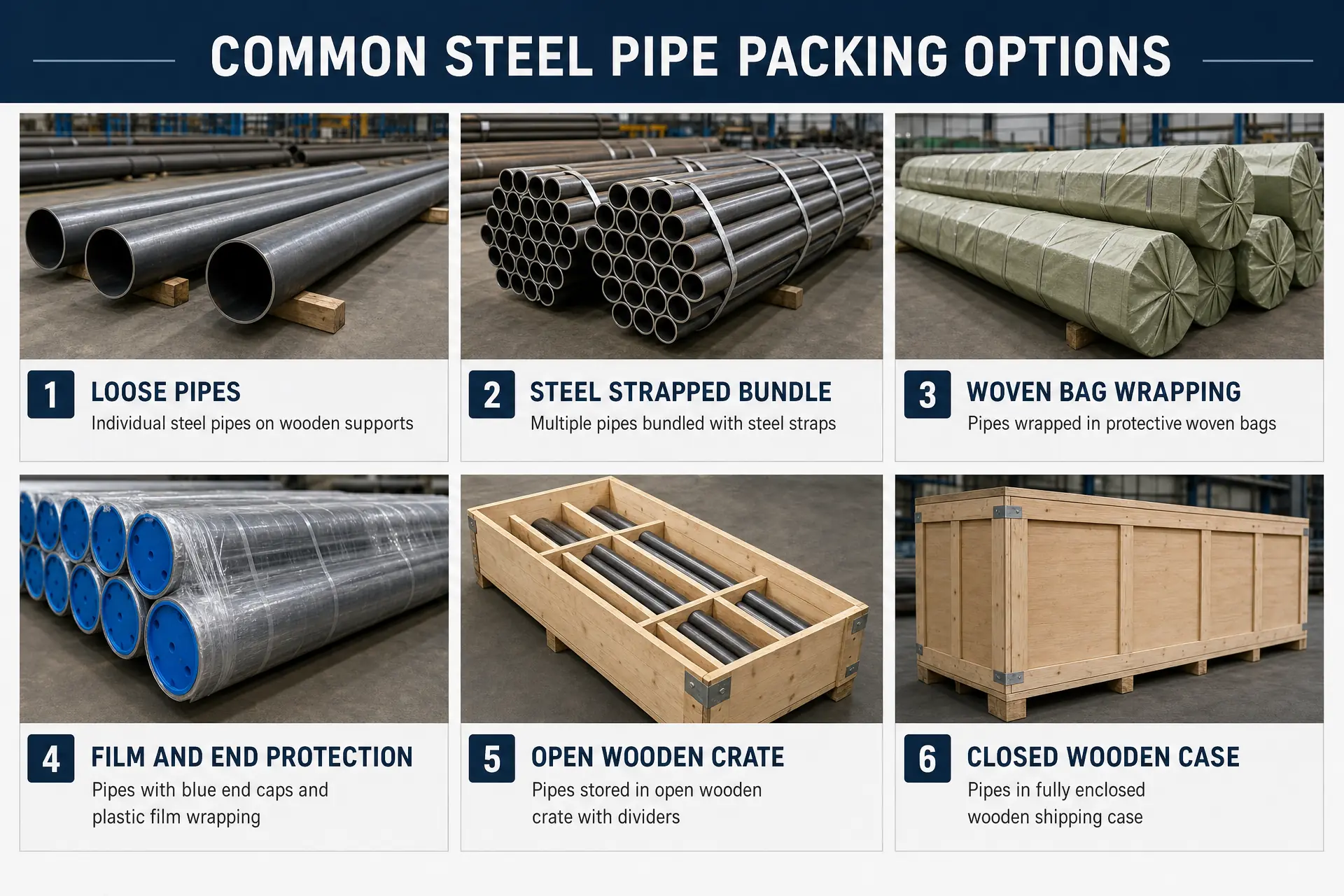
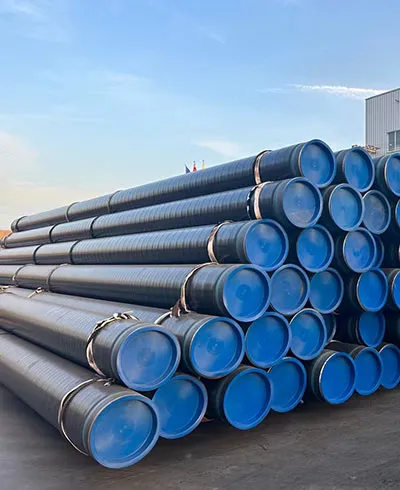
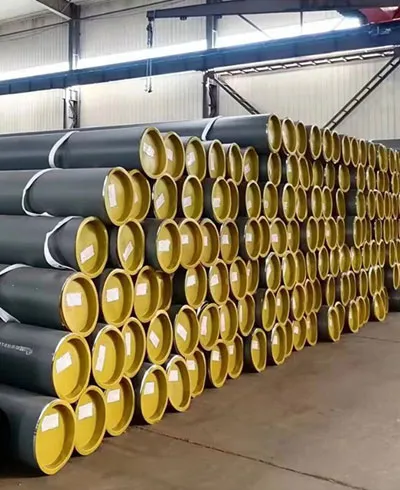
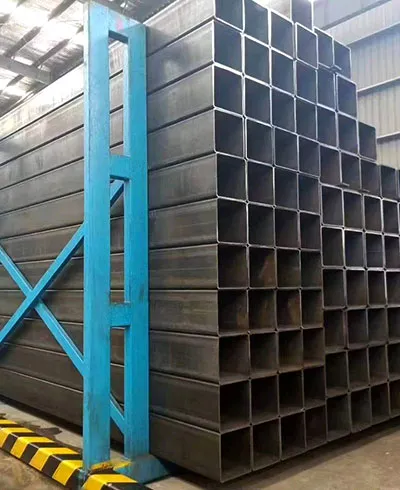
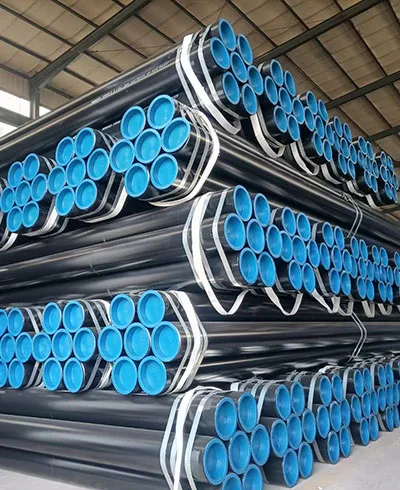
Common pipe packing methods Illustrative arrangements rather than an approved lifting or loading design
|
Packing method |
Typical use |
What the buyer should confirm |
|
Loose pipes |
Large diameter or heavy pipes handled individually |
Chocks or saddles, end and coating protection, individual identification and restraint. |
|
Steel strapped bundle |
Repeated small or medium pipe sizes |
Gross package mass, bands, edge protection and a lifting method separate from packing bands. |
|
Woven bag wrapping |
Additional abrasion and dirt protection around a bundle |
Wrapping coverage and compatible material; woven fabric alone is not a sealed moisture barrier. |
|
Film and end protection |
Clean or finished surfaces with additional covering |
Start with dry pipe; address condensation, internal protection and cap retention. |
|
Open wooden crate |
Supported tubes or finished items needing separation |
Internal restraint, lifting access and exposure through the open sides. |
|
Closed wooden case |
Sensitive finishes or items needing enclosed protection |
Case capacity, internal supports, moisture control and regulated solid wood components. |
For example, stainless tubes may be individually sleeved and then secured in a lined wooden case. Carbon steel pipes may use a strapped bundle with temporary preservation and end caps. A closed case without internal restraint can still allow the tubes to strike each other; extra outer material cannot compensate for a poor internal arrangement.
|
Pipe type |
Main exposure |
Protection to specify |
|
Bare carbon steel |
Rust, wet contact and damaged ends |
Compatible temporary preservative, dry packing and secured end protection. |
|
Galvanized pipe |
Wet storage staining and abrasion |
Dry separation and covering that does not retain water between surfaces. |
|
FBE or 3LPE coated pipe |
Gouging and concentrated contact loads |
Compatible padding, supported stacking and protected restraints. |
|
Stainless pipe |
Scratches and iron contamination |
Clean separators, segregation and compatible wrapping. |
|
OCTG |
Thread damage and tally errors |
Specified thread protectors, joint identity and controlled handling. |
For coated steel pipes, require protection at supports, slings, straps and pipe-to-pipe contact points. For stainless steel pipes, keep carbon-steel debris and contaminated contact materials away from the finished surface. A wrapping material that protects one product can create cleanliness or moisture problems for another.
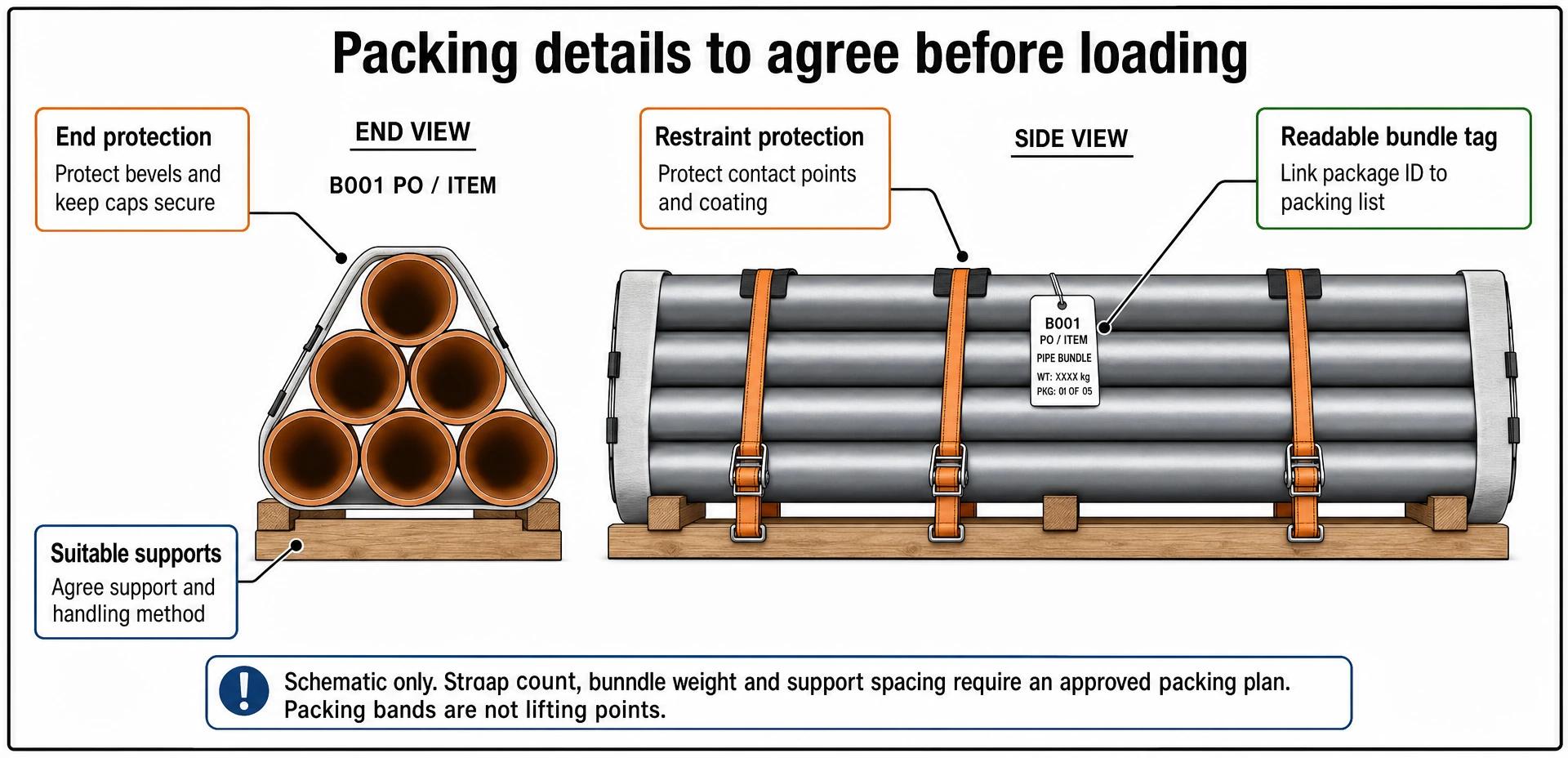
Example bundle details for a packing review
Bundling is practical when the pipe size and total package mass suit the entire handling route. Large or heavy pipes may need individual supports. Wooden cases can help protect small tubes or finished items, but a case also adds weight, lifting constraints and a moisture enclosure. Select the arrangement after considering how the buyer will unload and separate the material.
|
Arrangement |
Suitable situation |
Details to settle |
|
Strapped bundle |
Repeated pipe sizes that can be handled together |
Maximum gross mass, dimensions, banding, separators and approved lifting method. |
|
Individual pipe |
Large diameter, heavy wall or sensitive coating |
Support geometry, restraint and handling contact points. |
|
Case or crate |
Small tubes, machined ends or protected finishes |
Case capacity, internal restraint, humidity control and wood compliance. |
|
Mixed shipment |
Several sizes, grades or heats |
Separate package IDs and a register that preserves required traceability. |
Specify package gross weight rather than pipe weight alone. The destination team lifts the pipes together with their supports, wrapping and case. Agree on any site restrictions before the supplier fixes bundle size; re-bundling at the port can disturb preservation and heat identification.
Do not treat ordinary packing straps as lifting devices. The lifting method needs suitable equipment and an approved arrangement for the actual load. This guide does not prescribe a universal number of bands, support spacing or sling angle because those values depend on the pipe geometry, mass and transport plan.
Agree on the preservative, the surfaces it covers and the intended protection period. Ask whether it is compatible with later welding, coating and service cleanliness, and who removes it. A short voyage does not mean short exposure if the cargo waits outdoors before loading or at the destination. Record any limit on outdoor storage and the conditions requiring reinspection or renewed preservation.
Pack galvanized pipes dry and avoid sustained wet contact between tightly stacked surfaces. A cover should shed direct water without creating a reservoir inside the bundle. Stainless pipe needs clean contact materials and segregation from carbon-steel handling debris. Neither product should be enclosed while visibly wet simply because the outside wrapping is described as waterproof.
Review how weight is transferred through supports and restraints. Soft-looking packing is not automatically compatible with a coating, especially under concentrated load or long storage. Use the coating supplier’s handling requirements and the approved packing plan. Record accessible surface condition before loading, and inspect or test repaired areas as required by the coating specification.
Desiccant is part of an enclosure design, not a cure for open wet cargo. Its usefulness depends on the enclosed volume, barrier performance, starting moisture and exposure period. Decide whether the arrangement is intended to drain and ventilate or to form a controlled moisture barrier. Do not combine a leaky enclosure with an unverified promise that a few desiccant bags prevent corrosion.
A cap should fit the pipe end, remain in place through handling and avoid damaging the finish it protects. Check bevels before closing the ends and record damage separately from cap condition. A cap does not prove that the internal surface is clean, nor is every cap intended to make a watertight seal.
OCTG products require the specified connection protectors. A general plastic cap is not a replacement for a suitable thread protector. Confirm that protectors are correctly fitted, that the required connection inspection is complete, and that the delivered joint tally remains linked to product identification.
ISPM 15 addresses phytosanitary measures for regulated wood packaging. It does not certify lifting capacity, crate strength or resistance to rain. Check destination implementation requirements and the actual wood components before loading; a plywood panel does not exempt solid-wood runners beneath it.
|
Component |
ISPM 15 consideration |
|
Solid wood pallets cases or dunnage |
Assess regulated wood, treatment and marking requirements. |
|
Wholly qualifying processed wood packaging |
Processed wood such as plywood is exempt under the standard’s provisions. |
|
Packaging entirely of wood 6 mm thick or less |
Covered by the thin-wood exemption. |
|
Plywood case with solid wood runners |
Assess the runners and other solid-wood components separately. |
Photograph applicable treatment marks while they remain visible and inspect the packaging condition. Do not request a “fumigation certificate” by habit without confirming what the destination and contract actually require. The treatment method and documentary requirement must reflect the approved packaging and applicable rules.
|
Identification layer |
Information and function |
|
Pipe marking |
Mandatory product-standard identification and required traceability on the actual pipe or permitted marking arrangement. |
|
Bundle tag |
Package ID, order/item, size, pieces, length, weights and heat or certificate references as agreed. |
|
Shipping mark |
Consignment, destination and package identification used for logistics handling. |
Required pipe markings follow the product standard and purchase order. A large shipping label cannot replace required product identity. Labels need to remain readable after wrapping and handling; position and attachment should not damage the pipe. If several heats are permitted in one package, maintain the required piece-to-heat link instead of listing several heat numbers without identifying which pipe belongs to which heat.
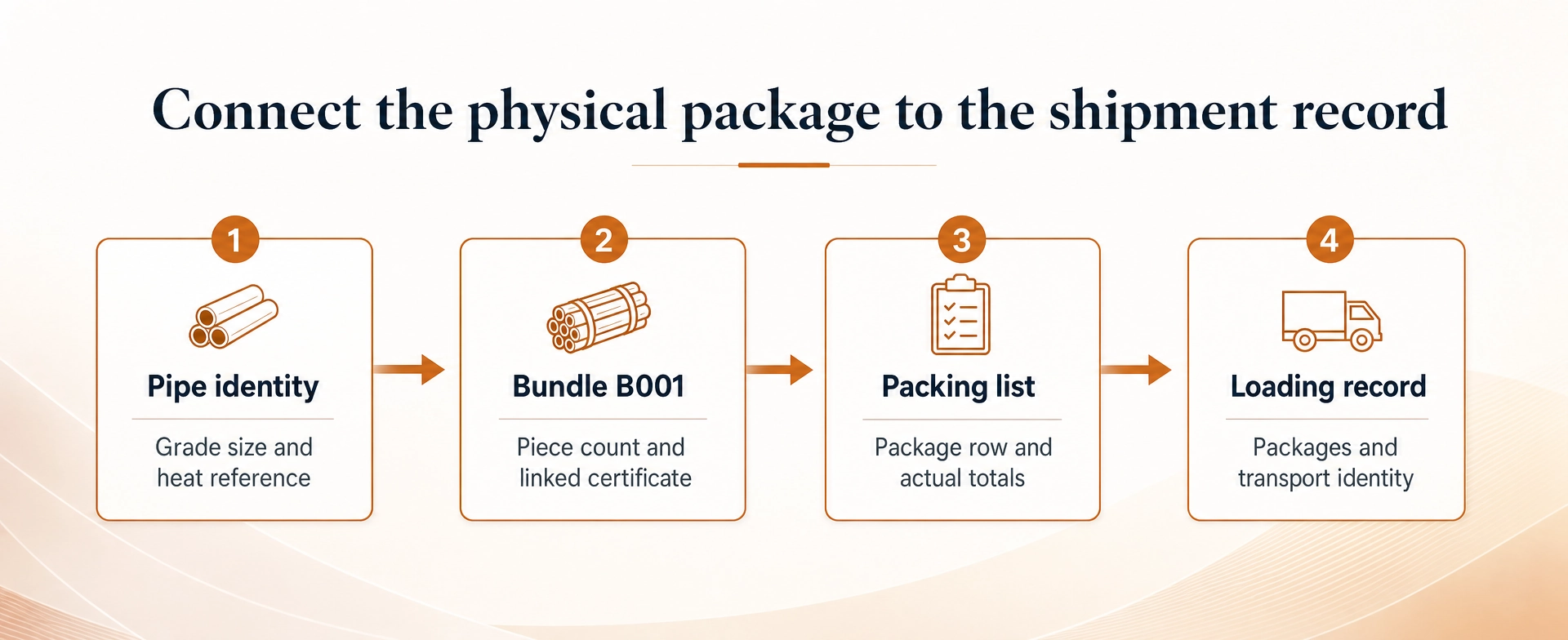
Connect the physical package to the shipment record
|
Field |
Illustrative entry |
|
PO and item |
DEMO-PO-001 / Item 01 |
|
Bundle |
B001 |
|
Product and specification |
Seamless pipe / ASTM A106 Grade B / contractual edition |
|
Dimensions |
114.3 mm OD x 6.02 mm wall x 6 m |
|
Quantity |
25 pieces |
|
Traceability |
H-DEMO-01 / MTC-DEMO-01 |
|
Net and gross mass |
Enter actual measured or contractually agreed values with units |
This is an identification example, not an actual shipment label or a complete standard marking template. Use the real order data and governing marking requirements. Make a sample tag part of packing approval so the buyer can check abbreviations and receiving references before hundreds of labels are printed.
|
Checkpoint |
Acceptance evidence |
|
Packing arrangement |
Approved package limits, support and restraint details, and lifting method. |
|
Surface and ends |
Inspection records for preservation, coating, bevels or connections as applicable. |
|
Package identity |
Readable tags that reconcile with the package register and heat records. |
|
Wood components |
Applicable marks and packaging condition. |
|
Photographs |
Overall packages plus close views of tags, ends and protected contact points. |
|
Changes and repairs |
Revised records and accepted damage or repair disposition. |
At loading, record the packages actually loaded, their visible condition and container and seal details where applicable. Keep the final loading record distinct from photographs taken before the cargo was moved. Pictures of the finished bundle cannot verify hidden coating condition or threads beneath protectors; those checks need records from the stage when the surfaces were accessible.
Send the final packing list and handling information before arrival. On receipt, compare package IDs and quantities, record missing caps or protectors, inspect visible damage and wet packing, and preserve photographs before unpacking changes the evidence. Segregate affected items while the responsible parties assess them. Document the condition promptly under the agreed receiving and claim procedure; this is more useful than assuming all surface staining has the same cause.
No. Cases are one option. Pipe size, surface sensitivity, package mass and the handling route determine whether they add useful protection.
No. Starting moisture, condensation, retained water and preservation also affect the outcome.
The order and approved traceability procedure decide. If several heats are allowed, the records must still identify the material correctly.
State pipe details, transport and storage exposure, maximum package weight, protection, marking, handling limits and required evidence.
Steel Pipe Shipping Volume Calculation
Steel Pipe Container Loading Guide
Preventing Surface Damage to Coated Pipes During Transportation
Steel Pipe Heat Number and Material Traceability
IPPC ISPM 15 implementation and guidance
Australian Department of Agriculture ISPM 15 scope and exemptions
Linde packing and marking instructions as an example purchaser specification