+8615674993216
 sales@forever-steels.com
 English
 العربية

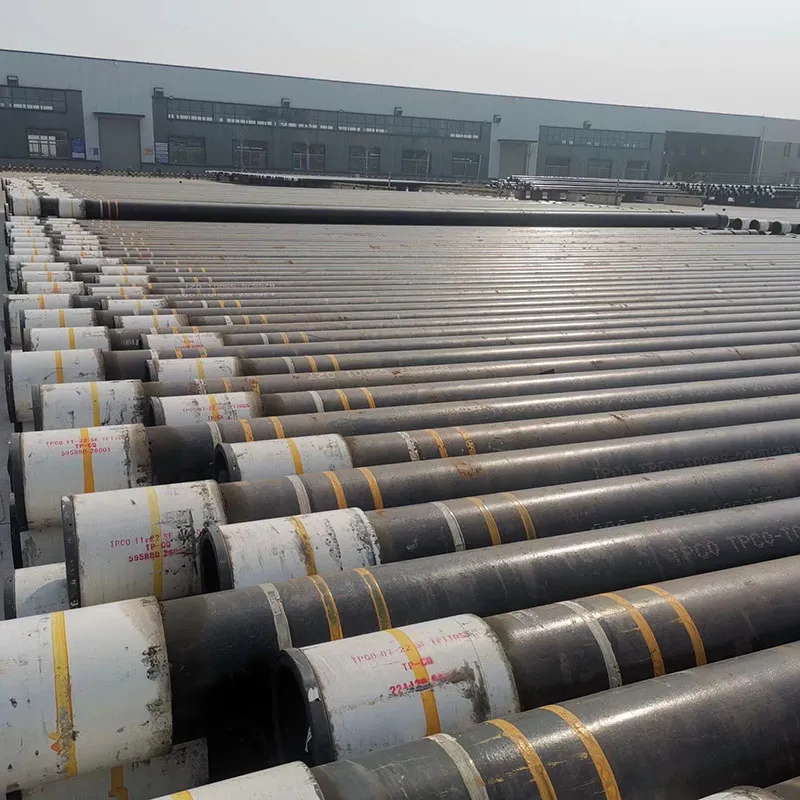
API 5CT tubing is the production conduit that carries crude oil and natural gas from the producing formation to the surface. Before ordering, confirm size, nominal weight, grade, connection type, upset type, length range, service conditions and inspection requirements.
API 5CT tubing carries produced or injected fluids inside the well. Specify OD, nominal weight, grade, range, connection, service condition, drift, hydrostatic or NDT requirements, coupling details, inspection level and document package before quotation.
Outside Diameter (OD): 1.050" to 4-1/2" (26.67mm – 114.3mm)
Wall Thickness (WT): 2.87mm – 16.0mm
Length Range: R1 (6.10m-8.53m),R2 (8.53m-9.75m), R3 (9.75m-12.80m)
Manufacturing Process:Seamless (SMLS) or Electric Resistance Welded (ERW)
We offer a complete range of API grades tailored to specific downhole conditions:
Standard Service:H40, J55, K55, N80-1, N80-Q
Project-specified sour service candidates: L80-1, C90 and T95, subject to the actual H2S environment and required qualification.
Corrosion Resistance (CO2/Brine):L80-9Cr, L80-13Cr
High Strength:P110
Available in non-upset (NUE) and external upset (EUE) configurations, subject to the required joint capacity, clearance and completion design:
EUE (External Upset End): An external-upset connection option; confirm joint capacity, clearance and completion compatibility.
NUE (Non-Upset End): A non-upset connection option where the completion design and joint requirements permit it.
Premium Connections: Project-specific connection systems for leak-tightness or demanding service. Confirm the exact connection designation, licensed mill availability, qualification documents, coupling details and approved running procedure before quotation.
Production Strings:The main flow path for oil and gas extraction.
Injection Wells:Used for water or gas injection in Enhanced Oil Recovery (EOR).
Workover & Completion:Essential for well maintenance and intervention services.
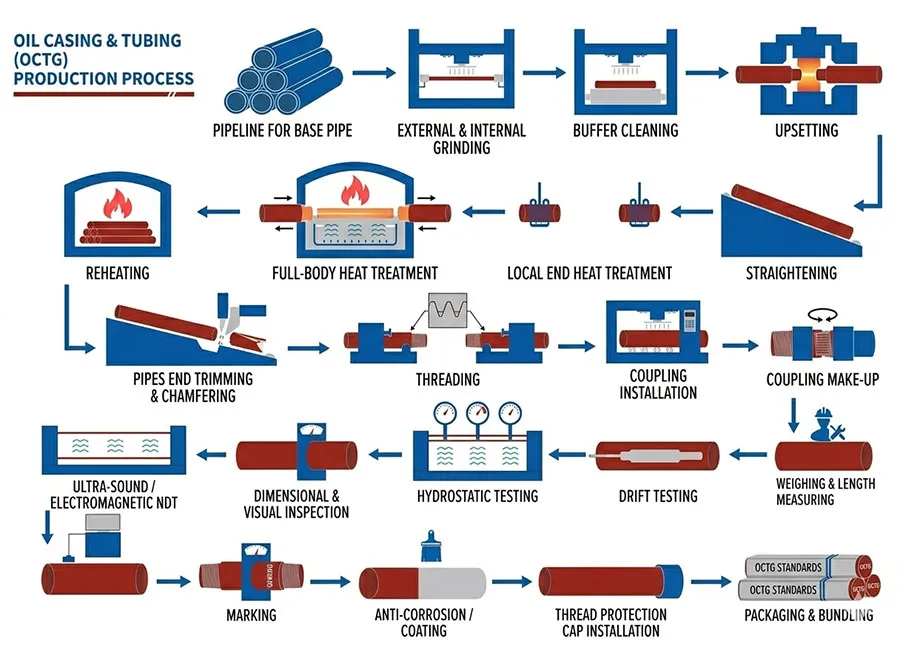
Testing: NDT, hydrostatic pressure testing, drift and thread inspection are performed to the extent required by the governing API 5CT edition, grade, purchase order and approved ITP.
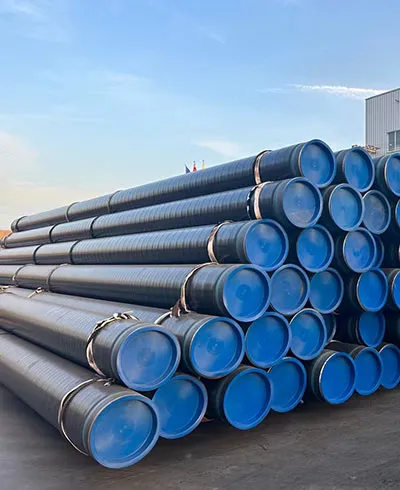
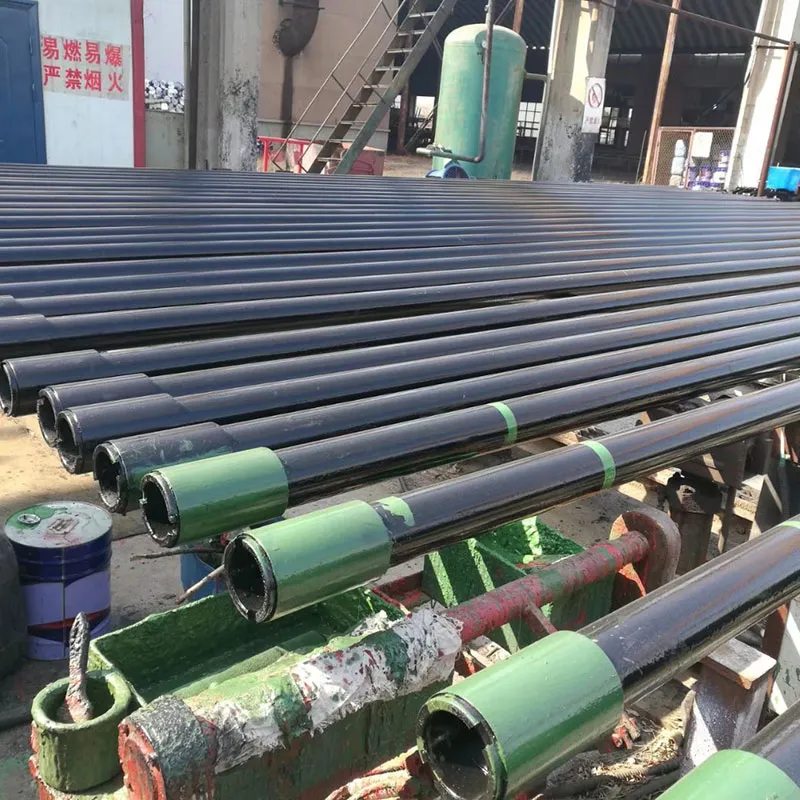
Surface Protection:External black painting, varnish coating, and internal lining (optional) for corrosion prevention.
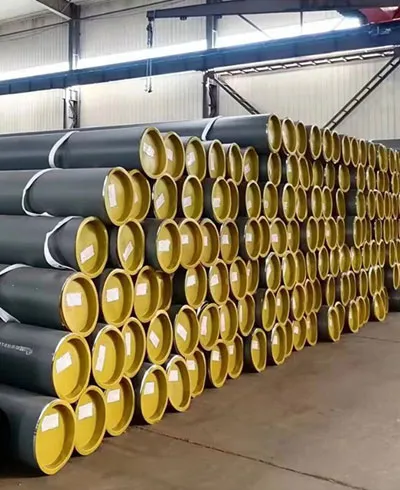
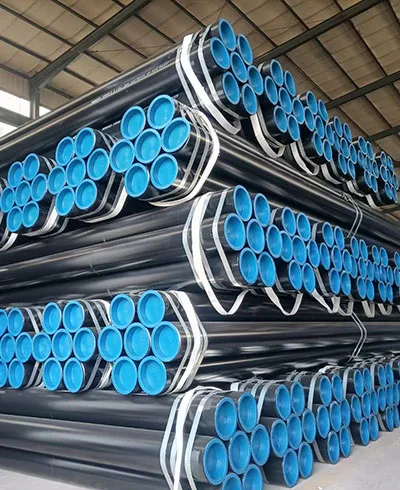
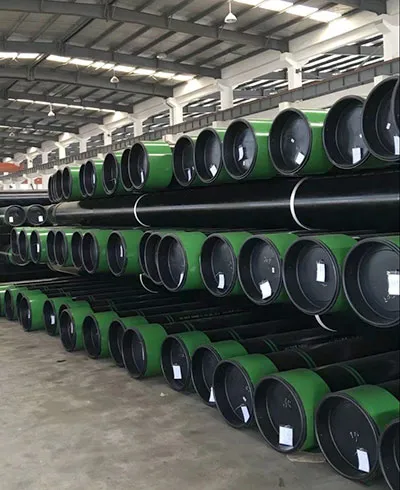
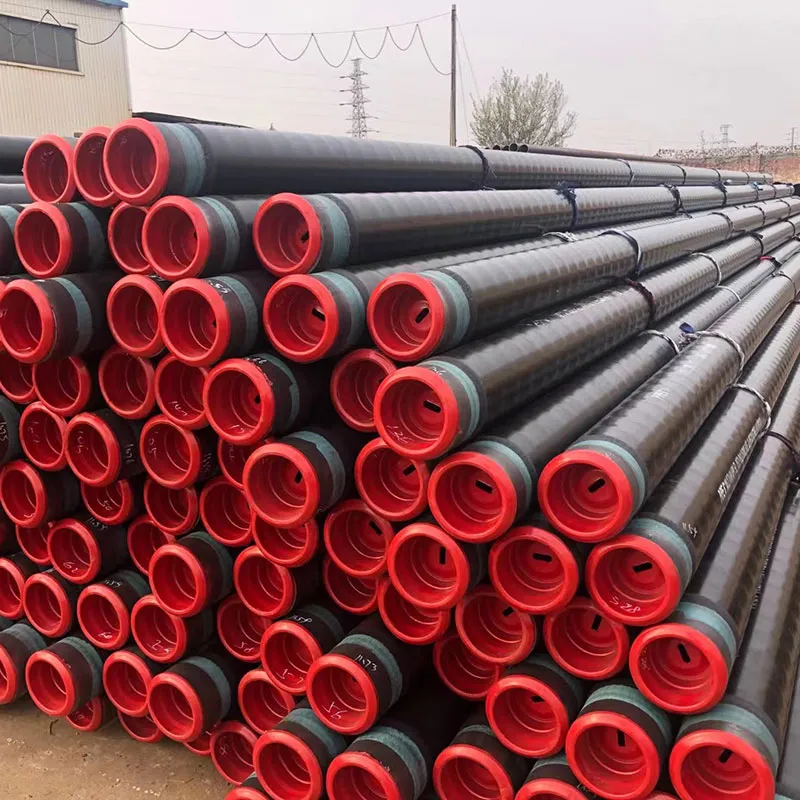
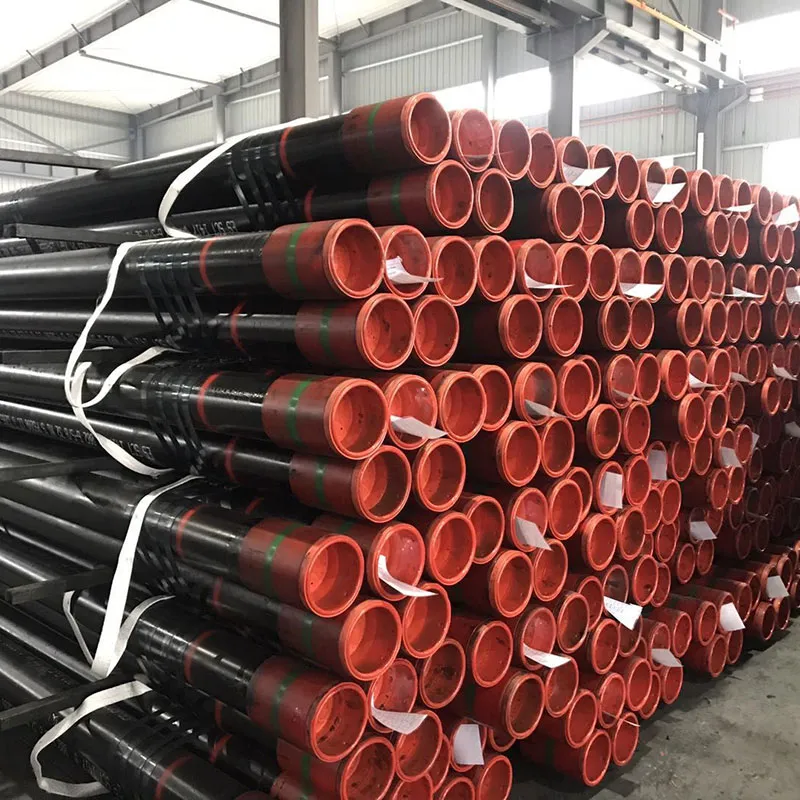
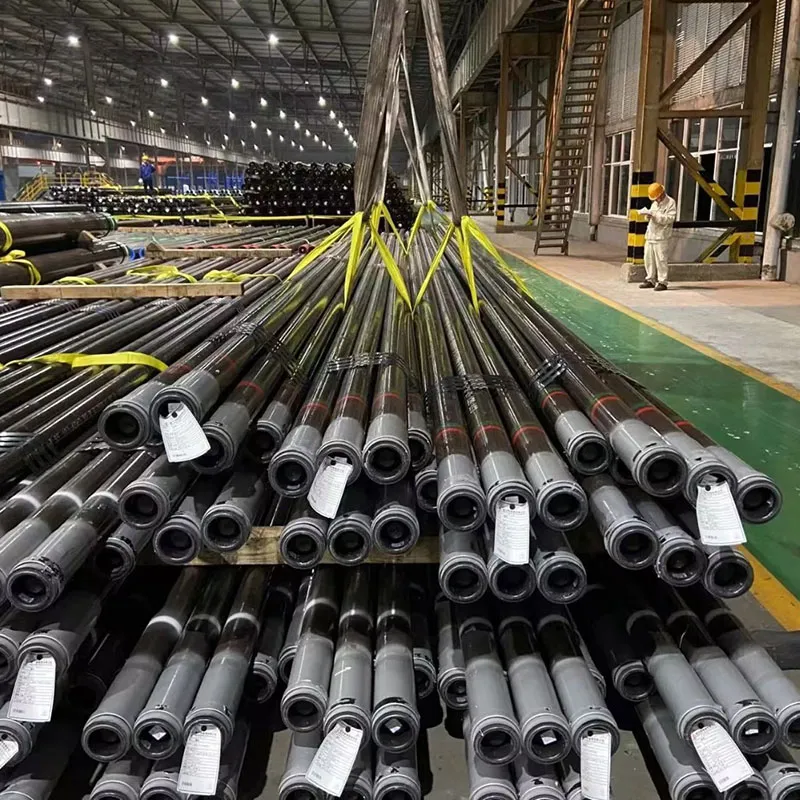
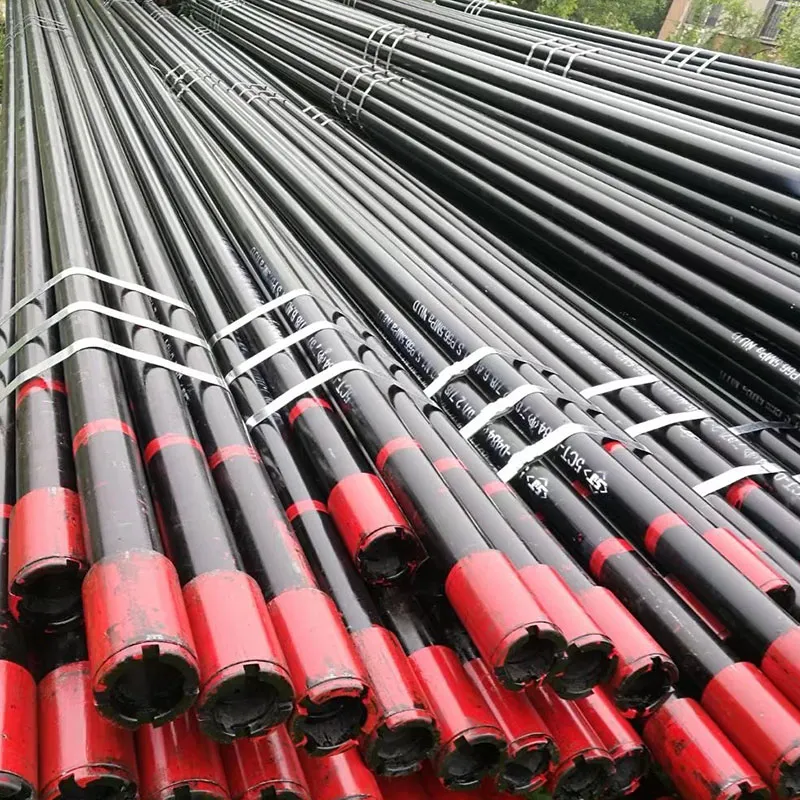
Packaging:Steel-strapped bundles with heavy-duty thread protectors; color-coded bands for grade identification according to API 5CT.
API 5CT tubing should be selected from the well conditions and approved completion design, not from grade or connection name alone.
| Service condition | Confirm before selection | Evidence to request |
|---|---|---|
| Production well | Depth, pressure, temperature, produced fluid, tubing movement and required flow area | Approved size/weight/grade, connection, drift and tubing tally requirements |
| Water or gas injection | Injection pressure, medium, temperature, corrosion allowance and workover plan | Material compatibility basis, pressure/test requirement and connection acceptance |
| CO2, brine or corrosive fluid | Actual fluid chemistry, temperature, corrosion-control method and expected life | Grade/CRA route, heat treatment, chemistry and project-specific corrosion evidence |
| H2S or sour service | H2S partial pressure, pH, chloride, temperature and governing project requirements | Specified SSC/HIC or other qualification, acceptance criteria and traceable reports |
| Connection route | Typical evaluation point | What must be confirmed |
|---|---|---|
| NUE | Non-upset API tubing connection where the completion design permits it | Joint strength, clearance, make-up requirements and coupling dimensions |
| EUE | External-upset API tubing connection where added end section and joint capacity are required | Connection dimensions, drift/clearance, make-up and compatibility with completion equipment |
| Premium or project-specific connection | High-pressure gas, leak-tightness, thermal or other demanding service | Licensed mill availability, exact connection name, performance envelope and approved procedures |
RFQ fields: API 5CT edition, OD, nominal weight or wall thickness, grade, quantity, R1/R2/R3, NUE/EUE or exact premium connection, upset/coupling details, drift, service conditions, hydrostatic and NDT scope, thread inspection, MTC, third-party inspection, marking and packing.
Export quotation inputs: for Middle East or Africa delivery, add the destination country and port, requested Incoterm, delivery window and any named operator or project approval requirement to the technical RFQ above. Ask for the proposed mill and connection documents, inspection scope, packing basis and freight validity so offers can be compared on the same delivered scope.
· API 5CT Tubing Guide for Production, Injection and Corrosive Service
· API 5CT Casing and Tubing Complete Guide
· Standard API Threads vs Premium Connections
· API 5CT Pre-Shipment Inspection Checklist
· API 5CT Couplings, Pup Joints and Crossovers
· Surface Casing vs Intermediate vs Production Casing vs Liner
| Nominal OD (inch) | OD (mm) | Wall Thickness (mm) | Nominal Weight (lb/ft - PPF) | Linear Weight (kg/m) | Common Thread Types |
| 1.05 | 26.67 | 2.87 | 1.14 | 1.7 | NU |
| 1.315 | 33.4 | 3.38 | 1.7 | 2.53 | NU, EU |
| 1.66 | 42.16 | 3.56 | 2.3 | 3.42 | NU, EU |
| 1.9 | 48.26 | 3.68 | 2.75 | 4.09 | NU, EU |
| 2-1/16 | 52.4 | 3.91 | 3.25 | 4.84 | IJ (Integral Joint) |
| 2-3/8 | 60.33 | 4.24 | 4 | 5.95 | NU, EU, PH6, FJ |
| 2-3/8 | 60.33 | 4.83 | 4.6 | 6.85 | NU, EU, PH6 |
| 2-3/8 | 60.33 | 6.45 | 5.8 | 8.63 | NU; EU (see weight note) |
| 2-7/8 | 73.03 | 5.51 | 6.4 | 9.52 | NU, EU, PH6, FJ |
| 2-7/8 | 73.03 | 7.01 | 7.9 | 11.76 | EU, PH6, FJ |
| 2-7/8 | 73.03 | 8.64 | 9.35 | 13.91 | EU, PH6 |
| 3-1/2 | 88.9 | 5.49 | 7.7 | 11.46 | NU |
| 3-1/2 | 88.9 | 6.45 | 9.2 | 13.69 | NU, EU, PH6, FJ |
| 3-1/2 | 88.9 | 7.34 | 10.2 | 15.18 | EU, PH6, FJ |
| 3-1/2 | 88.9 | 9.22 | 12.7 | 18.9 | EU, PH6, FJ |
| 3-1/2 | 88.9 | 11.4 | 15.5 | 23.07 | EU, PH6 |
| 4 | 101.6 | 5.74 | 9.5 | 14.14 | NU, EU |
| 4 | 101.6 | 6.65 | 11 | 16.37 | NU, EU, FJ |
| 4-1/2 | 114.3 | 5.69 | 10.5 | 15.63 | NU |
| 4-1/2 | 114.3 | 6.35 | 11.6 | 17.26 | NU, EU |
| 4-1/2 | 114.3 | 7.37 | 13.5 | 20.09 | EU |
| 4-1/2 | 114.3 | 8.56 | 15.1 | 22.47 | EU |
| 4-1/2 | 114.3 | 10.54 | 18.9 | 28.13 | EU, PH6 |
Weight basis for 2-3/8 in tubing: at 6.45 mm (0.254 in) wall thickness, the nominal threaded-and-coupled weight is 5.80 lb/ft for non-upset tubing and 5.95 lb/ft for external-upset tubing. Confirm the connection and weight basis together; proprietary connections require their own approved data sheet.
For a row-by-row size lookup, use the API 5CT tubing dimensions, weight and drift database. Confirm the governing edition, end finish, nominal-weight basis and required drift with the quotation; a lookup row does not establish availability or well-design suitability.
| Grade Group | Steel Grade | Yield Strength Rt 0.5% (psi) | Yield Strength (MPa) | Tensile Strength Rm (min psi) | Tensile Strength (min MPa) |
| Group 1 | H40 | 40,000 – 80,000 | 276 – 552 | 60,000 | 414 |
| J55 | 55,000 – 80,000 | 379 – 552 | 75,000 | 517 | |
| K55 | 55,000 – 80,000 | 379 – 552 | 95,000 | 655 | |
| N80-1 / N80-Q | 80,000 – 110,000 | 552 – 758 | 100,000 | 689 | |
| Group 2 | L80 (1/9Cr/13Cr) | 80,000 – 95,000 | 552 – 655 | 95,000 | 655 |
| C90 | 90,000 – 105,000 | 621 – 724 | 100,000 | 689 | |
| T95 | 95,000 – 110,000 | 655 – 758 | 105,000 | 724 | |
| C110 | 110,000 – 120,000 | 758 – 827 | 115,000 | 793 | |
| Group 3 | P110 | 110,000 – 140,000 | 758 – 965 | 125,000 | 862 |
| Group 4 | Q125 | 125,000 – 150,000 | 862 – 1,034 | 135,000 | 931 |
| Chemical Components (%) | ||||||||
| Steel Grade | C | Mn | Mo | Cr | Ni | P (max) | S (max) | Si (max) |
| H40 | - | - | - | - | - | 0.03 | 0.03 | - |
| J55 | - | - | - | - | - | 0.03 | 0.03 | - |
| K55 | - | - | - | - | - | 0.03 | 0.03 | - |
| N80-1/Q | - | - | - | - | - | 0.03 | 0.03 | - |
| L80 (Type 1) | 0.43 | 1.9 | - | - | 0.25 | 0.03 | 0.03 | 0.45 |
| L80 (9Cr) | 0.15 | 0.30–0.60 | 0.90–1.10 | 8.0–10.0 | 0.5 | 0.02 | 0.01 | 1 |
| L80 (13Cr) | 0.15–0.22 | 0.25–1.00 | - | 12.0–14.0 | 0.5 | 0.02 | 0.01 | 1 |
| C90 (Type 1) | 0.35 | 1.2 | 0.25–0.85 | 1.5 | 0.99 | 0.02 | 0.01 | 0.45 |
| T95 (Type 1) | 0.35 | 1.2 | 0.25–0.85 | 1.5 | 0.99 | 0.02 | 0.01 | 0.45 |
| C110 | 0.35 | 1.2 | 0.50–1.00 | 0.40–1.50 | 0.99 | 0.02 | 0.01 | 0.45 |
| P110 | - | - | - | - | - | 0.03 | 0.03 | - |
| Q125 | 0.35* | 1.35 | 0.85 | 1.5 | 0.99 | 0.02 | 0.01 | 0.45 |
Before selecting a grade for corrosive service, review tubing material options for the stated well conditions. Confirm the environment and qualification basis with the responsible well engineer.
No. Confirm the OD × nominal weight × grade × connection combination, including drift, connection clearance and upset configuration. NUE, EUE and proprietary connections must be identified explicitly. A shared OD does not establish interchangeability or availability.
For regular sizes and typical order quantities, delivery is generally within 30 days. Some in-stock items can be delivered within one week. Project orders follow an agreed production and delivery schedule based on the specifications, quantities, processing and inspection requirements. Confirm the delivery date and delivery point in the quotation.
Yes. Project orders can be shipped and loaded in batches according to actual production progress and inspection release. Agree the specifications, quantities and shipping sequence for each batch in advance. Each shipment should have its corresponding material certificates, inspection records and packing list; confirm transport and any additional charges in the quotation.
Yes. We accept third-party inspection, including buyer-nominated inspection arrangements. Inspection charges are calculated according to the order specifications, inspection percentage and inspection requirements. Agree the agency, scope, witness points and required reports before the relevant inspection or testing stage.
Some in-stock tubing can be delivered within one week, but that timing must not be assumed after a connection change or added inspection. Reconfirm processing availability, licensed connection requirements where applicable, protectors and inspection release before accepting the revised delivery date.