+8615674993216
 sales@forever-steels.com
 English
 العربية

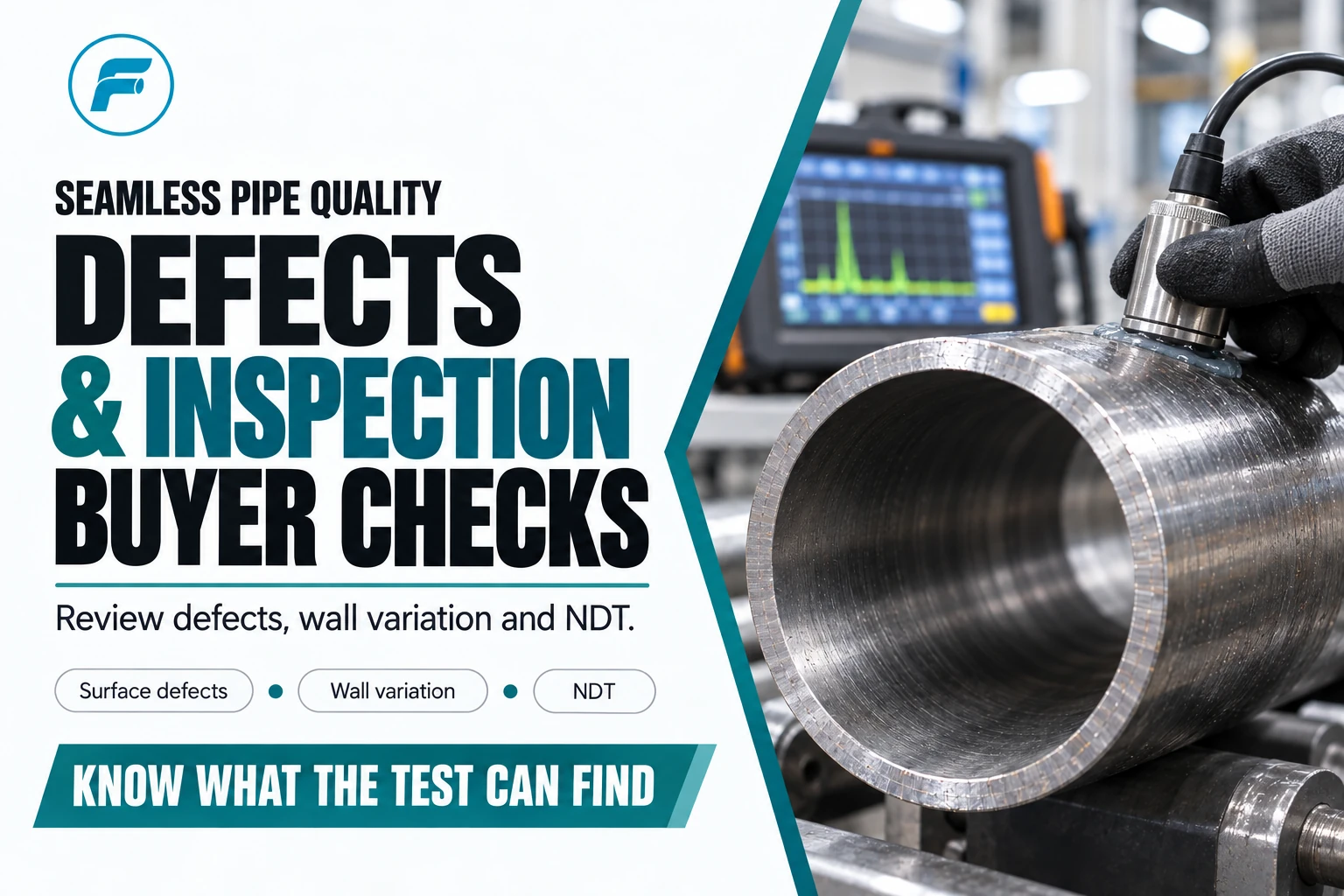
What should an AWWA C213 FBE-coated steel water-pipe RFQ define? State the steel-pipe scope, FBE system, surface preparation, application, thickness, holiday and adhesion checks, repair method, field joints and potable-water or project acceptance requirements where applicable. Coating appearance alone is not a complete acceptance record. The relevant product page is FBE-coated steel pipe for water transmission.
AWWA C213-22 covers shop- or field-applied fusion-bonded epoxy coatings and linings for steel water pipe, fittings and related appurtenances used underground or underwater. It is a minimum standard, not a complete project specification. The owner still has to decide what is suitable for the conveyed water, installation method and local regulatory environment.
FBE is a heat-activated, chemically cured powder coating. Its final performance depends on the steel condition, abrasive blasting, anchor profile, preheat and application temperature, powder condition, cure, film build and post-application handling. Two quotations can both say ‘FBE to AWWA C213’ while differing materially in coating scope, test frequency, repair control and document traceability.
The first RFQ decision is therefore the service definition. Potable-water lining, external corrosion protection for buried pipe and a combined internal/external system create different approval and inspection questions. AWWA also notes that its pipe coating standards are based on potable-water service temperatures; higher or unusual temperatures should be checked against the epoxy manufacturer's published limits rather than assumed from the standard name.
|
Project question |
Why it changes the FBE order |
What the RFQ should state |
|
Internal, external or both? |
The application area affects access, inspection method, cutbacks and repair. |
Identify each surface and any uncoated or masked zones. |
|
Potable or non-potable water? |
Health-effects certification may be required for coatings in contact with drinking water. |
State NSF/ANSI/CAN 61 or the applicable local approval when required. |
|
Buried, submerged or aboveground? |
Exposure and installation damage risks differ. |
State environment, backfill, handling and field-joint system. |
|
Operating temperature and water chemistry? |
Coating suitability is formulation- and service-dependent. |
Provide normal/design temperature, pH and unusual constituents. |
|
Pipe, fittings and specials included? |
Geometry around fittings, welds and edges can affect coverage. |
List base pipe, fittings, specials and welded appurtenances separately. |
The following matrix can be copied into a material requisition or used as the basis of an inspection and test plan. Numerical acceptance values should come from the applicable edition of AWWA C213, the approved coating data sheet and the owner specification; they should not be invented during final inspection.
|
RFQ field |
Minimum information to provide |
Evidence expected from the supplier |
|
Standard and edition |
ANSI/AWWA C213-22, plus project amendments and precedence rule. |
Contract review showing the controlled specification set. |
|
Base pipe |
Standard, grade, OD, wall thickness, length, quantity, manufacturing route and end type. |
MTC, dimensional report and pipe traceability. |
|
Coating scope |
Internal lining, external coating or both; include fittings and special sections. |
Coating schedule linked to pipe/item numbers. |
|
Epoxy system |
Approved manufacturer, product designation, color and potable-water approval where required. |
Current product data sheet, batch certificate and approval evidence. |
|
Surface preparation |
Cleanliness grade, profile range and soluble-contaminant limit if specified. |
Blast-cleaning record, profile readings and environmental log. |
|
Film thickness |
Nominal/minimum DFT, permitted maximum if relevant, reading locations and sampling frequency. |
Calibrated DFT report with min/average/max results. |
|
Holiday detection |
Method, voltage basis, coverage, equipment calibration and acceptance rule. |
Holiday-test record, calibration evidence, defect map and retest record. |
|
Cure and adhesion |
Required production or qualification tests and test frequency. |
Cure/adhesion results tied to powder lot and production batch. |
|
Pipe ends |
Cutback or coated-end dimensions, bevel protection and field-joint interface. |
End measurements and final photographs. |
|
Repairs |
Approved repair material, maximum repair extent, preparation method and retest requirement. |
Repair procedure, repair log and post-repair DFT/holiday results. |
|
Inspection hold points |
Owner/TPI witness and hold points, notice period and release authority. |
Signed ITP, inspection release note and TPI report where applicable. |
|
Packing and shipment |
Approved slings, separators, dunnage, stacking and loading-photo requirements. |
Packing list, protection photos and final loading record. |
Final appearance alone cannot prove coating quality. The strongest acceptance package follows the pipe from incoming material through blasting, heating, powder application, cure, testing, repair and loading. This sequence helps the buyer identify where a failure was introduced and whether the corrective action was effective.
1.Verify incoming pipe and traceability.Confirm the heat number, item number, dimensions, weld condition and end preparation before blasting. Surface defects or excessive weld reinforcement can remain visible through the coating and create local thin areas.
2.Control surface preparation.Record cleanliness, anchor profile and environmental conditions. Dust, salts, oil, moisture or flash rust can weaken adhesion even when the final color appears uniform.
3.Confirm powder and application controls.Check powder designation, batch, storage condition, preheat/application parameters and production test frequency against the approved procedure.
4.Measure film build deliberately.Define readings on the pipe body, weld area, ends and fittings. A report that shows only an overall average can hide local under-thickness.
5.Perform continuity testing and controlled repair.Holiday detection should use the agreed method and voltage basis. Every located defect should be repaired with an approved material and retested under the same acceptance rule.
6.Protect the accepted coating through shipment.Inspection is not complete if dragging, steel-on-steel contact or unsuitable hooks damage the coating during loading.
|
Acceptance item |
Review point |
Release condition |
|
Visual condition |
Uniform coverage; no blistering, cracking, contamination, exposed steel or unacceptable mechanical damage. |
All nonconforming areas identified and closed. |
|
DFT |
Specified gauge, calibration, sampling plan and recorded min/average/max by pipe or lot. |
All readings comply with the approved acceptance rule. |
|
Holiday test |
Correct detector method, voltage basis, grounding, speed and full coverage. |
No unrepaired holidays; repaired areas retested. |
|
Adhesion/cure |
Required method, specimen location, frequency and acceptance criterion. |
Results comply and are traceable to the production batch. |
|
Cutback and ends |
Length, edge condition, bevel cleanliness and end protection. |
Dimensions match field welding and joint-coating requirements. |
|
Marking |
Pipe/heat/item identity remains readable after coating. |
Physical marking agrees with MTC and packing list. |
|
Documentation |
MTC, coating batch data, inspection reports, repair log, calibration and TPI release. |
Complete dossier accepted before loading. |
|
Packing/loading |
Soft slings, padded separators, stable dunnage and no steel-on-coating contact. |
Final condition confirmed in loading photographs. |
·Writing only ‘AWWA C213 coating.’This leaves the coating side, DFT, test frequency, pipe ends and documentation open to interpretation.
·Treating NSF/ANSI/CAN 61 as a coating-performance standard.It addresses health effects of materials in contact with drinking water; it does not replace coating application and acceptance requirements.
·Using one universal holiday-test voltage.The test method and voltage must match the coating thickness, applicable standard and approved procedure. Excessive voltage can damage a sound coating; insufficient voltage can miss defects.
·Accepting an average DFT without local readings.Thin spots at welds, ends, edges or repaired areas can be hidden by a satisfactory batch average.
·Releasing pipe before repair records are closed.A repair map without post-repair inspection does not prove continuity.
·Separating coating inspection from loading control.A coating that passed at the inspection stand can still be rejected at site if it was scratched or chipped during transport.
Supply steel water pipe and fittings with fusion-bonded epoxy coating/lining in accordance with ANSI/AWWA C213-22 and the project coating specification. The supplier shall confirm the base pipe standard, grade, dimensions and end preparation; coating scope; approved epoxy product and potable-water certification where required; surface preparation; specified DFT; holiday-detection method and voltage basis; production test frequency; repair procedure; cutback dimensions; marking; packing; and final documentation. Deviations shall be listed with the quotation. Production shall not begin until the coating procedure and inspection plan are approved. All repaired areas shall be reinspected, and the final release dossier shall be accepted before loading.
No. The coating or lining requirement must be paired with the base-pipe standard, grade, dimensions and joint details. Put both scopes in the RFQ so the supplier quotes a complete system.
No. Drinking-water health-effects certification and coating application or performance requirements serve different purposes. Confirm the approved epoxy product and certification scope where the project requires them.
Not on that result alone. Review the specified local readings, continuity testing, required adhesion or cure checks, repairs and final handling condition. An acceptable average can hide a thin spot or unrepaired holiday.
AWWA C213 is the starting point for an FBE water-pipe order, not the full purchase description. The buyer obtains a more defensible result by converting the standard into project-specific RFQ fields, hold points and document requirements before production. For a quotation, send the base pipe specification, size and quantity together with the coating side, service temperature, DFT, holiday-testing, pipe-end and documentation requirements to the Forever Steel FBE-coated steel pipe team.
Continue with these closely related Forever Steel technical resources:
· ANSI/AWWA C213-22 - Fusion-Bonded Epoxy Coatings and Linings for Steel Water Pipe and Fittings - Current AWWA standard named in this guide.
· AWWA Standards List - Steel Pipe and Fittings - Official AWWA list confirming the current C213 edition.
· NSF/ANSI/CAN 61 Testing and Certification - Health-effects requirements for drinking-water system materials and coatings.
· ASTM G62-23 - Holiday Detection of Pipeline Coatings - Methods for locating pinholes and holidays in protective pipeline coatings.
· ISO 8501-1:2007 - Visual Assessment of Surface Cleanliness - Rust grades and preparation grades for steel substrates; revision work is underway, so purchasers should confirm the applicable edition.