+8615674993216
 sales@forever-steels.com
 English
 العربية

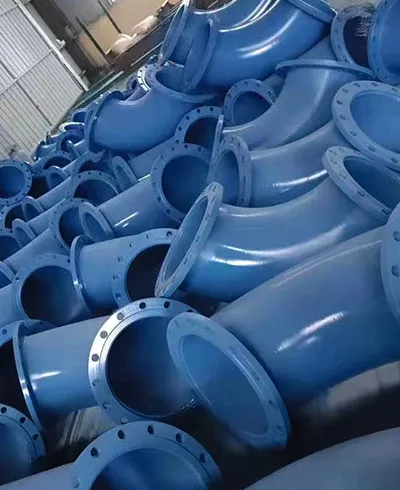
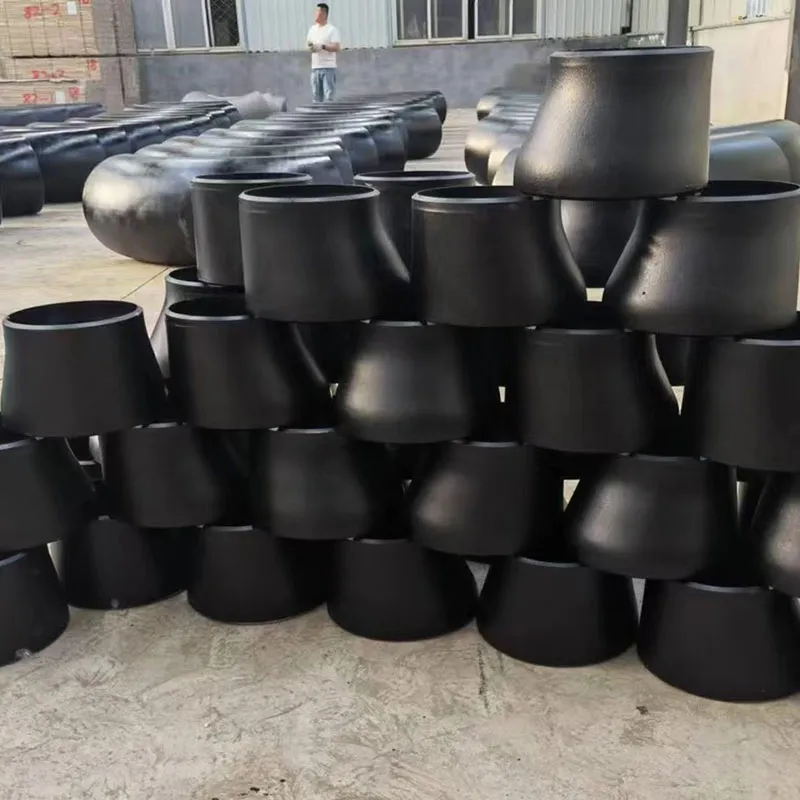
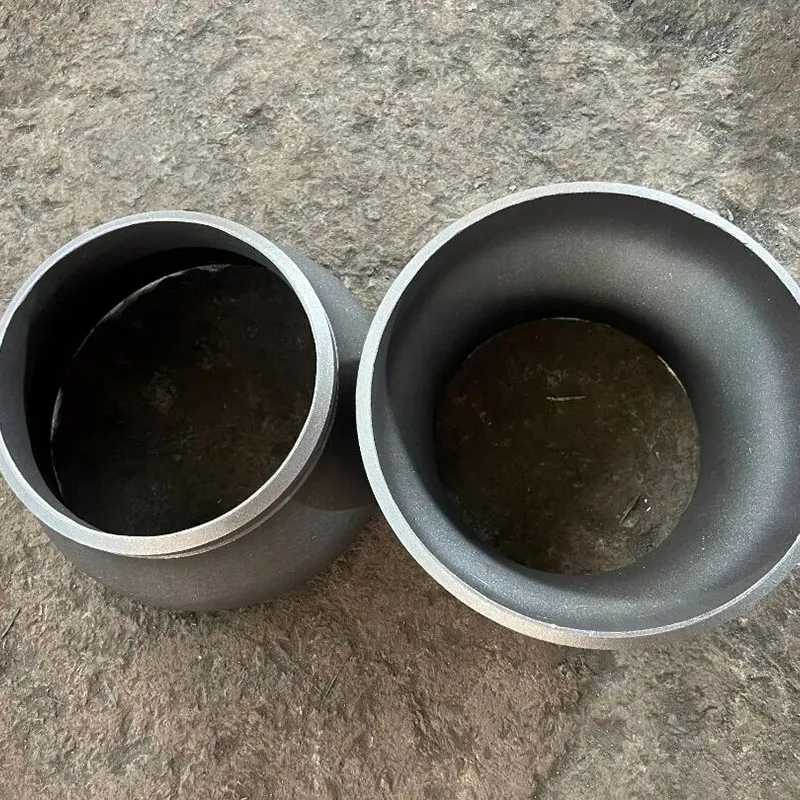
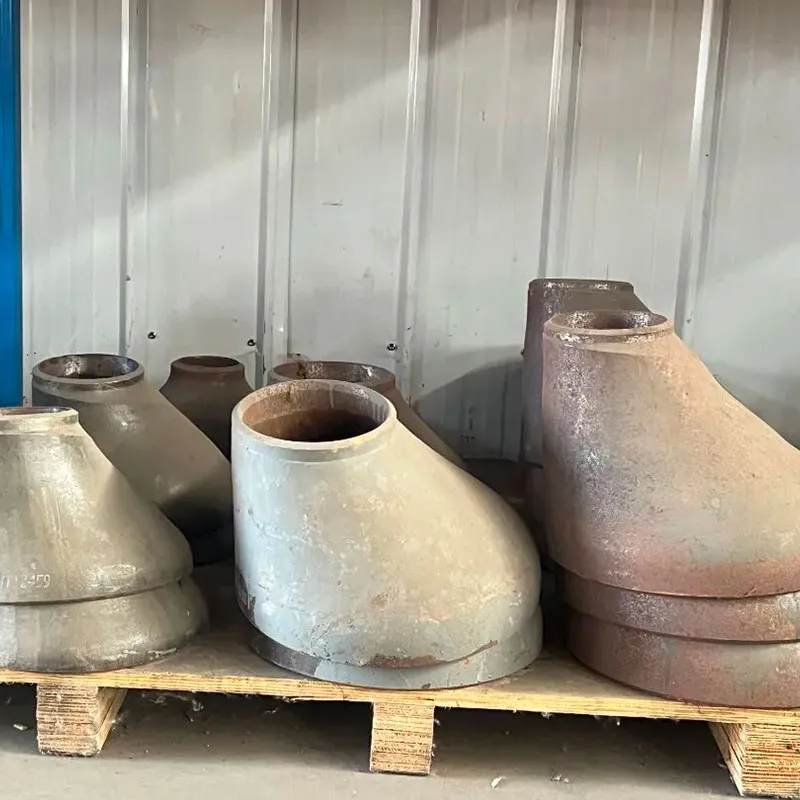
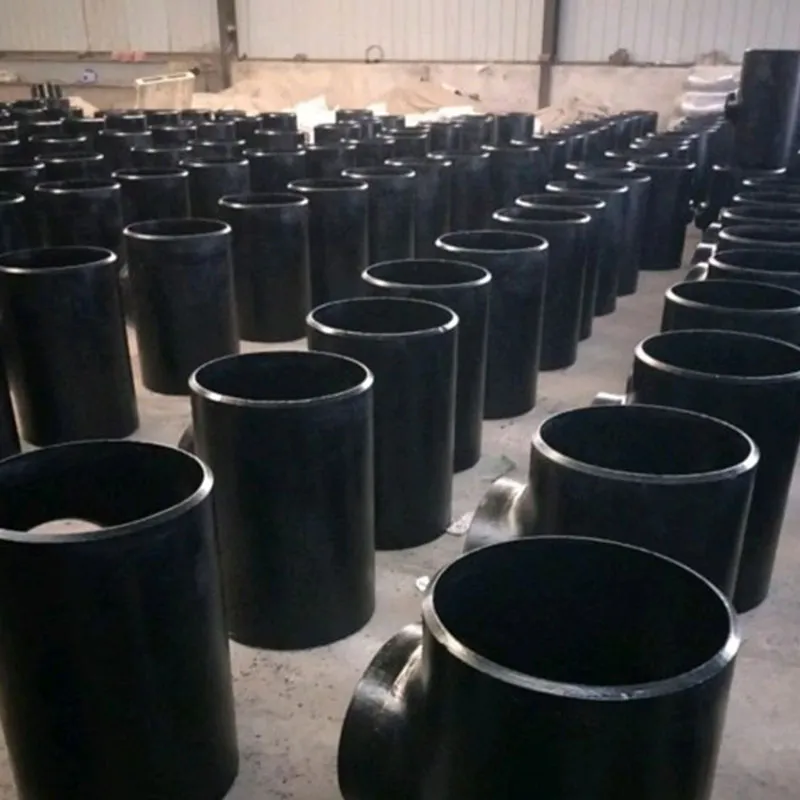
Our pipe reducers are precision-engineered components designed to facilitate a seamless transition between different pipe diameters within a piping system. We offer both Concentric Reducers (for vertical lines) and Eccentric Reducers (to maintain a level bottom or top in horizontal lines), ensuring optimal flow dynamics and pressure management.
Size Range: Seamless (SMLS): 1/2" to 24" (DN15 – DN600)
Welded: Up to 72" (DN1800)
Wall Thickness: SCH 5S through SCH 160, XXS, and custom heavy-wall thicknesses.
Production Standards:
ASME/ANSI: B16.9 (Factory-Made Wrought Buttwelding Fittings)
MSS: SP-43, SP-75
DIN/EN: EN 10253, DIN 2616
Carbon Steel: ASTM A234 WPB, WPC; ST37.2
Alloy Steel: ASTM A234 WP1, WP5, WP9, WP11, WP22, WP91
Low-Temperature Steel: ASTM A420 WPL6
Stainless Steel: ASTM A403 WP304/304L, WP316/316L, 317L, 321
High-Yield Steel: ASTM A860 WPHY 42, 52, 60, 65, 70
Pipe reducers are critical across various industrial sectors where fluid, gas, or steam must be transported efficiently:
Oil & Gas: Used in refineries and cross-country pipelines to adjust flow rates and accommodate varied equipment intake sizes.
Power Generation: Essential for steam and water circulation systems in thermal and nuclear power plants.
Chemical Processing: Provides safe transitions for corrosive media, ensuring no turbulence or accumulation at connection points.
Water Treatment: Facilitates the transition between main distribution lines and smaller municipal branches.
Marine & Shipbuilding: Used in compact engine room piping where space optimization and flow efficiency are paramount.
For butt-weld fittings, confirm the mating pipe dimensions, end preparation and material traceability before release.
| Material | Grades |
| Nickel Alloy | ASTM / ASME SB 336 UNS 2200 (NICKEL 200), UNS 2201 (NICKEL 201), UNS 4400 (MONEL 400), UNS 8020 (ALLOY 20 / 20 CB 3), UNS 8825 INCONEL (825), UNS 6600 (INCONEL 600), UNS 6601 (INCONEL 601), UNS 6625 (INCONEL 625), UNS 10276 (HASTELLOY C 276) |
| Carbon Steel | ASTM / ASME A/SA 234 GR. WPB, WPC, WPBW, WPHY 42, WPHY 46, WPHY 52, WPH 60, WPHY 65 & WPHY 70 |
| Low Alloy Steel | ASTM / ASME A/SA 234 GR. WP 1, WP 5, WP 9, WP 11, WP 12, WP 22, WP 23, WP 91 |
| Low Temp Carbon steel | ASTM A420 WPL3, A420 WPL6 |
| Duplex and Super Duplex Steel | ASTM A 815, ASME SA 815 UNS NO S31803, S32205. UNS S32750, S32950. Werkstoff No. 1.4462 |
| Stainless Steel | ASTM A403 WP316/316L, ASTM A403 SA / A 774 WP-S, WP-W, WP-WX 304/304L, ASTM A182 F316L, 304L, DIN 1.4301, DIN1.4306, DIN 1.4401, DIN 1.4404 |
| High Strength Ferritic Steel | ASTM A860 WPHY42, WPHY52, WPHY60, WPHY65, WPHY70 |
| Titanium | ASTM / ASME SB 363 GR. 1, GR. 2, GR. 3, GR. 4, GR. 5, GR. 7, GR. 9, GR. 12, GR. 23 |
| Cu Ni Alloy | C70600 (90:10), C71500 (70:30), C71640 |
| Standard | Type |
| ASME B16.9 | Factory-Made Wrought Buttwelding Fittings |
| ASME B16.28 | Wrought Steel Short Radius Elbows and Buttwelding Returns |
| ASME B16.49 | Factory-Made, Wrought Steel, Buttwelding Induction Bends for Transportation and Distribution Systems |
| MSS SP43 | Wrought and Fabricated Butt-Welding Fittings for Low Pressure, Corrosion Resistant Applications |
| MSS SP75 | Specification for High-Test, Wrought, Butt-Welding Fittings |
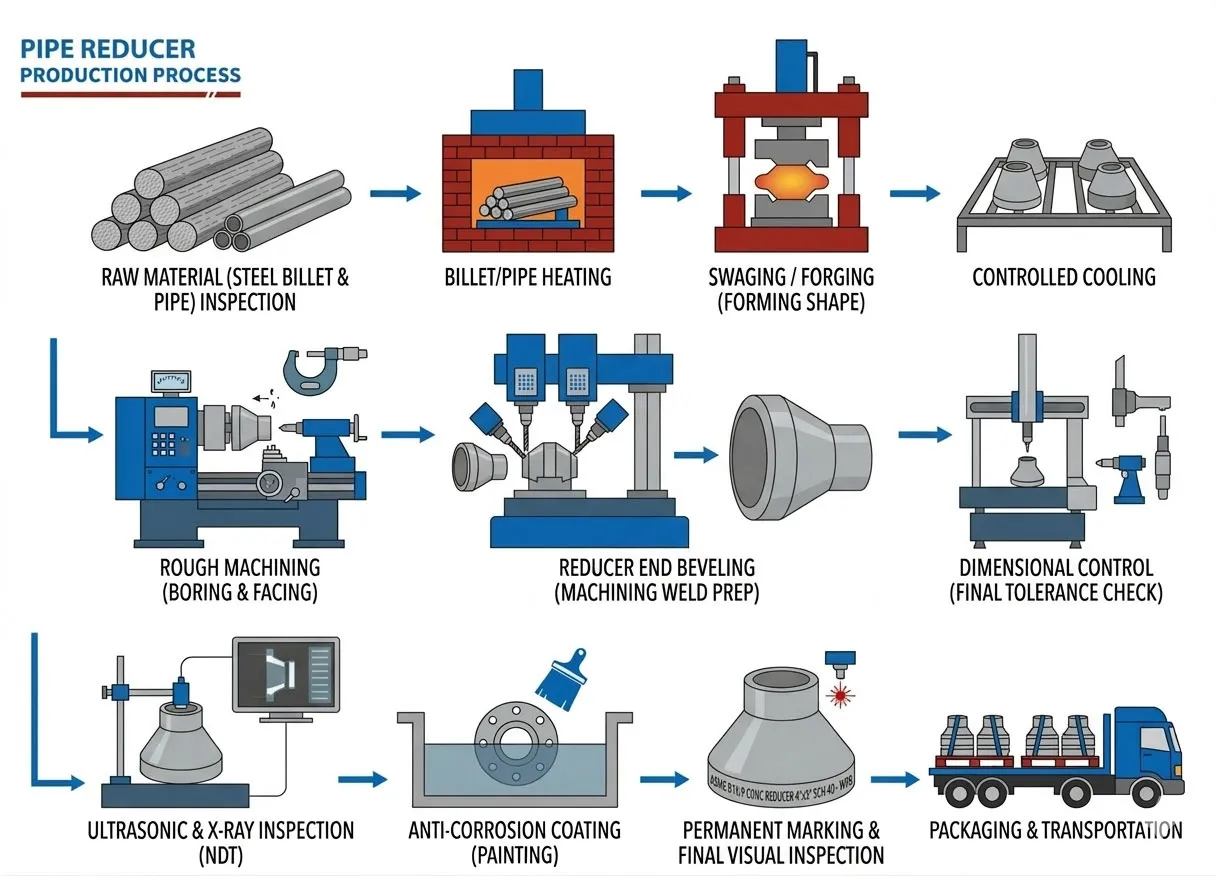
They usually do so when they are balancing flow transition against layout simplicity. Sometimes the real decision is not reducer type, but whether the system design is changing pipe size in the best place. Typical applications include concentric reducer for process piping, eccentric reducer for pump suction line, and ASTM A234 WPB reducer supply.
Differences often come from type selection, wall schedule matching, manufacturing route, and whether the reducer is part of a larger project fitting package. Small geometry changes can affect the commercial outcome. This often appears in refinery or water treatment projects where reducer type and schedule combination affect both price and usability.
A very useful question is whether the line is vertical, horizontal, pump-connected, or sensitive to trapped air or drainage. That practical layout question usually decides the type. That question is especially useful in pump-connected lines, horizontal process piping, and mixed-size piping systems.
They often miss whether both ends truly match the connected piping schedules and fit-up assumptions. That detail is where many reducer-related mistakes begin. Reducer mistakes are common in butt weld fitting orders where large-end and small-end schedules were not checked against the real piping system.