+8615674993216
 sales@forever-steels.com
 English
 العربية

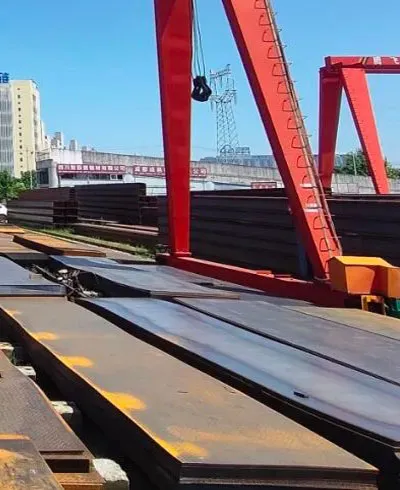
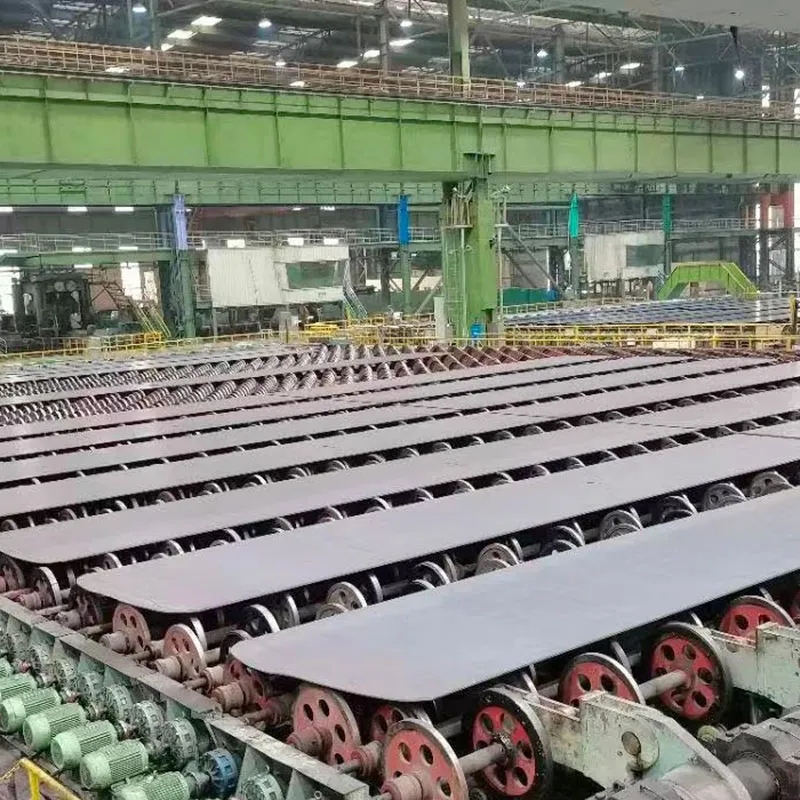
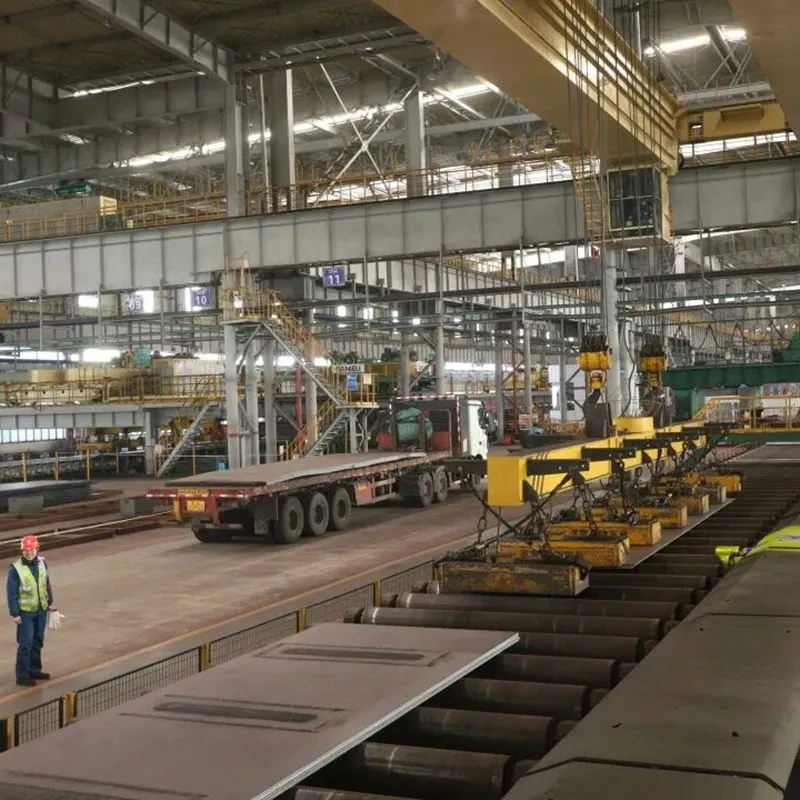
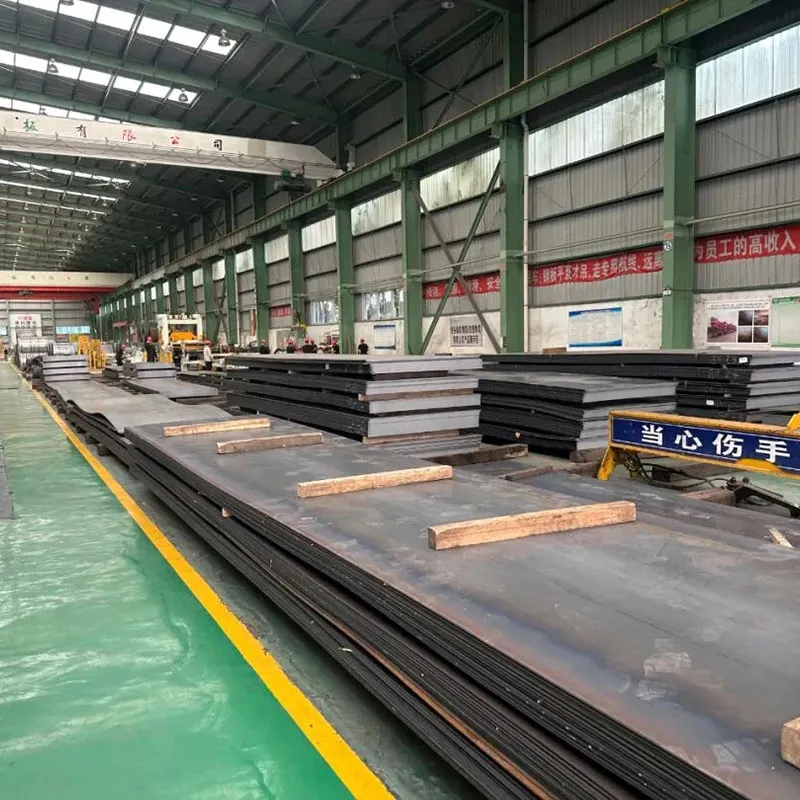
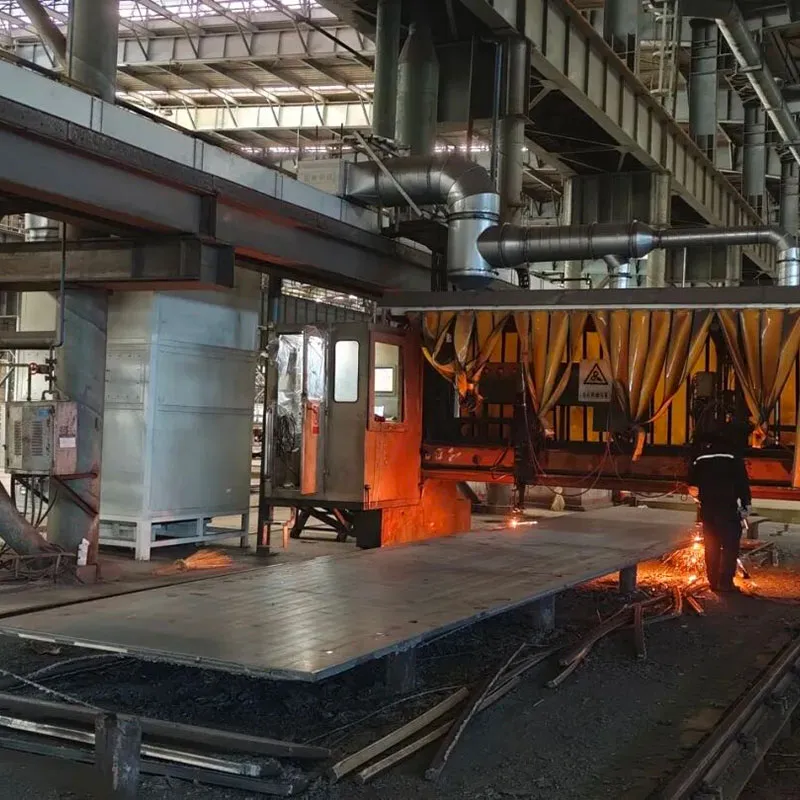
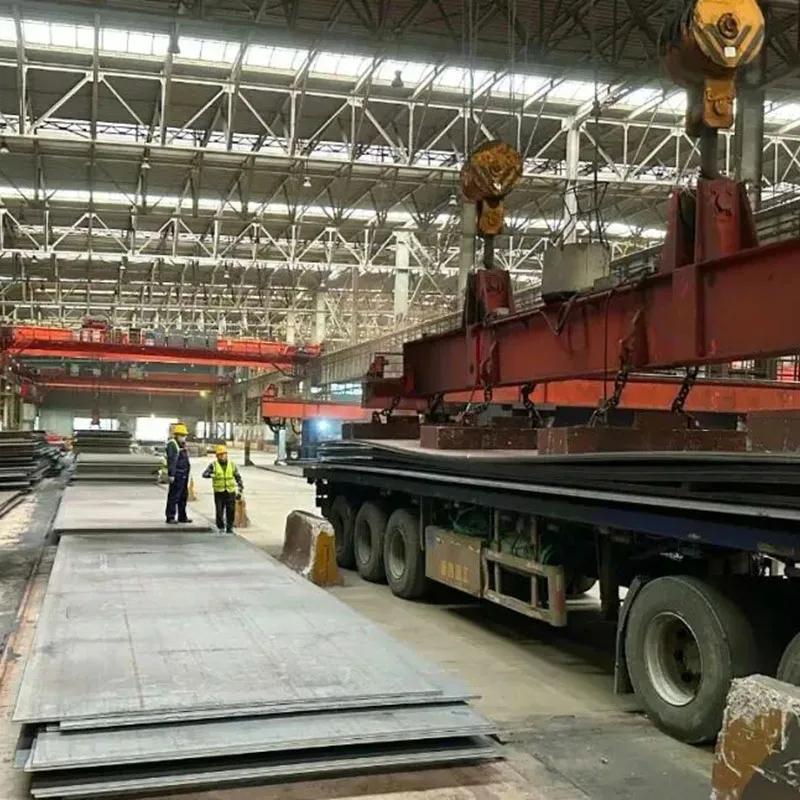
Our Shipbuilding Steel Plates are engineered to withstand the relentless corrosive force of seawater and the immense structural stress of ocean-going operations. Certified by the world’s leading classification societies, these plates offer the perfect balance of high yield strength, excellent cold-forming properties, and superior weldability. From commercial cargo vessels to offshore support units, our steel provides the reliable foundation required for long-term safety at sea.
We supply shipbuilding steel strictly according to the unified requirements of IACS (International Association of Classification Societies).
Ordinary Strength Grades:
Grades: A, B, D, E
Application: General hull structures and deck plating.
Higher Strength Grades (High-Tensile):
Grades: AH32, DH32, EH32, FH32 (Yield Strength 315 MPa)
Grades: AH36, DH36, EH36, FH36 (Yield Strength 355 MPa)
Grades: AH40, DH40, EH40 (Yield Strength 390 MPa)
Offshore Structural Grades:
ASTM A131 (Standard for Shipbuilding)
API 2H / 2W (For offshore platforms)
To reduce welding seams and increase structural integrity, we offer a wide range of sizes, including super-wide and heavy-thickness plates:
|
Feature |
Specification Range |
|
Thickness (WT) |
5mm – 150mm (Up to 300mm for special orders) |
|
Width |
1,500mm – 4,000mm (Standard: 2,000mm, 2,500mm) |
|
Length |
6,000mm – 18,000mm (Custom lengths available) |
|
Heat Treatment |
AR (As Rolled), N (Normalized), TMCP (Thermo-Mechanical Control Process) |
|
Surface Treatment |
Shot-blasting (Sa 2.5) and Shop Priming (Gray/Red) |
Shipbuilding plates are the primary material for constructing the "backbone" of the maritime industry:
Hull Construction: Bottom plates, side shells, and bulkheads for Bulk Carriers, Tankers, and Container Ships.
Offshore Structures: Jack-up rigs, semi-submersible platforms, and wind turbine installation vessels.
Marine Infrastructure: Floating docks, bridge pontoons, and harbor structures.
Specialized Vessels: LNG/LPG carriers, icebreakers (EH/FH grades), and luxury cruise liners.
Internal Components: Engine room bulkheads and heavy-duty deck machinery supports.
Multi-Society Certification: Available with ABS, DNV, LR, BV, CCS, RINA, KR, NK, and GL stamps.
TMCP Technology: Our plates utilize Thermo-Mechanical Control Processes to ensure a low Carbon Equivalent (Ceq), making them exceptionally easy to weld in shipyard conditions.
Z-Direction Testing: Optional Z15, Z25, and Z35 testing to ensure strength through the thickness of the plate, preventing lamellar tearing.
Arctic Ready: FH grades are impact-tested at -60°C, ensuring reliability in the coldest shipping routes.
For shipbuilding plate orders, keep the classification grade, impact-test requirements and heat identity together in the document review. These guides illustrate verification questions; the ordered plate and classification rules govern acceptance.
Confirm the ordered shipbuilding grade, delivery condition and applicable classification-society or ASTM A131/A131M requirements. Check the mill certificate for heat traceability, chemical composition, mechanical properties and any specified impact tests against the approved purchase specification.
| Application Field | Standard | Steel Grade | Thickness (mm) | Width (mm) | Length (mm) | Delivery Condition |
| Shipbuilding & Offshore | Classification Societies (CCS, ABS, DNV, LR, etc.) |
Normal Strength: Grade A, B, D, E High Strength: AH32, DH32, EH32, AH36, DH36, EH36, EH40 |
6 – 100 | 1500 – 4100 | 6000 – 18000 | AR, CR, NR, TMCP, N |
| Bridge Steel | ASTM / EN 10025 | A709 Grade 36/50/50W, S355J0W, S355K2W | 8 – 120 | 2000 – 4500 | 6000 – 15000 | TMCP, N, QT |
| GB/T 714 (Chinese Std) | Q345qC/D/E, Q370qC/D/E, Q420qD/E | 8 – 100 | 2000 – 4000 | 6000 – 15000 | TMCP, N | |
| Pipeline Steel | API Spec 5L | PSL1 & PSL2: Grade B, X42, X46, X52, X56, X60, X65, X70, X80 | 8 – 40 | 2000 – 4500 | 10000 – 12500 | TMCP |
| Pressure Vessel & Boiler | ASME / ASTM A516 | SA516 Gr.60/65/70, SA537 Cl.1/2 | 6 – 150 | 1500 – 4000 | 6000 – 12000 | N, QT |
| EN 10028 | P265GH, P295GH, P355GH, P355NH/NL1 | 6 – 150 | 1500 – 4000 | 6000 – 12000 | N, QT | |
| Structural Steel | ASTM / EN 10025 | A36, S235JR, S275JR, S355JR/J0/J2 | 6 – 200 | 1500 – 4500 | 6000 – 18000 | AR, CR, N |
| GB/T 1591 | Q235B, Q355B/C/D/E, Q420D | 6 – 200 | 1500 – 4500 | 6000 – 18000 | AR, CR, TMCP | |
| Wind Power Steel | EN 10025 / Custom | S355JR, S355J2+N, S355NL | 10 – 120 | 2000 – 4500 | 6000 – 15000 | N, TMCP |
They usually know it when class approval and vessel-specific structural rules become part of the buying path. The product decision is often driven by the ship approval route rather than by simple grade familiarity. Typical applications include shipbuilding steel plate with class approval, AH36 ship plate, and marine steel plate for vessel hull fabrication.
The variation usually comes from class approval, testing, delivery condition, and documentation rather than from thickness alone. Buyers are often comparing approval packages as much as steel supply. This often becomes visible when buyers compare ordinary marine plate with class-approved shipbuilding plate for vessel construction.
A strong starting question is which class society and vessel application the plate must satisfy. That usually shapes the quotation better than a generic request for marine steel. That question is common in hull fabrication, deck plate procurement, and shipyard steel supply.
They often overlook how much class approval timing and document completeness matter to final acceptance. Those details can be more important than the raw plate specification once the order is under review. Approval issues arise often in shipbuilding plate orders where class society documentation is expected but not detailed in the first inquiry.