+8615674993216
 sales@forever-steels.com
 English
 العربية

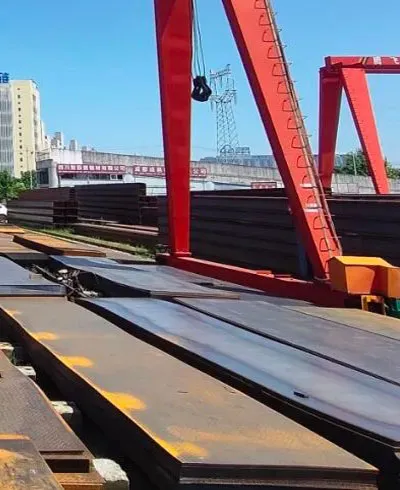
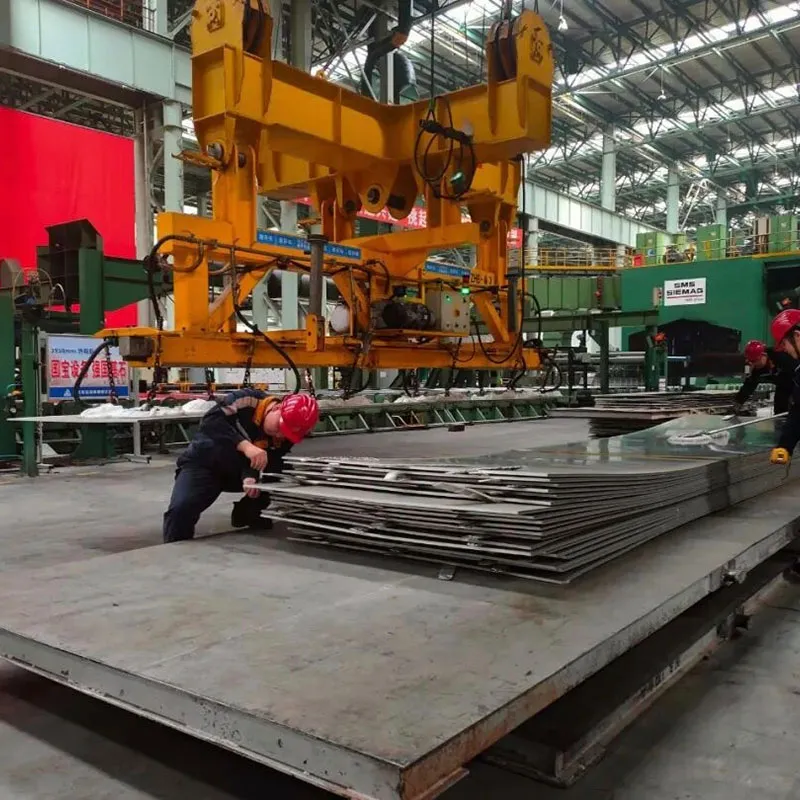
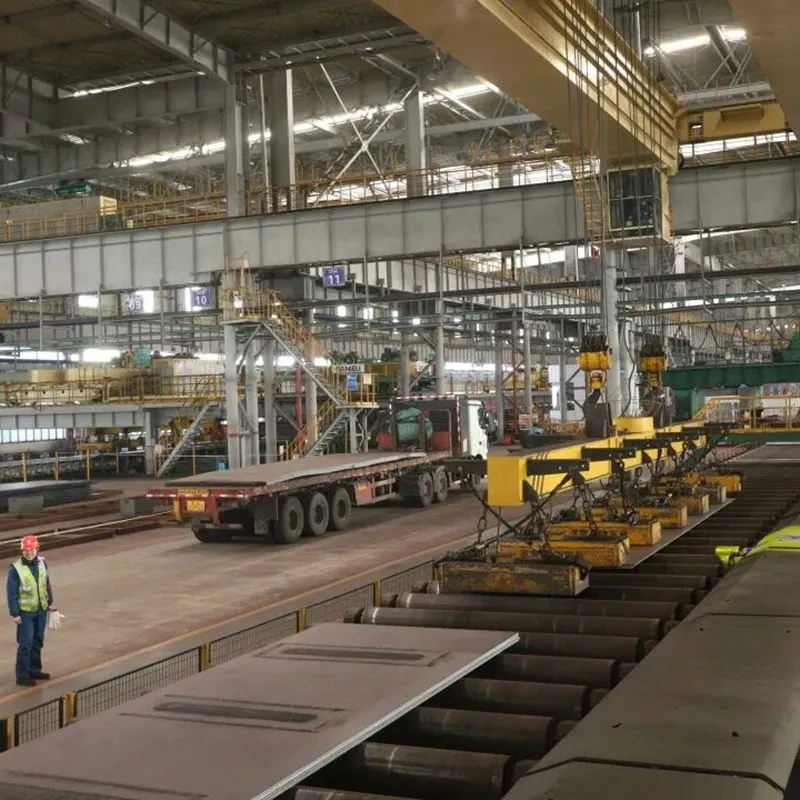
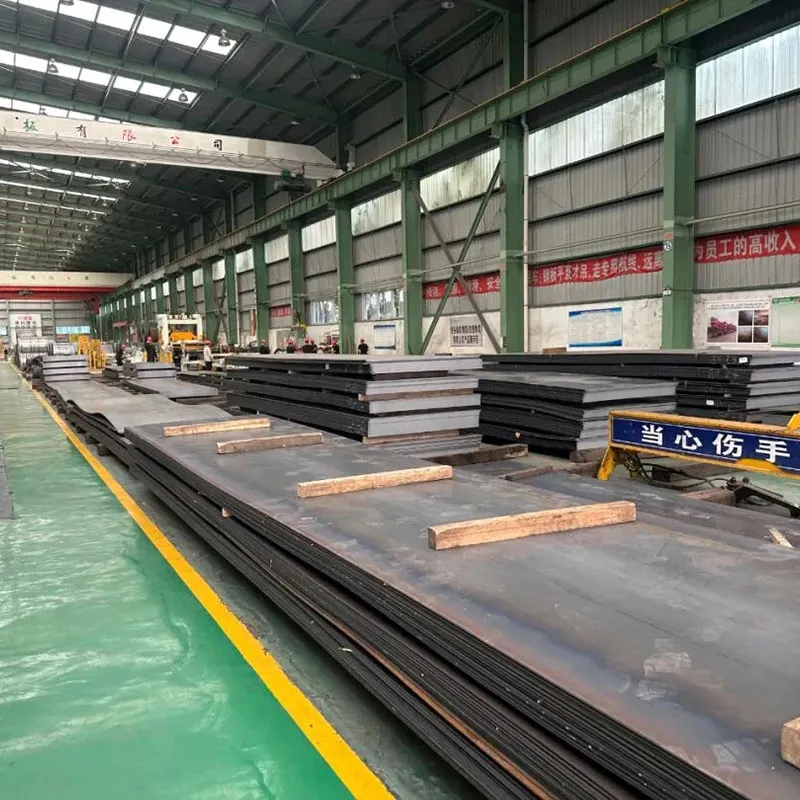
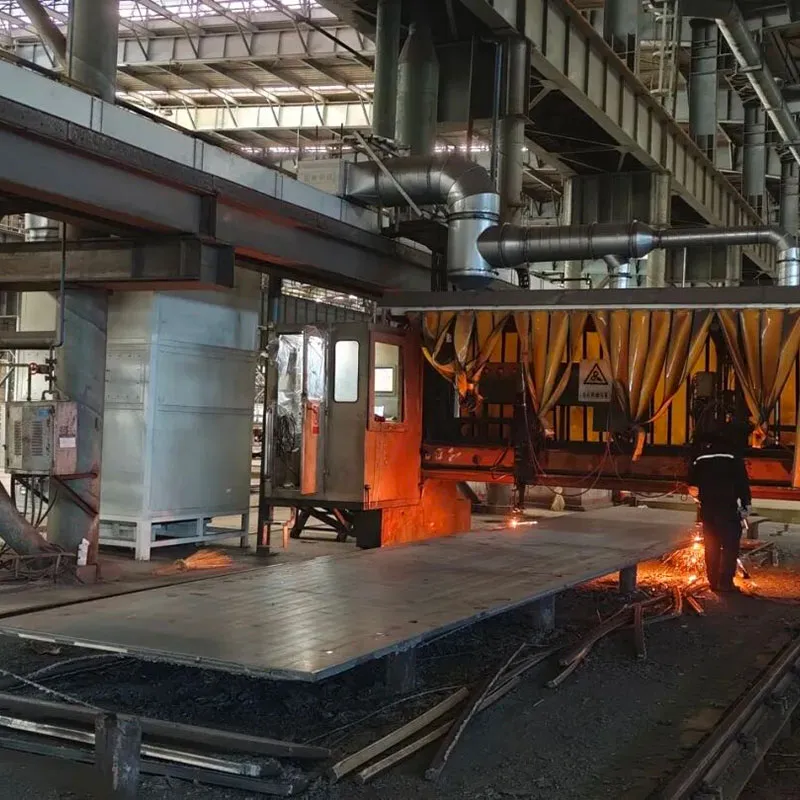
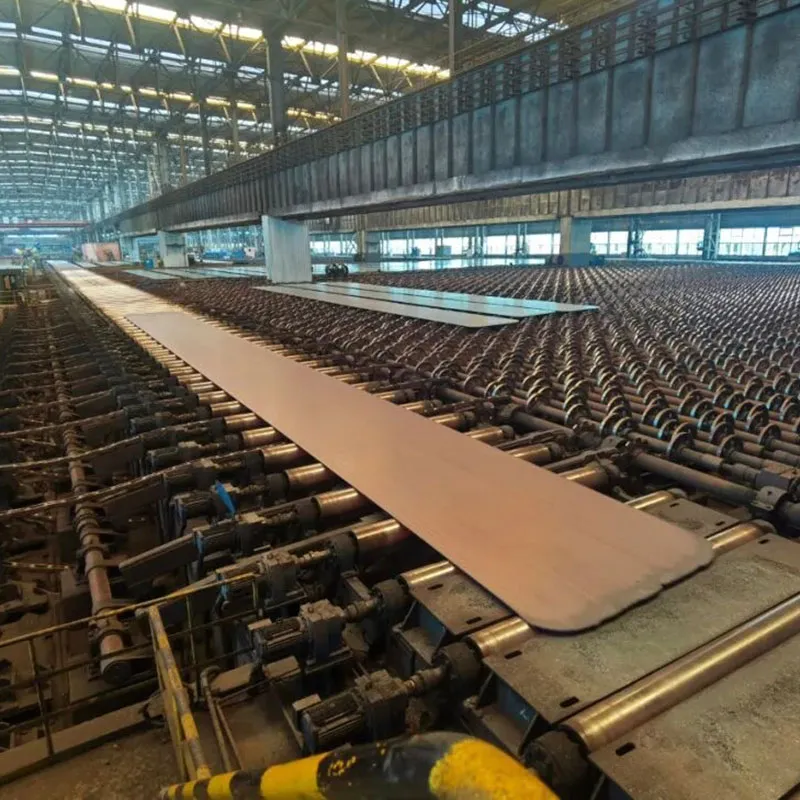
OurPressure Vessel Steel Platesare high-quality carbon and alloy steels specifically designed for the fabrication of airtight tanks, boilers, and heat exchangers. These plates are engineered to maintain structural integrity under intense internal pressure and varying temperature ranges. With low sulfur and phosphorus content and specialized heat treatments, our plates offer the notch toughness and weldability required for the world's most demanding industrial environments.
We provide a comprehensive range of boiler-quality plates that comply with international safety standards:
ASTM A516 / ASME SA516:The most popular choice for moderate and lower-temperature service.
Common Grades:Grade 60, Grade 65, Grade 70(Most common for high-tensile requirements).
ASTM A537 / ASME SA537:Heat-treated, carbon-manganese-silicon steel for pressurized tanks and structures.
Classes:Class 1 (Normalized), Class 2 (Quenched & Tempered).
ASTM A387 / ASME SA387 (Chrome-Moly):Alloy steel plates for high-temperature service.
Common Grades:Grade 5, Grade 11, Grade 12, Grade 22, Grade 91.
ASTM A285:Low and intermediate tensile strength carbon steel plates for fusion-welded pressure vessels.
EN 10028-2/3:European standard for pressure purposes (P265GH, P355NH, P355NL1).
We offer heavy-thickness plates and custom dimensions to minimize welding seams in large vessel construction:
|
Feature |
Specification Range |
|
Thickness (WT) |
2.0 mm - 200 mm (subject to grade, standard and delivery condition) |
|
Width |
1500mm, 2000mm, 2500mm, 3000mm, 3500mm |
|
Length |
6000mm to 12000mm (Up to 18000mm for specialized columns) |
|
Heat Treatment |
AR (As Rolled), N (Normalized), Q+T (Quenched & Tempered), SR (Stress Relieved) |
|
Edge Condition |
Mill Edge, Trimmed Edge, or CNC Beveled for welding |
Pressure vessel plates are essential for equipment operating under hazardous conditions:
Oil & Gas:Spherical storage tanks (LPG/LNG), separators, and crude oil distillation columns.
Petrochemical:Reactors, heat exchanger tube sheets, and high-pressure chemical storage.
Power Generation:High-pressure boilers, steam drums, and nuclear containment vessels.
Energy Storage:Compressed air energy storage (CAES) and hydrogen storage tanks.
Food & Pharmaceutical:Large-scale autoclaves and industrial sterilization tanks.
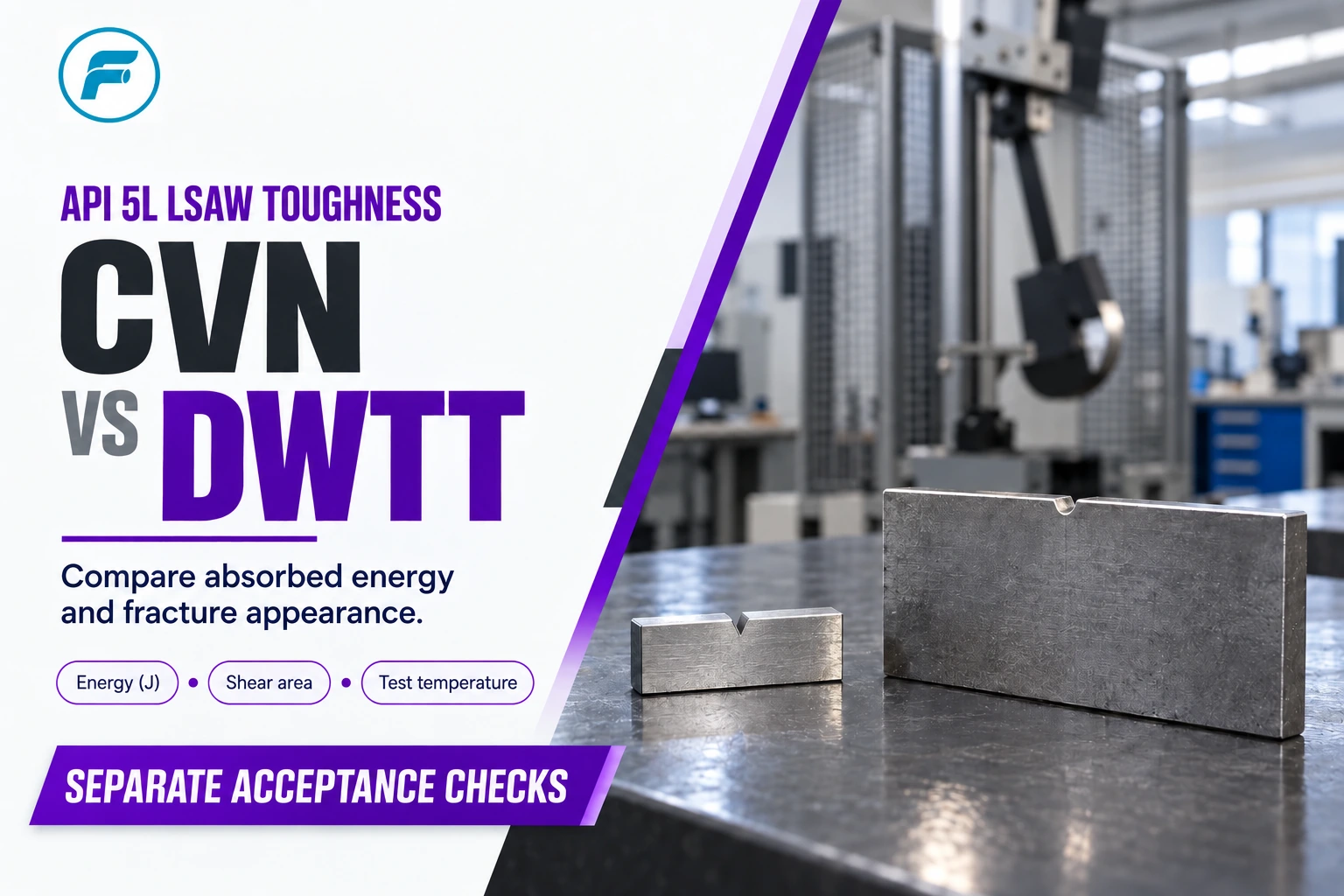
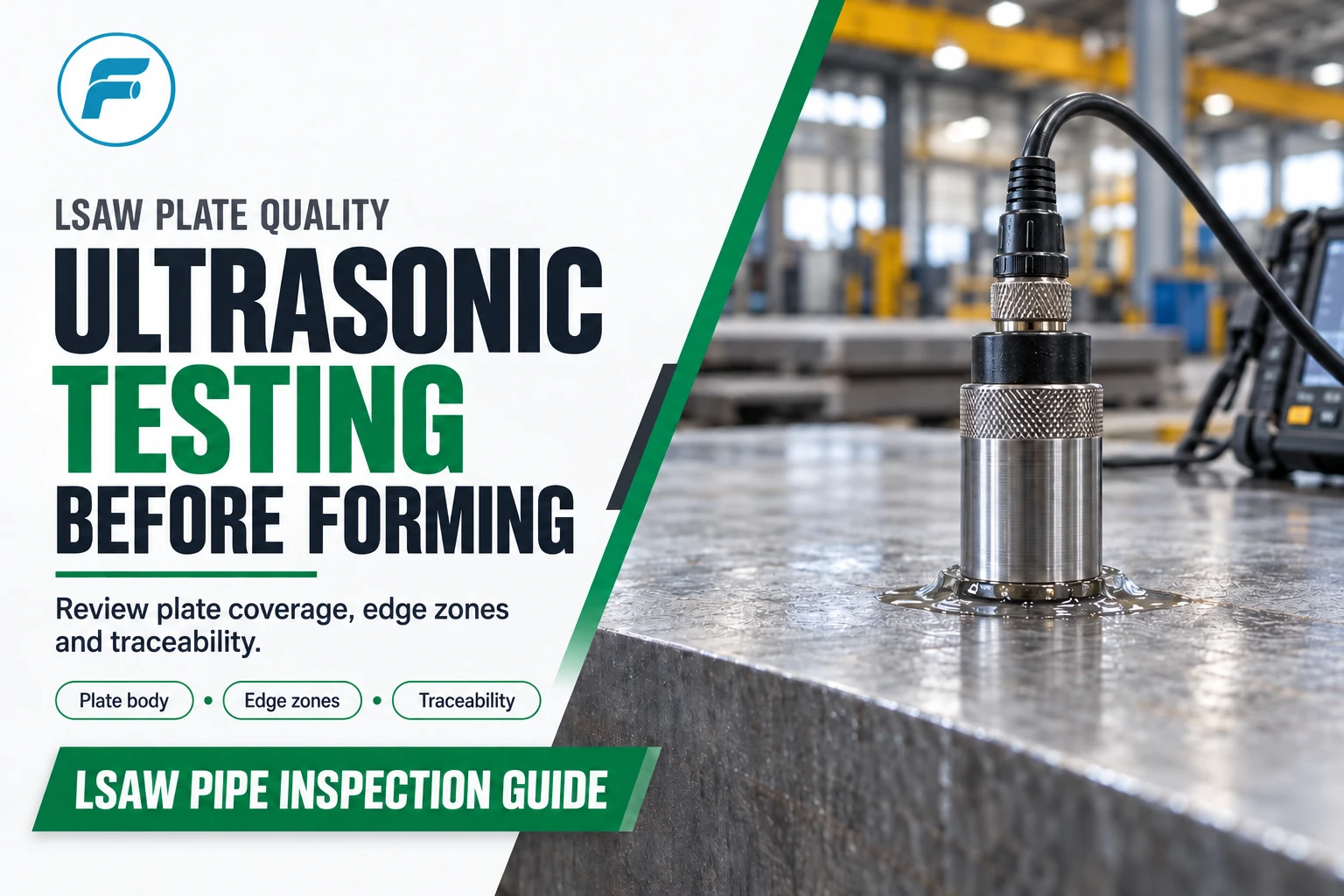
For pressure-vessel plate orders, confirm the inspection-document type and any specified plate ultrasonic testing. The LSAW guide below illustrates how to define plate UT scope; use the vessel project and ordered plate specification for acceptance criteria.
| Steel Grade | C (max) | Mn | P (max) | S (max) | Si |
| Grade 55 | 0.18 | 0.60 – 1.20 | 0.025 | 0.025 | 0.13 – 0.45 |
| Grade 60 | 0.21 | 0.60 – 1.20 | 0.025 | 0.025 | 0.13 – 0.45 |
| Grade 65 | 0.24 | 0.85 – 1.20 | 0.025 | 0.025 | 0.13 – 0.45 |
| Grade 70 | 0.27 | 0.85 – 1.20 | 0.025 | 0.025 | 0.13 – 0.45 |
| Steel Grade | C (max) | Si (max) | Mn | P (max) | S (max) | Al (min) | Cr/Ni/Mo |
| P235GH | 0.16 | 0.35 | 0.60 – 1.20 | 0.025 | 0.01 | 0.02 | ≤ 0.30 |
| P265GH | 0.2 | 0.4 | 0.80 – 1.40 | 0.025 | 0.01 | 0.02 | ≤ 0.30 |
| P295GH | 0.22 | 0.4 | 0.90 – 1.50 | 0.025 | 0.01 | 0.02 | ≤ 0.30 |
| P355GH | 0.22 | 0.6 | 1.10 – 1.70 | 0.025 | 0.01 | 0.02 | ≤ 0.30 |
| Application | International Standard | Common Material Grades |
| Structural / Construction |
ASTM A36
ASTM A572 AS/NZS 3678 |
Grade
36, Grade 50, Grade 60 S235JR, S275JR, S355JR/J0/J2 G250, G350, G450 |
| Pressure Vessel / Boiler |
ASTM A516 EN 10028 AS 1548 |
Gr.
60, Gr. 65, Gr. 70 P235GH, P265GH, P355GH PT430, PT460, PT490 |
| Shipbuilding / Offshore |
ASTM
A131 Class Societies |
Grade
A, B, D, E AH32, DH36, EH36 (ABS/BV/LR/DNV) |
| High Strength (HSLA) |
ASTM A514 EN 10025-6 |
Grade
Q, Grade S S690QL, S890QL, S960QL |
| Abrasion Resistant (AR) | Proprietary / ISO | AR400, AR450, AR500 (Hardness Brinell) |
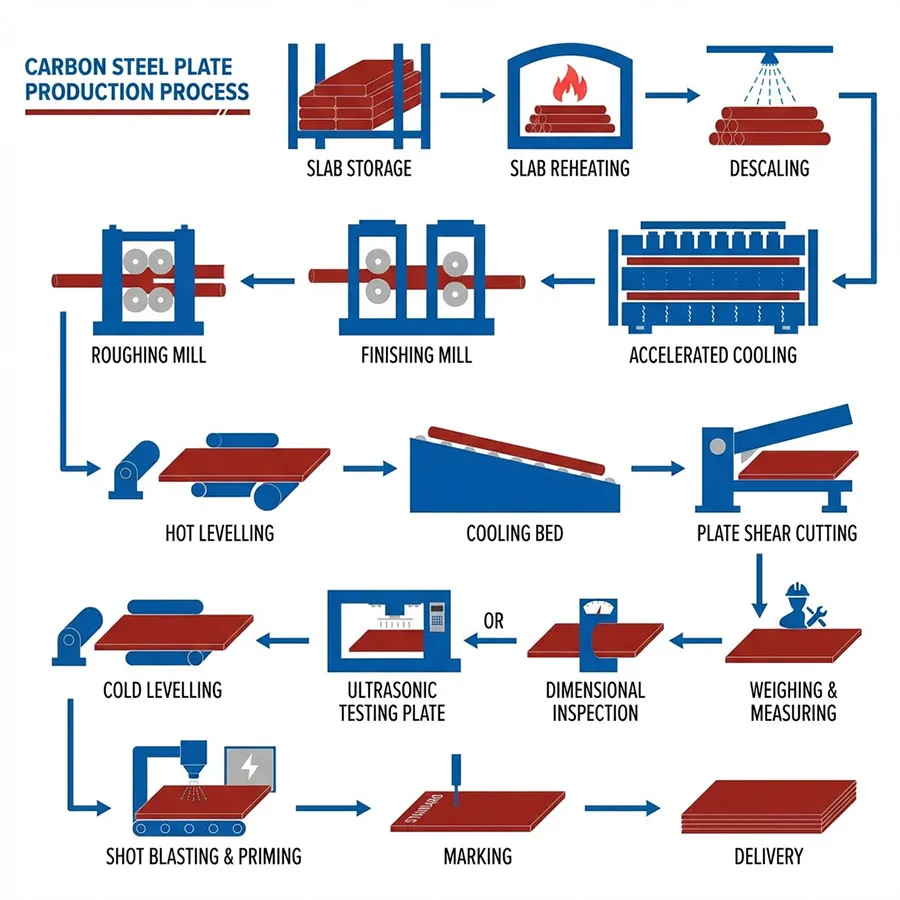
They usually make that move when design code, pressure service, or temperature duty changes the approval standard of the order. At that point, the plate is being bought for compliance as much as for fabrication. Typical applications include pressure vessel steel plate for boiler fabrication, ASTM A516 Grade 70 plate, and carbon steel plate for pressure tanks.
Because buyers are usually paying for code suitability, testing, heat treatment control, and stronger documentation. The commercial comparison is often inseparable from the approval path. This difference shows up clearly when buyers compare ASTM A516 Grade 70 pressure vessel plate with general carbon structural plate.
The most useful question is what code and operating temperature the equipment must satisfy. That usually narrows the grade family faster than looking at strength labels alone. That question is especially useful in boiler manufacturing, storage tank fabrication, and pressure equipment projects.
Approvals often slow on document review, heat treatment expectations, UT or impact testing scope, and whether the grade actually matches the design code. Those are common hold points. Delays are common in pressure vessel plate supply when code documents, heat treatment, and UT or impact testing are reviewed after pricing.