+8615674993216
 sales@forever-steels.com
 English
 العربية

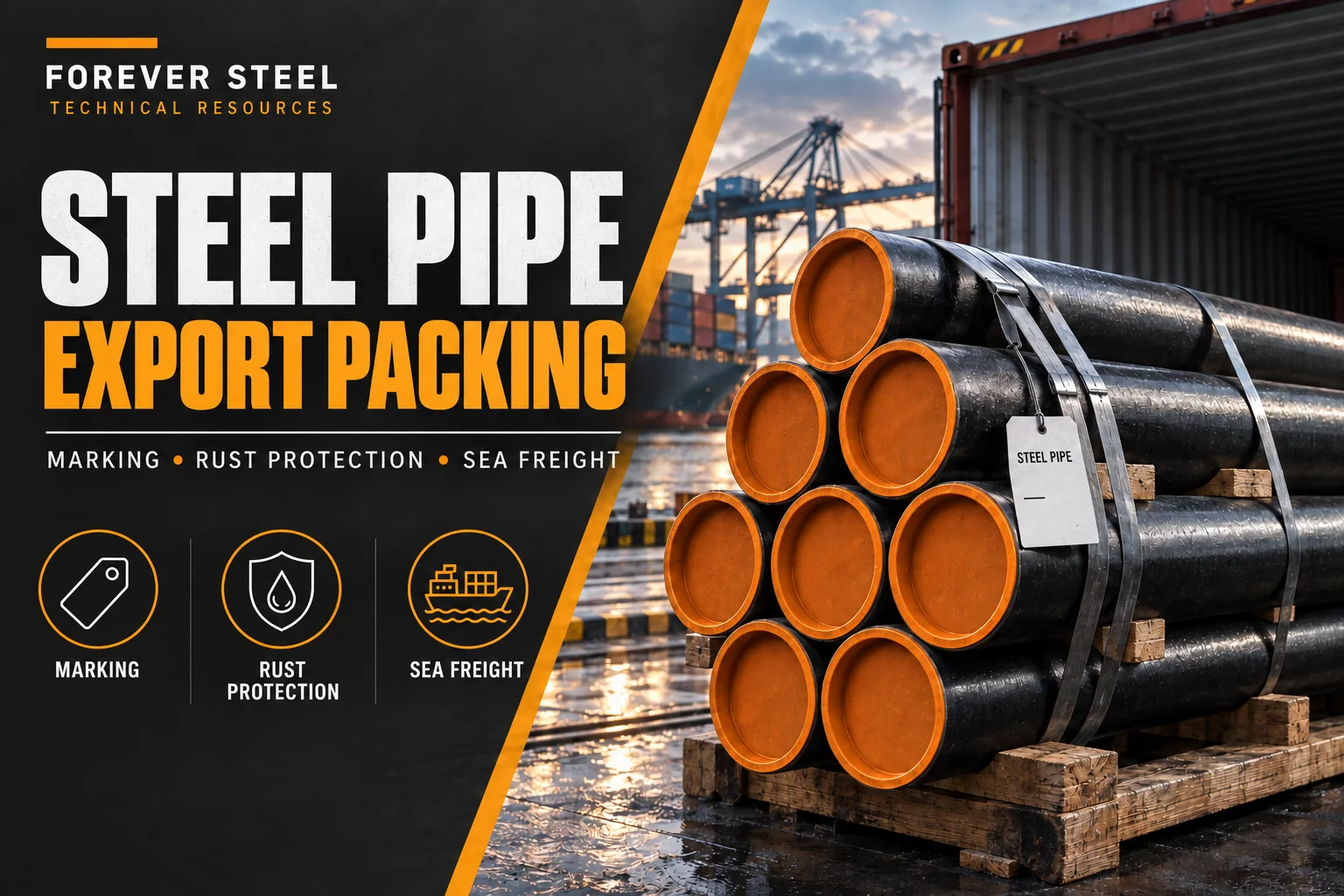
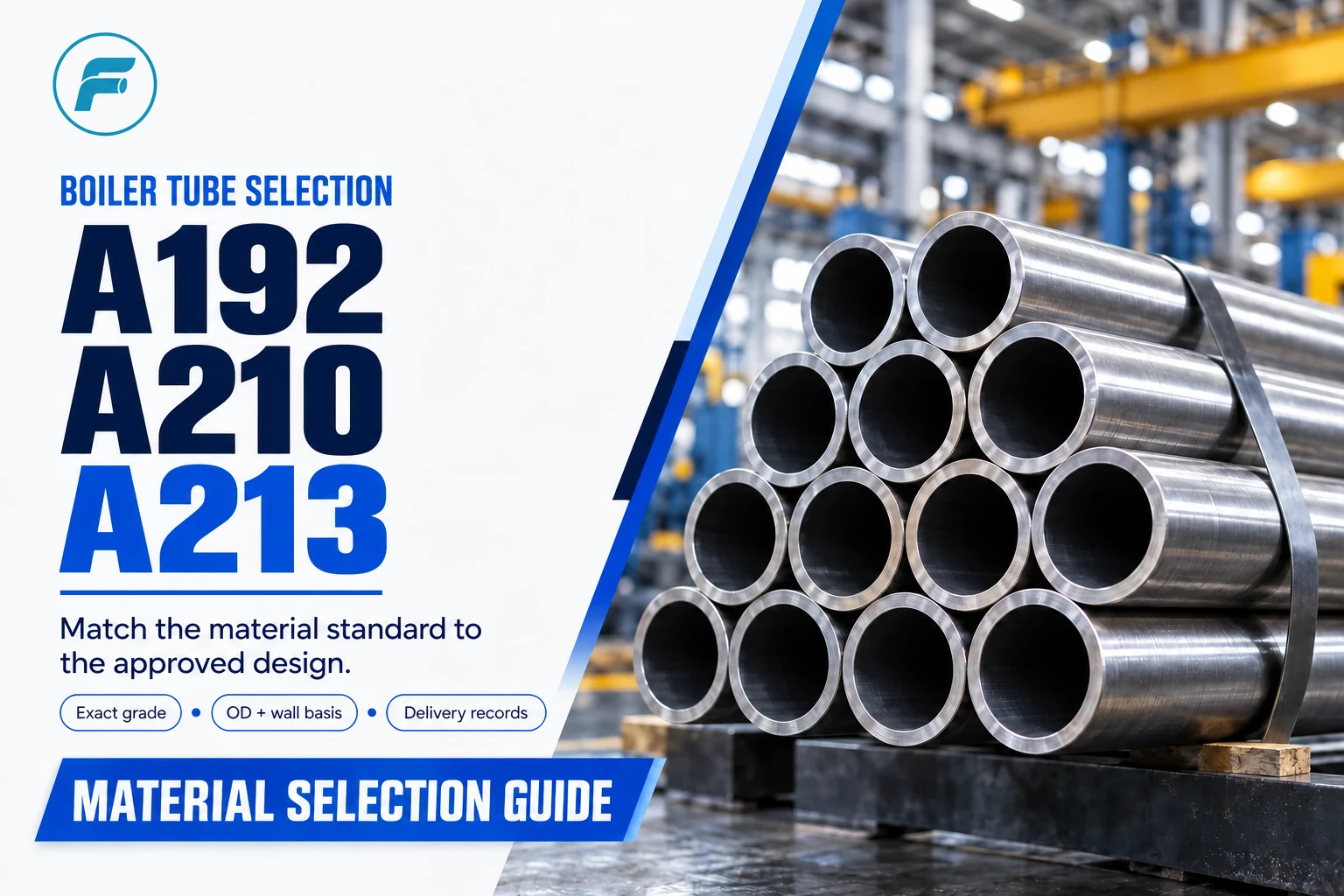
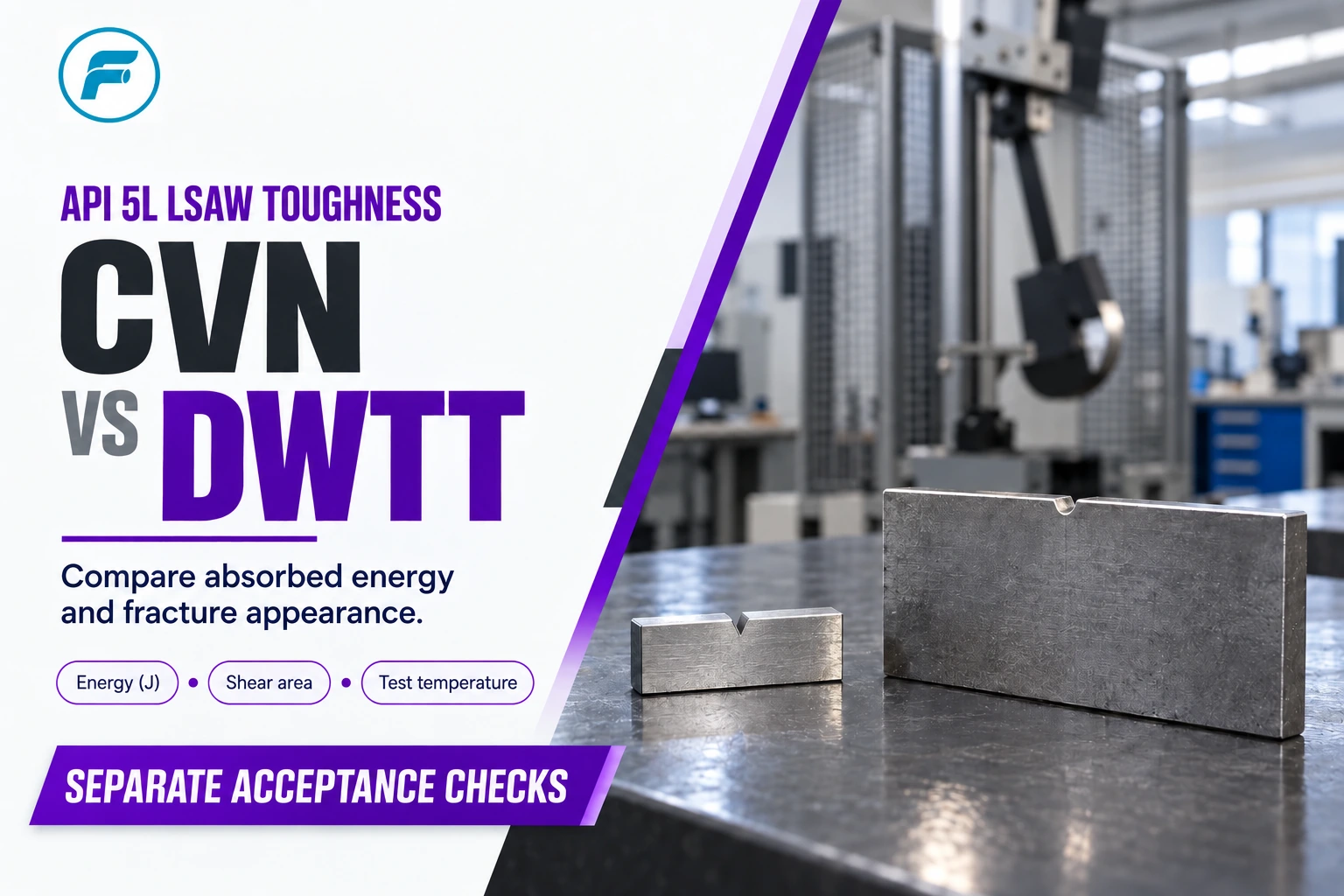
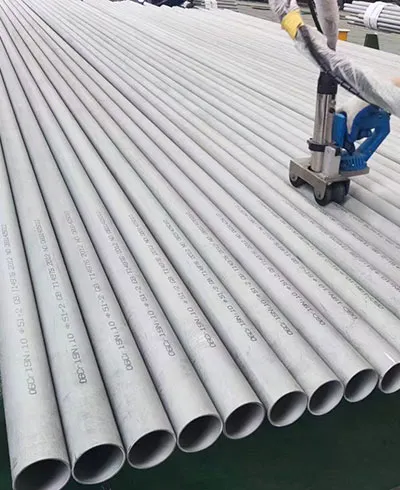
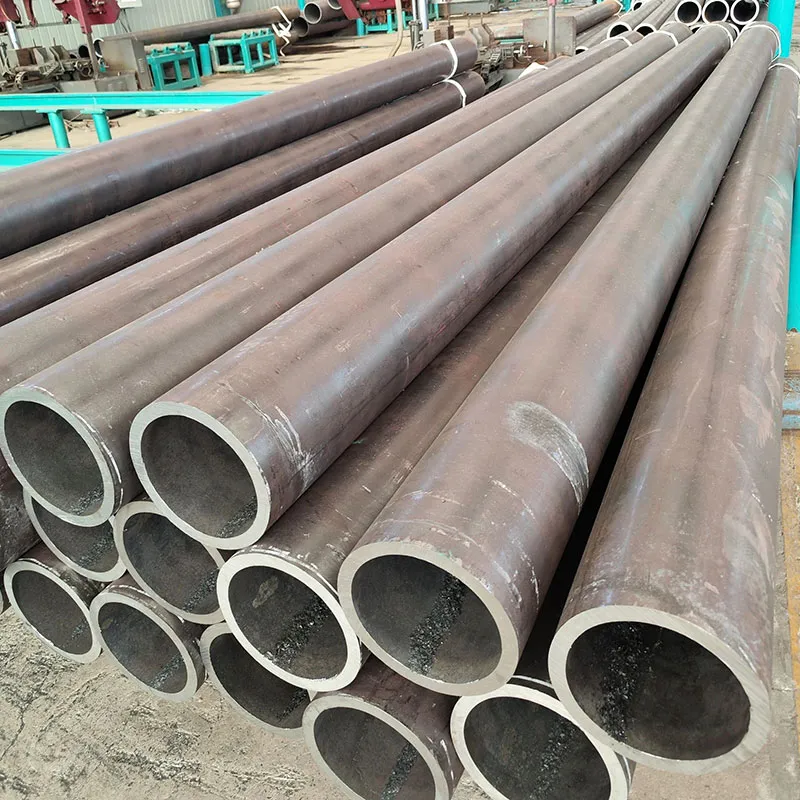
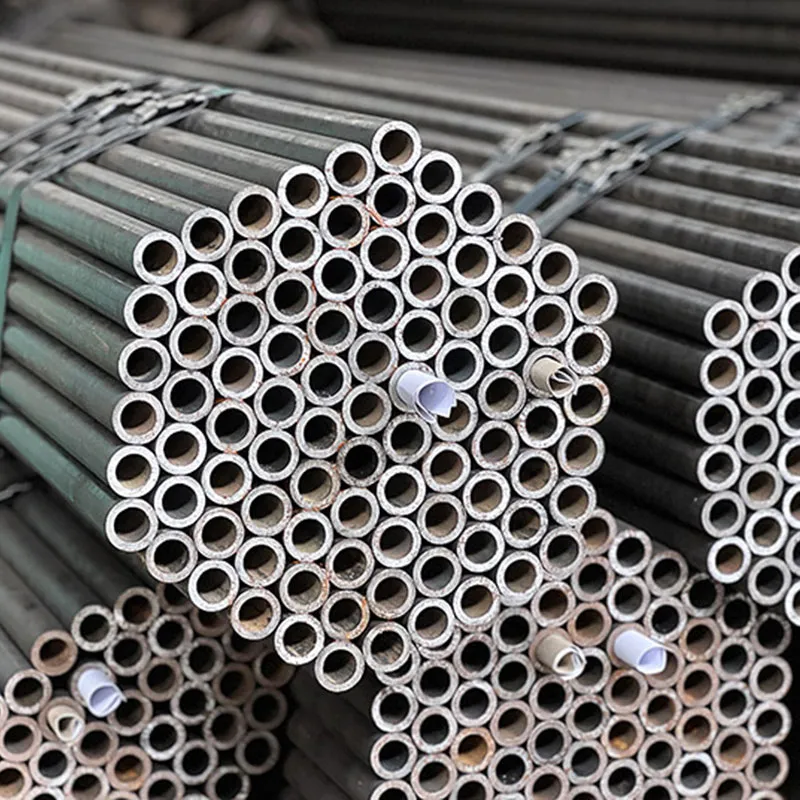
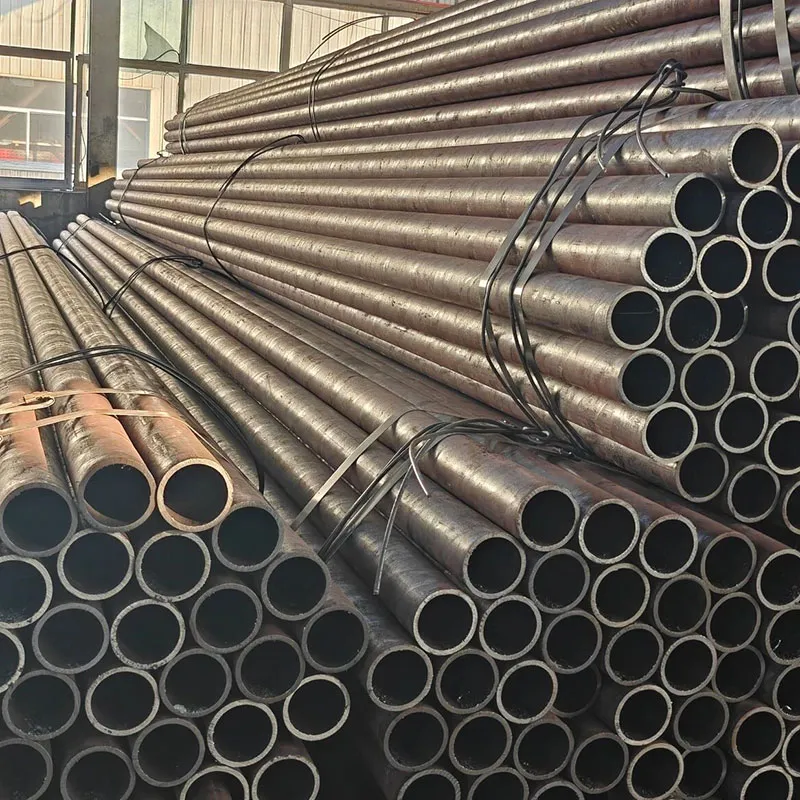
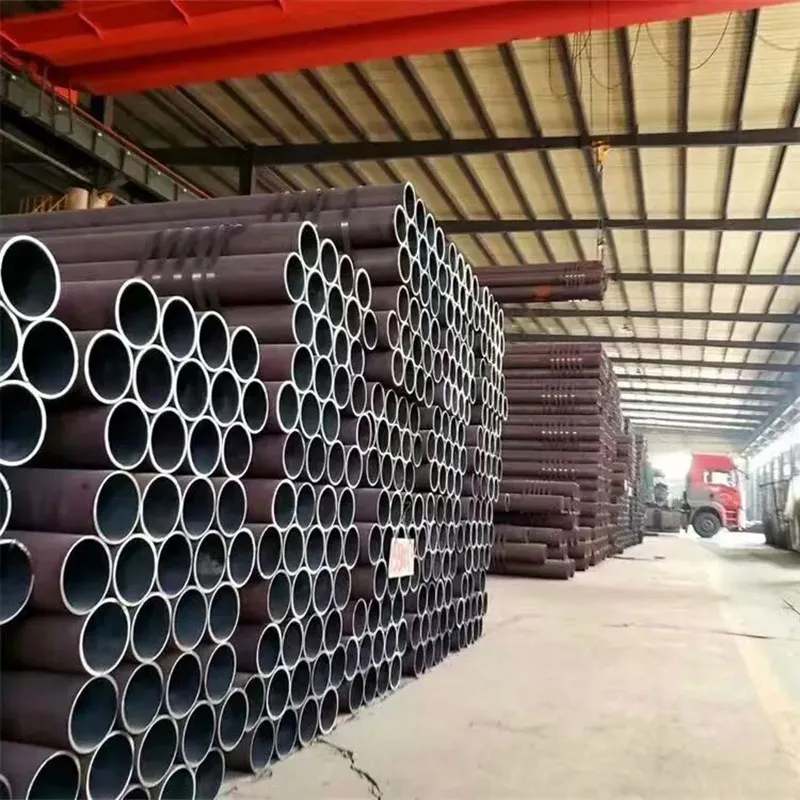
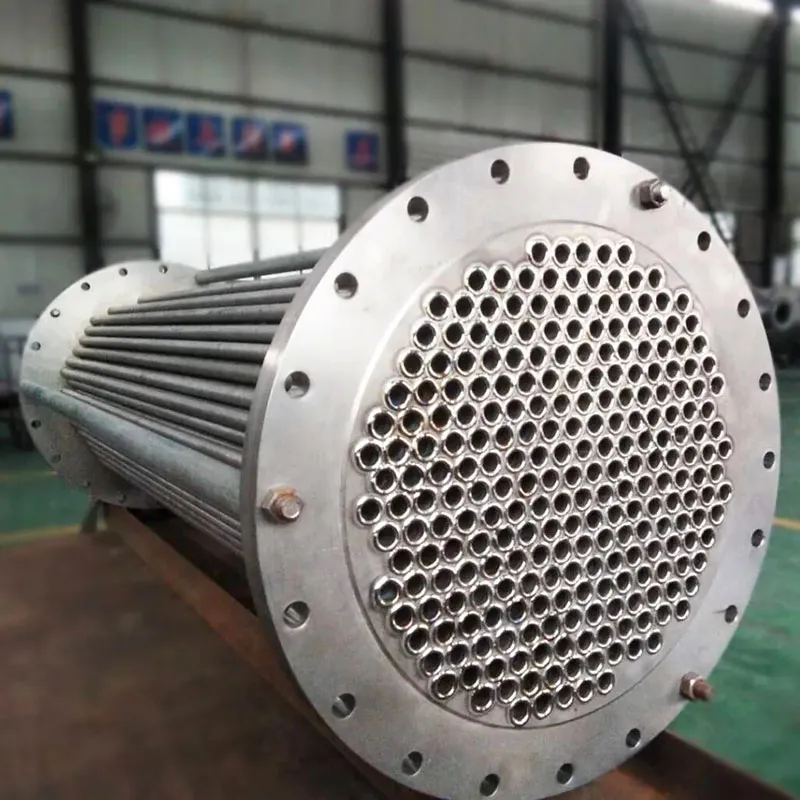
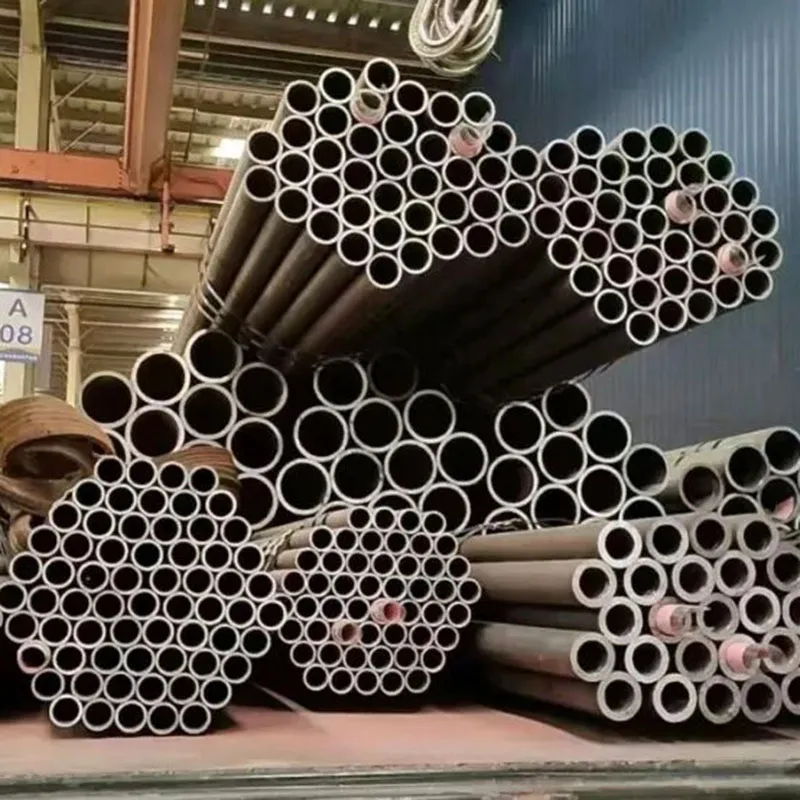
Heat exchanger tubes are used to transfer heat between fluids in condensers, boilers, evaporators and shell-and-tube heat exchangers. Forever Steel supplies seamless heat exchanger tubes in carbon steel, alloy steel and stainless steel grades, including ASTM A179, ASTM A214, ASTM A213, ASTM A249 and ASTM A269.
We offer a comprehensive selection of carbon, low-alloy, and stainless boiler tubes according to major international standards:
ASTM A192 (ASME SA192):The standard for seamless carbon steel boiler tubes for high-pressure service.
ASTM A210 (ASME SA210):Seamless medium-carbon steel boiler and superheater tubes (Grades A1 and C).
ASTM A213 (ASME SA213):Seamless ferritic and austenitic alloy-steel boiler and heat-exchanger tubes.
Popular Grades:T2, T11, T12, T22, T91, T92, TP304/L, TP316/L.
EN 10216-2:Seamless steel tubes for pressure purposes (Non-alloy and alloy steel with specified elevated temperature properties).
Grades:P235GH, P265GH, 16Mo3, 13CrMo4-5.
DIN 17175:Heat-resistant seamless steel tubes (GradesSt35.8, St45.8, 15Mo3, 13CrMo44).
Our boiler tubes are produced with precision tolerances to ensure perfect fitment within tube sheets and headers:
|
Feature |
Specification Range |
|
Outer Diameter (OD) |
1/2” to 7” (12.7mm – 177.8mm) |
|
Wall Thickness (WT) |
0.035” to 0.866” (0.9mm – 22mm) |
|
Length |
Fixed lengths up to 24m (ideal for long-distance heat exchangers) |
|
End Finish |
Square cut, beveled, or swaged ends |
|
Surface Condition |
Pickled, Polished, Bright Annealed, or Shot Blasted |
These pipes are critical for any system involving high-temperature fluid or gas transfer:
Power Plants:High-pressure boilers, superheaters, reheaters, and steam headers.
Petrochemical:Heat exchangers, condensers, and furnace tubes.
Waste-to-Energy:Thermal waste processing boilers and incinerators.
Marine Boilers:Steam propulsion systems and shipboard heating.
Pulp & Paper:Chemical recovery boilers and steam supply lines.
| Property | Minimum Requirement |
| Tensile Strength | 325 MPa (47 ksi) |
| Yield Strength | 180 MPa (26 ksi) |
| Elongation (in 2 in / 50mm) | 35% |
| Hardness (Rockwell B, max) | 77 HRB |
| Hardness (Brinell, max) | 137 HB |
| Element | Composition (%) |
| Carbon (C) | 0.06 – 0.18 |
| Manganese (Mn) | 0.27 – 0.63 |
| Phosphorus (P, max) | 0.035 |
| Sulfur (S, max) | 0.035 |
| Silicon (Si, max) | 0.25 |
| Test Name | Technical Requirement |
| Flattening Test | No cracks when flattened to a specified distance. |
| Flaring Test | Flare must expand the OD by a specific % without rupture. |
| Hardness Test | Conducted on 10% of all tubes to verify heat treatment. |
| Hydrostatic Test | 100% of tubes tested at pressure, or replaced by NDT (ET/UT). |
| Nominal Size (in) | Outside Diameter (OD) | Wall Thickness (WT) Options | ||
| Imperial (in) | Metric (mm) | Imperial (in) | Metric (mm) | |
| 5/8" | 0.625 | 15.88 | 0.035, 0.049, 0.065, 0.083 | 0.89, 1.24, 1.65, 2.11 |
| 3/4" (Most Common) | 0.75 | 19.05 | 0.035, 0.049, 0.065, 0.083, 0.095, 0.109 | 0.89, 1.24, 1.65, 2.11, 2.41, 2.77 |
| 7/8" | 0.875 | 22.23 | 0.049, 0.065, 0.083, 0.095, 0.109 | 1.24, 1.65, 2.11, 2.41, 2.77 |
| 1" (High-Flow/Fouling Service) | 1 | 25.4 | 0.049, 0.065, 0.083, 0.095, 0.109, 0.120 | 1.24, 1.65, 2.11, 2.41, 2.77, 3.05 |
| 1-1/4" | 1.25 | 31.75 | 0.065, 0.083, 0.095, 0.109, 0.120, 0.134 | 1.65, 2.11, 2.41, 2.77, 3.05, 3.40 |
| 1-1/2" | 1.5 | 38.1 | 0.065, 0.083, 0.095, 0.109, 0.120, 0.134, 0.156 | 1.65, 2.11, 2.41, 2.77, 3.05, 3.40, 3.96 |
| 2" | 2 | 50.8 | 0.083, 0.095, 0.109, 0.120, 0.134, 0.156, 0.188 | 2.11, 2.41, 2.77, 3.05, 3.40, 3.96, 4.78 |
| Abbr. | Corresponding | Application |
| A179 | ASTM A179 /A179M | Standard Specification for Seamless Cold-Drawn Low-Carbon Steel Heat-Exchanger and Condenser Tubes |
| A213 | ASTM A213 /A213M | Specification for Seamless Ferritic and Austenitic Alloy-Steel Boiler, Superheater, and Heat-Exchanger Tubes |
| A214 | ASTM A214 /A214M | Specification for Electric-Resistance-Welded Carbon Steel Heat-Exchanger and Condenser Tubes |
| A249 | ASTM A249 /A249M | Specification for Welded Austenitic Steel Boiler, Superheater, Heat-Exchanger, and Condenser Tubes |
| A498 | ASTM A498 /A498M | Specification for Seamless and Welded Carbon, Ferritic, and Austenitic Alloy Steel Heat-Exchanger Tubes with Integral Fins |
| A851 | ASTM A851 /ASME SA851 | Specification for High-Frequency Induction Welded, Unannealed, Austenitic Steel Condenser Tubes |
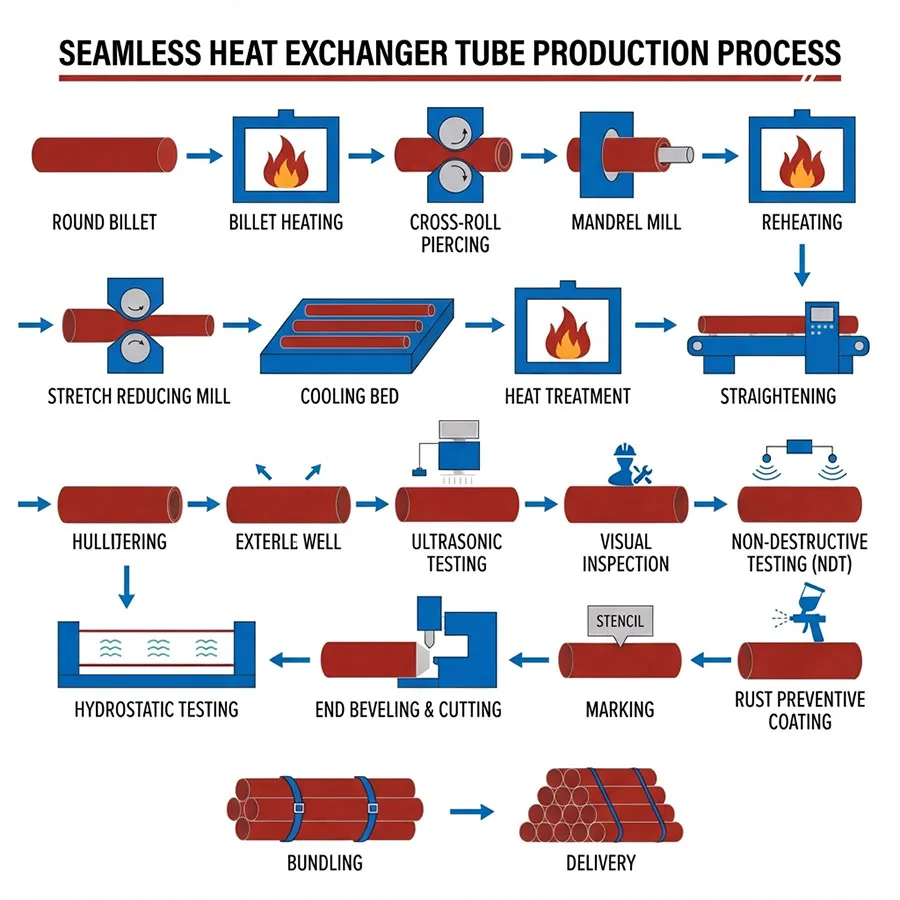
They should usually think about the service medium and failure risk before anything else. The right tube choice is often driven by corrosion and heat-transfer conditions rather than by size alone. Typical applications include heat exchanger tubes for condensers, boiler heat exchanger tubes, and ASTM A179 or stainless heat exchanger tubing.
Because buyers usually need clarity on testing, tube condition, length control, and whether the product is for new equipment, replacement bundles, or urgent shutdown work. Those details shape the offer more than buyers expect. That extra discussion is common in replacement heat exchanger tube bundles, condenser retubing, and shell-and-tube exchanger procurement.
A very useful question is whether the tube will work in a boiler, condenser, exchanger bundle, or process unit with known corrosion challenges. That immediately sharpens the material discussion. This question is especially useful for condenser tubes, boiler tubes, and process exchanger tubes in chemical plants and power stations.
Delays often come from uncertain testing scope, replacement-compatibility concerns, or late document requests. Buyers move faster when those points are known early. Delays are common in heat exchanger tube supply for shutdown maintenance projects where replacement compatibility and testing scope are confirmed late.