+8615674993216
 sales@forever-steels.com
 English
 العربية

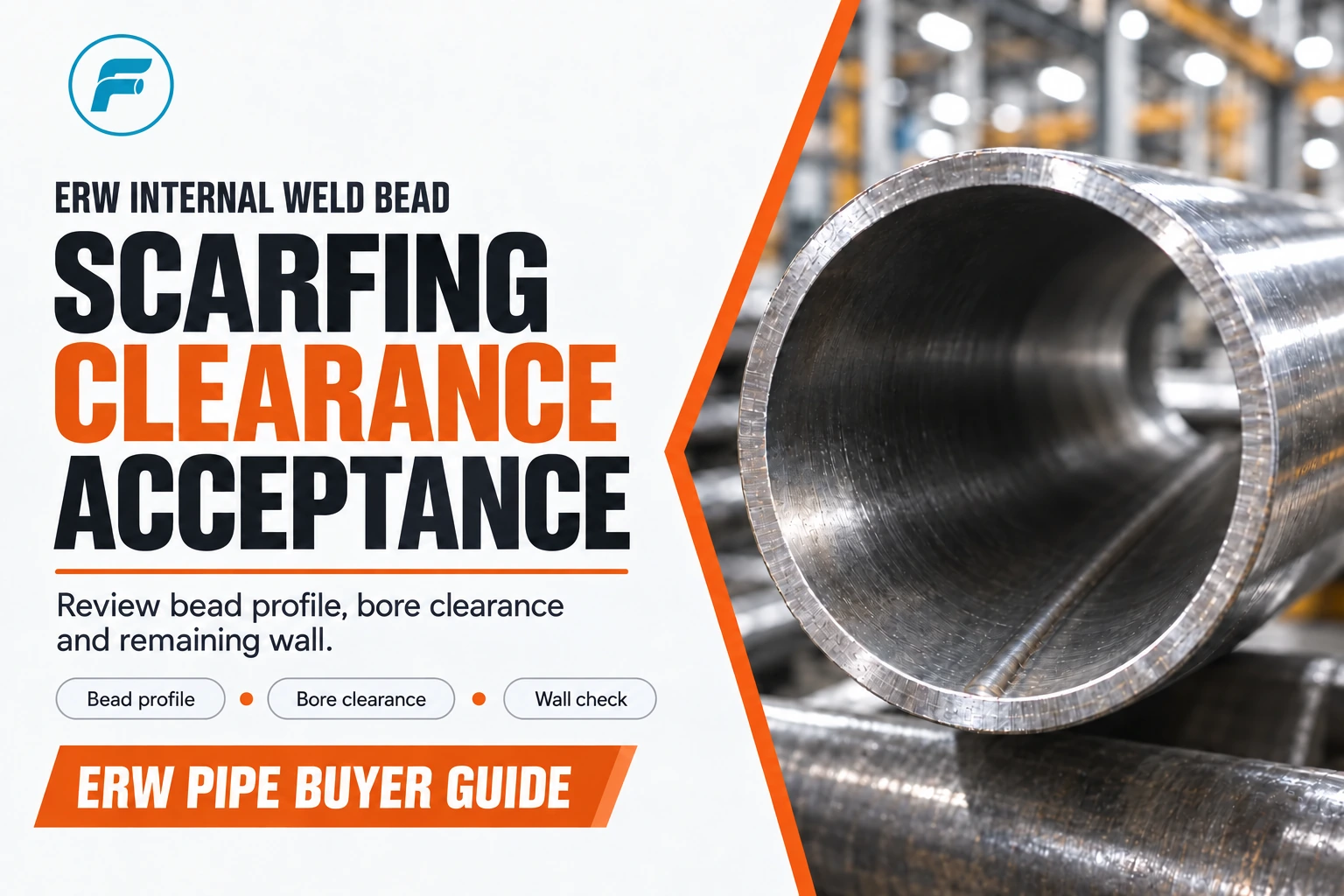
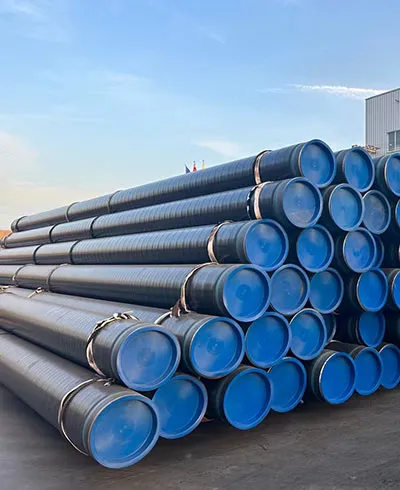
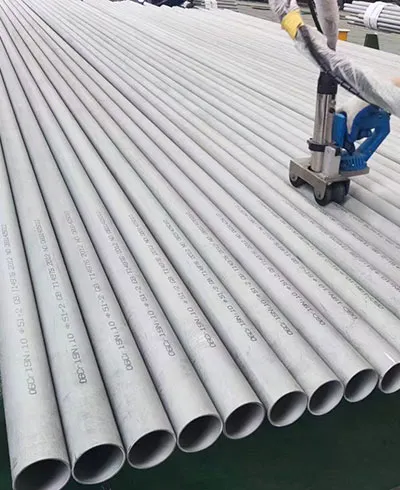
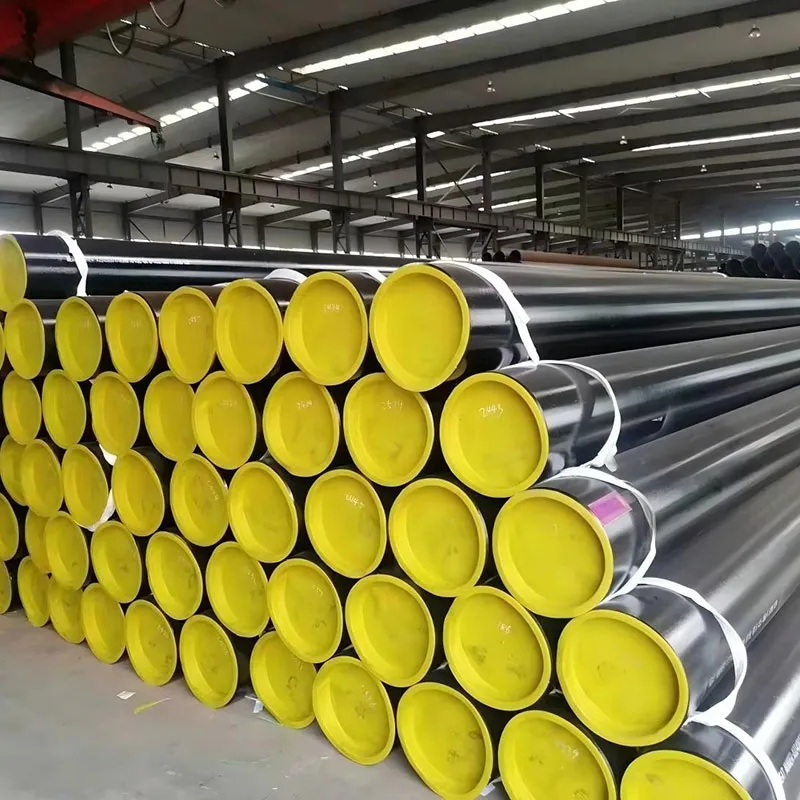
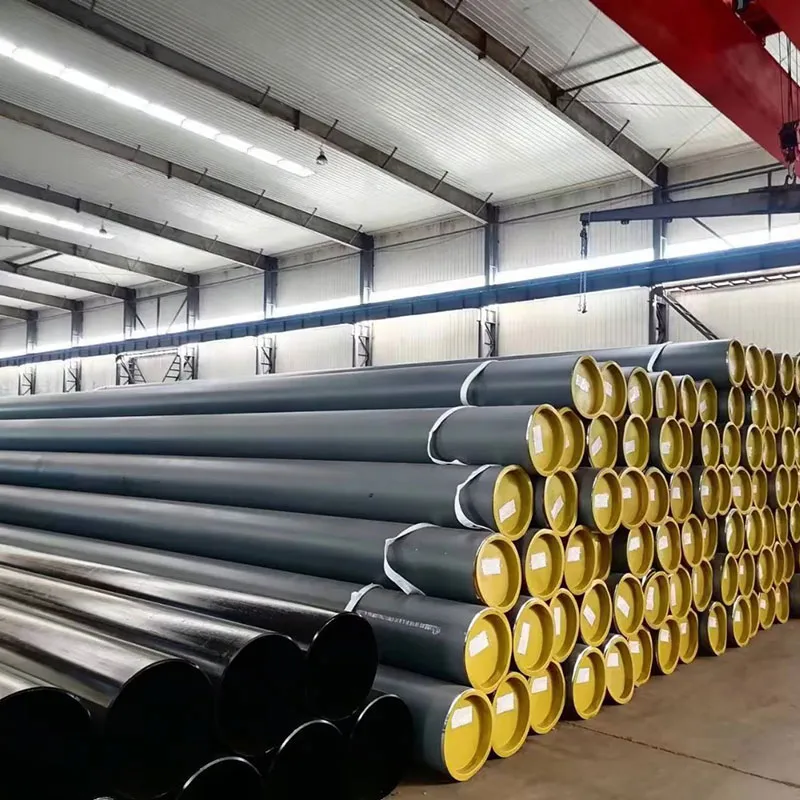
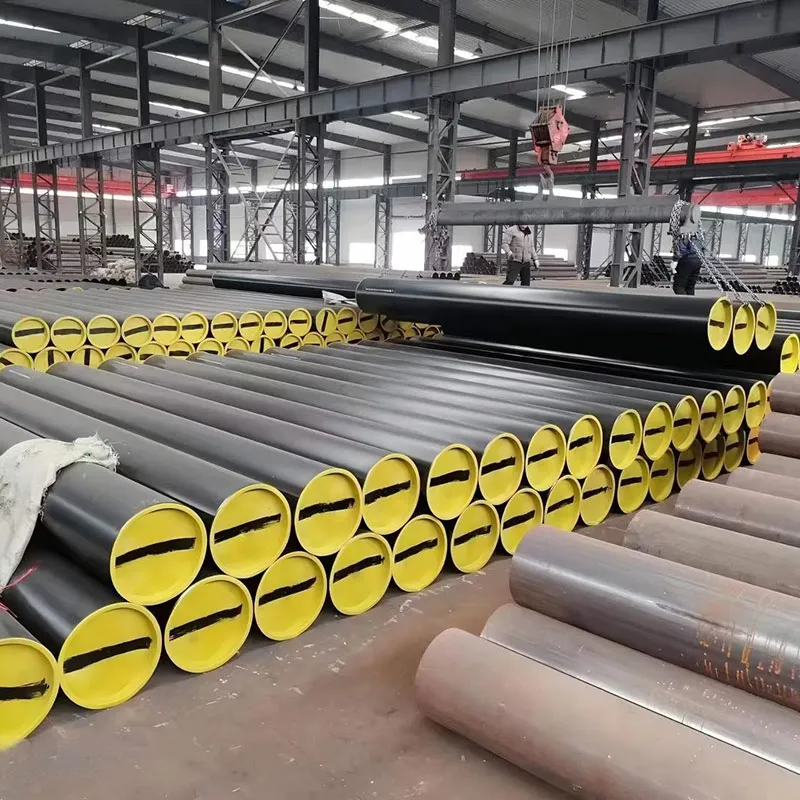
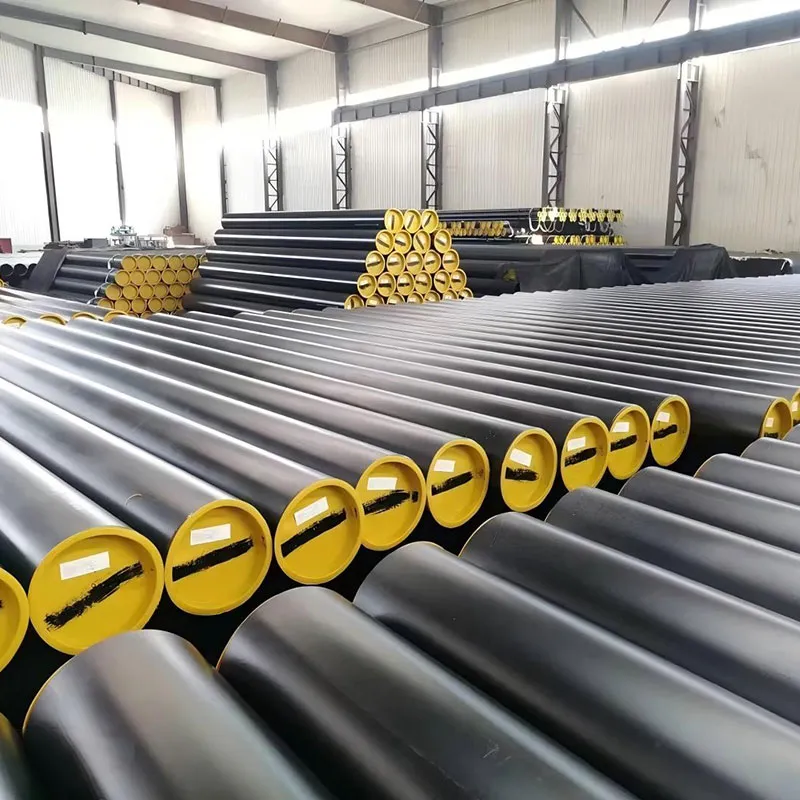
Forever Steel supplies electric resistance welded (ERW) steel pipe for projects that permit the specified welded manufacturing route. Select the governing standard, grade and service requirements first, then confirm the OD, wall thickness, length, weld-seam inspection and coating in the quotation.
Use the SCH 40 and SCH 80 pipe dimensions chart to check nominal wall thickness. A schedule is not a pressure rating or a guarantee of ERW availability. Where the specification requires a seamless route, see seamless steel pipe options.
Compare manufacturing routes before RFQ: use the ERW, seamless, LSAW and SSAW pipe decision guide to check service, size and wall range, weld inspection, availability and project approval before fixing the ERW route.
Outside Diameter (O.D.): 1/2" – 26" (21.3mm – 660mm)
Wall Thickness (W.T.): Confirm the exact OD/wall combination against the governing standard and quotation. Schedule availability varies by diameter and grade.
Pipe Length: 5.8-12 m; confirm the ordered length, tolerance and any custom-length requirement in the quotation.
We support multi-national standards to facilitate seamless integration into global supply chains:
|
Region / Standard |
Common Standards |
Available Steel Grades |
|
American (API/ASTM) |
API 5L (PSL1/PSL2), ASTM A53, ASTM A500 |
Grade B, X42, X46, X52, X56, X60, X70 |
|
European (EN/DIN) |
EN 10219, EN 10217, DIN 2458 |
S235JR, S275JR, S355J2H, P235TR1/TR2 |
|
Japanese (JIS) |
JIS G3444, JIS G3452 |
STK400, STK500, SGP |
|
Australian (AS/NZS) |
AS/NZS 1163, AS/NZS 1074 |
C250, C350, C450 |
|
German (DIN) |
DIN 1626, DIN 17120 |
St37.0, St44.0, St52.0 |
To ensure efficient on-site installation, we offer professional end finishing:
Bevelled Ends:Standard 30° (+5°/-0°) with 1.6mm root face (per ANSI B16.25) for easy welding.
Plain Ends:Square cut for structural use or socket welding.
Threaded & Coupled (T&C):Precise threading according to API 5B or ASTM standards.
Grooved Ends:Suitable for rapid mechanical coupling systems.
Customized coating solutions to protect against atmospheric and soil corrosion:
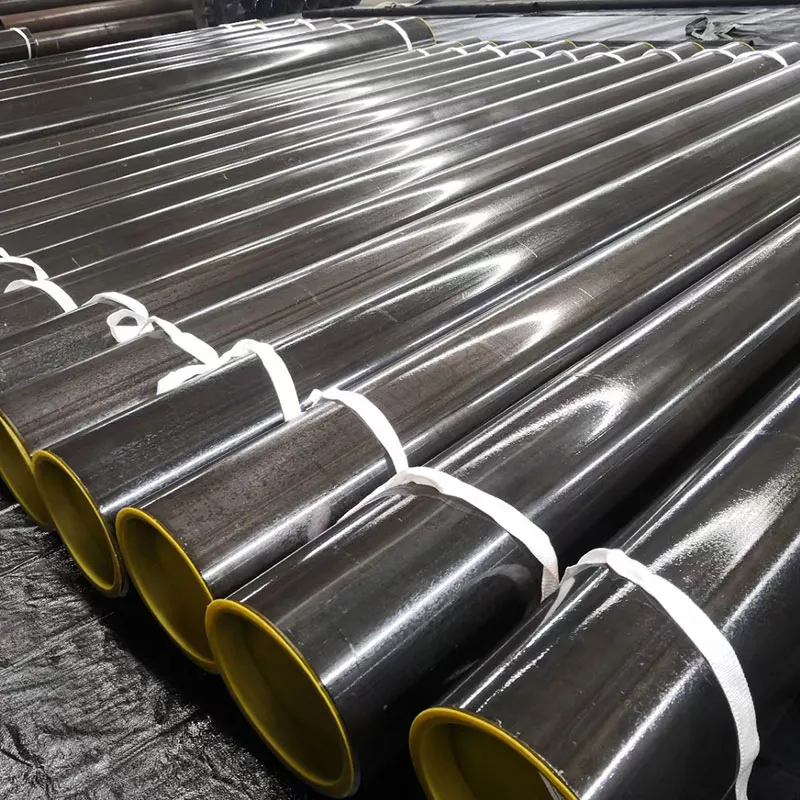
Temporary Protection:Black Varnish painting or Light Oiling.
High-Durability Coating:Hot-Dipped Galvanized (HDG) – Zinc coating up to 500g/m².
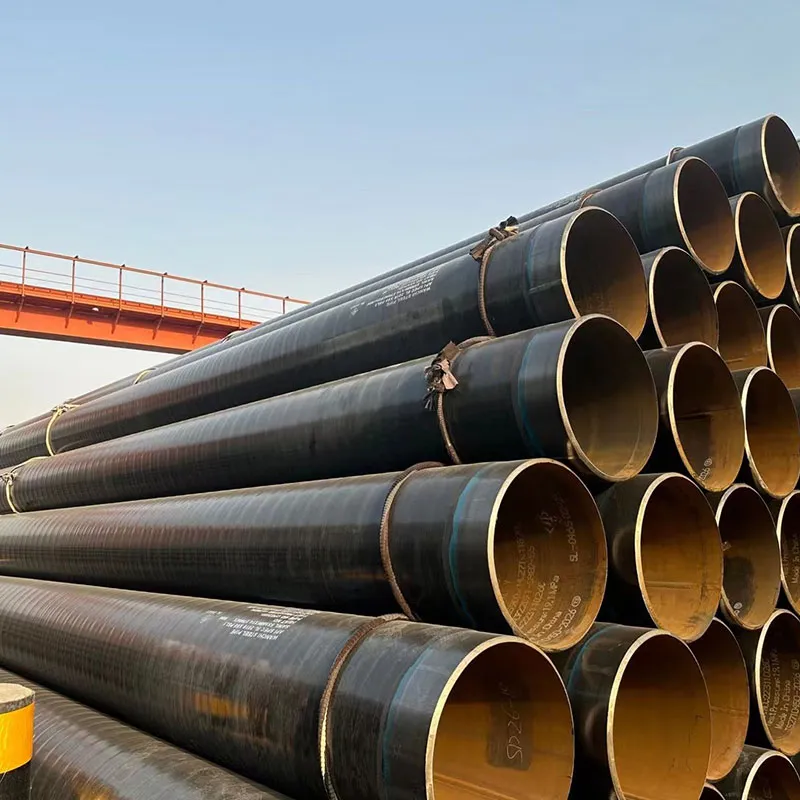
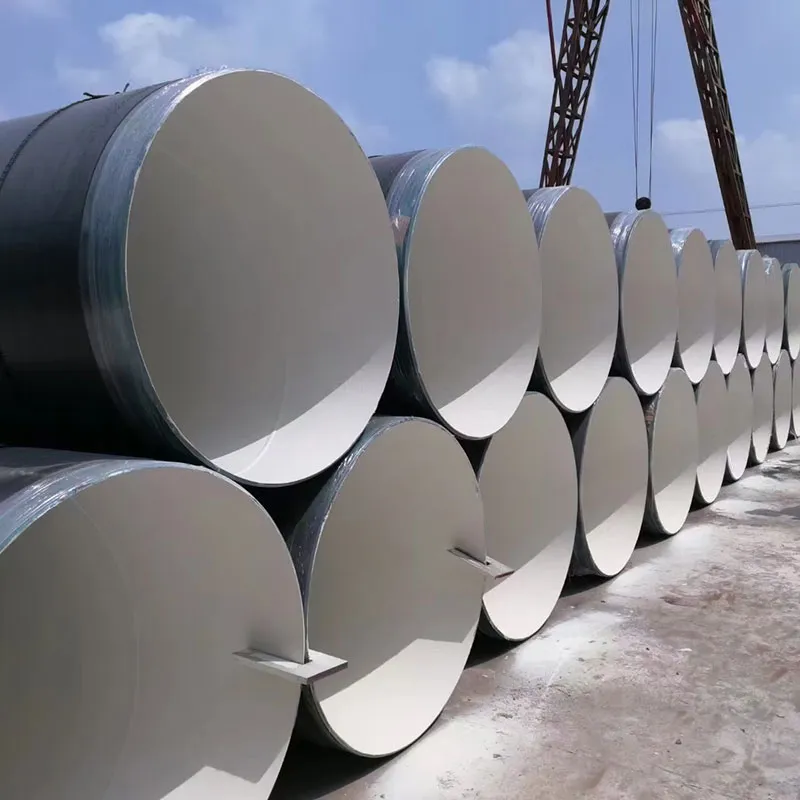
Advanced Anti-Corrosion: 3PE (Three-Layer Polyethylene), FBE (Fusion Bonded Epoxy), or 3PP coating for underground burial.
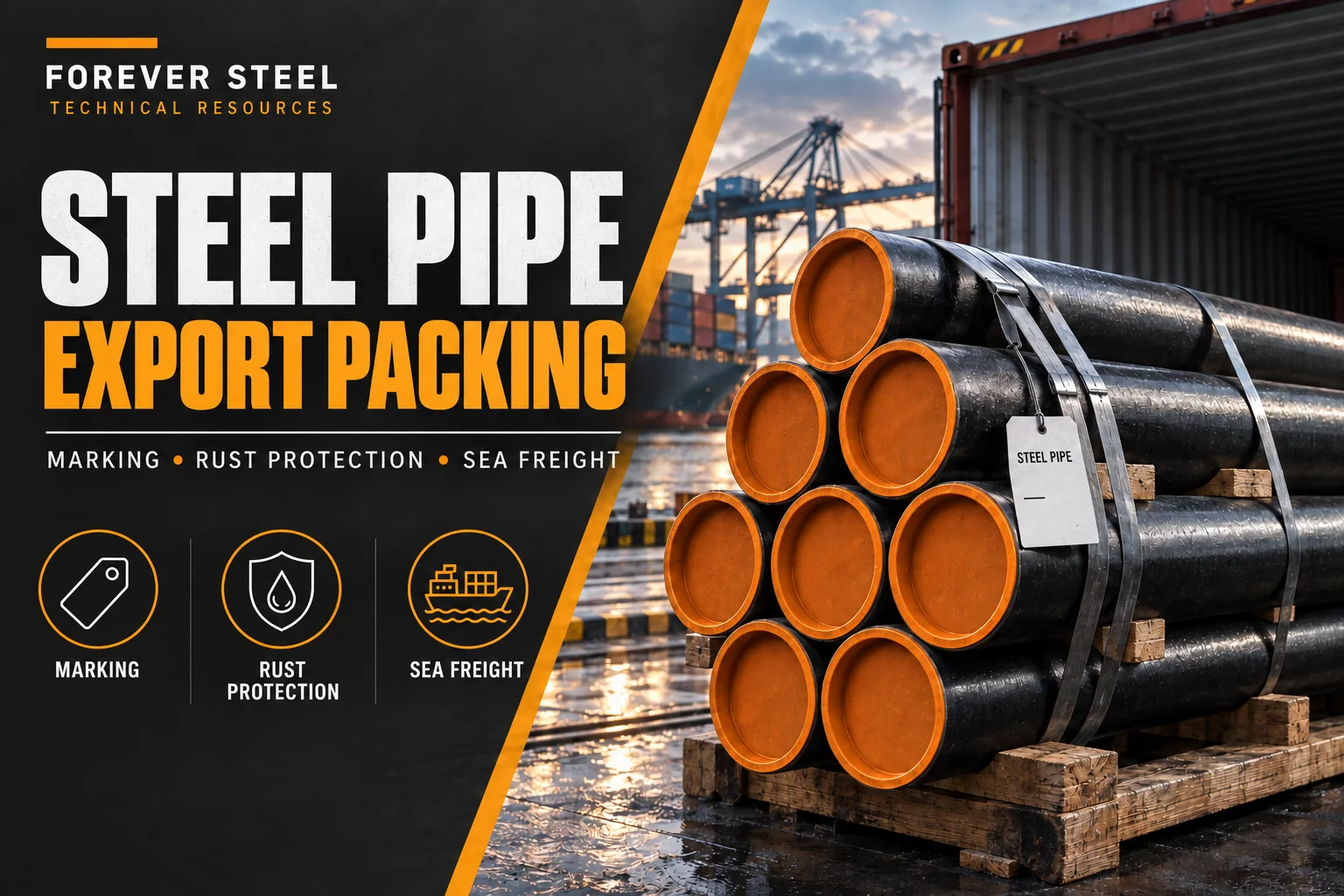
We understand that long-distance international shipping requires superior packaging to prevent damage:
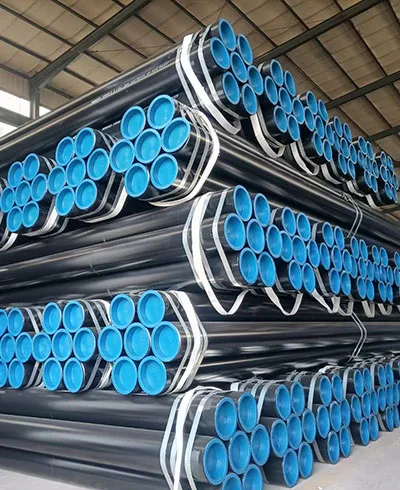
Hexagonal Bundling:Small diameter pipes are bundled with high-tensile steel strips and heavy-duty nylon lifting slings.
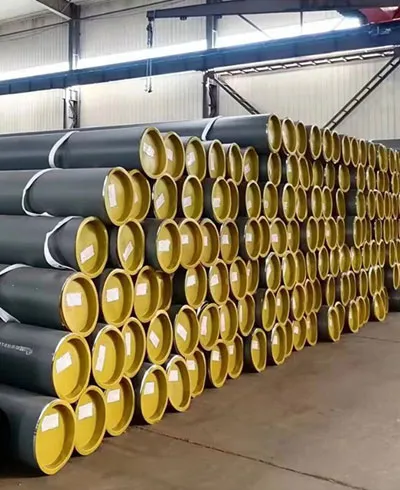
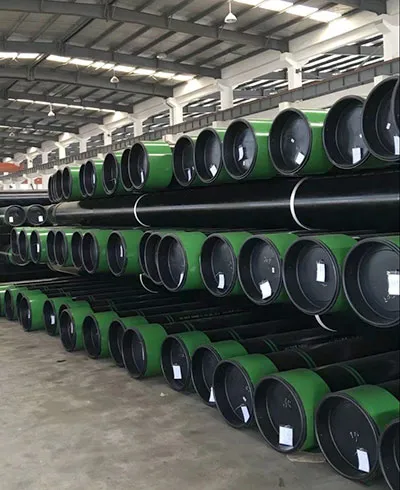
End Protection:Heavy-duty plastic caps or metal ring protectors to safeguard bevels and threads.
Sea-Worthy Marking:Each pipe is stenciled with Heat No., Size, Grade, Standard, and Manufacturer Logo(Customized marking supported).
Loading Precautions:
Use of wooden dunnage and rubber separators to prevent steel-on-steel friction.
Rigid bracing and lashing within containers or bulk vessels to prevent shifting during transit.
Mill Test Certificate (MTC):Issued according to EN 10204 3.1 or 3.2.
Third-Party Inspection:We welcome and facilitate inspections by SGS, BV, TUV, or Lloyd's Register.
Testing Protocol: Hydrostatic testing, weld-seam UT/ET or other NDT, and flattening/bending tests are performed when required by the governing standard, purchase order and approved inspection and test plan (ITP).
ERW pipe should be selected by service, governing standard, weld-seam requirements and the feasible OD/wall-thickness combination—not by price or diameter alone. Confirm whether the purchase specification calls for ERW, HFW or another welded route, because terminology and acceptance requirements vary by standard and edition.
| Project need | When ERW may fit | Evidence to confirm before order |
| API 5L line pipe | Efficient production for compatible line-pipe sizes and grades when the project accepts the specified ERW/HFW route. | API 5L edition, PSL, grade, product specification level, service conditions, toughness/NDT clauses and approved manufacturing procedure. |
| Water, gas or general pressure service | Commonly considered where ASTM A53, EN 10217 or another applicable pressure-pipe standard permits electric-welded pipe. | Exact standard and grade, design pressure/temperature, hydrotest requirement, end preparation, coating/lining and regulatory approvals. |
| Structural tube or piling | Suitable when dimensional consistency, production length and project economics are important. | Structural standard, section/pipe designation, OD, nominal and design wall thickness, straightness, end condition, weld acceptance and load basis. |
| Heavy wall, severe service or restricted route | Compare seamless, LSAW or another approved route rather than assuming ERW is interchangeable. | Route feasibility, sour/low-temperature service, CVN/HIC/SSC requirements when specified, wall-thickness capability and owner approval. |
| Define in the RFQ | Why it matters |
| Standard and edition; grade; PSL or delivery condition where applicable | Prevents quotations based on different technical baselines. |
| ERW/HFW route; OD; wall thickness or schedule; length and quantity | Confirms the exact size-route combination and production feasibility. |
| Service medium; design conditions; low-temperature, sour or other supplementary requirements | Triggers the necessary material, toughness, corrosion and inspection review. |
| Ends, coating/lining, cutback, marking, packing and delivery terms | Aligns fabrication and shipment scope before price comparison. |
| Hydrotest/NDT scope, MTC type, inspection documents and third-party witness points | Makes acceptance evidence part of the order rather than an assumption after production. |
Published ranges are quotation starting points. Final availability and acceptance depend on the exact standard edition, grade, dimensions, service conditions and approved inspection plan.
· ERW Weld Seam Heat Treatment: HAZ, Hardness and Record Review
· ASTM A53 Type E vs EN 10217-1 vs API 5L HFW: ERW Selection
· Weld Seam Inspection for ERW, LSAW and SSAW Pipes
· Passed 100% NDT? What UT and RT Actually Prove About the Weld
· ASTM A795 vs ASTM A53 Fire Sprinkler Pipe: ERW and Galvanized Options
Steel Pipe Tolerance Guide: What Buyers Must Check Before Order, During Production and Before Shipment
ERW steel pipes are engineered to deliver reliability across diverse and demanding environments:
A primary solution for the gathering and transmission of crude oil, natural gas, and refined petroleum. ERW pipes are highly valued in the energy sector for their balance of high tensile strength and economic viability.
Essential for large-scale municipal water supply systems, irrigation networks, and sewage treatment facilities. Their compatibility with various anti-corrosion linings ensures a long service life in underground environments.
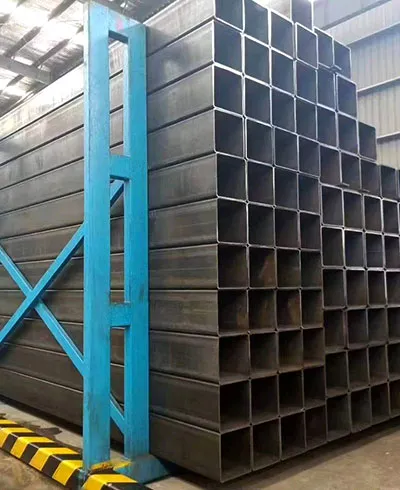
Extensively utilized in the construction of airports, stadiums, and high-rise buildings as structural hollow sections (HSS). They offer excellent load-bearing capabilities for piling, trusses, and decorative architectural frameworks.
The industry standard for fire-protection sprinkler systems and low-pressure steam/air conveyance. Their durability ensures system integrity during critical emergency responses.
High-precision ERW tubes are vital components in the automotive industry (chassis and steering columns) and the manufacturing of heavy-duty machinery, rollers, and conveyor systems.
The selected diameters below are RFQ reference sizes, not a complete capacity or stock list. Published OD scope is 1/2-26 inches; sizes not listed below require quotation confirmation. Length: 5.8-12 m, with custom requirements subject to confirmation. Do not assume every schedule is available at every diameter.
| Outer Diameter (OD) | Wall Thickness (WT) Range | Length Range | Common Schedule / Standards |
| 1/2" (21.3 mm) | 1.50 mm – 2.80 mm | 5.8m – 12.0m | Confirm required nominal wall against the applicable dimensional standard |
| 3/4" (26.7 mm) | 1.50 mm – 3.00 mm | 5.8m – 12.0m | ASTM A53, BS 1387 |
| 1" (33.4 mm) | 1.65 mm – 4.55 mm | 5.8m – 12.0m | Water & Gas Service |
| 1-1/4" (42.2 mm) | 1.65 mm – 4.85 mm | 5.8m – 12.0m | Structural / Scaffolding |
| 1-1/2" (48.3 mm) | 1.65 mm – 5.08 mm | 5.8m – 12.0m | SCH 40, SCH 80 |
| 2" (60.3 mm) | 1.65 mm – 6.00 mm | 5.8m – 12.0m | ASTM A53 / API 5L |
| 2-1/2" (73.0 mm) | 2.11 mm – 7.01 mm | 5.8m – 12.0m | Fire Sprinkler Systems |
| 3" (88.9 mm) | 2.11 mm – 8.00 mm | 5.8m – 12.0m | SCH 10, 40, 80 |
| 4" (114.3 mm) | 2.11 mm – 10.00 mm | 5.8m – 12.0m | Standard Line Pipe |
| 5" (141.3 mm) | 2.77 mm – 12.00 mm | 5.8m – 12.0m | Fluid Transmission |
| 6" (168.3 mm) | 2.77 mm – 12.70 mm | 5.8m – 12.0m | SCH 40, SCH 80 |
| 8" (219.1 mm) | 3.20 mm – 14.27 mm | 5.8m – 12.0m | Oil & Gas Conveyance |
| 10" (273.1 mm) | 3.50 mm – 15.00 mm | 5.8m – 12.0m | Structural Piling |
| 12" (323.9 mm) | 4.00 mm – 16.00 mm | 5.8m – 12.0m | ASTM A252 Gr. 2/3 |
| 14" (355.6 mm) | 4.50 mm – 16.00 mm | 5.8m – 12.0m | Large Structural Tubes |
| 16" (406.4 mm) | 5.00 mm – 16.00 mm | 5.8m – 12.0m | Pumping Stations |
| 18" (457.0 mm) | 5.50 mm – 18.00 mm | 5.8m – 12.0m | Low-pressure Gas |
| 20" (508.0 mm) | 6.00 mm – 20.00 mm | 5.8m – 12.0m | Municipal Water Works |
| 24" (609.6 mm) | 6.35 mm – 20.00 mm | 5.8m – 12.0m | Confirm standard, grade and wall combination |
| Chemical Components (%) | Mechanical Properties | Impact Test | ||||||
| Standard | Grade | C (%) max | Mn (%) max | P (%) max | S (%) max | Yield Strength (MPa) min | Tensile Strength(MPa) min | CVN Impact Energy (J) min |
|
API 5L (Line Pipe) |
B (PSL1) | 0.28 | 1.2 | 0.03 | 0.03 | 245 | 415 | Not Required |
| B (PSL2) | 0.24 | 1.2 | 0.025 | 0.015 | 245 – 450 | 415 – 655 | 27 J @ 0°C | |
| X42 (PSL1) | 0.28 | 1.3 | 0.03 | 0.03 | 290 | 415 | Not Required | |
| X42 (PSL2) | 0.24 | 1.3 | 0.025 | 0.015 | 290 – 495 | 415 – 655 | 27 J @ 0°C | |
| X52 (PSL1) | 0.28 | 1.4 | 0.03 | 0.03 | 360 | 460 | Not Required | |
| X52 (PSL2) | 0.24 | 1.4 | 0.025 | 0.015 | 360 – 530 | 460 – 760 | 27 J @ 0°C | |
| X60 (PSL1) | 0.28 | 1.4 | 0.03 | 0.03 | 415 | 520 | Not Required | |
| X60 (PSL2) | 0.24 | 1.4 | 0.025 | 0.015 | 415 – 565 | 520 – 760 | 27 J @ 0°C | |
| X70 (PSL1) | 0.28 | 1.4 | 0.03 | 0.03 | 485 | 570 | Not Required | |
| X70 (PSL2) | 0.24 | 1.4 | 0.025 | 0.015 | 485 – 635 | 570 – 760 | 27 J @ 0°C | |
| ASTM A53 | Grade A | 0.25 | 0.95 | 0.05 | 0.045 | 205 | 330 | Not Required |
| Grade B | 0.3 | 1.2 | 0.05 | 0.045 | 240 | 415 | Not Required | |
|
EN 10219 (Structural) |
S235JRH | 0.17 | 1.4 | 0.04 | 0.04 | 235 | 360 – 510 | 27 J @ 20°C |
| S275J0H | 0.2 | 1.5 | 0.035 | 0.035 | 275 | 410 – 560 | 27 J @ 0°C | |
| S355J2H | 0.22 | 1.6 | 0.03 | 0.03 | 355 | 470 – 630 | 27 J @ −20°C | |
| AS/NZS 1163 | C250 / L0 | 0.2 | 1.6 | 0.04 | 0.03 | 250 | 320 | 27 J @ 0°C |
| C350 / L0 | 0.2 | 1.6 | 0.04 | 0.03 | 350 | 430 | 27 J @ 0°C | |
| Standard | Outside Diameter (D) | Wall Thickness (t) | Length (L) | |
| API 5L(Line Pipe) |
Pipe Body:0.75 Pipe End: ±0.020 in (0.5 mm) or ±0.5%, whichever is less |
t≤0.197 in: +0.024 in / −0.020 in
0.197in % t≥0.591 in: +1.5 mm / −1.2 mm |
Random: ±1.64 ft (0.5 m) Fixed: −0/+2 in (50 mm) |
|
| ASTM A53(General Use) |
≤ NPS 1 1/2: ±1/64 in (0.4 mm ≥ NPS 2: ±1% |
All Sizes: −12.5% (No upper limit specified, usually follows manufacturing capability) |
Single Random: 16–22 ft min. Fixed: ±0.25 in (or per agreement) |
|
| EN 10219(Structural) |
D≤406.4 mm: ±1% (min ±0.5 mm D>406.4 mm: ±0.75% |
D≤406.4 mm: ±10% D>406.4 mm: ±10% (max ±2 mm) |
Fixed Length:<6 m: +10 / 0 mm ≥6 m: +15 / 0 mm |
|
ERW steel pipe is produced from steel coil through strip preparation, continuous roll forming and electric resistance welding of the longitudinal seam. The pipe then passes through finishing and inspection stages before marking, packing and dispatch. The sequence below outlines a typical high-frequency ERW route; heat treatment, testing and surface protection depend on the specified standard, grade and purchase requirements.
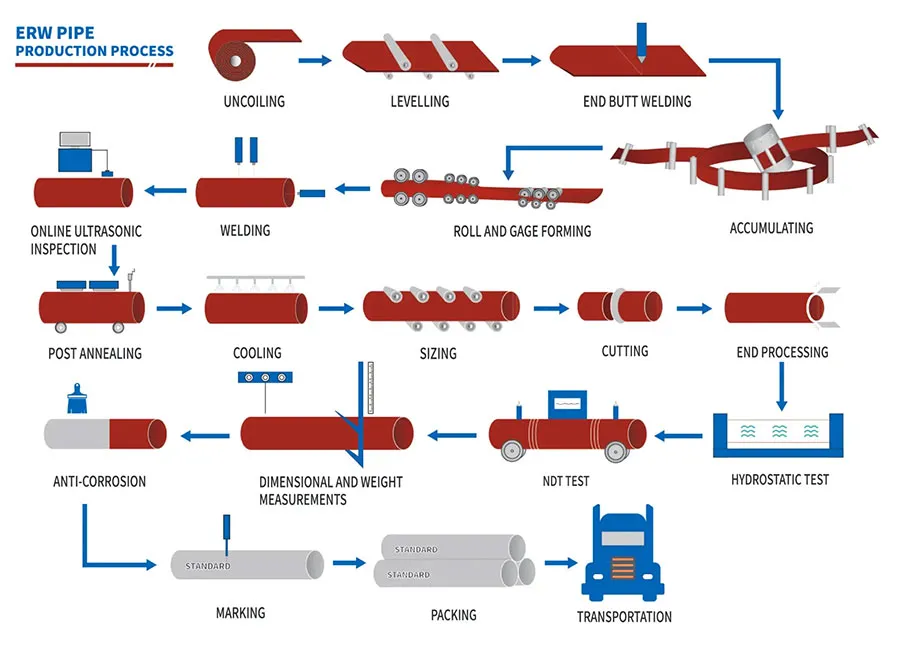
1. Coil Inspection and Strip Preparation: Check coil identification, material records, thickness, width and surface condition against the order. Uncoil and level the strip; prepare its edges for consistent forming and weld fit-up.
2. Strip Joining and Accumulation: Join successive strip ends and use an accumulator to support continuous feeding. These strip-end joints are distinct from the finished pipe's longitudinal seam and require control under the applicable production procedure.
3. Roll Forming: A series of rolls progressively shapes the strip into an open tube. Control edge alignment and forming geometry before the strip reaches the welding station.
4. High-Frequency ERW Welding and Bead Removal: High-frequency current heats the strip edges, which are pressed together to form the longitudinal seam. Remove the external and, where specified and accessible, internal weld bead to the required profile.
5. Heat Treatment and Cooling: Apply seam heat treatment or other specified treatment according to the product standard, grade and approved manufacturing route. The diagram's post-annealing stage does not mean every ERW order receives the same annealing treatment.
6. Sizing, Cutting and End Preparation: Size the pipe to control diameter and roundness, cut to the ordered length and finish the ends. Confirm whether the order requires plain ends, bevels or another agreed preparation.
7. Inspection and Testing: Check dimensions and surface condition. Perform weld-seam NDT, hydrostatic testing and required material tests to the applicable standard and inspection plan; specify methods, coverage and acceptance criteria for the order.
8. Surface Protection, Marking and Dispatch: Apply the ordered coating or temporary protection. Verify identification and traceability, protect the ends as required, and prepare packing and loading arrangements for the agreed transport method.
Before ordering: Confirm the standard and edition, grade, OD and wall thickness, length, heat-treatment requirements, NDT and pressure-test scope, end finish, coating and required inspection documents.