+8615674993216
 sales@forever-steels.com
 English
 العربية


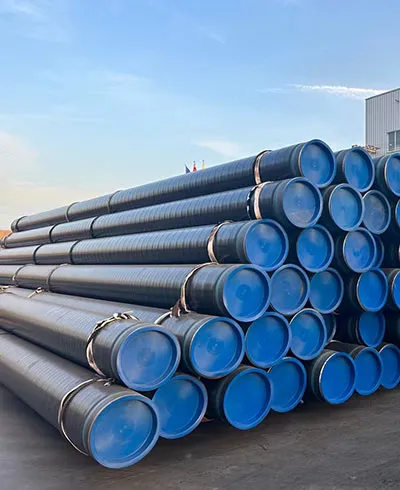
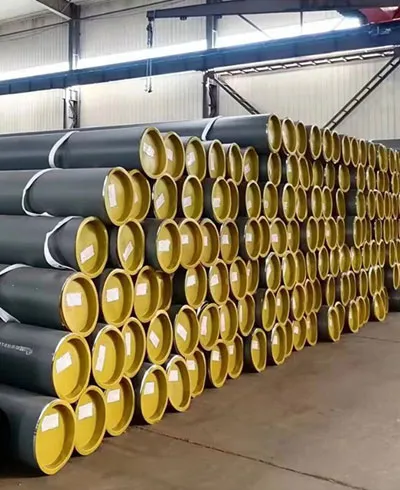
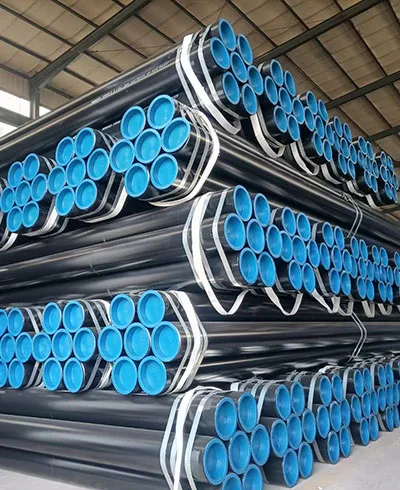
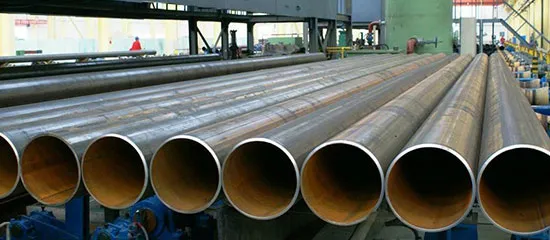
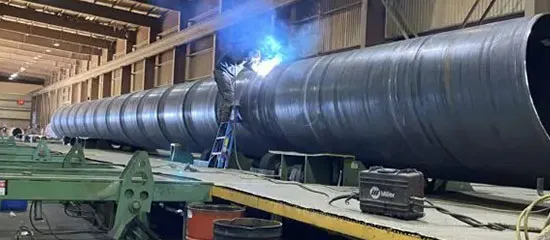
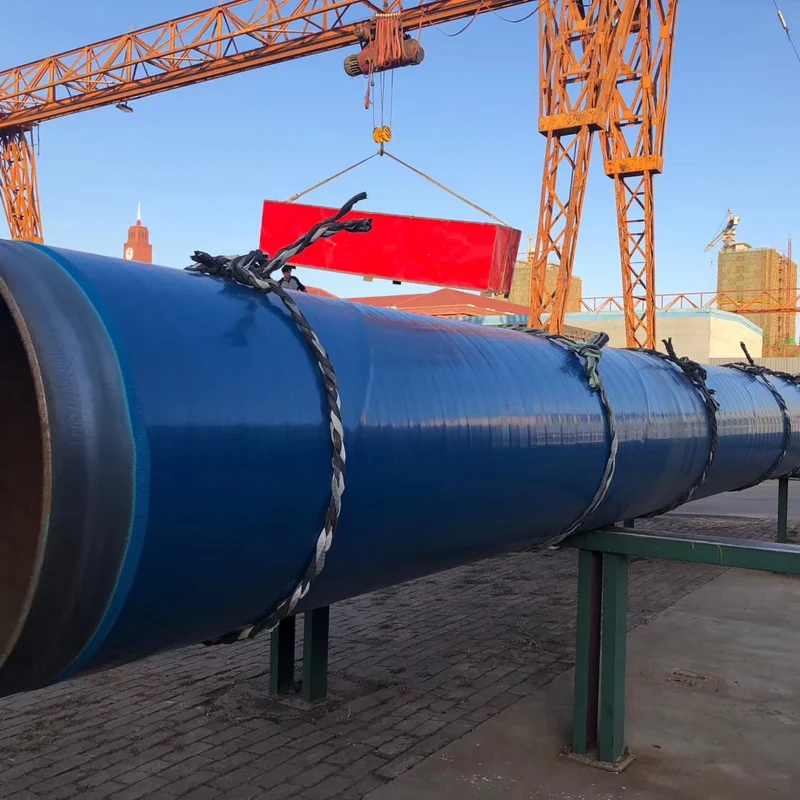
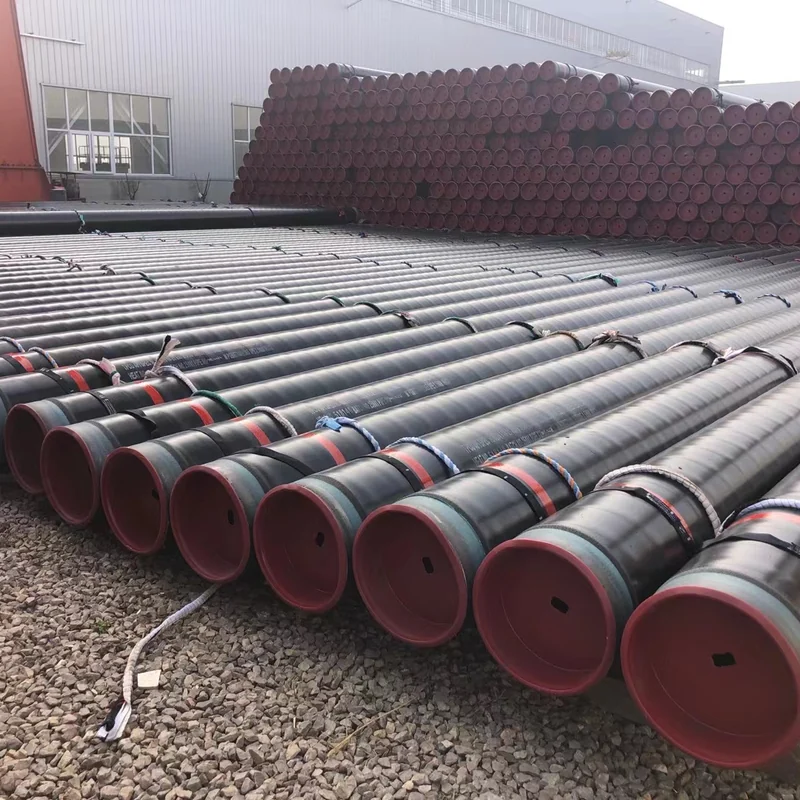
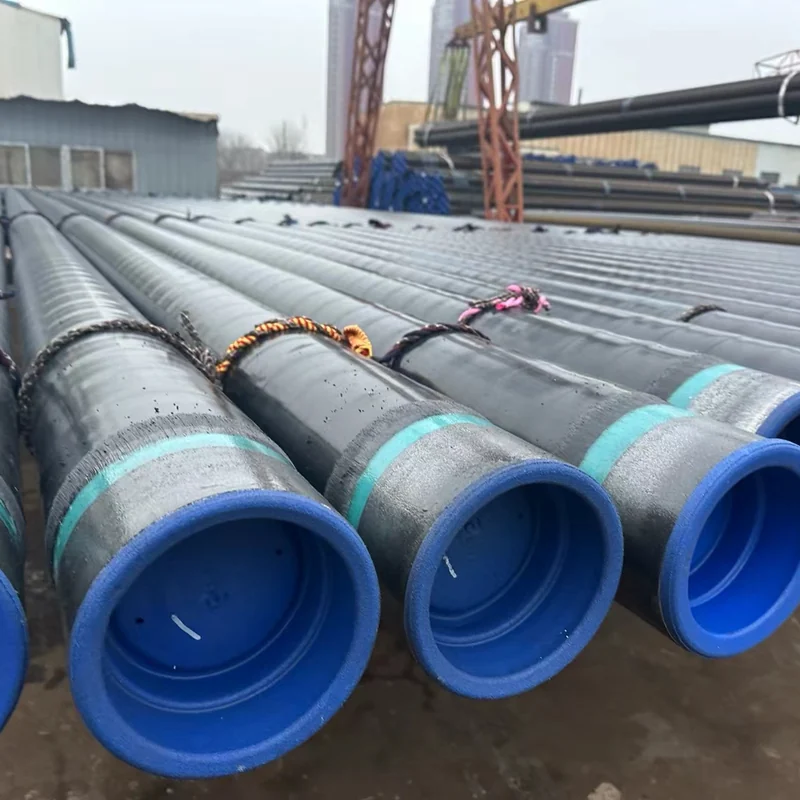
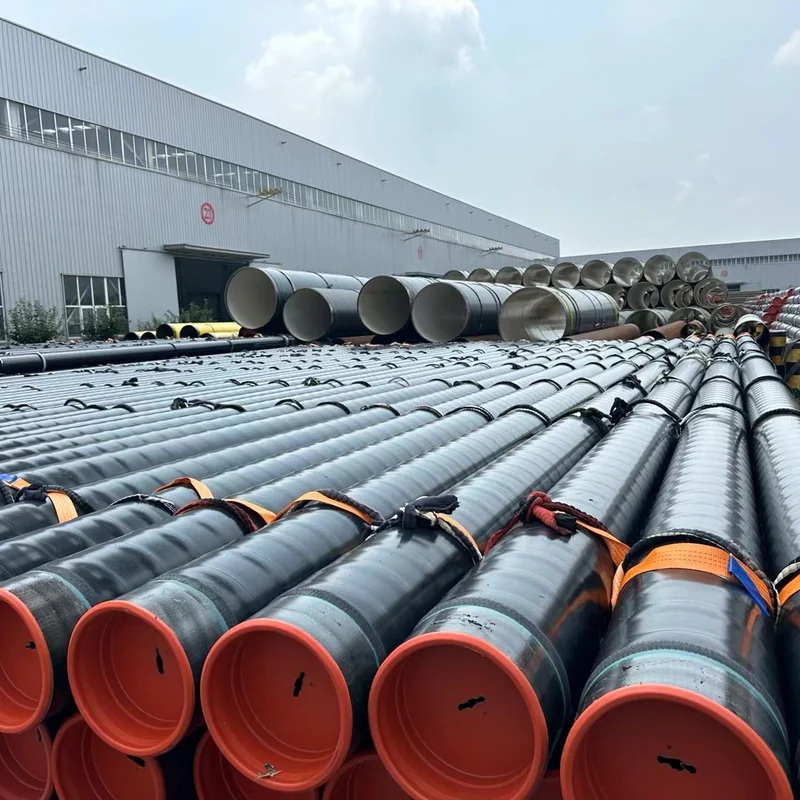
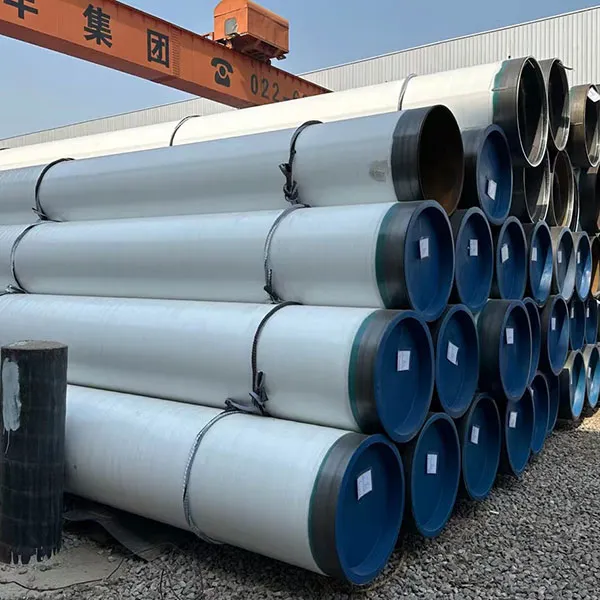
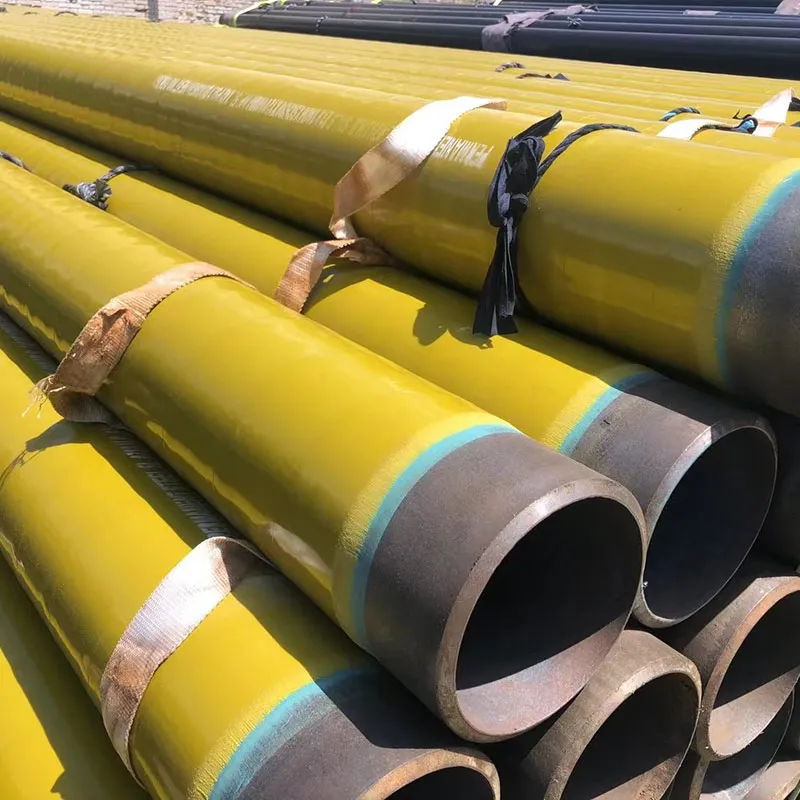
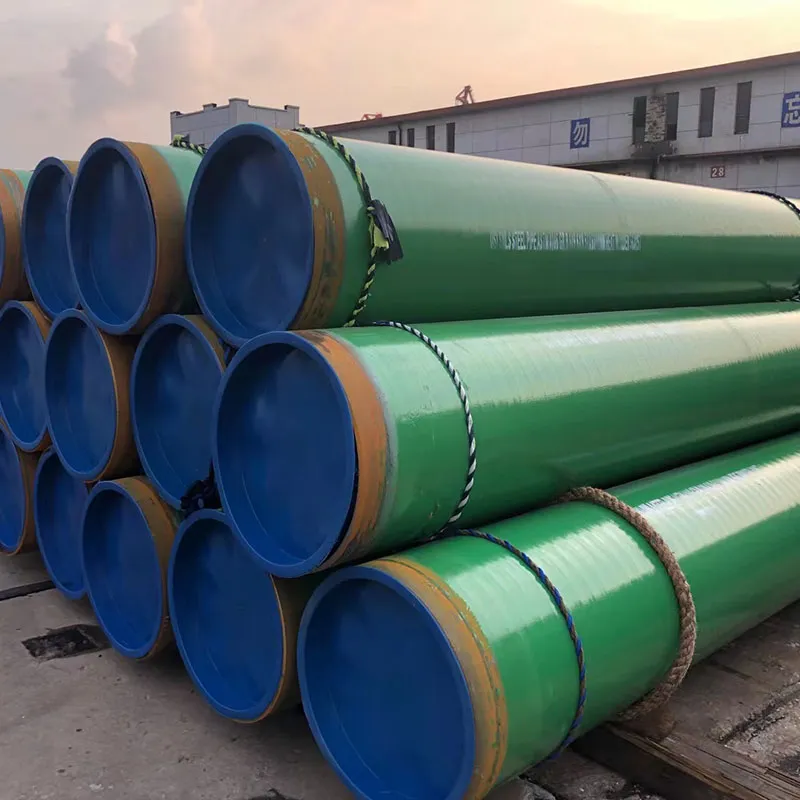
3LPP coated steel pipe uses an epoxy primer, adhesive layer and polypropylene outer layer for qualified buried or submerged pipeline projects. Buyers should confirm the base pipe, coating class, thickness, cutback, holiday testing and adhesion requirements against the project specification.
Layer 1: Fusion-bonded epoxy (FBE) primer provides adhesion to the prepared steel surface and corrosion protection.
Layer 2: Adhesive bonds the epoxy primer to the polypropylene outer layer.
Layer 3: Polypropylene provides mechanical protection and performance for the specified service and installation conditions.
| Base pipe | Standard, grade, manufacturing route, OD, wall thickness and length |
| Coating | Standard and edition, coating class, minimum thickness and design temperature |
| Pipe ends | Cutback length and tolerance, bevel protection and field-joint interface |
| Inspection | Surface preparation, thickness, holiday, adhesion and project-specific tests |
| Documents | ITP, base-pipe MTC, coating reports, traceability and third-party witness points |
3LPP and 3LPE are not interchangeable coating names. Final coating selection and acceptance criteria should follow the project environment, operating temperature, installation method, field-joint system and governing design documents.
The final supply range is confirmed against the base-pipe specification and the complete coating purchase requirements.
| Parameter | Supply Range / Purchase Requirement |
| 3LPP coating system | Layer 1: FBE primer; Layer 2: copolymer adhesive; Layer 3: polypropylene (PP) outer layer |
| Base pipe type | SMLS, ERW/HFW, LSAW or SSAW, as specified |
| Base pipe outside diameter | 219 mm–2020 mm, subject to base-pipe and coating-line capability |
| Base pipe wall thickness | 5 mm–25 mm or project-specified range, confirmed at quotation |
| Pipe length | 5.8 m–12 m or agreed project length |
| Typical total 3LPP coating thickness | 2.0 mm–4.5 mm supply range; the ISO 21809-1 thickness class or purchaser-specified minimum governs |
| Design and installation temperature | Purchaser shall state minimum and maximum temperatures; the selected FBE, adhesive and PP system must be qualified for those conditions |
| Coated pipe ends | Plain or beveled, with specified coating cutback length, tolerance and end protection |
| Surface preparation | Blast-cleaning grade, surface profile, dust and soluble-salt limits follow the governing standard and approved ITP |
| Inspection | Total thickness, holiday detection, peel/adhesion, impact, indentation and cathodic-disbondment tests as specified |
| Documentation | Base-pipe MTC, coating-batch traceability, ITP, test reports, repair log and release documents as agreed |
| Handling and packing | Padded handling, protected separators and transport protection matched to the 3LPP system |
Coating class, minimum total thickness, cutback geometry, repair limits and inspection acceptance criteria must be stated in the RFQ or project specification. Values are not assumed from the product name alone.
ISO 21809-1 covers plant-applied three-layer polyethylene and polypropylene external coatings for welded and seamless steel pipe used in buried or submerged pipeline transportation systems. DIN 30678-1 specifically covers requirements and testing for factory-applied extruded polypropylene coatings. The purchase documents should identify the standard edition, coating class, project deviations and acceptance criteria.
Source: ISO 21809-1:2018, Table 2 — Minimum total coating thickness. All thickness values are in millimetres.
| Pipe mass, Pm (kg/m) | Class A | Class B | Class C | ||||||
| A1 | A2 | A3 | B1 | B2 | B3 | C1 | C2 | C3 | |
| Pm ≤ 15 | 1.8 | 2.1 | 2.6 | 1.3 | 1.8 | 2.3 | 1.3 | 1.7 | 2.1 |
| 15 < Pm ≤ 50 | 2.0 | 2.4 | 3.0 | 1.5 | 2.1 | 2.7 | 1.5 | 1.9 | 2.4 |
| 50 < Pm ≤ 130 | 2.4 | 2.8 | 3.5 | 1.8 | 2.5 | 3.1 | 1.8 | 2.3 | 2.8 |
| 130 < Pm ≤ 300 | 2.6 | 3.2 | 3.9 | 2.2 | 2.8 | 3.5 | 2.2 | 2.5 | 3.2 |
| Pm > 300 | 3.2 | 3.8 | 4.7 | 2.5 | 3.3 | 4.2 | 2.5 | 3.0 | 3.8 |
Thickness-class notes: A maximum 10% reduction in total coating thickness is permitted on the SAW weld seam. Classes outside the selection guidelines require purchaser or end-user approval. Class 1 or lower should be considered only for lighter installation conditions; Class 2 is intended for standard conditions. The purchase specification governs the selected class.
| Reference | Verified Scope | Buyer Must State |
| ISO 21809-1:2018 | Plant-applied three-layer PE and PP coatings for buried or submerged pipeline transportation systems | Edition, coating class, minimum thickness and project deviations |
| DIN 30678-1:2024-01 | Factory-applied extruded polypropylene coatings on steel pipes and fittings | Edition, coating construction, design temperature and acceptance criteria |
| Project specification / ITP | Project-specific production, inspection, repair and documentation requirements | Witness points, test frequency, reporting format and third-party inspection |
| Inspection Item | RFQ / ITP Input | Evidence for Release |
| Total coating thickness | ISO thickness class or purchaser minimum; measurement locations and frequency | Recorded thickness readings by pipe, batch or agreed sampling plan |
| Holiday detection | Test voltage, coverage and acceptance rule | Holiday-test record and repair/retest status |
| Peel / adhesion | Test temperature, rate and minimum acceptance value | Batch or shift test result linked to coating materials |
| Impact and indentation | Test temperature, impact energy or load, and acceptance limit | Laboratory or production qualification report |
| Cathodic disbondment / hot-water resistance | Temperature, duration, voltage and maximum disbondment | Qualification or production test report as specified |
| Cutback and coating repair | Cutback length/tolerance, repair size limit and approved method | Dimensional check, visual record and repair log |
| Traceability | Heat, pipe, coating-batch and inspection-document linkage | Base-pipe MTC, coating report and final release dossier |
Important: Test temperatures, voltages, loads and pass/fail limits are not inferred from the product name. They must follow the specified standard edition, approved material system and project purchase specification.
The typical plant sequence starts with base-pipe acceptance and finishes with coating inspection, traceability marking and protected handling for shipment.
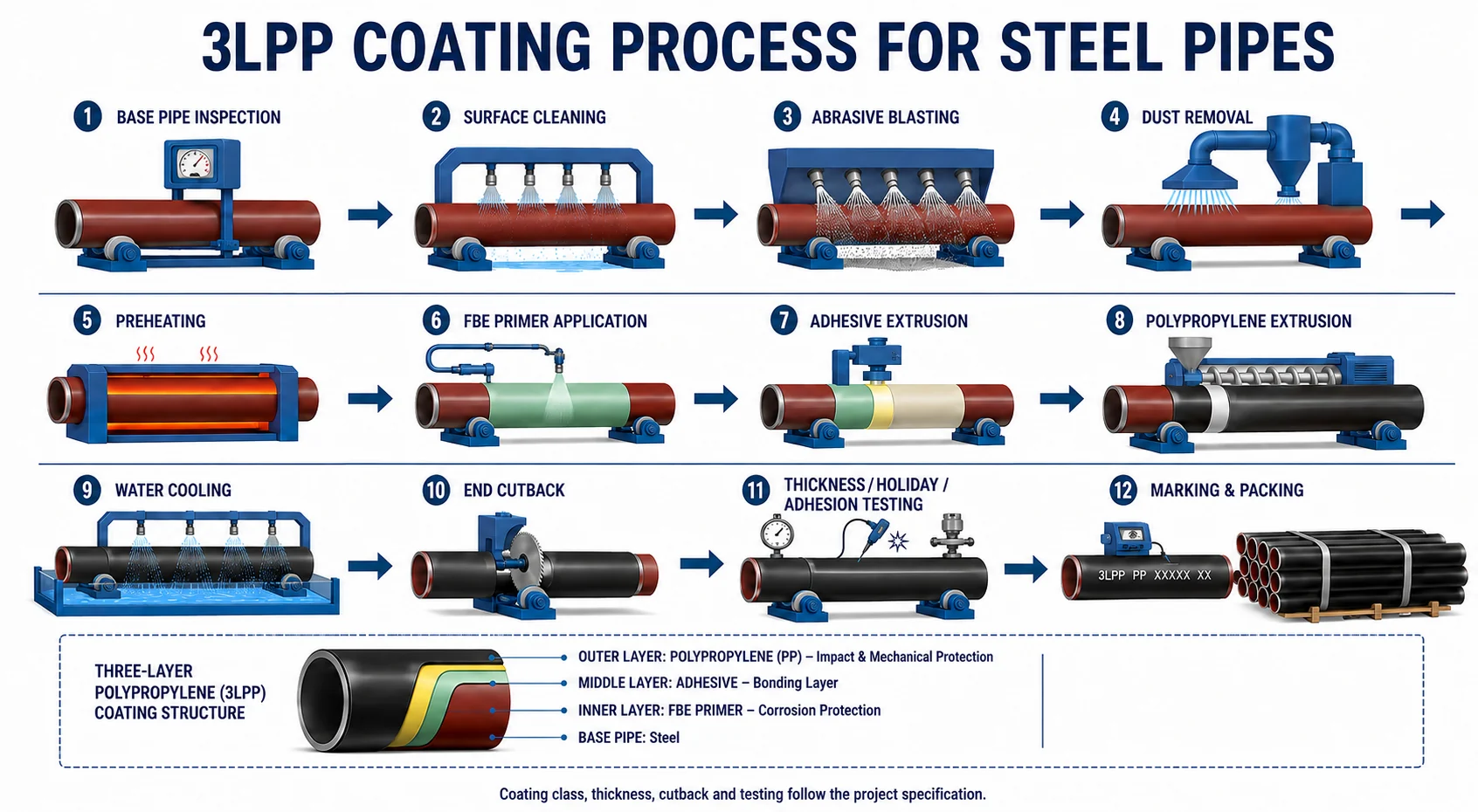
Base-pipe inspection → cleaning and abrasive blasting → dust removal → preheating → FBE primer application → adhesive extrusion → polypropylene extrusion → water cooling → end cutback → thickness, holiday and adhesion testing → marking and packing.
Process controls and acceptance criteria follow the agreed coating specification, project ITP and approved repair procedure.
The system uses an FBE primer on the prepared steel surface, an adhesive bonding layer and a polypropylene outer layer.
No. 3LPP uses polypropylene as the outer layer, while 3LPE uses polyethylene. Selection should consider service temperature, installation conditions, mechanical loads and the governing project specification.
Key inputs include base-pipe dimensions, coating standard and class, minimum thickness, cutback, quantity, inspection plan, document package, destination and delivery requirement.
The agreed plan can include surface-preparation checks, total thickness, holiday detection, adhesion, impact and other qualification or production tests required by the governing specification.
The field-joint system must be compatible with the mainline coating and pipeline design. It should be selected or approved by the purchaser or project engineer and stated in the project documents.