+8615674993216
 sales@forever-steels.com
 English
 العربية

Hot-dip galvanizing adds a zinc coating that provides barrier and sacrificial protection to steel exposed to ordinary atmospheric or handling conditions when the project specification permits galvanized pipe. Zinc finish alone does not establish pressure rating, fire-system approval, potable-water approval or service life; confirm the base standard, grade, coating requirement, ends and inspection.
|
Buyer application |
Common specification route |
Confirm before quotation |
Important boundary |
|
Mechanical, utility, steam, water, gas or air service |
ASTM A53/A53M when permitted by the design |
Type, Grade, NPS, wall or schedule, galvanized finish, ends and tests |
A53 suitability still depends on the design code and service conditions |
|
Above-ground fire-protection piping |
ASTM A795/A795M or ASTM A53 only when the project accepts it |
Fire-system specification, listing or approval needs, wall, groove or thread details and documents |
Do not substitute A53 for A795 without project approval |
|
Building-service tube for welding or threading |
EN 10255 with the required coating route, often EN 10240 when specified |
Tube series, grade, OD, wall, thread or socket requirements and coating class |
Legacy BS 1387 wording should not be replaced silently |
|
Fabricated pipe assemblies galvanized after welding or bending |
ASTM A123/A123M or ISO 1461 only when their scope fits the fabricated article |
Fabrication condition, vent and drain details, distortion risk, coating inspection and repair |
These standards are not automatic substitutes for pipe galvanized on a specialized line |
|
Buried, submerged or aggressive chemical service |
Engineered external coating or lining system selected by the project |
Environment, field joints, holiday testing and cathodic-protection requirements |
Ordinary galvanizing should not be assumed to replace 3PE, FBE or another designed system |
For application limits and standard-selection examples, see Galvanized Steel Pipe Applications Coating Standards and Usage Limits
|
Purchase item |
What Forever Steel must confirm in the quotation |
|
Product definition |
Hot-dip galvanized round carbon steel pipe, not pre-galvanized strip tube unless explicitly requested and accepted |
|
Base-pipe standard |
Standard and edition, manufacturing type, grade and any supplementary purchaser requirements |
|
Dimensions |
NPS or DN or OD, nominal wall or schedule, length and dimensional tolerances |
|
Galvanizing |
Applicable coating standard or class, internal and external coverage, mass or thickness requirement, sampling and acceptance method |
|
Ends and joining |
Plain or square, beveled, threaded and coupled, roll-grooved or another project-specific preparation |
|
Post-treatment |
Passivation or another permitted treatment when required, including restrictions affecting painting, welding or potable-water service |
|
Inspection |
Base-pipe tests, dimensions, zinc coverage, coating mass or thickness, appearance, ends, marking and third-party scope |
|
Documents |
MTC, inspection report, coating record or declaration, TPI release note when ordered, packing list and loading evidence |
|
Packing |
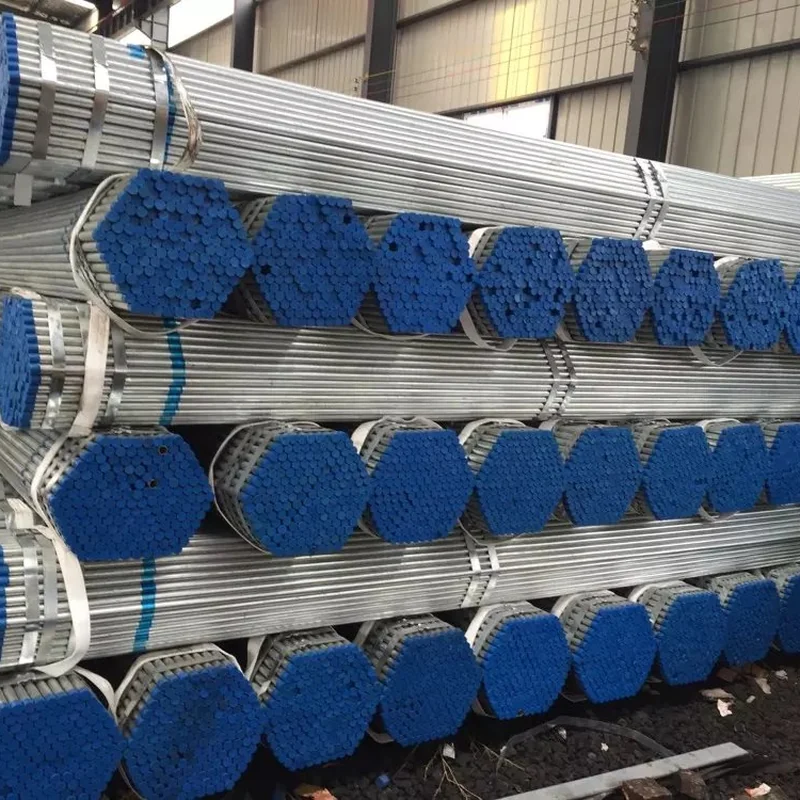
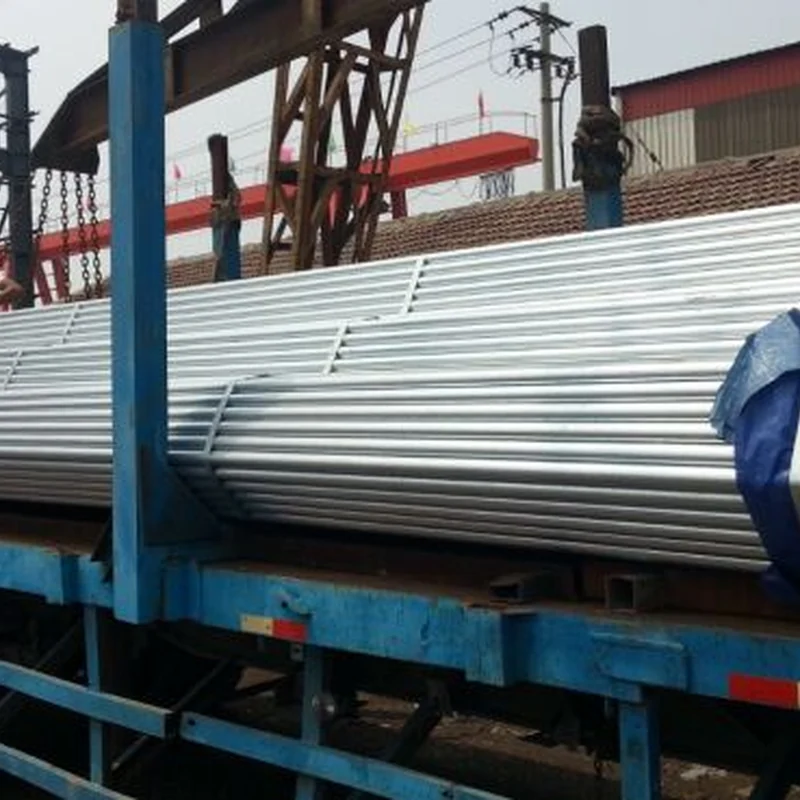
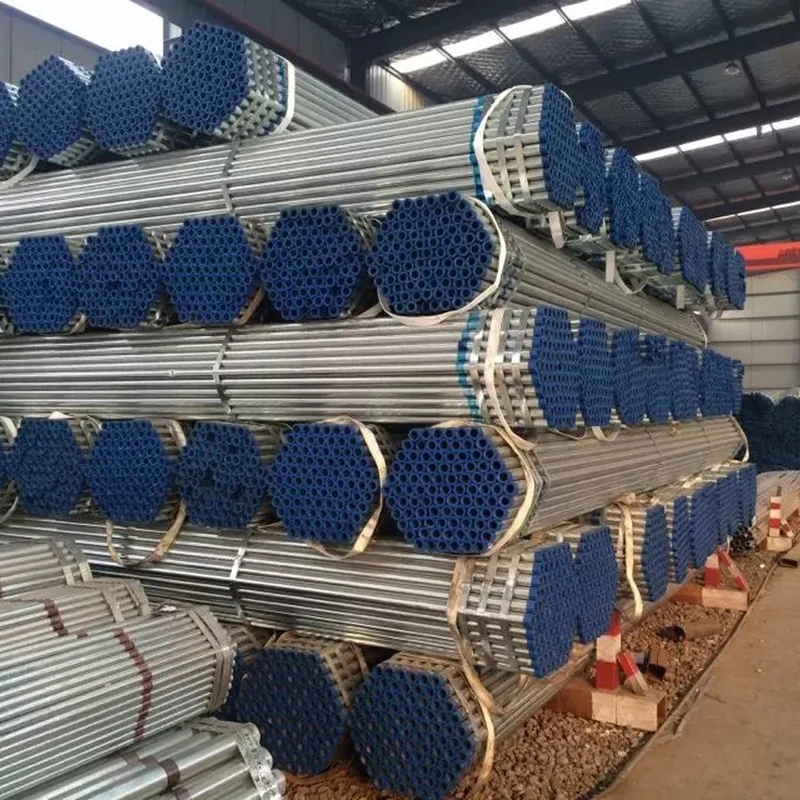
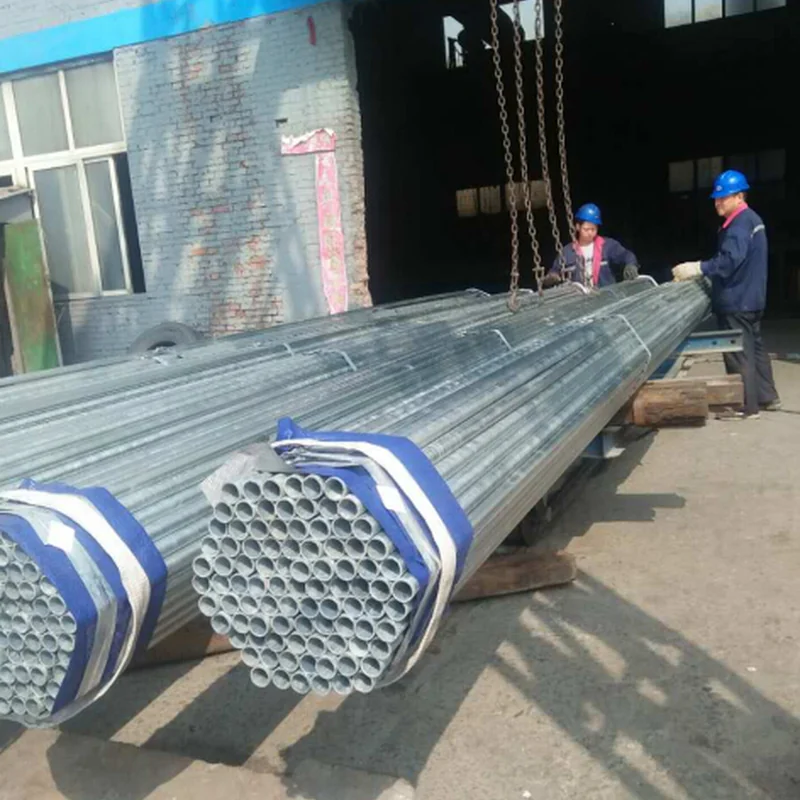
Dry separators, end protection, controlled bundle weight and measures to reduce trapped moisture during shipment |
The following ranges describe the standards. They do not state current Forever Steel inventory or guaranteed mill capability.
|
Standard route |
Published scope relevant to a buyer |
Quotation note |
|
ASTM A53/A53M-24 |
Black and hot-dipped galvanized welded and seamless pipe, NPS 1/8 to 26; Types F, E and S; Grades A and B within the type and grade rules |
Confirm the available type, grade, size, wall and quantity before ordering |
|
ASTM A795/A795M-21 |
Black and hot-dipped galvanized welded and seamless pipe for fire-protection use, NPS 1/2 to 10 |
Confirm project approval, wall series, ends and required hydrostatic or permitted NDE evidence |
|
BS EN 10255 |
Circular non-alloy steel tubes suitable for welding and threading, OD 10.2 to 165.1 mm, with specified series or types and finish options |
State the required tube series, end finish, coating route and inspection document |
|
BS EN 10240 |
Internal and/or external hot-dip galvanized coatings applied to steel tubes in automatic plants |
State the required coating quality or class and test or document requirements |
Hot-dip galvanized steel pipe is not defined by ASTM A53 alone. A complete order must identify both the base-pipe product standard and steel grade, together with the required galvanizing route, zinc-coating acceptance criteria and inspection documents.
| Application or Order Route | Base-Pipe Standard | Typical Steel Grade | Galvanizing Definition |
|---|---|---|---|
| General mechanical, pressure and utility piping | ASTM A53/A53M | Grade A or Grade B; Type E, S or another type permitted by the standard | Order the pipe as hot-dipped zinc-coated and specify any additional coating, inspection and end-finish requirements |
| Fire-protection piping | ASTM A795/A795M | Grade A or Grade B; welded or seamless as permitted | Specify hot-dipped zinc-coated pipe together with the required joining method, system approval and release documents |
| European welding and threading applications | EN 10255 | S195T | Define the required internal and/or external hot-dip galvanized coating, normally with the applicable EN 10240 coating quality |
| Low-pressure water, air, steam or gas service under a Chinese standard | GB/T 3091-2025 | Q195, Q215A, Q215B, Q235A, Q235B, Q275A, Q275B or Q355B | GB/T 3091-2025 includes hot-dip galvanized delivery and zinc-coating requirements; the ordered grade and any enhanced coating requirement must be stated |
| Other project-specified pipe or tube | Exact product standard and grade stated by the purchaser | As required by the approved project specification | Galvanizing must be defined separately and checked for compatibility with the pipe manufacturing route, dimensions, end preparation and intended service |
The standards and grades above are not interchangeable equivalents. The governing drawing, piping class, fire-system specification or project standard must determine which route is acceptable.
The purchase order should state:
base-pipe or tube product standard and edition;
steel grade and manufacturing method;
NPS, DN or outside diameter;
wall thickness or schedule and length;
internal and/or external galvanized coverage;
coating mass or thickness and measurement method;
plain, beveled, threaded, coupled or grooved ends;
hydrostatic or nondestructive testing requirements;
MTC, coating report, dimensional report and third-party inspection requirements.
For pipe galvanized in an automatic plant, use the coating requirements applicable to that pipe-production route. ISO 1461 should not automatically be applied because its scope excludes tube and pipe hot-dip galvanized in automatic plants.
The galvanizing route starts with acceptance of the base pipe and continues through surface preparation, zinc immersion, finishing and coating inspection.
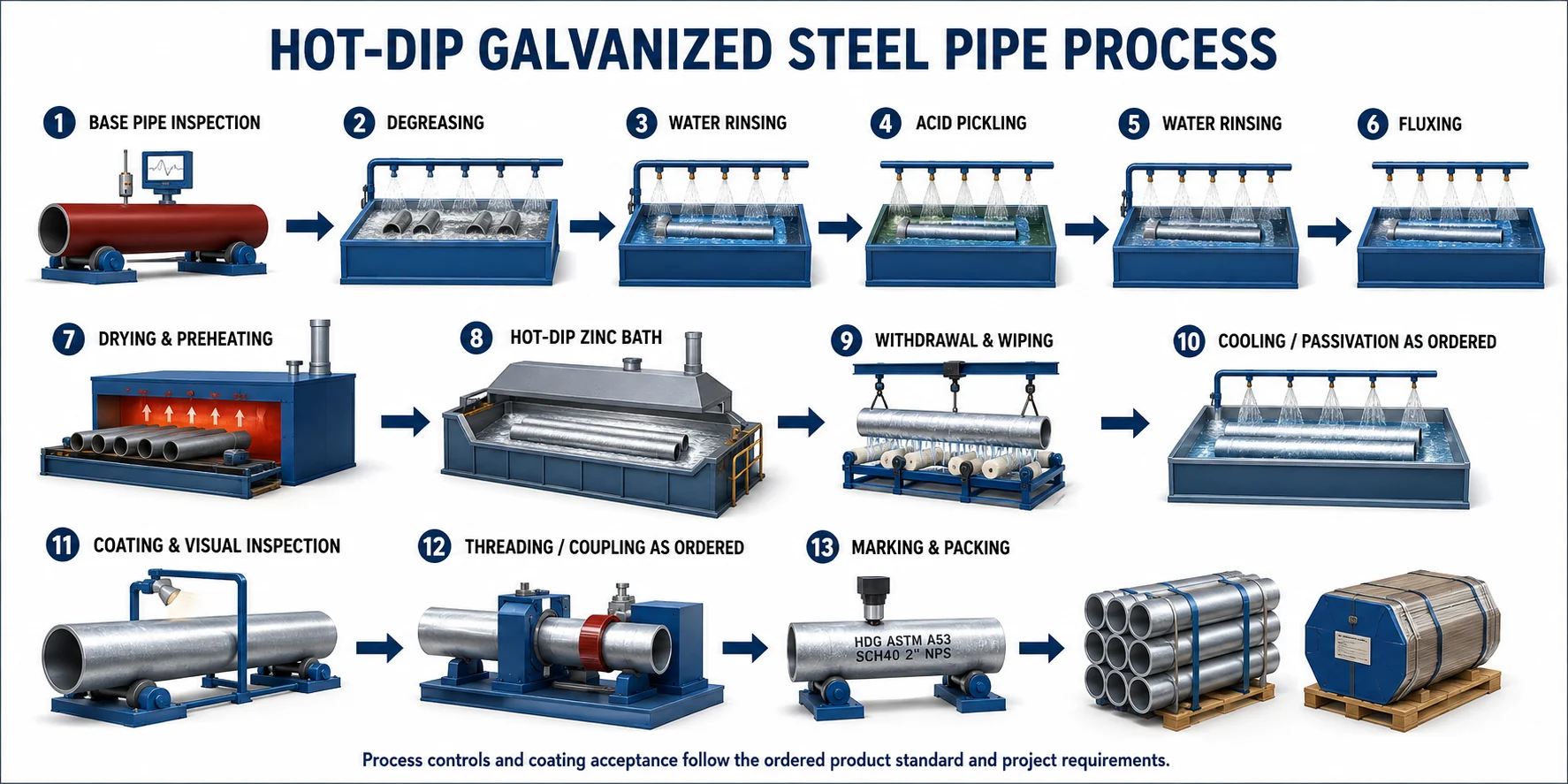
Base-pipe inspection → degreasing → rinsing → acid pickling → rinsing → fluxing → drying or preheating → hot-dip zinc immersion → withdrawal and wiping → cooling or permitted passivation.
Coating and visual inspection → dimensional and end checks → thread or groove inspection when ordered → traceability marking → dry separators, end protection and export packing.
Actual process controls and acceptance criteria follow the ordered base-pipe standard, coating requirements and approved inspection plan.
Not necessarily. ASTM A53 can include hot-dip zinc-coated pipe, but galvanized steel pipe is a finish-led description and may be ordered to another base-pipe specification. State both the base standard and coating requirement.
Coverage depends on the product standard, process and order definition. State the required internal and external coverage and acceptance criteria in the RFQ.
Threading, coupling or grooving can be quoted when compatible with the dimensions, wall and governing specification. Provide the required end standard and connection details.
Specify dry packing, ventilation or separation, suitable post-treatment when permitted, and storage practices that prevent prolonged trapped moisture.
Provide the base standard and edition, type and grade, size, wall, length, zinc-coating requirement, ends, inspection documents, quantity, destination and delivery requirement.