+8615674993216
 sales@forever-steels.com

 English
 العربية


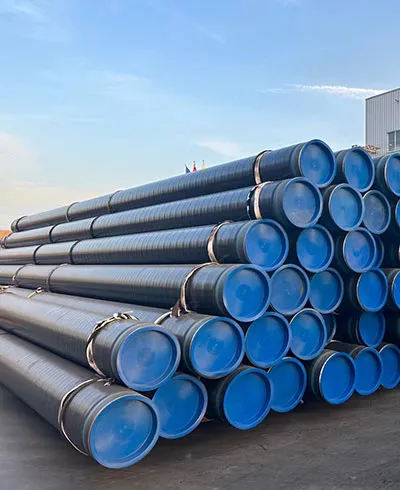
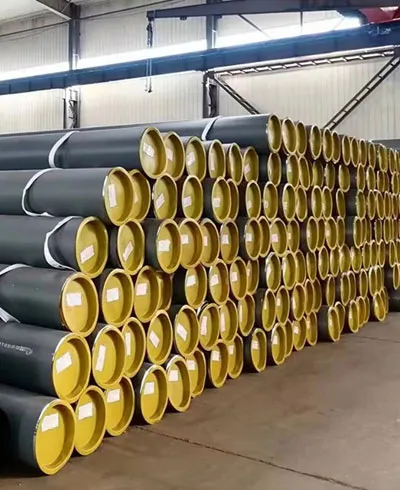
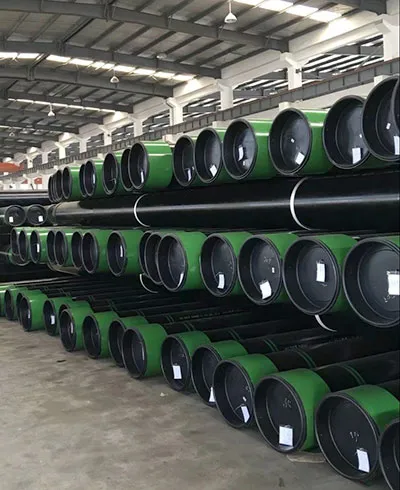
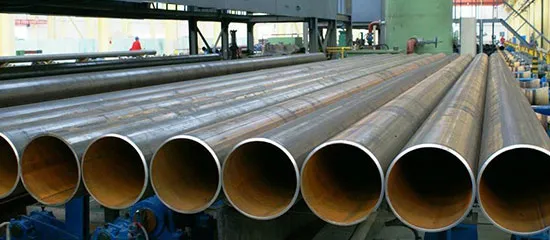
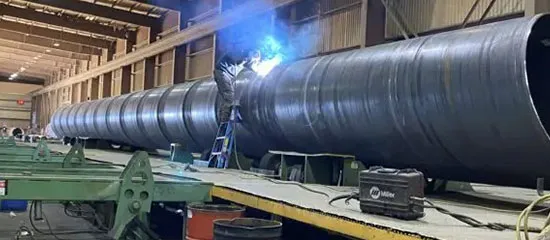
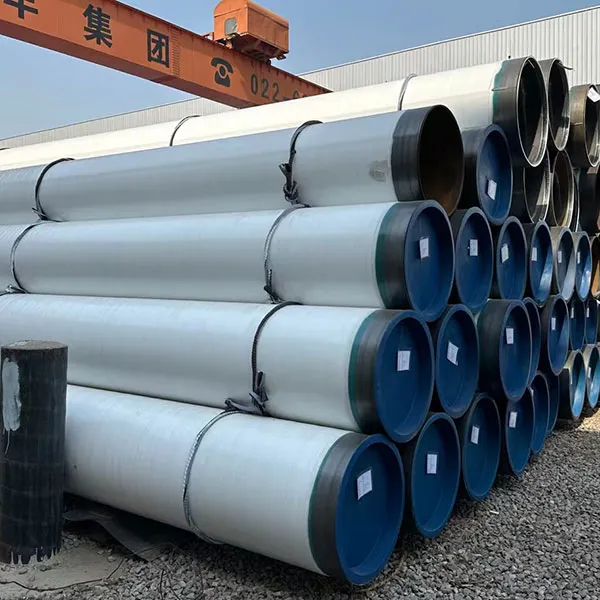
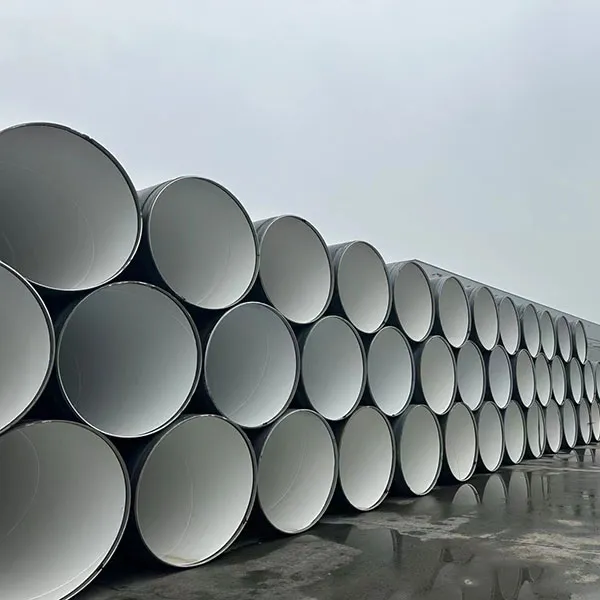
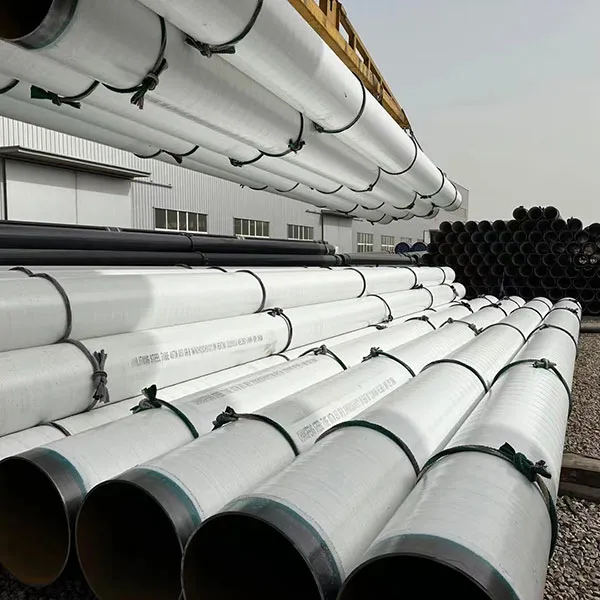
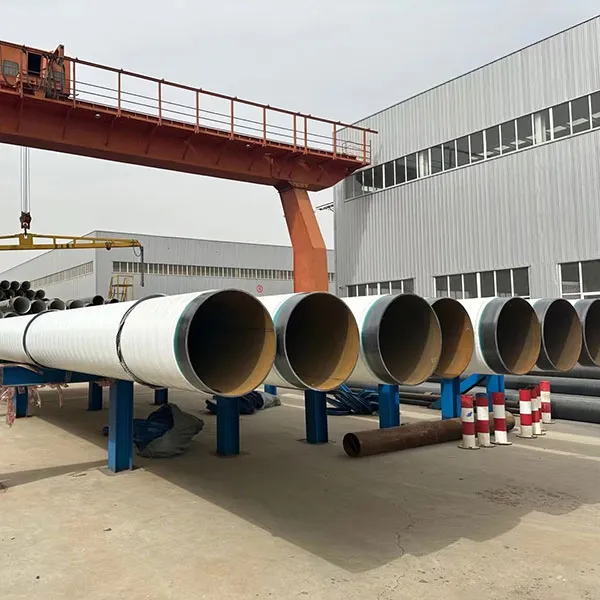
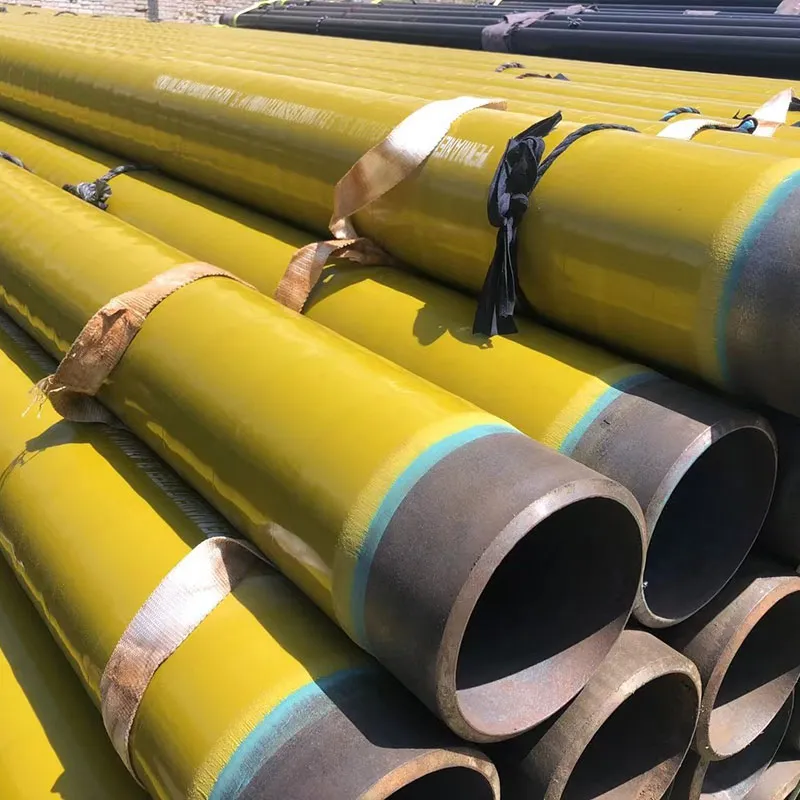
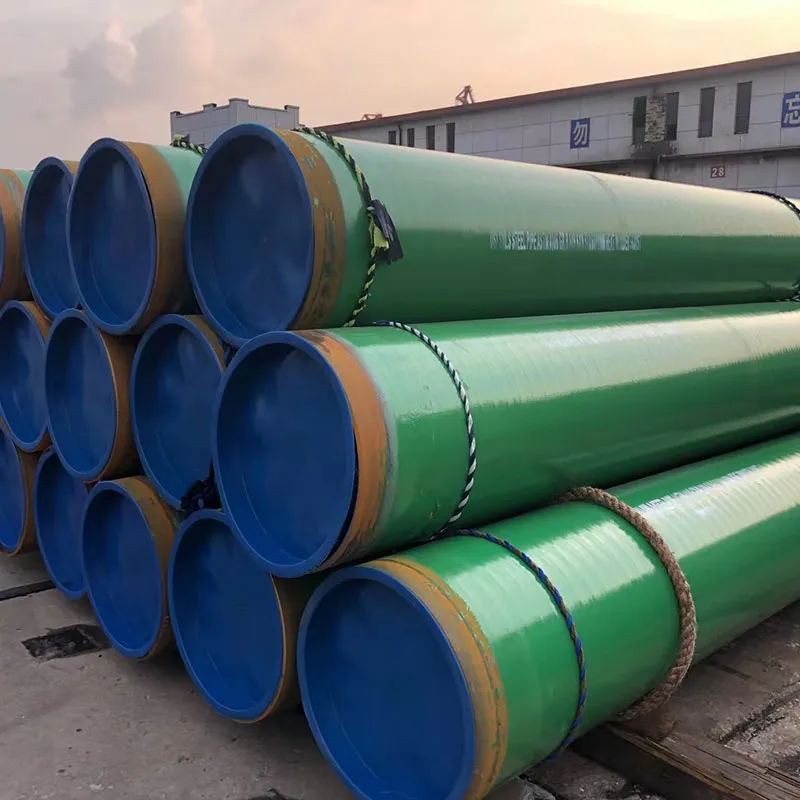
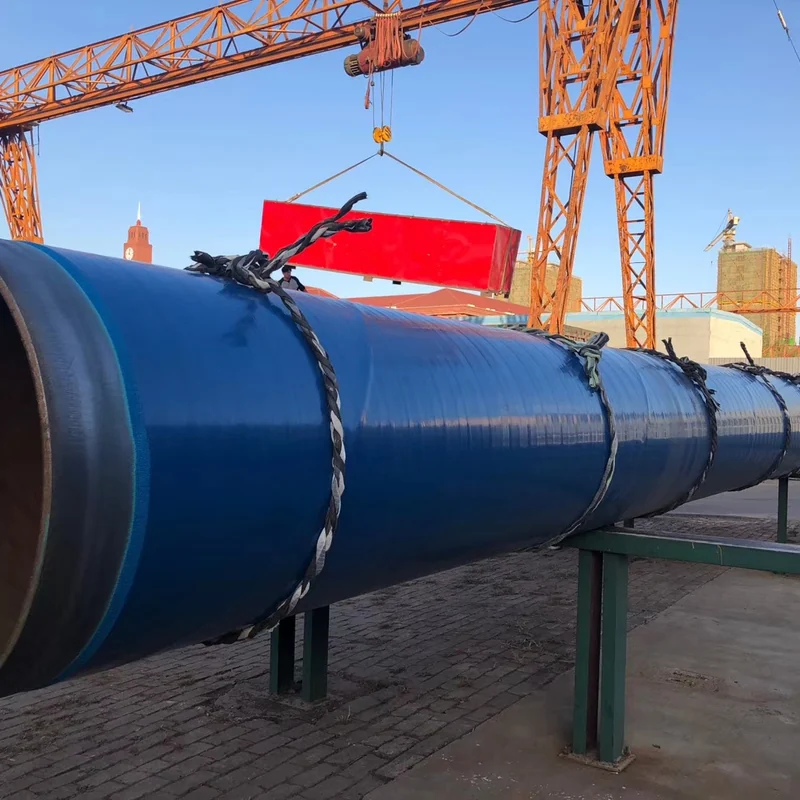
3PE coated steel pipe, also called 3LPE coated pipe, is used for buried oil, gas, water, sewage and infrastructure pipelines where the specified coating system must provide corrosion and handling protection. The quotation should identify the base pipe, coating standard and class, layer thickness, holiday testing, end cutback and loading protection.
For buried or exposed pipeline sections, the coating decision is not only about corrosion resistance; buyers also need to check coating thickness, holiday testing, end cutback and protection during loading.
Forever Steel supplies 3PE coated steel pipe, also known as 3LPE coated pipe, for buried oil, gas, water transmission, sewage and underground pipeline projects. The three-layer polyethylene coating system normally includes an epoxy primer, adhesive layer and polyethylene outer layer to improve corrosion resistance and mechanical protection.
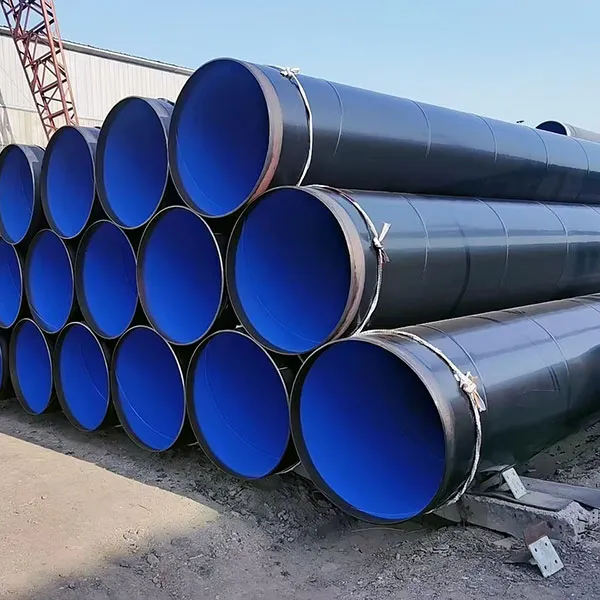
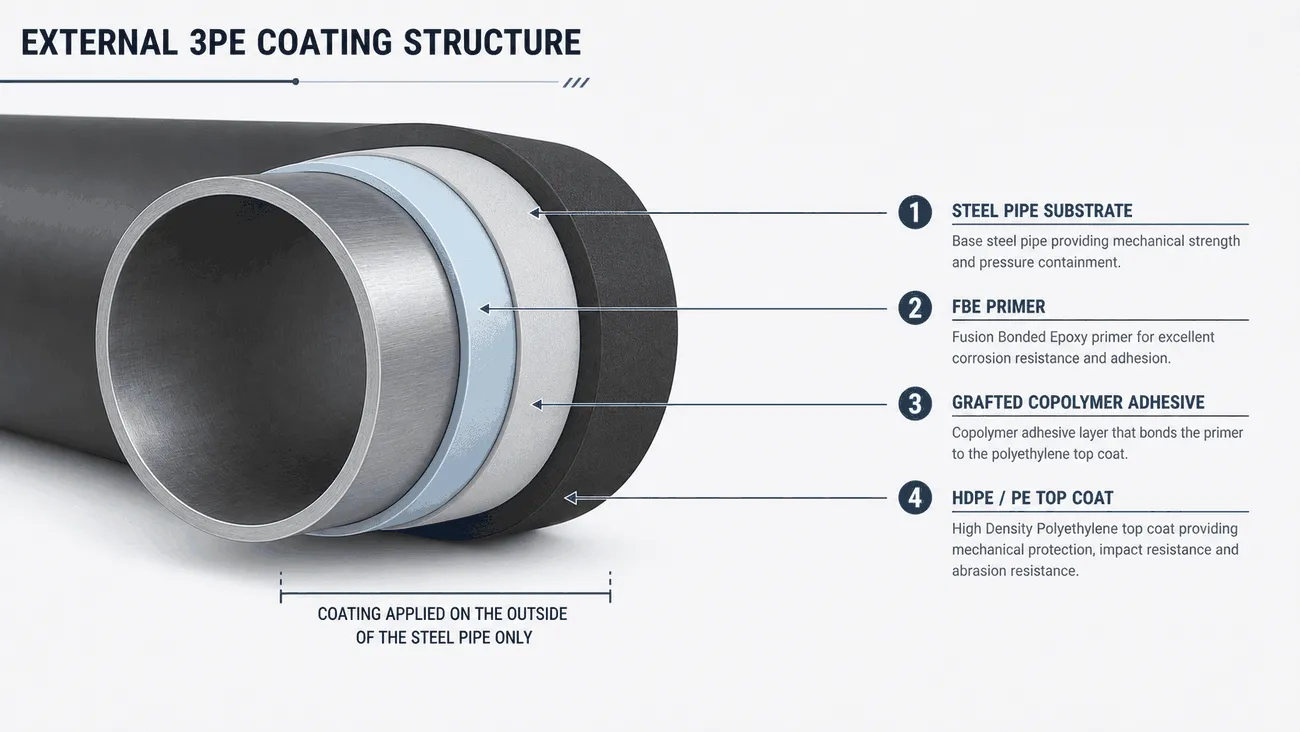
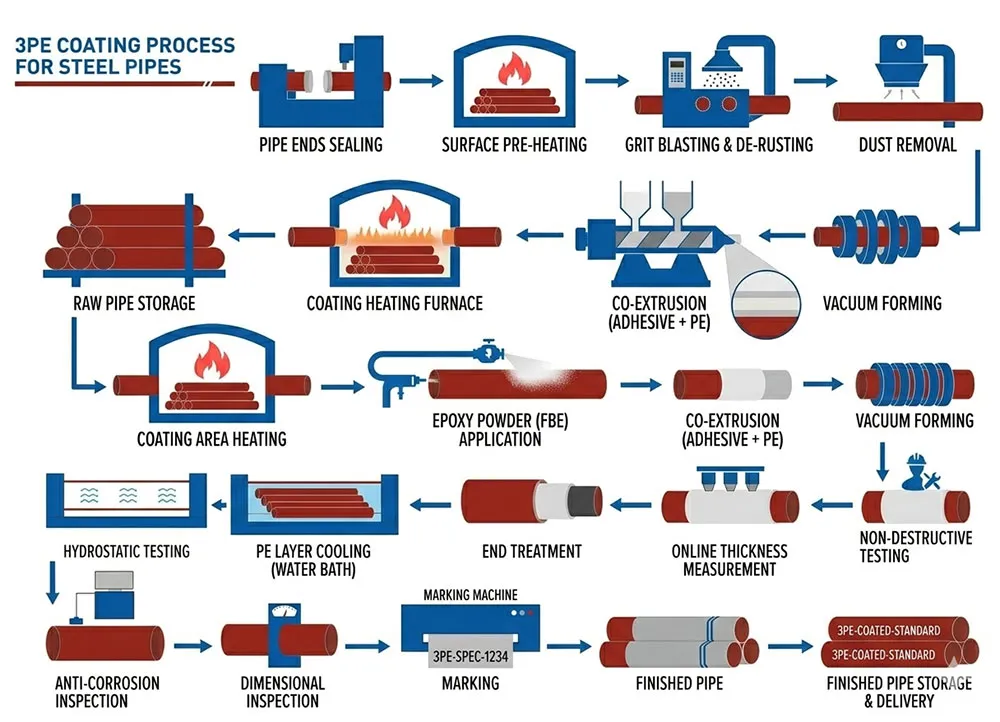
A 3PE coated steel pipe is built with three external anti-corrosion layers over the steel pipe substrate. The first layer is a high-performance FBE primer, which bonds directly to the blasted steel surface and provides corrosion resistance. The second layer is a grafted copolymer adhesive, which connects the epoxy primer with the polyethylene outer layer. The third layer is a tough HDPE top coat, which protects the pipe against soil stress, impact, abrasion and handling damage during buried pipeline service.
Before fixing the outer-layer material, compare 3LPE and 3LPP for the project conditions, including service temperature, handling and installation requirements.
|
Application |
Why 3PE / 3LPE Is Used |
Buyer Should Confirm |
|---|---|---|
| Buried gas pipelines | Polyethylene outer layer improves mechanical protection | DIN 30670 or ISO 21809-1 class |
| Crude oil pipelines | Corrosion protection for long-distance buried service | Pipe grade, coating thickness, cutback |
| Underground water transmission | Protects pipe from soil corrosion and handling damage | Holiday test and coating repair rule |
| Sewage systems | External protection for buried wet environments | Base pipe type and coating standard |
| Piling or infrastructure pipe | Extra protection during soil contact and installation | Impact risk, packing and loading method |
|
Layer / Item |
Function |
RFQ Requirement |
|---|---|---|
| Epoxy primer | Bonds to blasted steel and provides corrosion resistance | Primer type and minimum thickness |
| Adhesive layer | Connects epoxy primer with PE outer layer | Compatible adhesive material |
| Polyethylene outer layer | Mechanical protection against soil and handling damage | Total coating thickness and coating class |
| Base pipe | Seamless, ERW, LSAW or SSAW pipe | Standard, grade, OD, wall thickness |
| Pipe ends | Welding and field joint preparation | Cutback length and bevel protection |
| Inspection | Confirms coating continuity and thickness | Holiday test, DFT report, visual inspection |
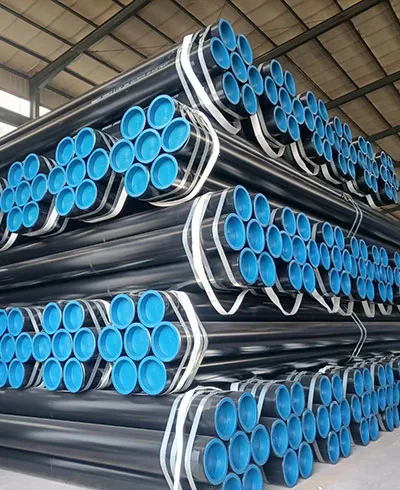
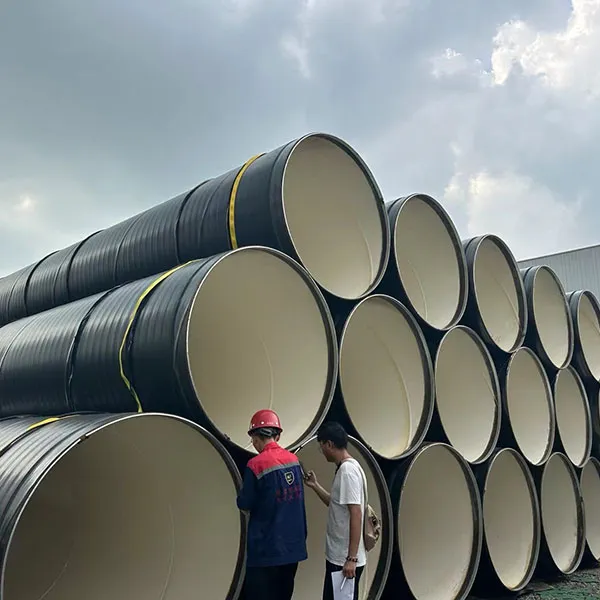
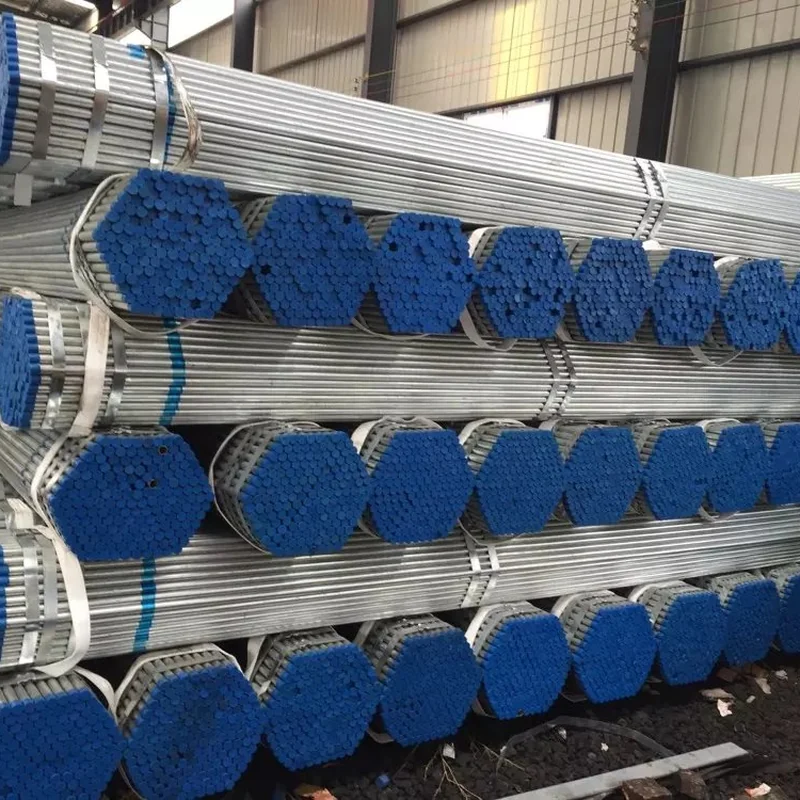
Before shipment, Forever Steel can check coating thickness, surface appearance, holiday test results, cutback length, pipe marking, bevel protection, packing condition and required mill test certificates. For large-diameter 3LPE pipe, loading control matters because coating scratches, edge damage and impact marks can create problems before installation.
· Anti-Corrosion Coating Standards for Steel Pipes: ISO, DIN, CSA, AS/NZS and GOST Compared
· Pipe Coating Inspection Before Shipment: Thickness, Adhesion, Holiday Test and Repair Records
· How to Prevent Surface Damage to Coated Steel Pipes During Transportation
· How to Prevent Corrosion in Underground Oil Pipelines
· FBE and ARO Coating for HDD Crossings
| Test Property | Unit | Requirement (Standard) | Test Method |
| Peel Strength (Adhesion) | N/cm | ≥100 (at 20°C) / ≥40 (at 50°C) | DIN 30670 |
| Impact Resistance | J/mm | ≥7 | DIN 30670 |
| Indentation Resistance | mm | ≤0.2 (at 23°C) / ≤0.3 (at 50°C) | DIN 30670 |
| Elongation at Break | % | ≥600 | ASTM D638 |
| Cathodic Disbondment | mm | ≤7 (at 65°C, 24h) | ASTM G42 |
| Holiday Detection | kV | 25 kV (No breakdown) | ASTM G62 |
| Surface Resistivity | Ω | ≥1012 | DIN 30670 |
| Parameter | Technical Detail / Requirement |
| Applicable Pipe Types | Seamless (SMLS), LSAW, SSAW, ERW |
| Base Pipe Outside Diameter Range | 219 mm – 2020 mm |
| Base Pipe Wall Thickness Range | 5 mm – 25 mm |
| Standard References | DIN 30670, CAN/CSA-Z245.21, ISO 21809-1, NF A49-710 |
| Typical Total 3PE Coating Thickness | 2.0 mm – 4.5 mm, subject to the specified standard and coating class |
| Service Temperature | -40°C to +80°C |
| Surface Preparation | Sa 2.5 (Near-White Metal Blast Cleaning) as per ISO 8501-1 |
| Anchor Profile | 50 μm – 100 μm (Roughness for optimal FBE adhesion) |
Range note: The values above separate base-pipe dimensions from coating thickness. The 2.0–4.5 mm figure is a typical supply and quotation range; the governing standard, coating class and purchaser specification determine the required minimum total coating thickness.
| Nominal Diameter (DN)mm | Outside Diameter (OD)mm | Type N (Normal) Class | Type S (Special) Class |
| Min. Thickness (mm) | Min. Thickness (mm) | ||
| ≤ DN 100 | ≤ 114.3 | 1.8 | 2.5 |
| DN 100 < DN ≤ 250 | 114.3 < OD ≤ 273.1 | 2 | 2.7 |
| DN 250 < DN ≤ 500 | 273.1 < OD ≤ 508.0 | 2.2 | 2.9 |
| DN 500 < DN ≤ 800 | 508.0 < OD ≤ 813.0 | 2.5 | 3.2 |
| > DN 800 | > 813.0 | 3 | 3.7 |
Source: ISO 21809-1:2018, Table 2 — Minimum total coating thickness. All thickness values are in millimetres.
| Pipe mass, Pm (kg/m) | Class A | Class B | Class C | ||||||
| A1 | A2 | A3 | B1 | B2 | B3 | C1 | C2 | C3 | |
| Pm ≤ 15 | 1.8 | 2.1 | 2.6 | 1.3 | 1.8 | 2.3 | 1.3 | 1.7 | 2.1 |
| 15 < Pm ≤ 50 | 2.0 | 2.4 | 3.0 | 1.5 | 2.1 | 2.7 | 1.5 | 1.9 | 2.4 |
| 50 < Pm ≤ 130 | 2.4 | 2.8 | 3.5 | 1.8 | 2.5 | 3.1 | 1.8 | 2.3 | 2.8 |
| 130 < Pm ≤ 300 | 2.6 | 3.2 | 3.9 | 2.2 | 2.8 | 3.5 | 2.2 | 2.5 | 3.2 |
| Pm > 300 | 3.2 | 3.8 | 4.7 | 2.5 | 3.3 | 4.2 | 2.5 | 3.0 | 3.8 |
Application notes: A maximum 10% reduction in total coating thickness is permitted on the SAW weld seam. Coating classes outside the class-selection guidelines require purchaser or end-user approval. Class 1 or lower should be considered only for lighter installation conditions; Class 2 is intended for standard conditions. The purchase specification governs the selected class.
| Steel Pipe Sizes | Min Coating Thickness in mm | |||||||||
| ≤103/4”(273.1 mm) | 2.5 | |||||||||
| >123/4”(323.9 mm)to≤18”(457 mm) | 2.8 | |||||||||
| >20"(508.0 mm)to≤30"(762 mm) | 3.0 | |||||||||
| >32"(813.0 mm) | 3.3 | |||||||||
The offer must identify the base pipe supply and coating scope separately. State the pipe standard, grade, OD and wall together with coating system, thickness, cutback and inspection requirements. Confirm whether any buyer-supplied pipe is accepted; do not infer coating-only service from a coated-pipe product listing.
Record the pipe ID and damage extent, apply the approved repair procedure and complete the specified reinspection after curing or cooling. Retain the repair location and test results in the release records. A factory test performed before the damage occurred does not verify the repair.
For regular sizes and typical order quantities, delivery is generally within 30 days. Some in-stock items can be delivered within one week. Project orders follow an agreed production and delivery schedule based on the specifications, quantities, processing and inspection requirements. Confirm the delivery date and delivery point in the quotation. For coated pipe, confirm base-pipe availability, coating completion and final inspection as part of the agreed schedule.
Yes. Project orders can be shipped and loaded in batches according to actual production progress and inspection release. Agree the specifications, quantities and shipping sequence for each batch in advance. Each shipment should have its corresponding material certificates, inspection records and packing list; confirm transport and any additional charges in the quotation.
Yes. We accept third-party inspection, including buyer-nominated inspection arrangements. Inspection charges are calculated according to the order specifications, inspection percentage and inspection requirements. Agree the agency, scope, witness points and required reports before the relevant inspection or testing stage.