+8615674993216
 sales@forever-steels.com
 English
 العربية

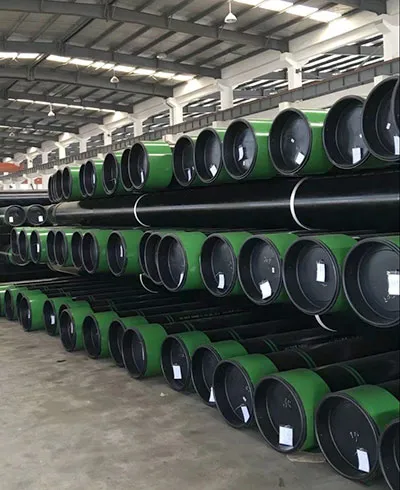
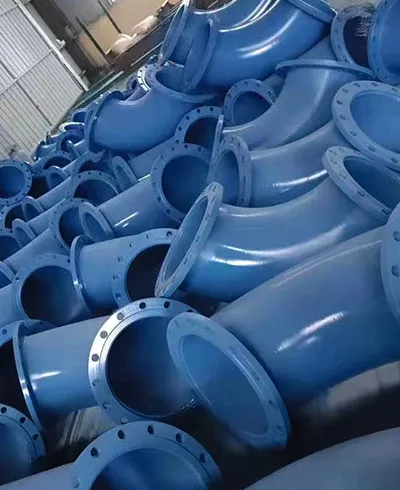
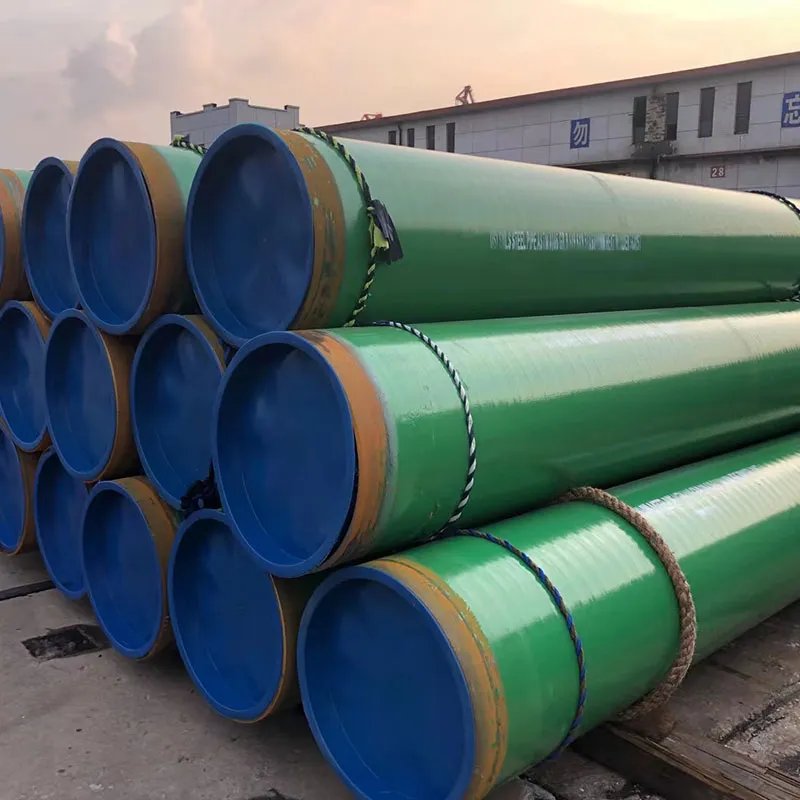
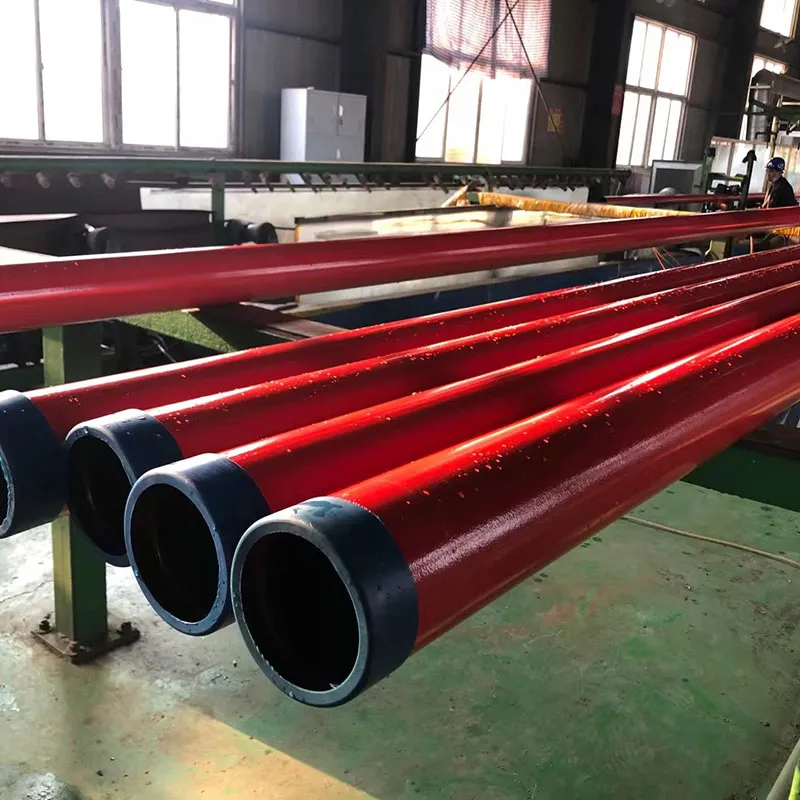
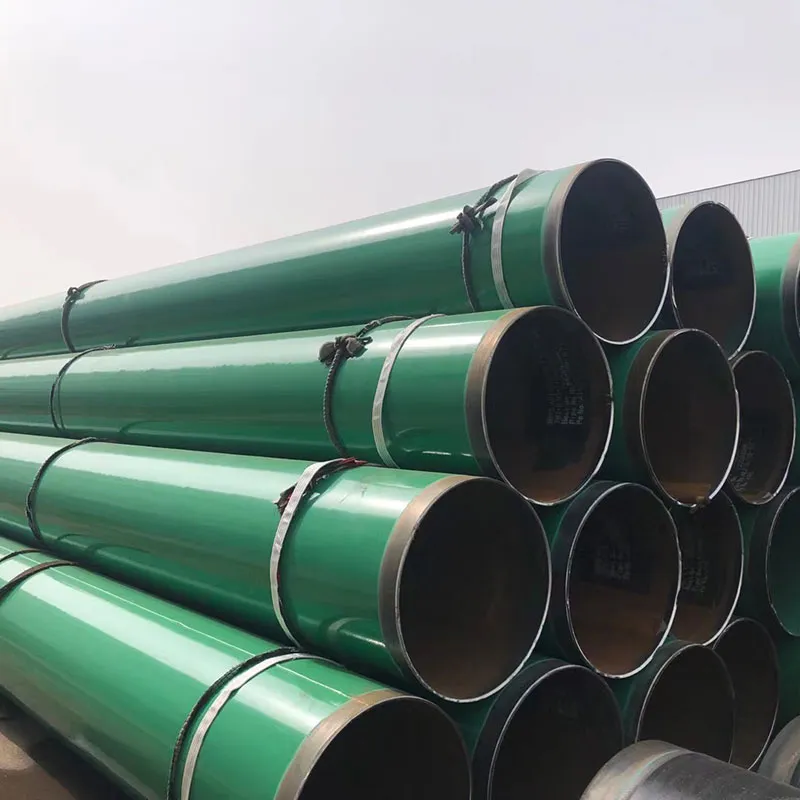
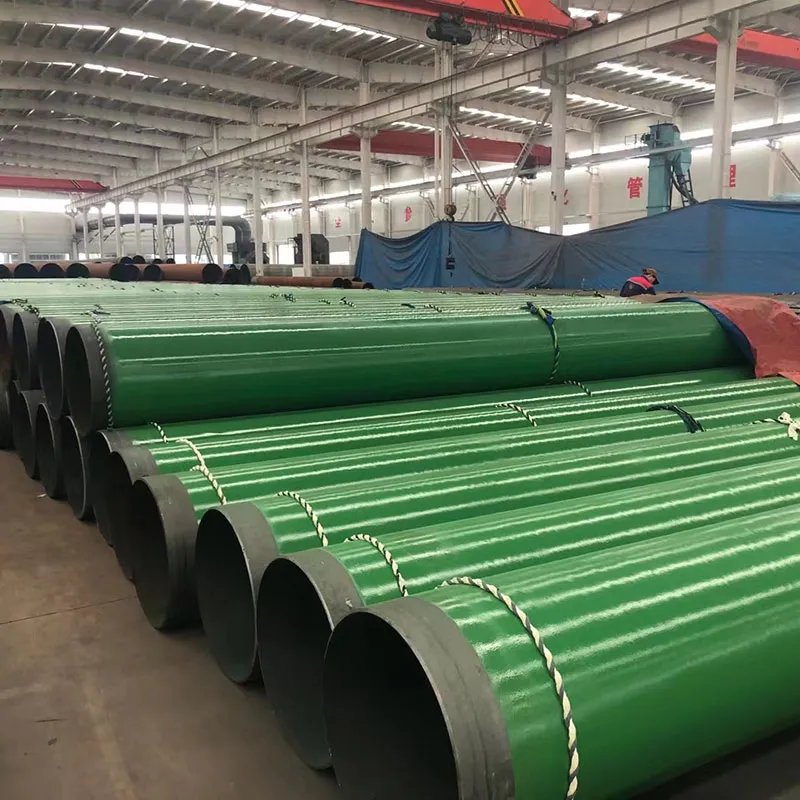
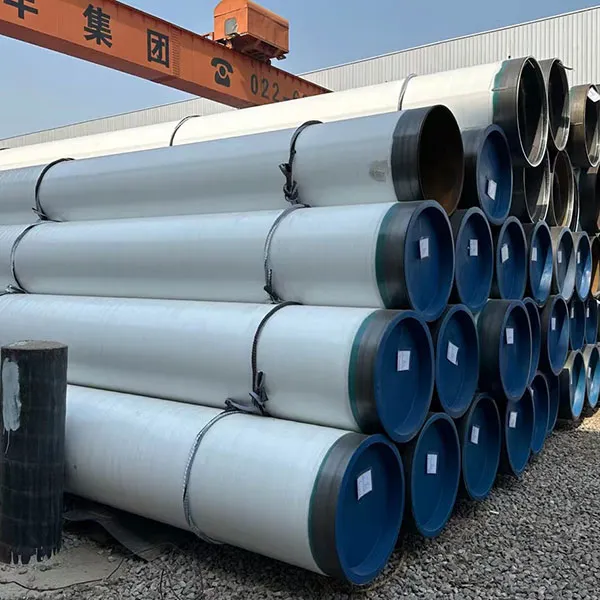
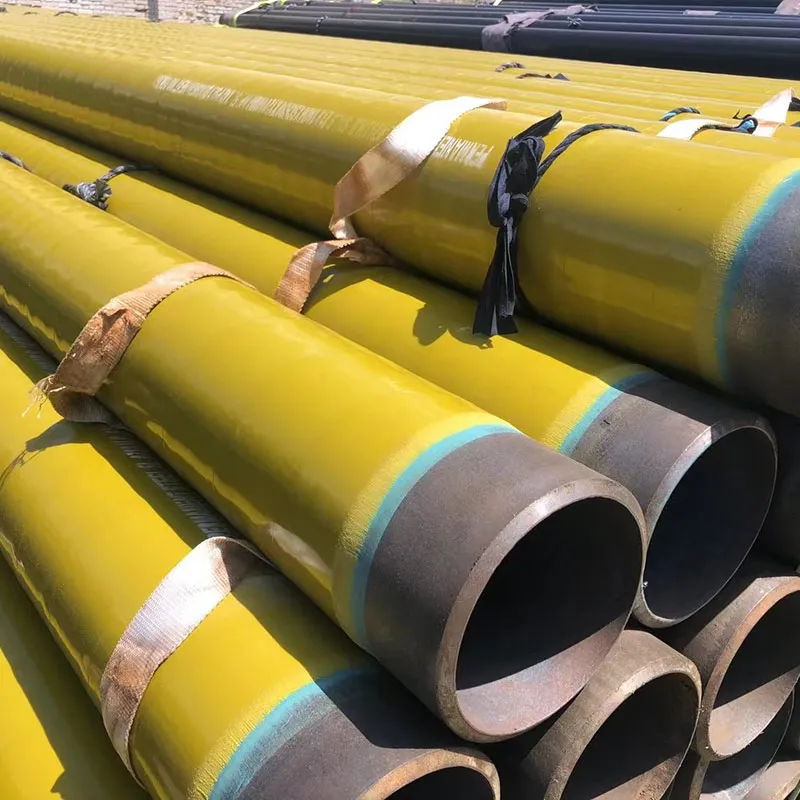
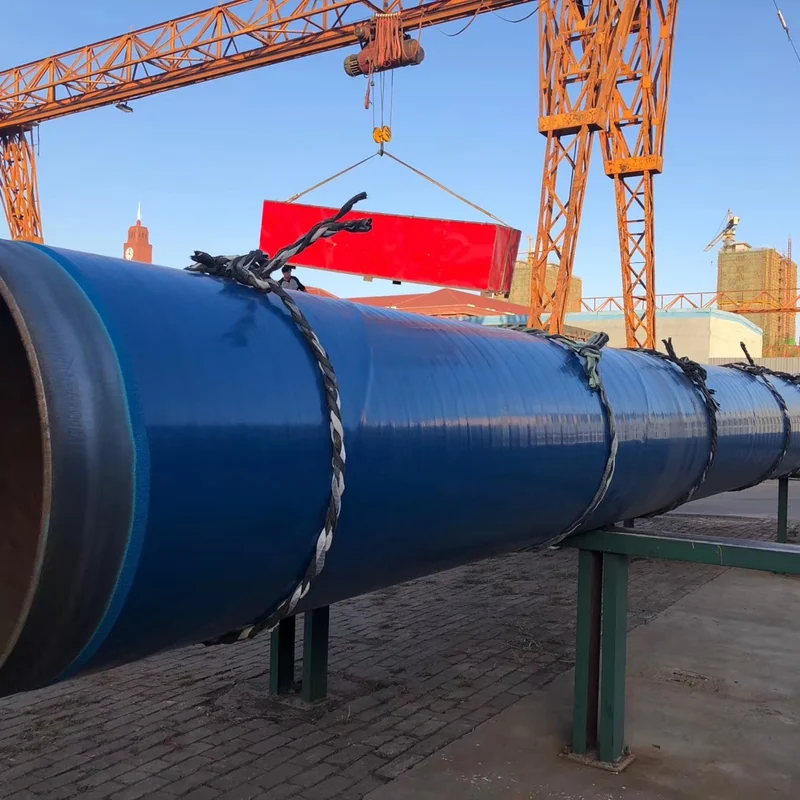
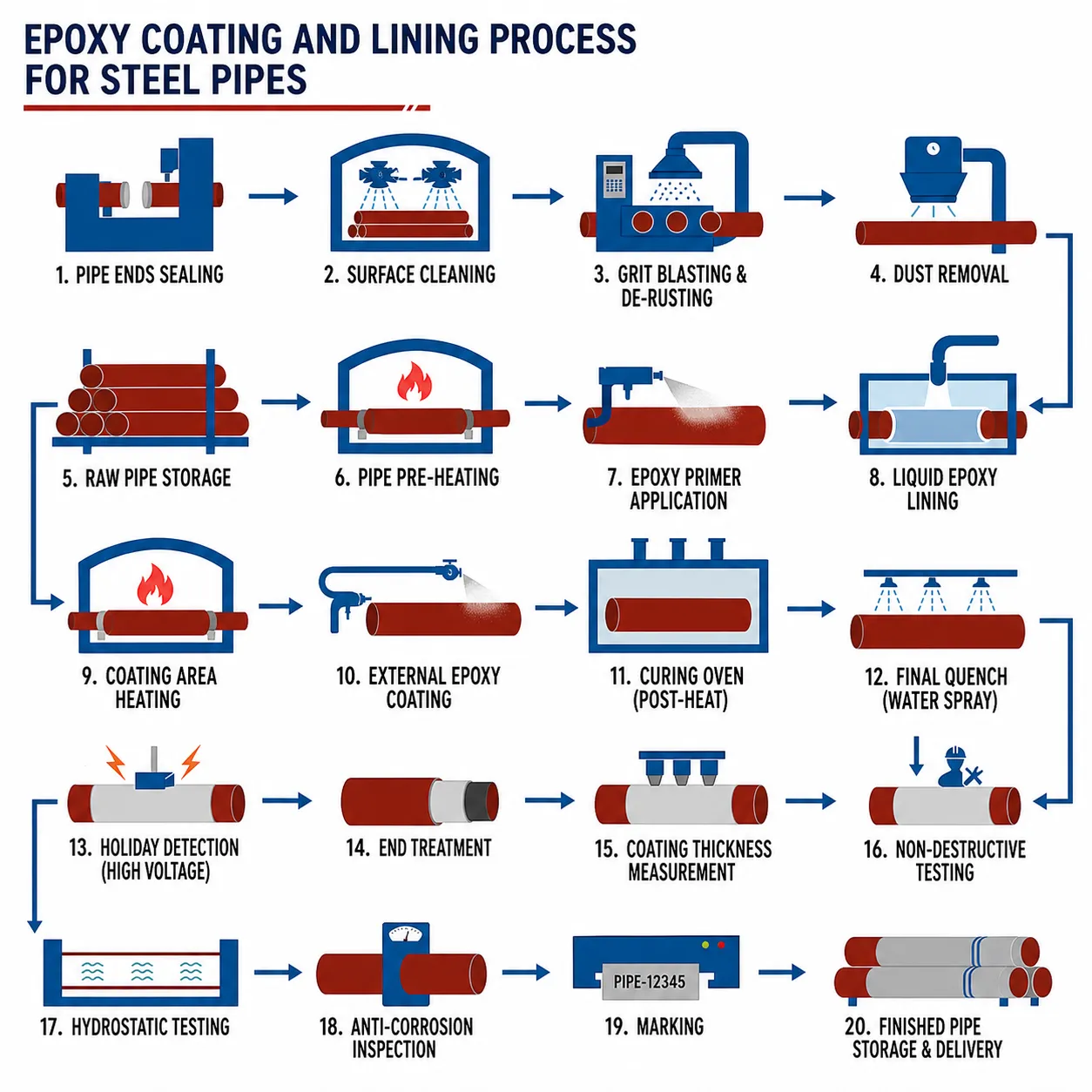
Epoxy coated or lined pipe is selected for internal flow efficiency, potable-water or process-service requirements, and external corrosion protection where the specified system is compatible with the base pipe. Confirm whether the order requires internal lining, external coating or both, then state the standard, surface preparation, dry-film thickness, cure, holiday/adhesion testing and repair rule.
Internal Lining:Reduces pumping costs by providing an ultra-smooth internal surface.
External Protection:Excellent resistance to hydrocarbons, acids, and alkalis.
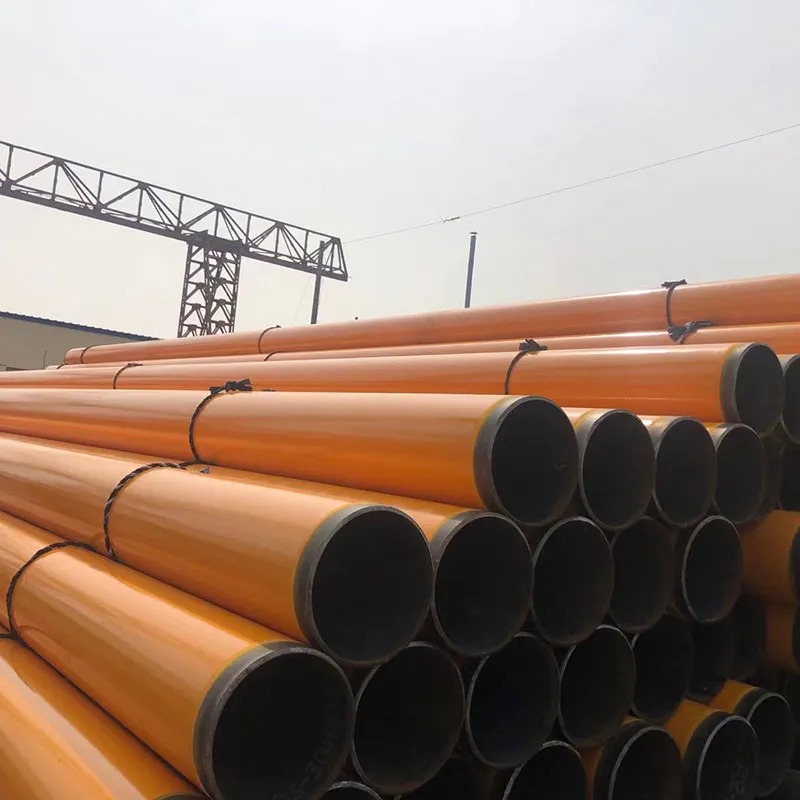
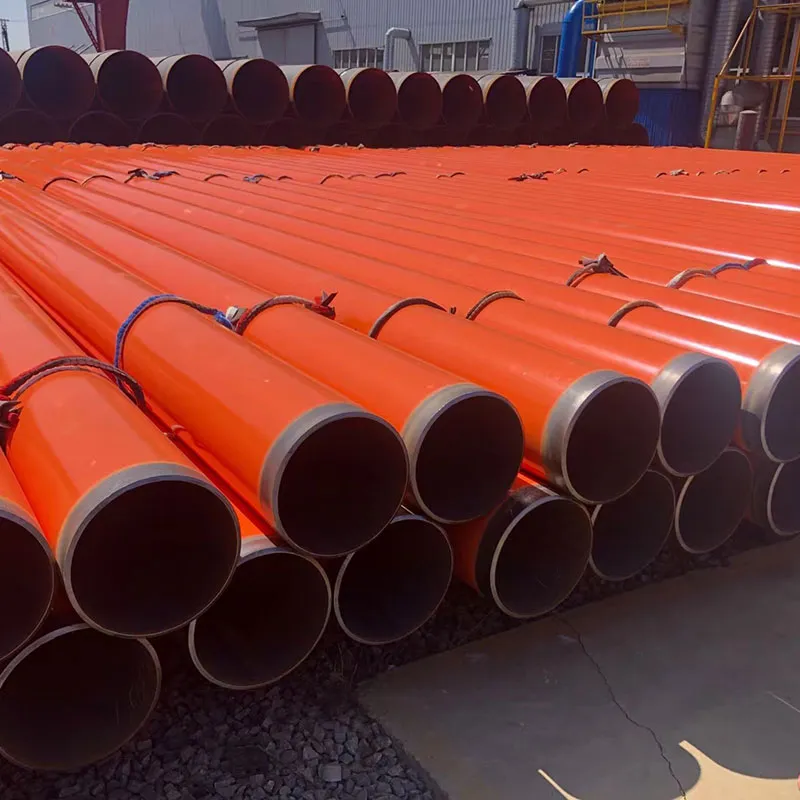
Epoxy coated steel pipe is commonly used for buried oil and gas pipelines, water transmission lines, sewage systems, fire water pipelines, industrial fluid transport and corrosion-control projects. Buyers should confirm whether the coating is required on the internal surface, external surface or both, because liquid epoxy lining, internal epoxy coating and external epoxy coating may have different thickness, curing, holiday test and inspection requirements.
For quotation, the inquiry should state the base pipe standard, steel grade, pipe size, wall thickness, epoxy coating or lining type, coating thickness, surface preparation grade, holiday test requirement, cutback length, repair rule and required inspection documents. Common project references may include API RP 5L2, AWWA C210, CSA Z245.20, AS 3862 or owner-specific coating specifications.
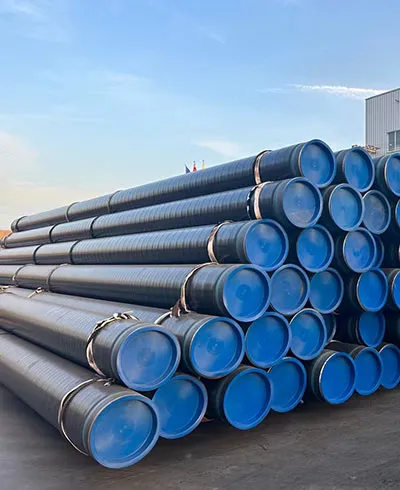
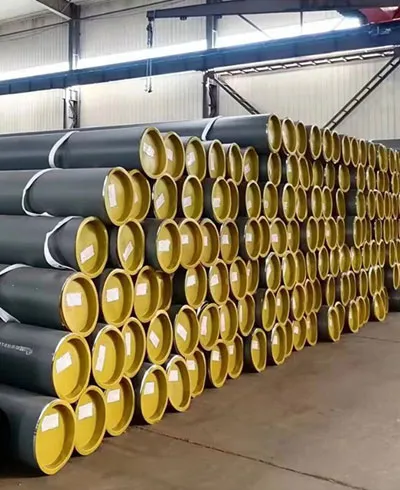
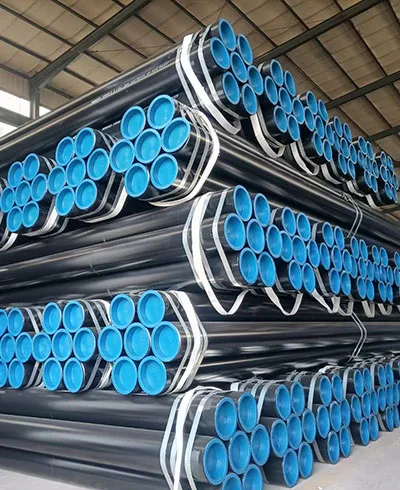
Before shipment, Forever Steel can provide mill test certificates, coating thickness checks, visual inspection, holiday test records, packing photos and third-party inspection support when required. For export orders, end protection, lifting control and stable packing are important to reduce coating scratches during inland transport and sea shipment.
Define whether protection is required internally, externally or on both surfaces. The service medium, temperature, field-joint method and project coating specification determine the suitable epoxy system.
| Service | Typical decision | Evidence to define |
|---|---|---|
| Potable or raw water | Internal epoxy lining can provide a smooth, corrosion-resistant bore | Approved resin, potable-water acceptance, DFT and holiday criteria |
| Buried water, sewage or fire water | Internal lining, external epoxy or a combined system may be specified | Soil exposure, cathodic-protection interface, cutback and repair procedure |
| Oil, gas or industrial fluid | Select the resin and base-pipe route for the actual medium and temperature | Chemical compatibility, immersion condition, cure window and project standard |
| Field joints and repairs | Use the approved field-joint and repair system | Cutback length, surface preparation, repair material and re-test record |
There is no single universal epoxy thickness or holiday-test voltage. The approved coating system, pipe size, lining location, standard edition and project ITP determine the acceptance values.
| System Type | Common Name | Typical Application |
| External FBE | Single Layer FBE | General corrosion protection for buried oil & gas lines. |
| External DFBE | Dual Layer FBE | Harsh environments (rocky terrain, high-temperature lines). |
| Internal Lining | Liquid Epoxy | Water transport (potable/waste) and flow efficiency in gas lines. |
| Internal FBE | Heavy Duty Epoxy | Severe corrosive media, chemicals, and salt water. |
| Parameter | Technical Detail / Requirement |
| Standard References | AWWA C210 / C213, API RP 5L2, CSA Z245.20, AS 3862 |
| Coating Thickness | External FBE: 300 – 600 μm (Typical: 400 μm) |
| Internal Lining: 150 – 500 μm (Project specific) | |
| Surface Preparation | Sa 2.5 (Near-White Metal) as per ISO 8501-1 |
| Anchor Profile | 50 μm – 100 μm (Required for mechanical bonding) |
| Service Temperature | Up to 110°C (Special high-temp powders available) |
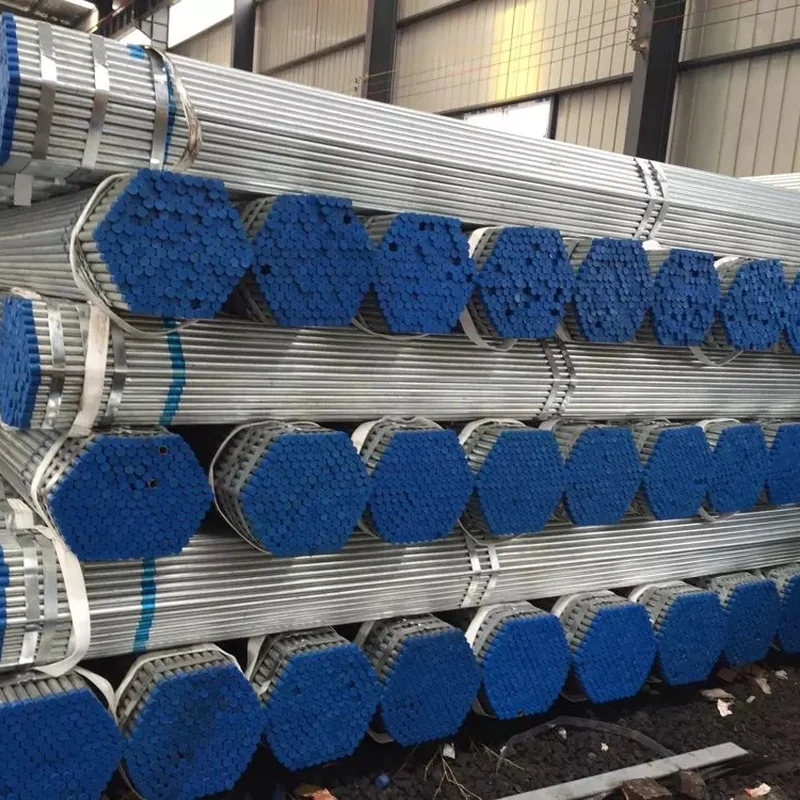
We use export-oriented packing and loading methods based on the product type, including end protection, stable bundling or blocking, waterproof wrapping where needed, and careful loading control. The goal is to reduce rust, scratches, bevel damage, face damage, coating damage, thread damage, or handling impact during domestic transport and long sea shipment.