+8615674993216
 sales@forever-steels.com
 English
 العربية

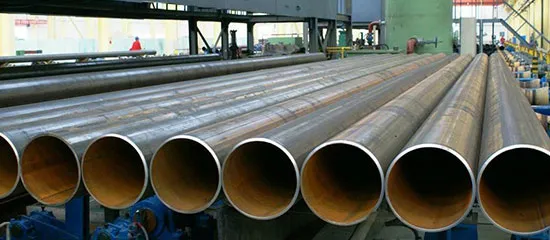
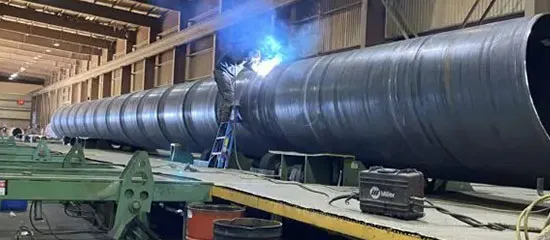
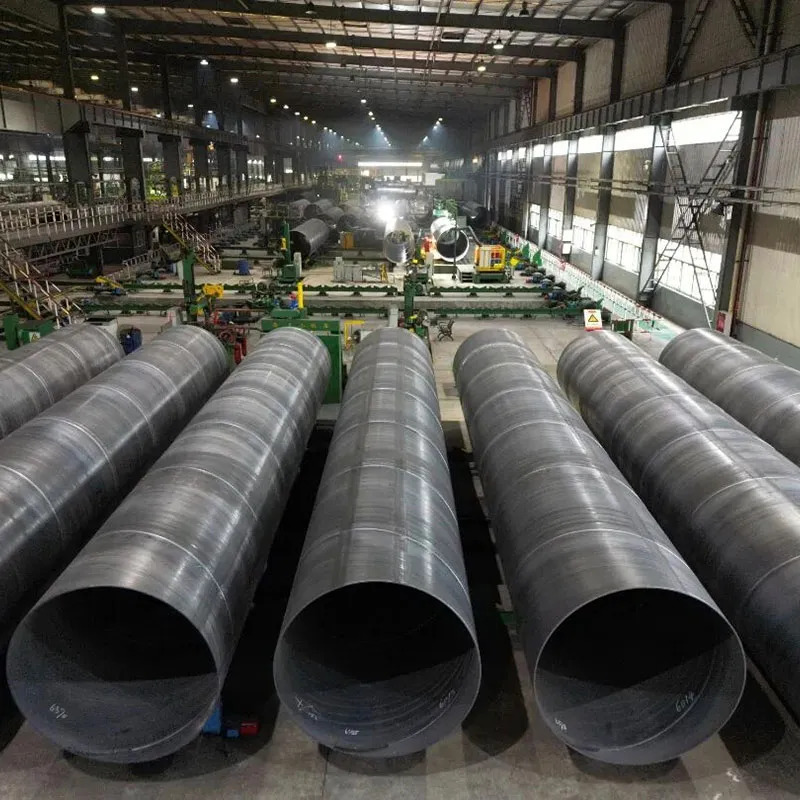
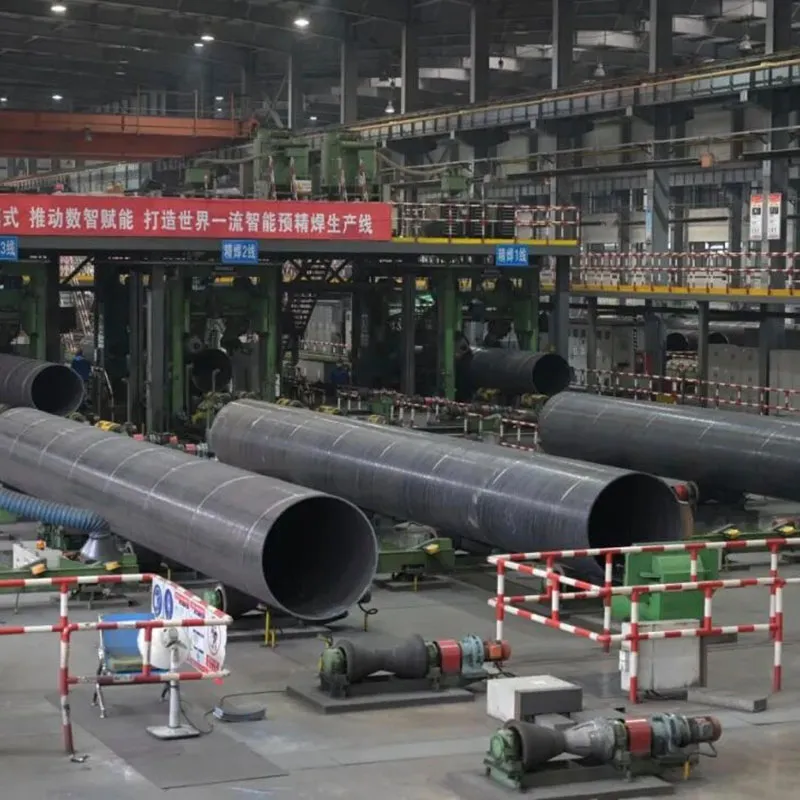
Unlike ERW or LSAW pipes, which have a straight longitudinal seam, SSAW pipes are manufactured by rolling structural steel strips at a specific helix angle (forming angle). The edges are then welded together using submerged arc welding to create a continuous spiral seam. This process allows for the production of very large-diameter pipes using relatively narrow steel strips.For long-distance water transmission, piling and large-diameter project lines, SSAW pipe often gives buyers a practical balance between size availability, welding efficiency and project cost.
Compare manufacturing routes before RFQ: use the SSAW, seamless, ERW and LSAW pipe decision guide to check diameter range, service, weld inspection, coating and project approval before fixing the SSAW route.
Production Versatility:The primary advantage of SSAW is the ability to produce pipes of different diameters using the same width of steel strip by simply adjusting the welding angle.
Large Diameter Capability:This method is the most efficient for producing exceptionally large-diameter pipes (up to 3000mm or more) that would be difficult or impossible to manufacture via other methods.
Stress Distribution:Due to the spiral weld, the internal pressure stress is distributed more evenly across the pipe body. The weld seam is also 30% to 50% longer than a straight seam, which in some structural contexts provides additional rigidity.
Continuous Manufacturing:The process is continuous and highly automated, making it a cost-effective solution for large-scale infrastructure projects.
Our spiral welding process allows for a flexible range of diameters and wall thicknesses to meet specific project engineering requirements:
Outside Diameter (O.D.):8" – 138" (219.1mm – 3500mm)
Wall Thickness (W.T.):3.2mm – 40mm
Single Pipe Length:*Standard:5.8m – 12m
Extra Long:Customized lengths up to 30 meters to minimize on-site circumferential welding.
We ensure strict adherence to international regulatory frameworks to guarantee safety and performance:
Oil & Gas / Fluid:API SPEC 5L(PSL1),ASTM A252(Grades 1, 2, 3),ASTM A53.
Water & Infrastructure:AWWA C200,BS 534,EN 10217.
Structural & Piling:EN 10219(S235JRH, S355J2H),JIS G3444(STK400, STK490),AS/NZS 1579.
To facilitate efficient field jointing and structural stability, we offer customized end treatments:
Bevelled Ends:Precisely machined to 30° (+5°/-0°) with a 1.6mm root face perANSI B16.25, ideal for butt welding.
Plain Ends:Square cut (90°) for structural piling or mechanical connection.
Specialized Joints:Spigot and socket joints for water pipelines (rubber ring or welding).
We provide comprehensive coating solutions to extend the service life of pipelines in aggressive soil or marine environments:
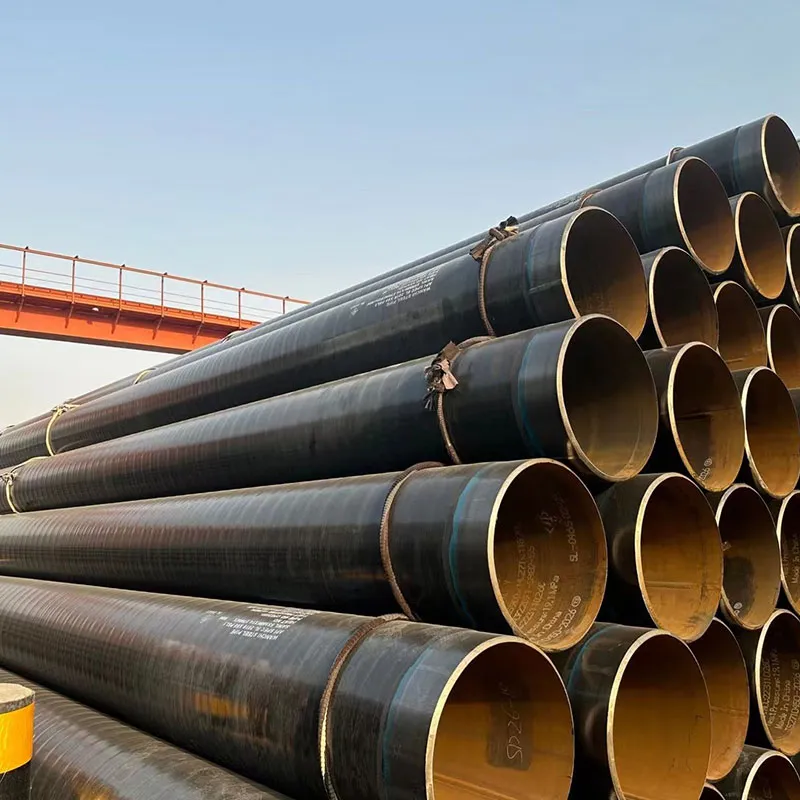
External Coating:3PE (Three-Layer Polyethylene), FBE (Fusion Bonded Epoxy), or Coal Tar Epoxy compliant withDIN 30670.
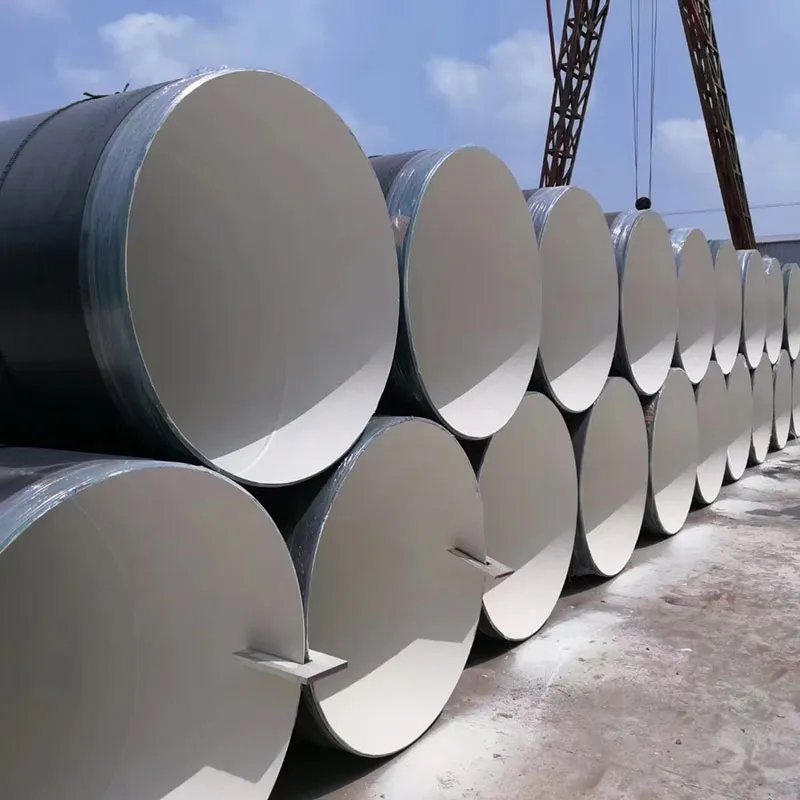
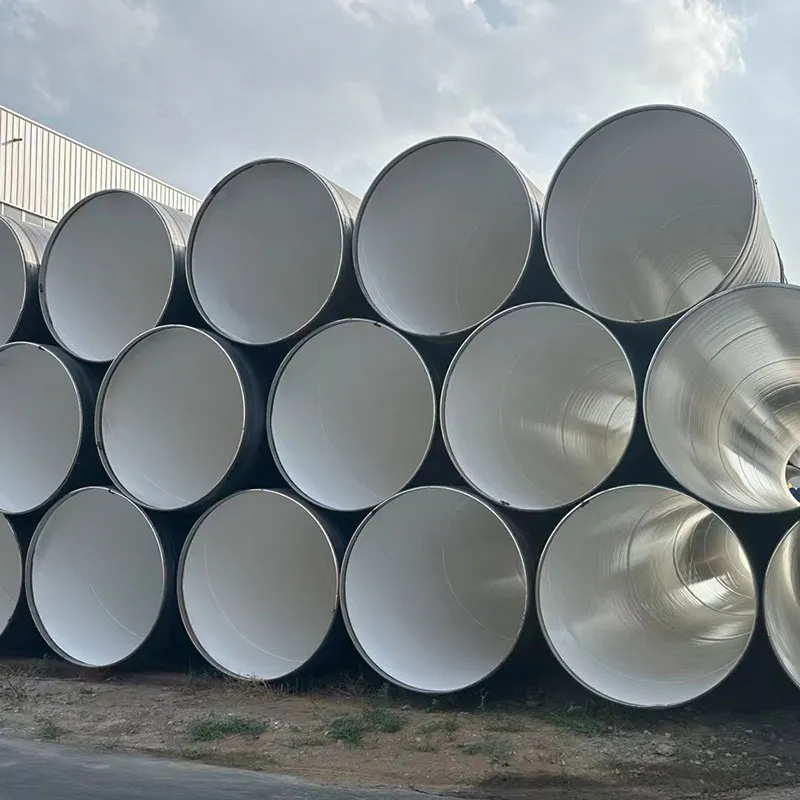
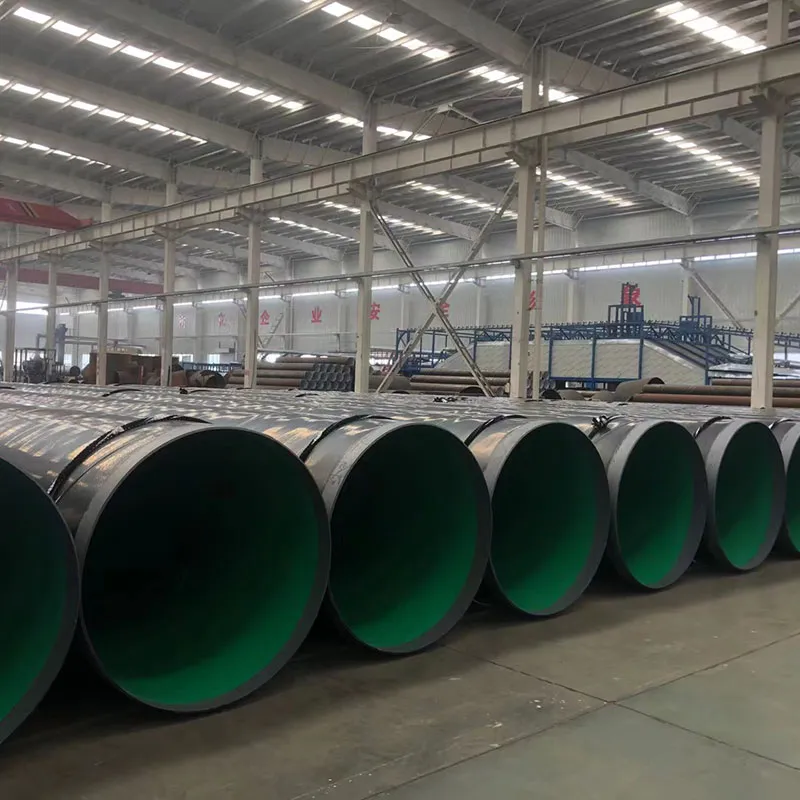
Internal Lining:Liquid epoxy, cement mortar lining (CML), or bitumen lining to ensure water purity and flow efficiency.
Atmospheric Protection:High-build Zinc-Rich Epoxy primers for structural components.
Weld Integrity:100% Online Ultrasonic Testing (UT) and X-ray inspection of the entire spiral weld seam.
Dimensional Control:Strict monitoring of diameter, ovality, and straightness to ensure perfect alignment during field installation.
Testing Regime:Hydrostatic testing and guided bend tests are conducted as standard protocol.
Certification:Mill Test Certificates (MTC) issued perEN 10204 3.1. We fully welcome third-party inspections bySGS, BV, or TUV.
· AWWA C200 vs API 5L SSAW Pipe: Which Specification Fits Water Projects?
· SSAW Steel Pipe Supplier: What Buyers Should Confirm Before Ordering
· SSAW Steel Pipe for Water Transmission, Piling and Infrastructure Projects
· ASTM A252 Pipe Pile Selection Guide
· Weld Seam Inspection for ERW, LSAW and SSAW Pipes
Pipe Coating Inspection Before Shipment: Thickness, Adhesion, Holiday Test and Repair Records
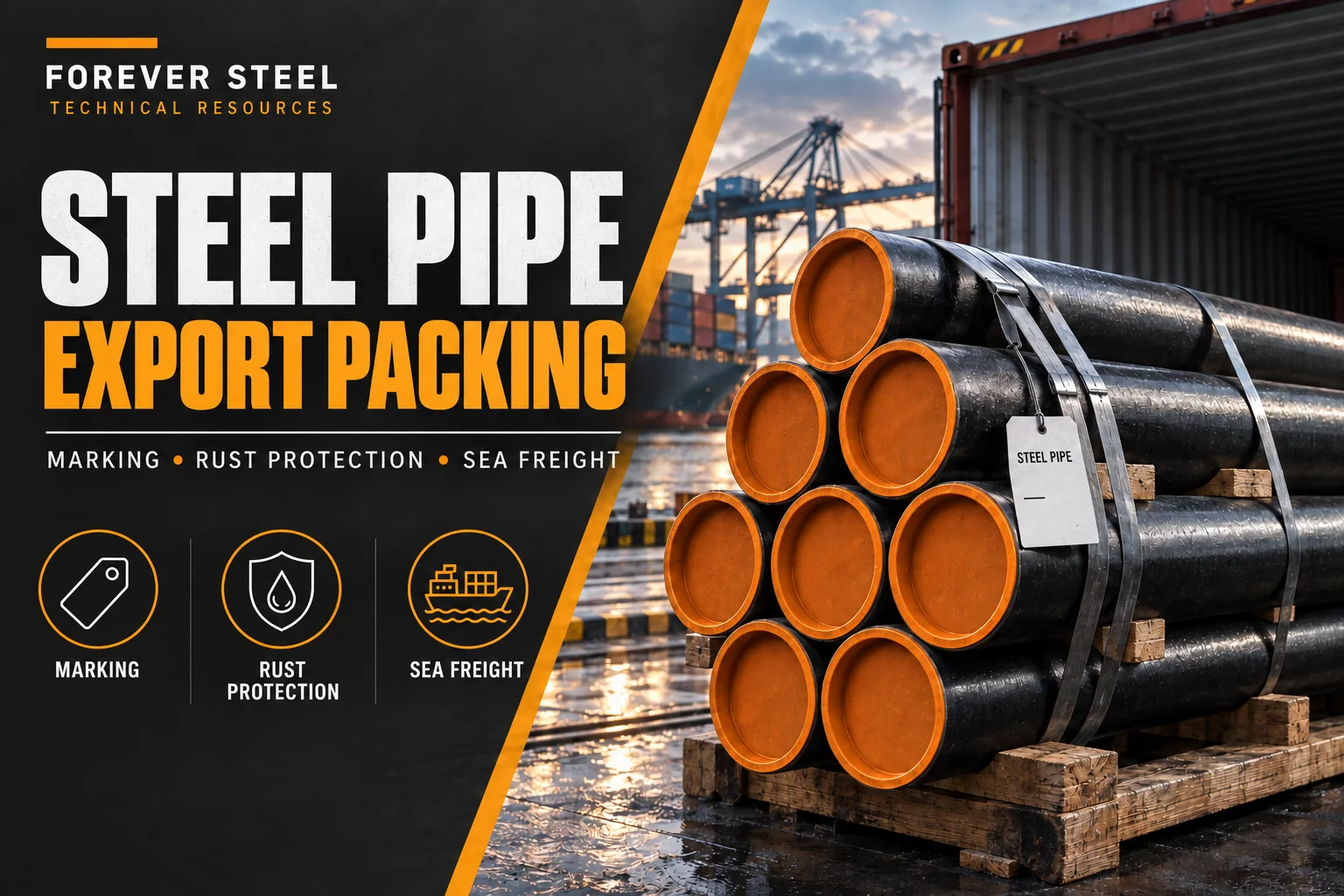
Given the large dimensions of SSAW pipes, our logistics team optimizes loading to ensure cost-efficiency and cargo safety:
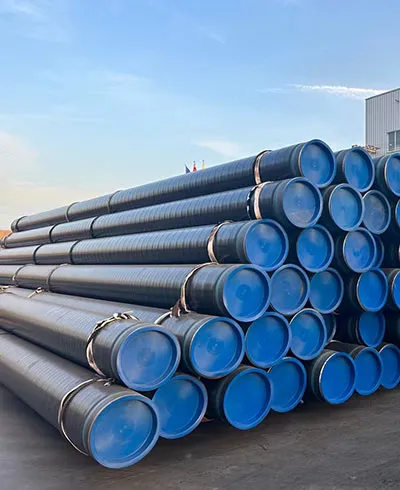
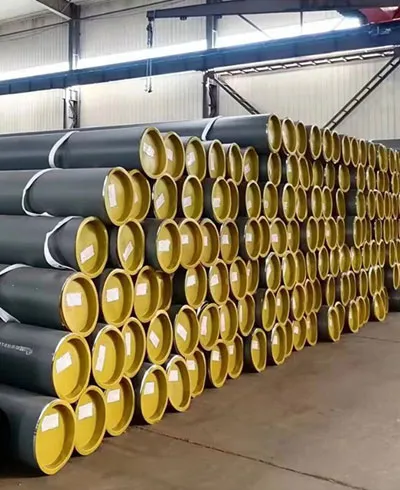
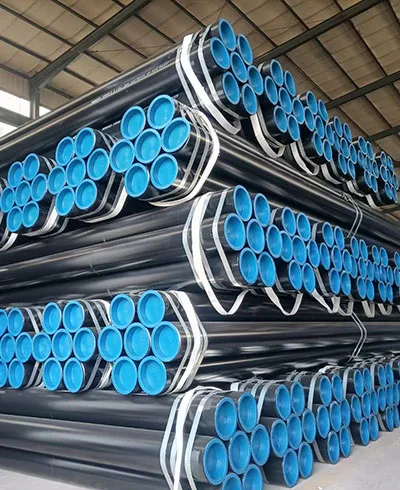
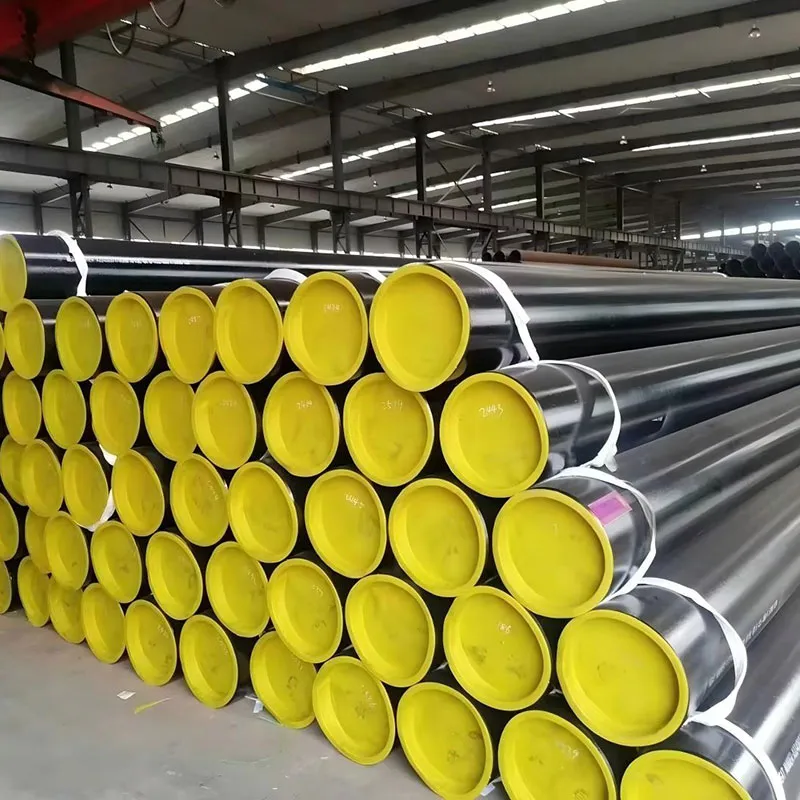
Pipe Protection:End protectors (plastic or metal) to safeguard bevels; internal bracing for large-diameter pipes to prevent deformation during handling.
Marking:Detailed stenciling including Heat No., Pipe No., Dimension, Steel Grade, and Project ID for seamless traceability.
Shipping & Handling:* Utilization ofnylon lifting beltsto prevent surface scarring.
Expertsea-worthy lashingand timber dunnage for bulk vessel shipments.
Nested Loading:Small diameter pipes can be nested inside larger ones to maximize container/vessel space and reduce freight costs.
SSAW steel pipes are the preferred choice for projects requiring high volume, large diameters, and cost-efficiency:
This is the most common application for SSAW pipes. They are widely used as the primary trunk lines for municipal water delivery, industrial water circulation, and sewage discharge. Their large diameter allows for the movement of massive volumes of fluid.
In the construction industry, SSAW pipes are frequently used asSteel Pipe Piles.
Port and Dock Construction:Used as foundational pillars for piers and wharves.
Bridge Support:Serving as the core structural piles for bridge foundations.
Urban Infrastructure:Used in the construction of subways and high-rise foundation reinforcement.
While LSAW is typically preferred for high-pressure combustible gas, SSAW is extensively used for the transport of low-to-medium pressure natural gas, steam, and coal gas in urban heating and industrial grids.
Due to their aesthetic spiral seam and high strength, they are often used as structural columns in large-scale architectural projects, such as airport terminals, warehouses, and electricity transmission towers.
Used for transporting slurry in mining operations and as protective casing pipes in various drilling and industrial cooling systems.
Use the project application and acceptance requirements to choose the manufacturing route. Diameter alone should not decide between SSAW, LSAW and ERW.
| Project need | Why buyers consider SSAW | Confirm before approval |
|---|---|---|
| Large water main or intake line | Large OD and long-length production can reduce field joints | Hydraulic design, jointing method, lining/coating and hydrotest plan |
| Pipe pile or port foundation | Large-diameter and heavy-wall options support structural applications | ASTM A252 or structural standard, design loads and weld acceptance |
| Long-distance line pipe | API 5L SSAW may be considered where the project accepts the spiral-welded route | PSL, seam NDT extent, toughness and owner specification |
| Tighter straightness or a shorter weld seam is critical | Compare LSAW or ERW before selecting the route | Route feasibility, dimensional tolerance, inspection and installed cost |
Published size ranges are a quotation starting point. The final OD, wall thickness, grade and test combination must be confirmed against the approved drawing, purchase specification and ITP.
State the application, OD, WT, quantity, length, standard and edition, grade, PSL where applicable, end/bevel, coating or lining, hydrostatic and weld-seam NDT requirements, MTC/traceability, third-party inspection, marking, packing and delivery terms.
| Outer Diameter (OD) | Wall Thickness (WT) Range | Length Range | Common Standards |
| 8" (219.1 mm) | 5.0 mm – 12.0 mm | 6m – 12.0m | API 5L / ASTM A53 |
| 10" (273.1 mm) | 5.0 mm – 14.0 mm | 6m – 12.0m | Low-pressure fluid |
| 12" (323.9 mm) | 6.0 mm – 16.0 mm | 6m – 18.0m | Water Transmission |
| 16" (406.4 mm) | 6.0 mm – 18.0 mm | 6m – 18.0m | Structural Piling |
| 20" (508.0 mm) | 6.0 mm – 20.0 mm | 6m – 20.0m | ASTM A252 Gr. 2/3 |
| 24" (610.0 mm) | 6.0 mm – 22.0 mm | 6m – 20.0m | SY/T 5037 / 5040 |
| 32" (820.0 mm) | 7.0 mm – 25.0 mm | 6m – 25.0m | Municipal Sewage |
| 40" (1020.0 mm) | 8.0 mm – 25.0 mm | 6m – 25.0m | Bridge Foundations |
| 48" (1220.0 mm) | 9.0 mm – 25.4 mm | 6m – 30.0m | Dredging Pipelines |
| 56" (1420.0 mm) | 10.0 mm – 28.0 mm | 6m – 30.0m | Large Water Mains |
| 64" (1620.0 mm) | 12.0 mm – 30.0 mm | 6m – 30.0m | Sea Water Intake |
| 80" (2032.0 mm) | 14.0 mm – 32.0 mm | 6m – 30.0m | Port Construction |
| 96" (2438.0 mm) | 16.0 mm – 35.0 mm | 6m – 30.0m | Specialized Piling |
| 120" (3048.0 mm) | 18.0 mm – 38.0 mm | 6m – 30.0m | Mega-Infrastructure |
| 138" (3500.0 mm) | 20.0 mm – 40.0 mm | 6m – 30.0m | Max SSAW Capability |
| Standard | Outside Diameter (D) | Wall Thickness (t) | Length (L) |
| API 5L(Line Pipe) |
Pipe Body:D<508 mm: ±0.75% D≥508 mm: ±1.00% Pipe End: ±1.6 mm (0.063 in) |
t≤5.0 mm: +0.6 / −0.5 mm
5.0 t≥15.0 mm: +1.5 / −1.2 mm |
Random: ±500 mm Fixed: +50 / 0 mm |
| ASTM A252(Piling) | ±1% of the specified OD | −12.5%(No maximum specified) |
Single Random: 16–25 f Double Random: >40 ft Fixed: ±1 in |
| EN 10219(Structural) |
±1%(Minimum ±0.5 mm, Maximum ±10 mm) |
D≤406.4 mm: ±10% D>406.4 mm: ±10%(Maximum ±2 mm) |
Fixed Lengths: <6000 mm: +10/0 mm ≥6000 mm: +15/0 mm |
| AS/NZS 1163(Australia) | ±1%(Maximum ±10 mm) |
±10%(Note: Lower limits may apply for specific thickness ranges) |
Standard: +15/−0 mm(Unless otherwise agreed) |
| Chemical Components (%) | Mechanical Properties | Impact Test | ||||||
| Standard | Grade | C (%) max | Mn (%) max | P (%) max | S (%) max | Yield Strength (MPa) min | Tensile Strength (MPa) min | CVN Impact Energy (J) min |
| API 5L | B (PSL1) | 0.28 | 1.2 | 0.03 | 0.03 | 245 | 415 | Not Required |
| B (PSL2) | 0.24 | 1.2 | 0.025 | 0.015 | 245 – 450 | 415 – 655 | 27 J @ 0°C | |
| X42 (PSL1) | 0.28 | 1.3 | 0.03 | 0.03 | 290 | 415 | Not Required | |
| X42 (PSL2) | 0.24 | 1.3 | 0.025 | 0.015 | 290 – 495 | 415 – 655 | 27 J @ 0°C | |
| X52 (PSL1) | 0.28 | 1.4 | 0.03 | 0.03 | 360 | 460 | Not Required | |
| X52 (PSL2) | 0.24 | 1.4 | 0.025 | 0.015 | 360 – 530 | 460 – 760 | 27 J @ 0°C | |
| X60 (PSL1) | 0.28 | 1.4 | 0.03 | 0.03 | 415 | 520 | Not Required | |
| X60 (PSL2) | 0.24 | 1.4 | 0.025 | 0.015 | 415 – 565 | 520 – 760 | 27 J @ 0°C | |
| X70 (PSL1) | 0.28 | 1.4 | 0.03 | 0.03 | 485 | 570 | Not Required | |
| X70 (PSL2) | 0.24 | 1.4 | 0.025 | 0.015 | 485 – 635 | 570 – 760 | 27 J @ 0°C | |
| ASTM A252 | Grade 1 | - | - | 0.05 | - | 205 | 345 | Not Required |
| Grade 2 | - | - | 0.05 | - | 240 | 415 | Not Required | |
| Grade 3 | - | - | 0.05 | - | 310 | 455 | Not Required | |
| ASTM A53 | Grade A | 0.25 | 0.95 | 0.05 | 0.045 | 205 | 330 | Not Required |
| Grade B | 0.3 | 1.2 | 0.05 | 0.045 | 240 | 415 | Not Required | |
| EN 10219 | S235JRH | 0.17 | 1.4 | 0.04 | 0.04 | 235 | 360 – 510 | 27 J @ 20°C |
| S275J0H | 0.2 | 1.5 | 0.035 | 0.035 | 275 | 410 – 560 | 27 J @ 0°C | |
| S355J2H | 0.22 | 1.6 | 0.03 | 0.03 | 355 | 470 – 630 | 27 J @ −20°C | |
| AS/NZS 1163 | C250 / L0 | 0.2 | 1.6 | 0.04 | 0.03 | 250 | 320 | 27 J @ 0°C |
| C350 / L0 | 0.2 | 1.6 | 0.04 | 0.03 | 350 | 430 | 27 J @ 0°C | |
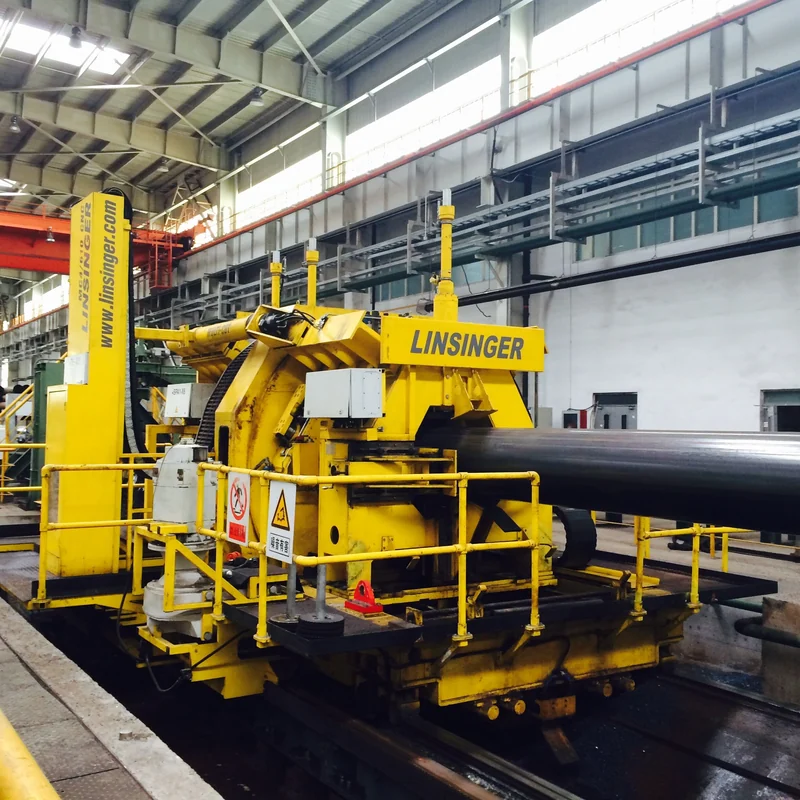
SSAW steel pipe is made by forming steel strip from a coil into a cylindrical shape at a controlled spiral angle, then welding the helical seam by submerged arc welding. Production continues through cutting, end preparation, inspection and the ordered surface protection. The sequence depends on whether the mill uses an online one-stage route or a separate forming and finish-welding route.
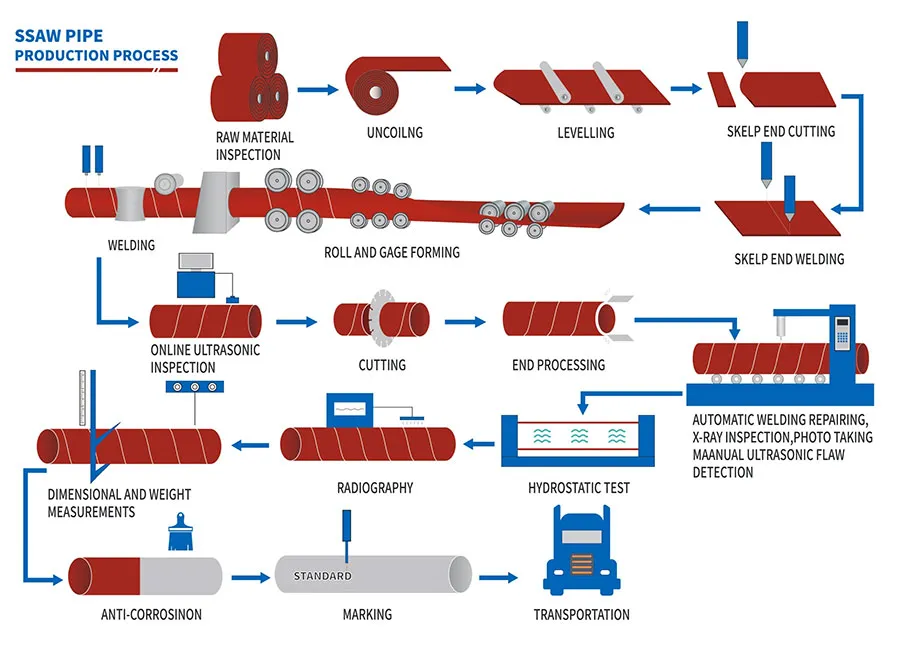
1. Coil Inspection and Traceability: Check coil identity, material certificates, thickness, width and surface condition against the order. Keep material identification traceable through pipe production and final marking.
2. Uncoiling, Levelling and Edge Preparation: Uncoil and level the strip, prepare coil ends for continuous feeding and machine the strip edges as required. Control strip width and joint preparation before forming.
3. Spiral Forming: Feed the strip through forming rolls at the selected angle to produce the required pipe diameter. Monitor edge alignment, diameter and roundness as the helical seam is formed.
4. Seam Alignment and Pre-welding: Maintain the seam fit-up for the selected production route. In a two-stage route, continuous tack welding holds the formed pipe before separate submerged arc finish welding; this is not a universal extra stage on every SSAW line.
5. Internal and External Submerged Arc Welding: Complete the spiral seam with internal and external submerged arc welds under the approved welding procedure. Control joint alignment, welding parameters and consumable condition throughout production.
6. Cutting and Pipe-End Preparation: Cut the pipe to the ordered length at the appropriate stage of the production route. Machine plain or bevelled ends and check end geometry for the specified field-joint requirements.
7. Weld Inspection and Required Testing: Inspect the spiral seam using the NDT methods and coverage required by the standard and inspection plan. Confirm hydrostatic testing for the intended service and order; piling and pressure-pipe requirements should not be treated as identical.
8. Surface Protection and Final Release: Apply the ordered coating, lining or temporary protection and perform the applicable finish checks. Verify dimensions, marking, inspection records and packing before release for shipment.
Before ordering: State the application, standard and edition, grade, OD, wall thickness, length, seam NDT coverage, hydrotest requirements, end preparation, coating or lining, and document package.
Our SSAW steel pipes are ideal for large-diameter water transmission, piling projects, and low-pressure fluid transport, with customizable diameters and wall thicknesses to meet your specific structural needs.
We ensure all SSAW pipes strictly comply with international standards such as API 5L, ASTM A53, and ASTM A252, providing the necessary reliability for high-stress infrastructure projects.
Every pipe undergoes rigorous Internal Quality Control, including X-ray inspection and Hydrostatic testing, to guarantee the strength and safety of the spiral weld seam before it leaves our facility.
Yes, we offer anti-corrosion coatings like 3PE or Epoxy and use sea-worthy packaging with pipe-end protectors to ensure your SSAW pipes arrive in perfect condition without rust or physical damage.