+8615674993216
 sales@forever-steels.com
 English
 العربية

API 5L Grade B, X42, and X52 are common line pipe grades in oil, gas, and pipeline projects. They are often quoted in the same project discussion, but they should not be selected only by price or availability.
In simple terms, the X grades generally indicate higher yield strength levels. X52 is higher than X42, and X42 is higher than Grade B. But higher strength is not automatically the better buying choice. The correct grade depends on design pressure, wall thickness, PSL level, welding requirements, temperature, coating, and the project specification.
| API 5L grade | Relative yield-strength level | Ordering implication |
|---|---|---|
| Grade B | Lower than X42 and X52 | Use only where the approved design and purchase specification permit Grade B. |
| X42 | Higher than Grade B; lower than X52 | Confirm the specified PSL, delivery condition, dimensions and test scope. |
| X52 | Higher than Grade B and X42 | Higher grade alone does not authorize a thinner wall or establish the required PSL. |
Grade names are not pressure ratings. Pipeline length or a general description such as high pressure is not sufficient to select a grade; use the approved design and applicable standard edition.
Many buyers start from the API 5L line pipe product range, then narrow the choice by grade, PSL level, manufacturing process, and coating system.
API 5L pipe is not fully defined by grade alone. The same grade can still differ in process, PSL level, test scope, coating, and documents.
|
Selection Factor |
Why It Matters |
|
PSL1 or PSL2 |
PSL2 usually has stricter chemical, mechanical, and testing expectations |
|
Manufacturing process |
|
|
Wall thickness |
Strength grade works together with wall thickness in design |
|
Low-temperature or impact requirement |
May add toughness testing and affect material selection |
|
Coating |
Buried or corrosive environments may need 3LPE, FBE, or epoxy |
|
Inspection documents |
MTC 3.1 and third-party inspection may be required |
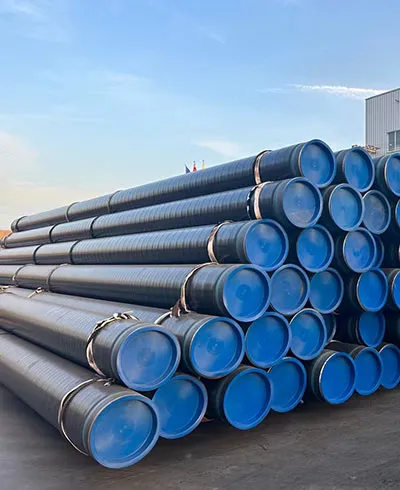
For buried pipelines, the base pipe grade is only the starting point. The buyer may also need 3LPE coated steel pipe or another coating system to meet corrosion protection requirements.
It is tempting to assume X52 is better than X42 because it has a higher strength level. In real projects, the question is not "Which grade is higher?" The question is "Which grade matches the design and can be welded, inspected, delivered, and accepted?"
|
Misunderstanding |
Better Buying Logic |
|
X52 is always better than X42 |
X52 must match design, welding, and toughness requirements |
|
Grade B can replace X42 if size is the same |
Substitution needs engineering approval |
|
API 5L grade alone is enough |
PSL level, coating, process, and documents still matter |
|
Price depends only on OD and wall thickness |
Grade, tests, coating, and inspection also affect cost |
In some project cases, a lower grade with the correct wall thickness and documentation is the approved choice. In other cases, the specification requires X52 PSL2 and third-party inspection, so a Grade B offer is not acceptable even if the size matches.
| Procurement status | What the buyer should provide | Quotation / approval basis |
|---|---|---|
| Grade and PSL already specified | Approved pipe specification, dimensions, delivery condition, coating and inspection requirements | Quote the exact requirement and list any deviations separately. |
| Supplier proposes another grade | Original requirement, proposed grade and a documented technical comparison | Obtain approval from the project engineer or specification owner before substitution. |
| Design or grade not yet fixed | Service conditions, design pressure and temperature, dimensions and governing design code | Identify missing design inputs; treat any offer as conditional until the responsible engineer confirms the material. |
For a project in the Middle East, the final pipe supply may include API 5L grade selection, 3LPE coating, bevel end preparation, end caps, heat number tracking, and full inspection documents. A similar workflow appears in many oil and gas pipeline project cases, where the project acceptance package is as important as the pipe size.
Instead of sending "API 5L pipe price", use a more complete description:
API 5L X52 PSL2 line pipe, 16 inch, 12.7 mm WT, LSAW, 12 m length, beveled ends, 3LPE external coating, hydrostatic test, UT, MTC 3.1 and third-party inspection required.
For an inquiry following this LSAW example, use the LSAW steel pipe product specifications to review the supply scope, then submit the complete size, grade, PSL, coating and inspection requirements for feasibility and quotation.
If the grade is not fixed, send the design information:
Line pipe for natural gas transmission, design pressure to be confirmed by engineer, buried service, external coating required, project in Saudi Arabia, API 5L preferred.
This gives the supplier enough context to ask the right questions instead of quoting a random stock item.
Yes. X52 generally has a higher yield strength level than X42. The final selection should still follow project design pressure, wall thickness, PSL level, welding requirements, and inspection rules.
Not automatically. A replacement should be approved by the project engineer, end user, or specification owner.
PSL1 and PSL2 are product specification levels. PSL2 generally involves stricter requirements and may include additional testing or documentation. Buyers should follow the project specification.
There is no single best grade. Grade B, X42, and X52 are all used, but the correct grade depends on design pressure, wall thickness, environment, coating, and project approval.
API 5L grade selection should be made from the project requirement outward. Start with the specification, pressure, wall thickness, PSL level, and coating. Then compare price among technically equal offers.
Confirm the ordered edition and applicable test or acceptance requirements against the project specification.
Continue with these closely related Forever Steel technical resources: