+8615674993216
 sales@forever-steels.com
 English
 العربية

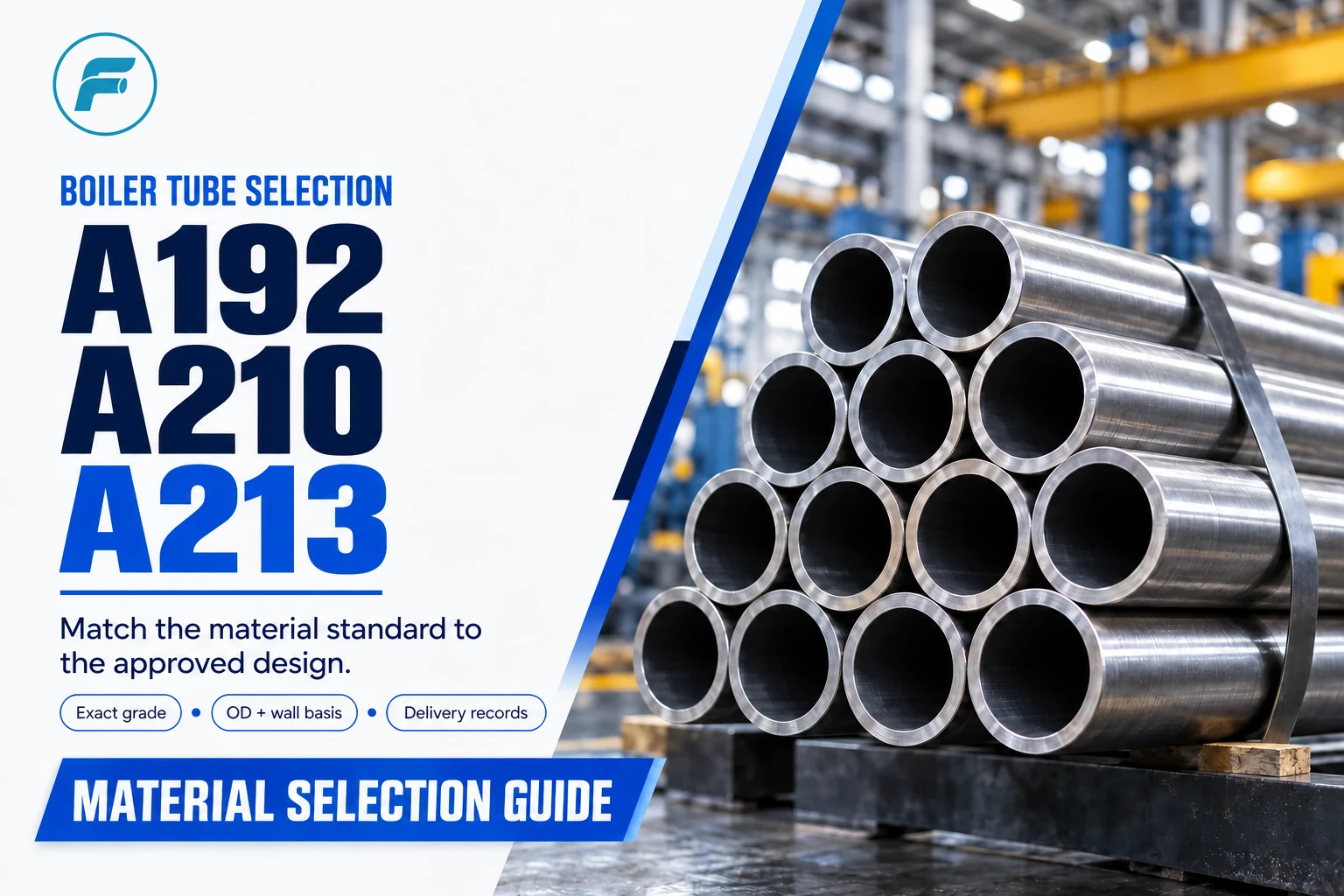
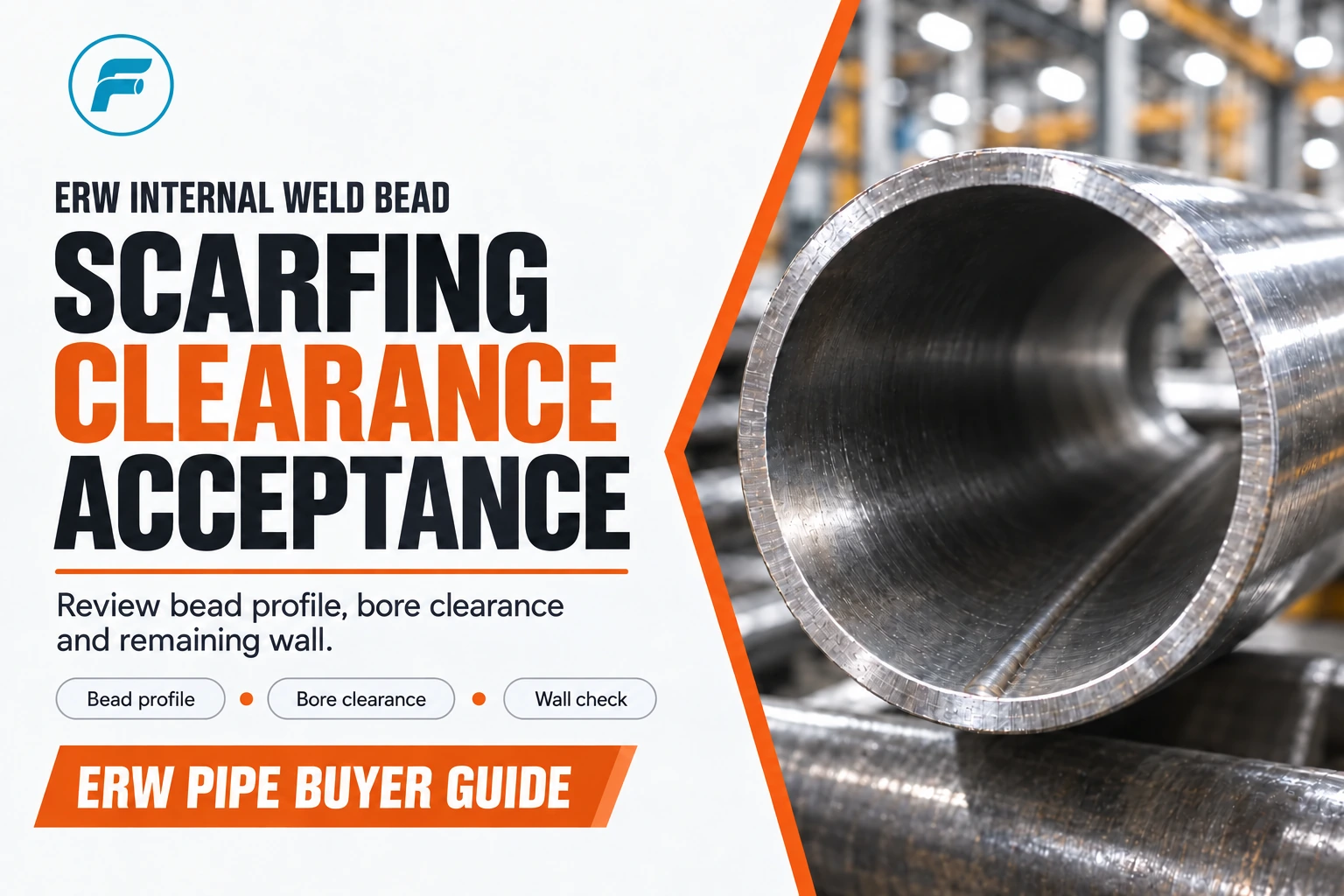
Choose a carbon steel pipe standard by its approved application, then specify the grade within that standard. ASTM A53 covers general-service pipe, ASTM A106 seamless pipe for high-temperature service, API 5L line pipe, ASTM A333 low-temperature pipe, ASTM A252 piling pipe, and EN 10210/10219 structural hollow sections. These are starting families to check against the project specification, not interchangeable approvals.
A quotation needs the full standard and grade, manufacturing route, OD and wall, length, quantity, ends, coating, test scope and inspection documents. “Grade B”, “Sch 40” or “black pipe” alone does not identify an acceptable material. Use the comparison table below before preparing the RFQ.
The table below is a practical starting point. It is not a design substitute, but it helps buyers understand why the supplier asks follow-up questions.
|
Standard |
Common Use |
Common Grades |
Typical Product Form |
|
ASTM A53 |
General fluid, low and medium pressure, mechanical use |
Gr.A, Gr.B |
Seamless or welded |
|
ASTM A106 |
High-temperature service |
Gr.A, Gr.B, Gr.C |
Seamless |
|
API 5L |
Oil and gas transmission pipelines |
Grade B, X42, X52, X60 |
Seamless, ERW, LSAW, SSAW |
|
ASTM A333 |
Low-temperature service |
Gr.6 and other grades |
Seamless or welded |
|
ASTM A252 |
Piling pipe |
Gr.1, Gr.2, Gr.3 |
Seamless or welded |
|
EN 10210 / EN 10219 |
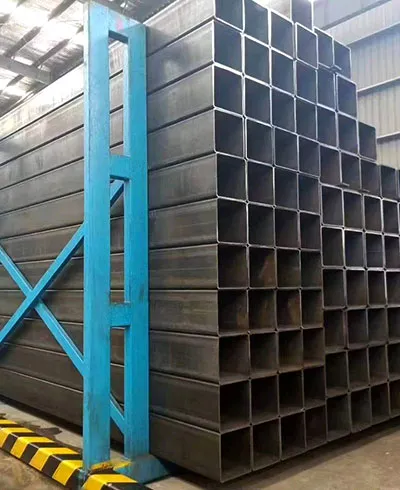
Structural hollow sections |
S235, S275, S355 |
Hot finished or cold formed |
If the project only says “carbon steel pipe,” buyers should first decide whether the required manufacturing route is seamless or welded, then confirm the final standard and grade from the drawing, tender, or end-user specification.
Before price, the supplier needs to know what the pipe must comply with. A complete inquiry does not need to be complicated. It should answer these questions:
|
Quote Detail |
Example |
Why It Changes the Offer |
|
Standard |
ASTM A106 |
Defines production and inspection requirements |
|
Grade |
Gr.B |
Defines mechanical properties |
|
Size |
6 inch Sch 40 |
Defines theoretical weight and availability |
|
Process |
Seamless or ERW |
Affects application, cost, and delivery time |
|
End finish |
BE, PE, threaded |
Affects fabrication and packing |
|
Surface |
Black, galvanized, painted |
Affects processing and corrosion protection |
|
Testing |
Hydro, UT, impact |
Affects inspection cost and acceptance |
|
Documents |
MTC 3.1, CO, inspection report |
Affects customs and project approval |
This is especially important when the goods are used for project supply rather than stock resale. In many Middle East pipeline project cases, document control, marking, coating, and third-party inspection are confirmed before production because these items affect project acceptance.
Many quotation mistakes happen because commercial terms and technical grades are mixed together.
|
Term |
What It Means |
What It Does Not Mean |
|
Sch 40 |
Wall thickness series |
It is not a material grade |
|
Black steel pipe |
Surface condition |
It does not define ASTM or API compliance |
|
Seamless steel pipe |
Manufacturing process |
It does not define the steel grade |
|
Galvanized pipe |
Zinc-coated surface |
It does not confirm pressure or temperature suitability |
|
Grade B |
Grade name within a standard |
It must be tied to A53, A106, API 5L, etc. |
For example, "A106 Gr.B seamless pipe" is a usable technical description. "Seamless Grade B pipe" is incomplete because the standard is missing.
These three standards often overlap in commercial inquiries, especially for common nominal pipe sizes. The correct choice depends on service.
|
Buyer Situation |
More Likely Standard to Check |
|
Low or medium pressure fluid line |
ASTM A53, if project allows |
|
High-temperature service |
ASTM A106 |
|
Oil or gas transmission pipeline |
API 5L |
|
Buried pipeline with external coating |
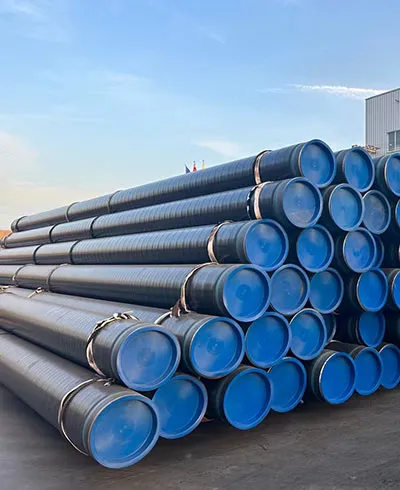
API 5L plus 3LPE coated steel pipe requirements |
|
General stock pipe for fabrication |
ASTM A53 or project-specific stock grade |
The key is to avoid choosing by price before the service condition is clear. A lower-cost pipe may be suitable for one job and unacceptable for another.
For a faster and more accurate offer, send the inquiry in this format:
ASTM A106 Gr.B seamless carbon steel pipe, 8 inch Sch 40, beveled ends, black painted, 12 m length, hydrostatic test, MTC 3.1 required, quantity 120 tons, destination Jebel Ali.
This short line gives the supplier enough information to check stock, production route, testing, documents, packing, and freight.
If you do not know the standard yet, send the service condition instead:
Carbon steel pipe for hot water line, working temperature 180 C, pressure 1.6 MPa, indoor installation, project in UAE, MTC required.
That allows the supplier to recommend a possible standard instead of guessing.
Common grades include ASTM A53 Gr.B, ASTM A106 Gr.B, API 5L Grade B, API 5L X42, API 5L X52, ASTM A333 Gr.6, and ASTM A252 Gr.2 or Gr.3. The correct grade depends on the standard and application.
No. Carbon steel describes the material family. Black steel pipe usually refers to surface condition. A black pipe can still require a specific ASTM, API, or EN standard.
The standard affects raw material, production method, inspection, tolerance, marking, and certificates. Without it, the quotation may not match the project requirement.
You can, but the price will be based on assumptions. For project purchasing, it is better to confirm standard, grade, process, coating, and documents before comparing prices.
A good carbon steel pipe inquiry protects both the buyer and the supplier. It reduces wrong-price comparisons, avoids project rejection, and helps the supplier quote the pipe that will actually pass inspection.
The standard name is only the starting point. It can identify a likely product family, but it does not select the material for a project. After choosing a candidate standard, add the edition, grade, manufacturing route, size and wall, delivery condition, test scope, ends, coating and documents.
| Use case | Typical starting family | Next check |
| General mechanical or pressure service | ASTM A53 or A106, as applicable | Design code, temperature and manufacturing route |
| Low-temperature service | ASTM A333 | MDMT and impact-test basis |
| Line pipe | API 5L | PSL, grade, delivery condition and project additions |
| European pressure pipe | Applicable EN product standard | Material designation and conformity route |
Forever Steel can compare a completed line item with available carbon seamless steel pipe and welded routes. Any equivalence or substitution must be approved against the complete technical requirements, not only tensile strength.
Confirm the ordered edition and applicable test or acceptance requirements against the project specification.