+8615674993216
 sales@forever-steels.com
 English
 العربية





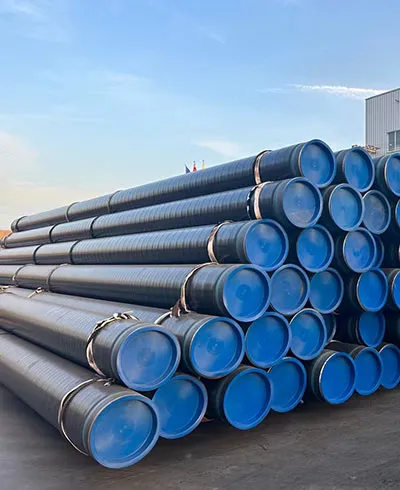
For freight estimates, use the smallest rectangular space occupied by the packed cargo: round pipe is normally estimated from OD × OD × length, while square and rectangular hollow sections use their outside dimensions. Separate theoretical volume from actual packing and loading assumptions.
|
USE THREE NUMBERS Keep the single-piece theoretical CBM, package gross CBM and total gross weight separate. The smallest of the length, payload, geometric layout and handling limits determines the workable shipment - not CBM alone. |
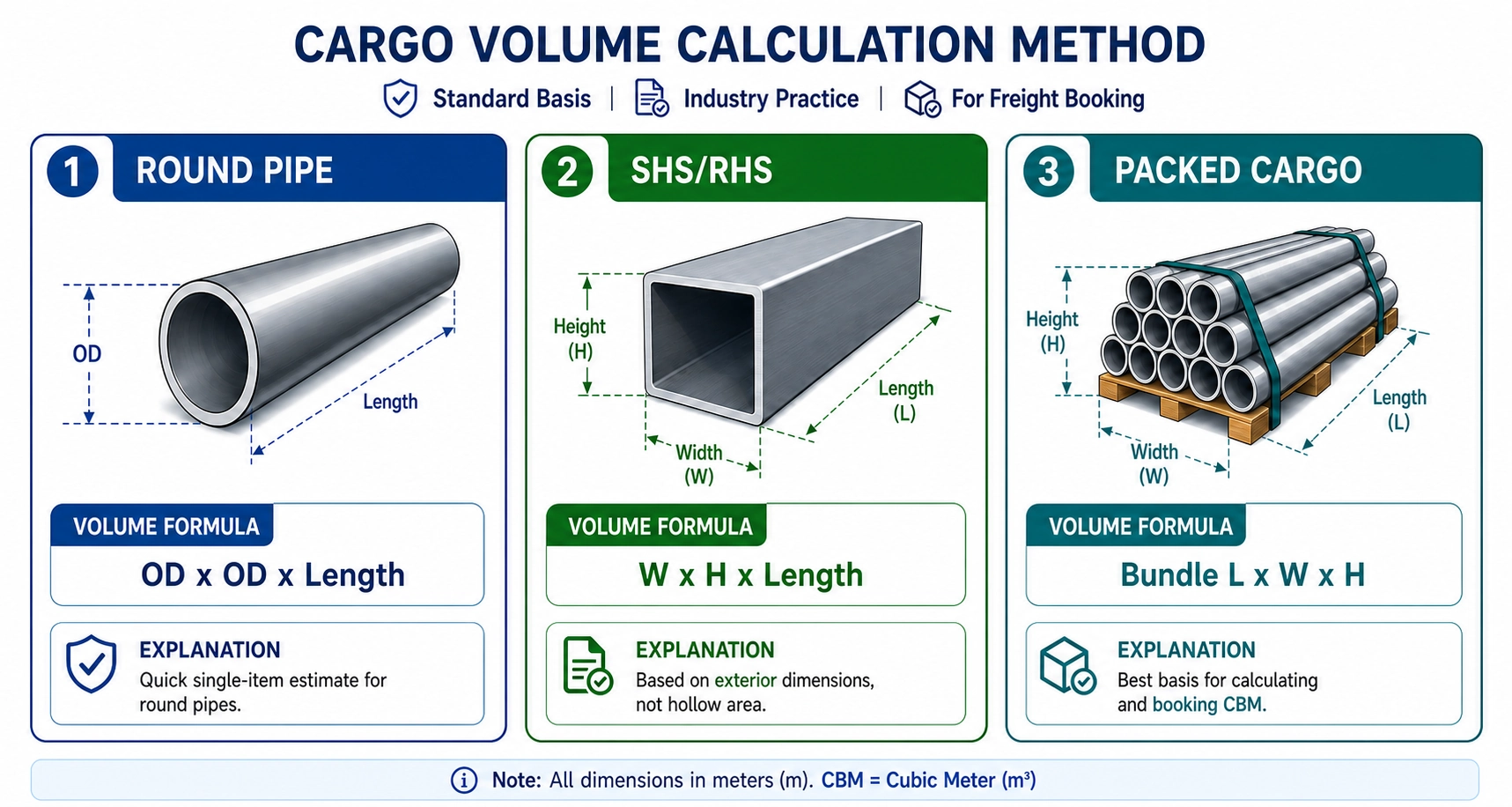
Figure 1. Calculate shipping volume from the outside envelope of the pipe, section or finished package.
The word volume can describe different quantities. Confusing them leads to incorrect freight estimates.
|
Volume type |
How it is calculated |
What it is used for |
|
Internal capacity |
Inside diameter and length |
Water, liquid or gas-space calculations |
|
Steel material volume |
Metal cross-sectional area and length |
Theoretical pipe weight |
|
Single-piece shipping volume |
Outside bounding box |
Early CBM estimate before packing |
|
Package gross volume |
Measured bundle L x W x H |
Booking, packing list and freight comparison |
|
Container utilization |
Actual layout after clearances and securing |
How many packages can be loaded |
For a practical shipping quotation, buyers normally need the last three values. Internal capacity is not the transport volume, and the hollow center of a pipe does not automatically become usable container space unless an approved nesting plan uses it.
These methods apply across common seamless steel pipe orders and to carbon steel hollow sections when the purpose is freight planning rather than calculating internal capacity or steel weight.
|
FORMULA Round pipe shipping CBM = OD(m) x OD(m) x length(m) x quantity |
When OD is in millimeters:
|
METRIC FORMULA CBM = OD(mm) x OD(mm) x length(m) x quantity / 1,000,000 |
This is a conservative single-piece envelope calculation. It treats every circular cross-section as occupying a square cell. Actual tightly stacked round pipes may use some of the corner gaps, while dunnage, straps, end protection and loading clearances add space again. For this reason, do not use the result as the final bookable volume after packing.
|
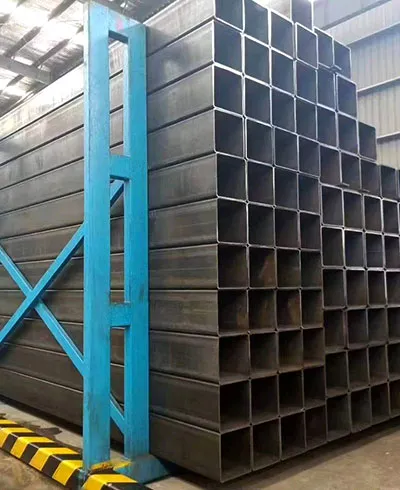
FORMULA SHS/RHS shipping CBM = outside width(m) x outside height(m) x length(m) x quantity |
For square hollow section, width and height are the same. For rectangular hollow section, use the two different outside dimensions. Wall thickness is required for weight calculations but does not change the outside shipping envelope when the outside dimensions are already known.
|
PREFERRED BOOKING BASIS Package CBM = measured package length x measured package width x measured package height x number of packages |
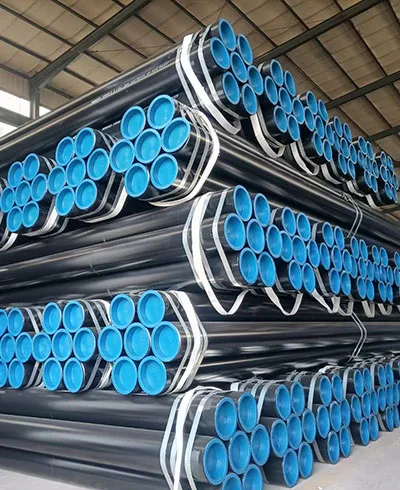
Package dimensions should include timber runners, saddles, wrapping, end boards, thread protectors, caps, spacers, frames and any projection that will occupy cargo space. Use separate package lines when bundle sizes differ.
|
Input |
Value |
Calculation role |
|
Outside diameter |
168.3 mm |
0.1683 m |
|
Length |
12.0 m |
Packed length still needs confirmation |
|
Quantity |
80 pieces |
Total order line |
|
Theoretical shipping CBM |
27.19 m3 |
0.1683 x 0.1683 x 12 x 80 |
The mathematical result is 27.19 m3, but it does not prove that 80 pieces can be loaded into a particular container. The pipe weight, final bundle geometry, packed length, container door opening, securing space and bundle handling method must still be checked.
For 100 x 100 mm SHS, 6 m long, quantity 400 pieces:
|
CALCULATION 0.10 x 0.10 x 6 x 400 = 24.00 m3 theoretical shipping volume |
If the material is shipped in rectangular bundles, replace the piece-by-piece result with the measured dimensions of each finished bundle for the packing list and booking request.
|
Package information |
Value |
|
Number of bundles |
12 |
|
Measured bundle size |
5.85 x 0.72 x 0.65 m |
|
Package gross volume |
32.85 m3 |
|
Shipment gross weight |
22.80 metric tons |
|
Preliminary breakbulk W/M basis |
32.85 revenue tons |
Under a common ocean-freight W/M method, one cubic meter is compared with one metric ton and the greater number becomes the revenue-ton basis. In this example, 32.85 m3 is greater than 22.80 metric tons, so measurement controls. The actual quotation terms must still be confirmed with the carrier or forwarder.
Packing is not a fixed percentage that can be applied to every pipe order. Its effect depends on pipe diameter, surface, ends, unit length, bundle shape, lifting method and destination requirements.
|
Packing item |
Volume effect |
Why buyers should care |
|
Steel straps |
Small |
Strap positions affect handling and local coating protection. |
|
Timber runners / saddles |
Adds height |
Creates forklift or sling access and distributes load. |
|
End boards / protectors |
Adds length |
Can turn a nominally fitting pipe into an over-length package. |
|
Wrapping |
Small to moderate |
Loose wrapping and folded seams increase measured package size. |
|
Frames or pallets |
Moderate to high |
Improve handling but may reduce container utilization. |
|
Separators for coated pipe |
Adds gaps |
Reduces contact damage but prevents maximum-density stacking. |
|
Nesting |
Can reduce gross CBM |
Requires a defined sequence, protection and site extraction plan. |
|
PLANNING RULE Before packing is finalized, an allowance can support budgeting. After packing, replace the allowance with measured package dimensions and gross weights. Do not keep both and double-count the packaging. |
Small-diameter bare pipes may be formed into compact round or hexagonal bundles. Larger, heavy-wall, coated, bevel-ended or threaded pipes may be shipped in smaller bundles or as individual pieces. A hexagonal theoretical layout can be useful for warehouse planning, but the outside bundle dimensions and bundle weight are more important to the carrier and receiver.
Placing smaller pipes inside larger pipes can reduce shipping volume, especially for breakbulk or large-diameter project cargo. The saving is only real when the pipes can be inserted and removed without damaging coatings, bevels, threads or internal linings. The nesting list should identify every inner pipe, extraction order, spacers, lifting points and whether the receiver has suitable equipment.
A container's published cubic capacity describes the empty internal box. It is not a promise that the same number of cubic meters of steel pipe can be loaded. Pipes still need to pass through the door, fit within the usable length, rest on dunnage, stay within cargo-weight and floor-loading limits, and leave enough room for blocking, securing and safe handling.
|
Planning value |
What it tells the buyer |
What it cannot confirm |
|
Theoretical pipe CBM |
Early outside-envelope estimate |
Final package size or loadable quantity |
|
Measured package CBM |
Space occupied by finished bundles |
Payload, door clearance or handling feasibility |
|
Container nominal CBM |
Approximate empty-box capacity |
How many pipes or bundles will actually load |
|
SCOPE BOUNDARY Use this article to calculate pipe and package CBM. Use the dedicated container-loading guide for diameter-based piece estimates, stacking patterns and 20 ft / 40 ft quantity references. |
Continue with How Many Steel Pipes Can Fit in a Shipping Container? when the purchasing question is the approximate number of pieces or bundles per container.
CBM is one input to a loading plan, not the final loading decision. Before a shipment is released, the proposed package count must independently pass four checks:
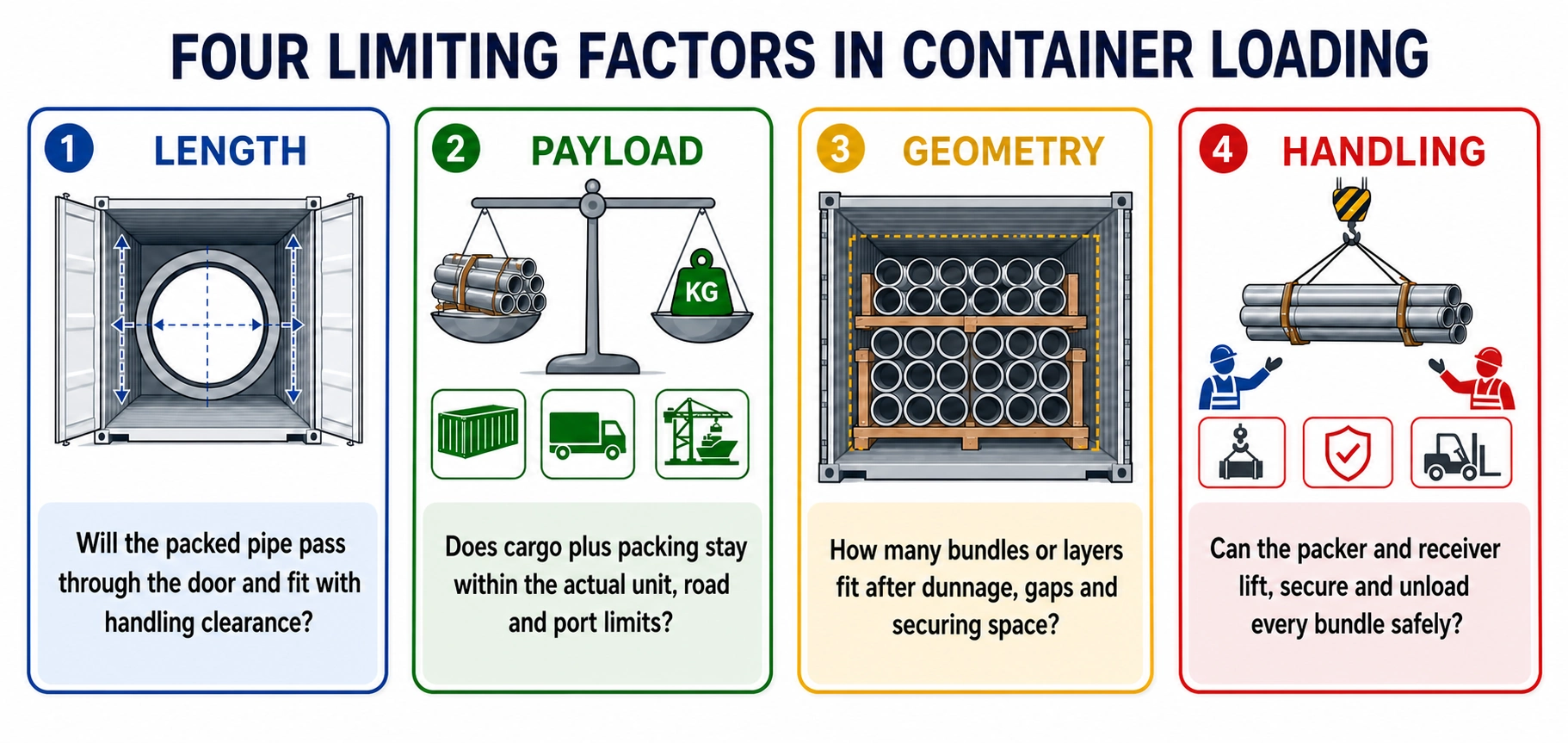
Figure 2. A workable load must pass the length, payload, geometry and handling checks.
|
Check |
Minimum confirmation |
|
Length |
Finished package length, door access, loading direction and working clearance |
|
Payload |
Cargo plus packing, dunnage and securing material within all route limits |
|
Geometry |
Bundle layers after gaps, supports and securing space are included |
|
Handling |
Packer and receiver can lift, secure and unload each package safely |
|
IMPORTANT A mathematical layer count is not a cargo-securing plan. The final arrangement must prevent rolling, sliding, concentrated floor loading and impact against the doors during road, rail and sea transport. |
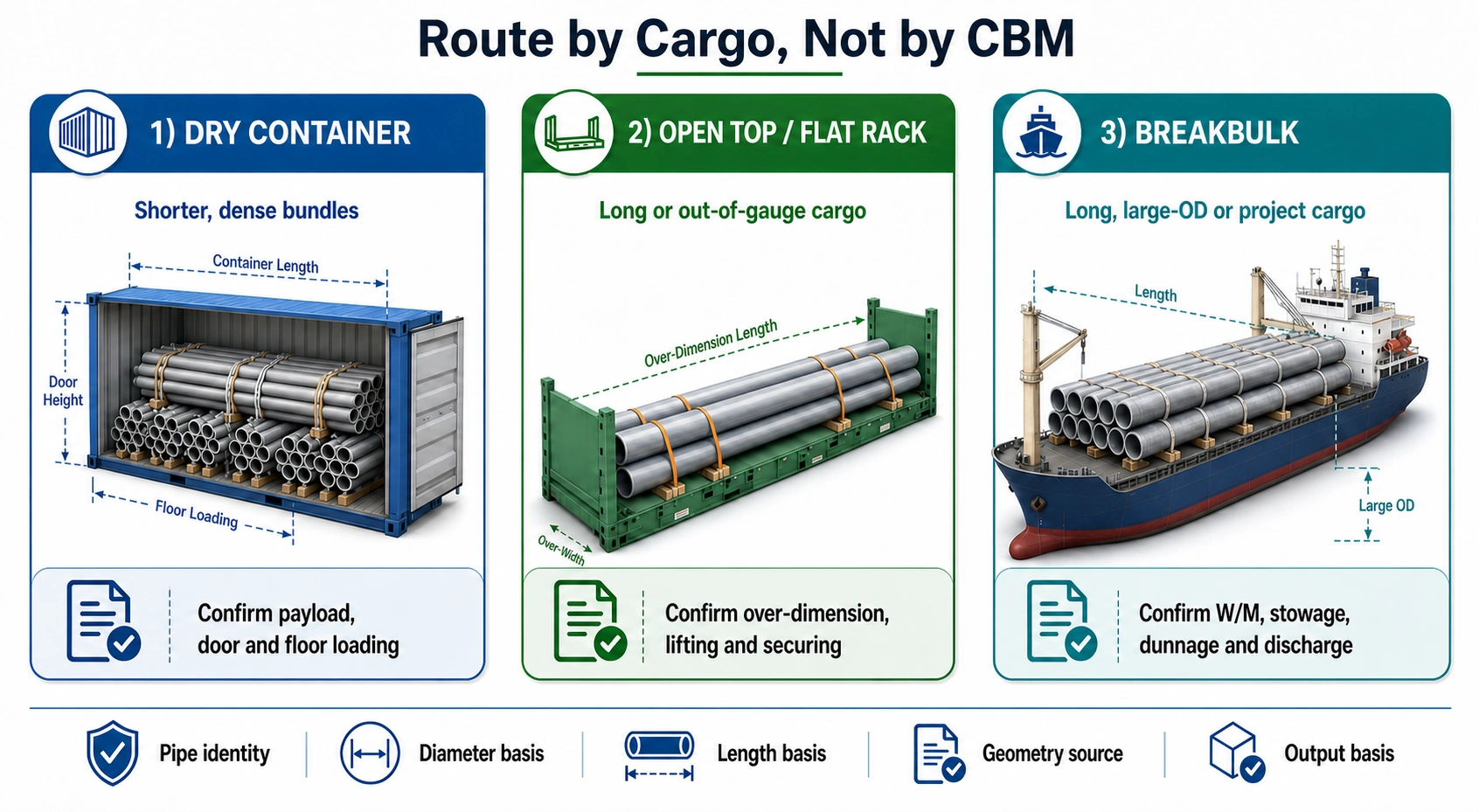
Figure 3. Route selection starts with the packed cargo, not CBM alone.
|
Route |
How volume is used |
Other booking data required |
|
Dry container |
Package CBM supports space planning |
Packed length, payload, door clearance, floor load and stuffing method |
|
Open top / flat rack |
Outside dimensions identify over-gauge exposure |
Lifting plan, securing points, carrier acceptance and surcharge basis |
|
Breakbulk |
CBM may be compared with gross metric tons under W/M terms |
Stowage, dunnage, lift points, port handling and discharge sequence |
For breakbulk shipments, the cargo list should state package count, measured dimensions, total CBM, gross weight, maximum unit weight, lifting method, stackability and surface-protection requirements. Under a W/M quotation, the carrier may charge on the greater of measurement tons or weight tons; the applicable tariff and rounding rules must be confirmed for the actual booking.
Buyers need the finished length after caps, end boards and tolerances - not only the sales length printed on the pipe specification. They also need the door opening, loading direction and clearance for forklift forks, slings or a loading platform.
This determines whether reducing package volume will actually reduce the number of containers or freight charge. Compare total gross metric tons with total package CBM, then check the route-specific payload and W/M terms.
A volume-efficient bundle can still be unusable if it exceeds the site's crane, forklift, sling or spreader-beam capacity. Buyers should state the maximum acceptable bundle weight and preferred lifting points before packing begins.
Tighter packing can increase metal-to-metal contact and local loads. Coated pipes may require separators and padded supports; threaded products need protectors; bevel ends may need caps or boards. These protections add volume but can prevent more expensive transit damage.
Ask how nested pipes are identified, separated and removed. If the receiver must unload unrelated outer pipes to reach the first installation items, the nominal freight saving may create site delay and double handling.
A useful shipment record includes the final packing list, bundle numbers, piece counts, net and gross weights, package dimensions, container number, seal number, loading photos, dunnage and lashing photos, and any agreed inspection or survey record.
A container may comply with the sea carrier's equipment limit but still face lower road, axle, bridge, terminal or destination restrictions. Confirm the full route rather than treating the ocean container payload as the only limit.
The steel supplier may estimate packages, while the packer, forwarder, carrier, terminal and receiver control different parts of the actual move. Quotations should identify which figures are preliminary and which party must approve the final loading and securing plan.
|
Required input |
Minimum detail |
|
Pipe identification |
Standard, grade, OD or SHS/RHS size, wall thickness, ends and surface |
|
Quantity and length |
Pieces, unit length, length tolerance and any mixed lengths |
|
Packing |
Bundle type, pieces/bundle, package L x W x H, gross weight, timber and wrapping |
|
Handling |
Maximum bundle weight, lifting points, forklift/crane access and discharge method |
|
Protection |
Coating, lining, bevel/thread protection, separators and moisture requirements |
|
Transport |
Container/breakbulk preference, origin, destination, Incoterm and delivery route |
|
Evidence |
Packing list, loading plan, labels, photos, seal record and survey requirements |
|
BUYER SHORTCUT Ask the supplier for both a commercial estimate and a shipment-release record. The estimate can use planned bundle dimensions; the release record should use final measured packages and gross weights. |
|
|
Line |
Product / package |
Qty |
L (m) |
W (m) |
H (m) |
Gross kg |
CBM |
|
1 |
|
|
|
|
|
|
|
|
2 |
|
|
|
|
|
|
|
|
3 |
|
|
|
|
|
|
|
|
4 |
|
|
|
|
|
|
|
|
TOTAL |
|
|
|
|
|
|
|
CBM per line = quantity x package length x package width x package height. For mixed bundle sizes, keep each package type on a separate line. Record net product weight and gross package weight separately in the final packing list.
No. That formula calculates the geometric cylinder volume, not the rectangular space normally occupied during packing and transport. For an early shipping estimate, use OD x OD x length for a round pipe. Once the pipes are packed, use the measured outside dimensions of the finished bundle or frame.
No. It is a practical single-piece planning method. Tight or hexagonal stacking may use some gaps between pipes, while straps, timber, wrapping, end protection and securing clearance add space. Final booking CBM should come from the actual package dimensions.
A fixed percentage can be used only as an early budget allowance. Packaging changes differently with pipe diameter, bundle shape, coating, ends, timber and lifting method. Replace the allowance with measured package dimensions before shipment release, and do not count both.
No. Container CBM does not account for packed length, payload, door clearance, geometric layout, dunnage, securing or handling. For the complete quantity-estimation method, see How Many Steel Pipes Can Fit in a Shipping Container?.
Use the outside pipe or section dimensions for an early commercial estimate. After packing is finalized, replace that estimate with the measured outside dimensions and gross weight of every finished bundle, crate or frame. The packing list and booking request should use the final package data.
Small-diameter, thick-wall and tightly bundled steel pipe often reaches the permitted cargo weight before the container looks full. Large-diameter, thin-wall or protected coated pipe is more likely to reach the space, handling or securing limit first.
Nesting can reduce gross CBM, but only when insertion, protection, identification and extraction are workable. Buyers should confirm the nesting list, spacers, lifting points, removal sequence and destination equipment before accepting the plan.
Request the final package count, measured L x W x H, net and gross weights, bundle numbers, piece counts, maximum package weight, loading plan, handling method and protection requirements. Before release, also request packing and loading photographs linked to the packing list and container or shipment references.
For steel-pipe freight planning, round pipe is commonly estimated as an outside rectangular envelope: OD x OD x length. Square and rectangular hollow sections use outside width x outside height x length. These formulas support early comparison, but final shipping volume should come from the measured outside dimensions of the finished bundles, crates or frames.
A reliable freight record keeps calculated CBM, measured package CBM and gross weight separate. Packed length, payload, geometry and handling then determine whether the proposed shipment arrangement is workable. Container piece-count estimates belong in the linked container-loading guide rather than being inferred from CBM alone.
Page scope: Use this page for shipment CBM, bundle or package dimensions and weight/measurement (W/M) calculations. Use the Steel Pipe Weight guide for kg/m, lb/ft and order tonnage, and the Container Loading guide for equipment fit, door opening, payload, pipe length, piece count and securing conditions.
1.How Many Steel Pipes Can Fit in a Shipping Container?
2.Steel Pipe Weight: Formula, Reference Chart and Shipping Estimates
3.Steel Pipe Length Guide for Global Buyers
1.Hapag-Lloyd - Container Specification - Representative internal dimensions, door openings, tare weights and payload data. Confirm the actual booked equipment.
2.IMO / ILO / UNECE - CTU Code - Guidance for packing and securing cargo transport units throughout intermodal transport.
3.Maersk - Shipping Terms: Weight or Measurement (W/M) - Explains the common breakbulk freight basis using the greater of metric tons or cubic meters.
4.American Club - Transport Guidance for Steel Cargoes - Loss-prevention context for steel cargo loading, carriage, condition records and handling.
5.UNECE - Securing of Cargo in CTUs - Practical securing principles, including preventing cargo impact against container doors.
Applicability note: All calculations in this guide are planning estimates. Final packing, container selection, payload, lashing, lifting and vessel stowage must be confirmed for the actual cargo, equipment, carrier, route, port and project requirements.