+8615674993216
 sales@forever-steels.com
 English
 العربية



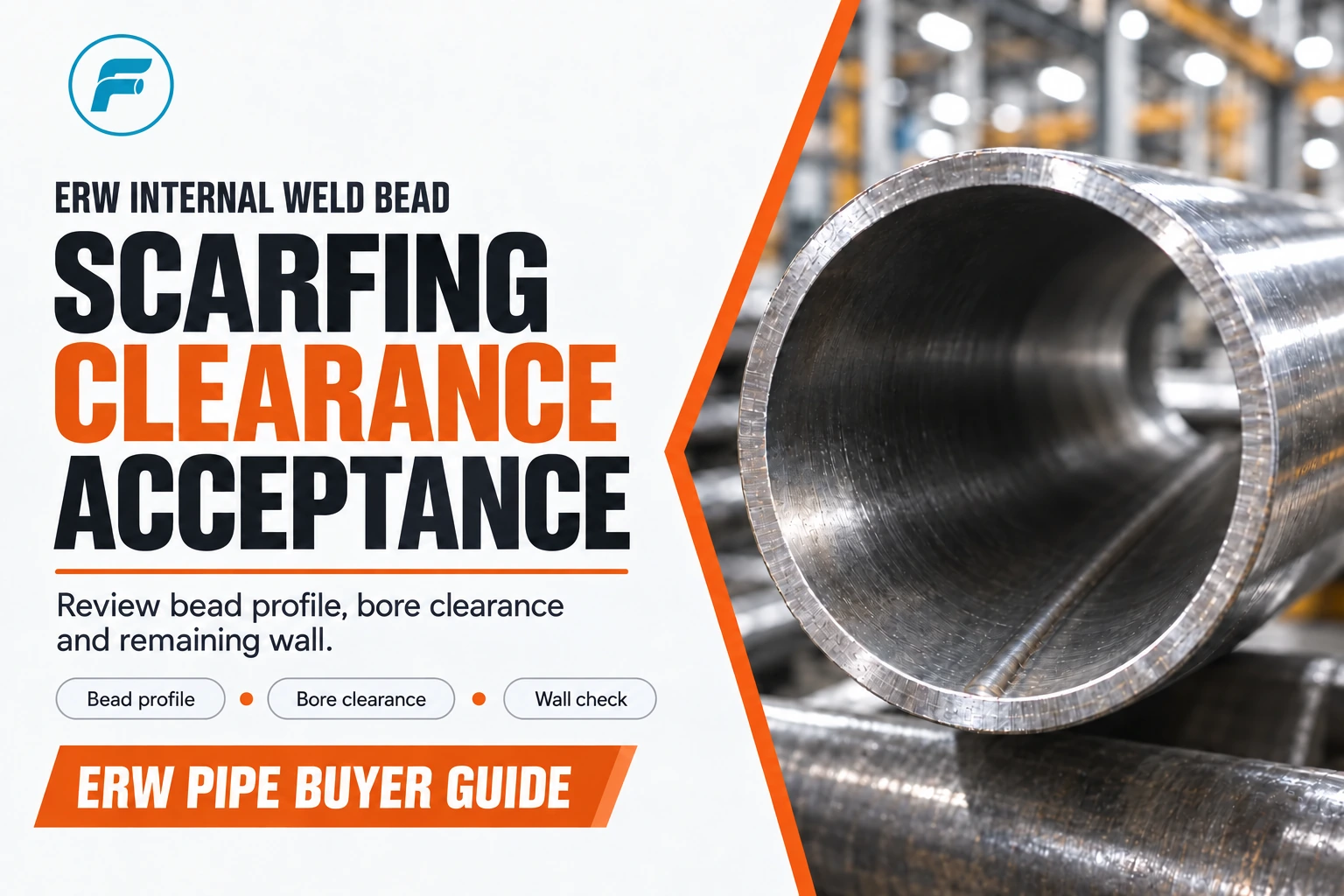

The number of steel pipes in a container is limited by both usable packing space and permitted gross cargo weight. Start with OD, wall thickness or unit weight, finished length and bundle dimensions; then use the lower of the geometric count and the payload-based count. A diameter-only quantity is not a reliable loading answer.
For that reason, container loading is not only a packing question. It is also a practical reference for freight planning, shipment arrangement, and cost control.
The two most common container types used for steel pipe shipments are:
20ft container
5.90 m (L) x 2.35 m (W) x 2.39 m (H)
40ft container
12.03 m (L) x 2.35 m (W) x 2.39 m (H)
These are representative internal dimensions, not booking guarantees. Confirm the actual unit, door opening and loading clearance with the carrier. A 6.0 m pipe does not fit straight inside a container with about 5.90 m internal length; a different length or equipment/loading arrangement is needed.
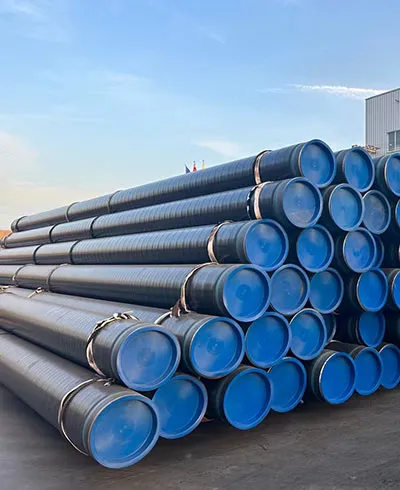
Illustration note: the image below shows packing concepts. Its diameter-only quantity labels are not validated loading limits. Use the stated length, packing dimensions and payload calculation in the worked example below.
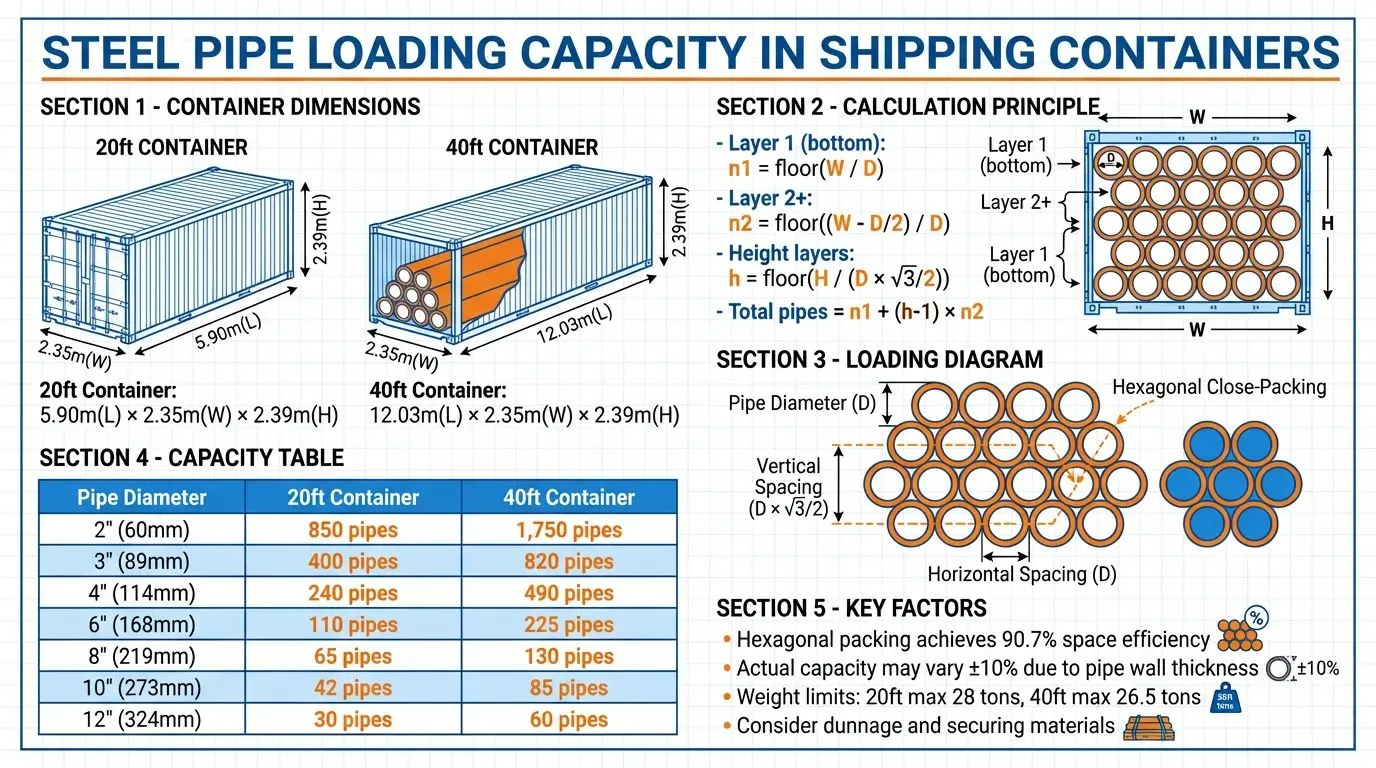
In theory, steel pipes are often calculated using a hexagonal stacking method. Because pipes are round, each upper layer can sit in the gaps between the pipes below it, which helps use container space more efficiently.
In simple terms:
This method provides a useful estimate of the maximum possible quantity under ideal conditions. However, actual export loading is not based on geometry alone. Weight limits, pipe length, bundle packing, and cargo protection all need to be considered as well.
Illustrative calculation only, not an approved packing plan: assume bare carbon-steel pipe with 114.3 mm OD, 6.0 mm wall and 5.8 m finished length. For this example, the booked 40 ft equipment has a verified usable cargo length of at least 11.8 m, a usable packing section of 2.20 × 2.10 m, and an agreed cargo payload limit of 26,000 kg. Allow 800 kg for all packing and securing materials.
| Check | Calculation under the stated assumptions | Result |
|---|---|---|
| Pipe unit weight | 0.02466 × (114.3 − 6.0) × 6.0 | 16.024 kg/m; about 92.94 kg per 5.8 m length |
| Illustrative packing module | 10 × 8 pipes on a 125 mm square pitch | 80 pipes in an assumed 1.25 × 1.00 m package section |
| Geometric positions | 1 package across × 2 high × 2 along | 320 pipe positions; stack support and gross envelope still need approval |
| Payload-based count | floor((26,000 − 800) / 92.94) | 271 pipes before final package and weight checks |
| Full 80-pipe packages | 3 × 80; 240 × 92.94 + 800 | 240 pipes; approximately 23,106 kg cargo gross |
In this example, payload controls before geometric space. A fourth full package would exceed the assumed cargo allowance. Door clearance, actual package outer dimensions, support loads, partial-package handling and securing must still be approved; weigh the final cargo rather than treating theoretical pipe weight as verified mass.
In real shipments, the actual number of pipes per container often differs from the theoretical result. The most common reasons are listed below.
Pipes with thicker walls are much heavier. In many cases, the container reaches its weight limit before the available space is fully used.
Use the actual container data and booking limits, not a universal tonnage for 20 ft or 40 ft equipment. The permitted cargo mass may also be constrained by road, rail, terminal or carrier requirements.
For heavier steel pipes, weight is often the main limiting factor.
Pipe length also affects loading efficiency. Even with the same diameter, different lengths may lead to different loading results.
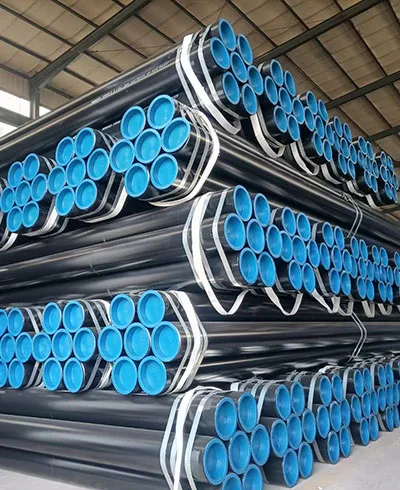
In actual shipments, pipes are usually packed in bundles for easier handling and safer transportation. This often reduces packing efficiency compared with loose theoretical stacking.
Wooden dunnage, straps, end protection, and other packing materials may be required to keep the cargo stable and reduce the risk of damage during inland transport, port handling, and ocean shipping.
The final quantity can also vary depending on warehouse conditions, loading equipment, and the experience of the loading team.
The number of steel pipes that can fit in a shipping container is best understood as a practical estimate rather than a fixed answer. For buyers, the purpose of this calculation is not simply to load as many pipes as possible, but to find a balance between shipping cost, loading efficiency, cargo safety, and delivery requirements.
A theoretical loading chart is useful in the early stage of quotation, budgeting, freight planning, and customs cost reference. However, the final loading plan should always be confirmed according to the actual pipe diameter, wall thickness, length, packing method, and container weight limit. In some cases, container shipping is the right choice. In others, break bulk shipping may be more economical and more suitable for the product itself.
The best shipping solution is always based on the actual order, the product specification, and the customer’s delivery needs.
Check container and door-opening fit, payload, pipe length, piece count and securing together. Use the shipping volume guide for CBM and W/M, and the steel pipe weight guide for kg/m and total order mass. Final loading must follow the booked carrier equipment and approved loading plan.
No. The piece count depends on pipe length, packing pattern and the payload limit, not container length alone. State the length and gross package weight before using any quantity chart.
Use the gross cargo weight for payload planning, including protectors, wrapping, dunnage and other packing. The final verified gross mass also includes the container tare. Reconcile the estimate with the booked equipment and actual packing.
Send OD, wall thickness or unit weight, finished length, quantity, bundle dimensions and weight, coating, end protection and destination. Ask the loading team to check door clearance, load distribution and securing as well as available space.
1. Steel Pipe Inspection Checklist Before Shipment
2. How to Choose Steel Pipe for Oil and Gas Pipeline Projects
3. LSAW vs SSAW Steel Pipe: Which Route Fits the Project Better?
4. Steel Pipe Size Chart: NPS, DN, OD & OD-to-Inch Conversion Table
5. Steel Pipe Weight: Formula, Reference Chart and Shipping Estimates
1.Hapag-Lloyd —Container Specification. Provides representative internal dimensions, door openings, tare weights and maximum payloads for common container types; the booked unit must still be checked.
2.IMO / ILO / UNECE —Code of Practice for Packing of Cargo Transport Units (CTU Code). Supports load distribution, securing, packing and inspection practices for cargo transport units.
3.International Maritime Organization —Verification of the Gross Mass of a Packed Container. Explains the SOLAS verified gross mass requirement that constrains the final loading plan.
4.International Maritime Organization —Cargo Securing and Packing. Provides the safety context for cargo securing and the prevention of movement during transport.
5.International Plant Protection Convention —ISPM 15 Implementation. Covers phytosanitary requirements that can apply when timber dunnage, blocking or packaging is used in international shipments.
Applicability note: The calculation is an estimate, not a booking guarantee. Confirm the actual container specification, carrier payload limit, door clearance, floor point-loading limit, packing materials, lifting method and verified gross mass before loading.