+8615674993216
 sales@forever-steels.com
 English
 العربية

A practical guide for buyers comparing mill length, transport limits, container loading and site installation needs
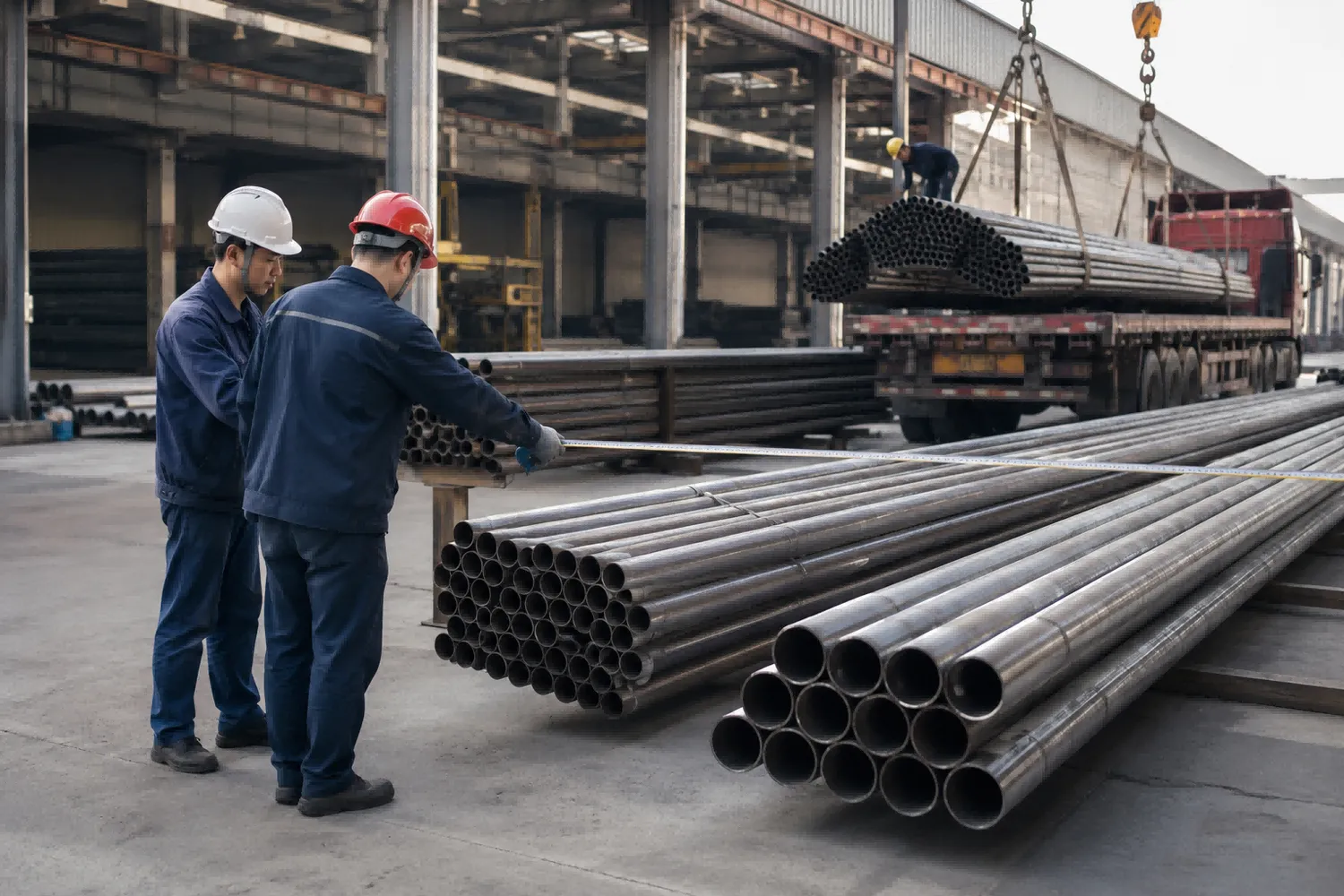
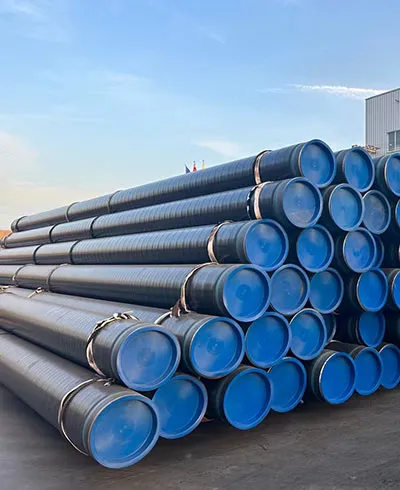
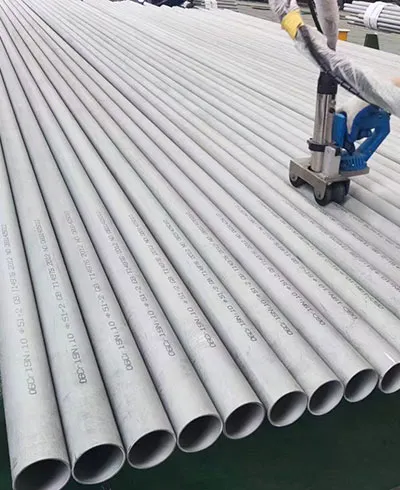
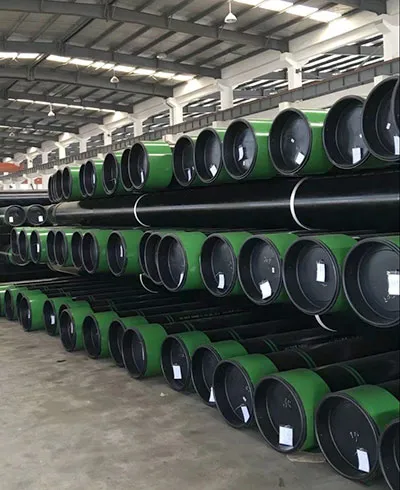
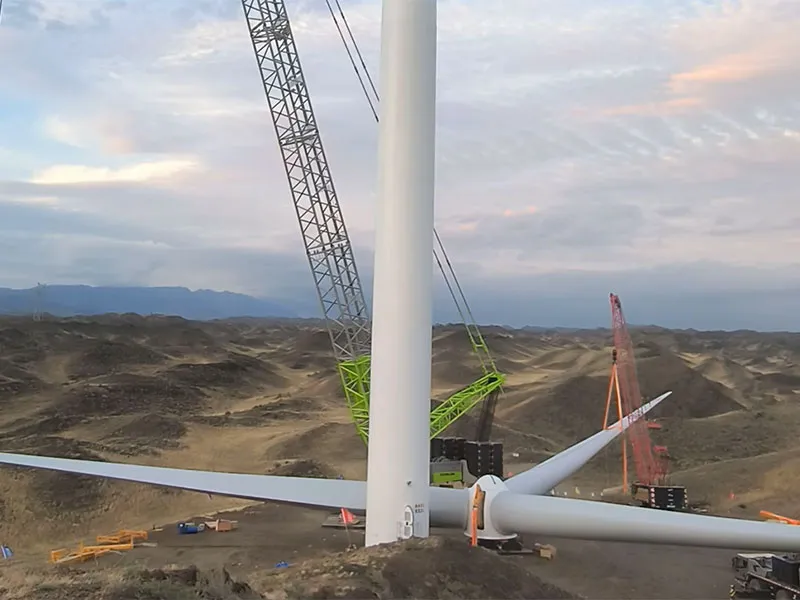
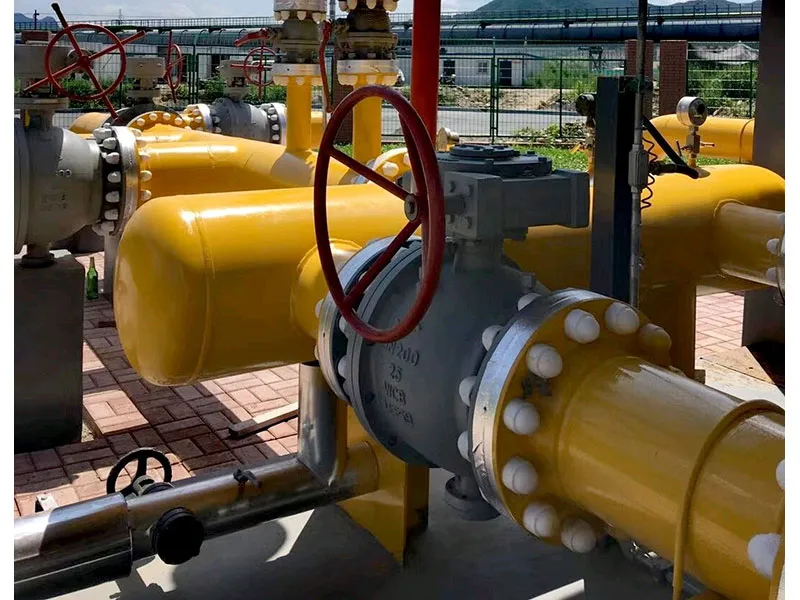
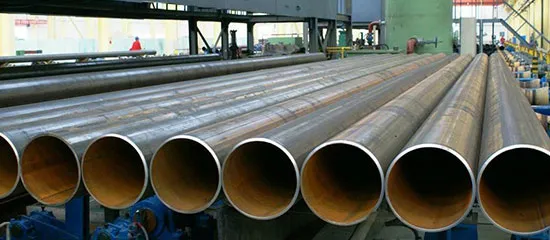
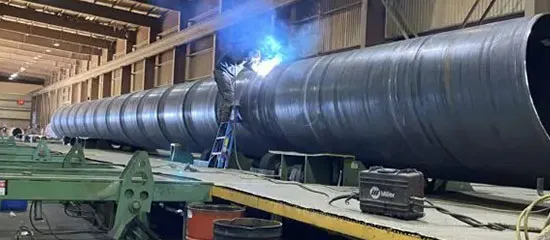
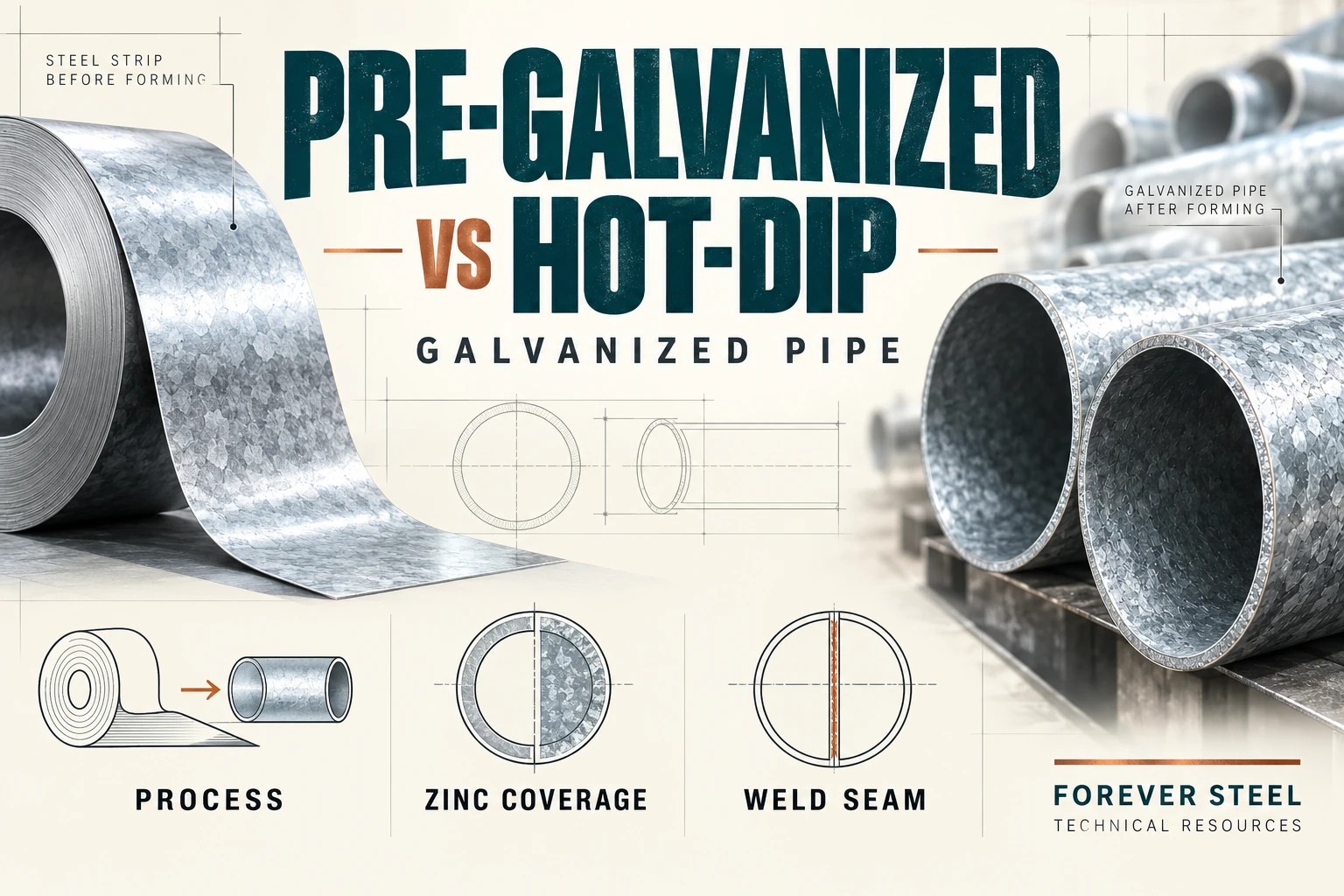
Figure 1. Pipe length decisions affect production yield, truck loading, container planning and on-site installation efficiency.
Single random length (SRL) means that individual pipe lengths may vary within the accepted range, rather than every joint being cut to one fixed length. Specify the product standard, permitted range and any restriction on short lengths. Do not apply one SRL range to all line pipe, structural pipe or OCTG products.
Double random length (DRL) refers to a longer random-length supply range. It does not mean each joint is exactly twice a supplied SRL joint. Longer joints can reduce field welds but require suitable transport, handling and installation space. Confirm the accepted range and actual tally with the supplier.
From the production side, standard or random lengths generally allow the mill to work with better yield and less cutting waste. Once the buyer requests a fixed cut length, the order often becomes more sensitive to cutting sequence, end finishing and tolerance control. Use Precision Steel Pipe Cutting & Custom Length Services to confirm cutting, end finishing, length tolerance and inspection requirements.
Length also helps shape product-route decisions. For transmission projects, buyers often compare length availability together with API 5L Seamless Line Pipe or ERW Steel Pipe options, while larger-diameter project supply may move toward LSAW Steel Pipe when long sections and logistics planning have to be balanced together. In corrosion-sensitive delivery planning, the final cut length may also need to be confirmed alongside coating and packing arrangements under 3PE Coated Steel Pipe supply conditions.
Not from the container name alone. Hapag-Lloyd lists an example 40-ft standard container with an internal length of 12,032 mm, leaving only 32 mm beyond a bare 12,000 mm pipe. End protectors, length tolerance, blocking and loading access can use that clearance. Confirm the booked equipment drawing, door opening, loading method and carrier approval; use other equipment or breakbulk if the arrangement is not feasible. Hapag-Lloyd 40-ft standard example.
Page scope: Use this guide for random, fixed and mill length, tolerances and shipping limits. For NPS, DN and OD conversion, see the Steel Pipe Size Chart; for CBM and freight booking estimates, see How to Calculate Steel Pipe Shipping Volume.
The lengths below are illustrative commercial supply examples, not universal SRL/DRL acceptance ranges. The ordered product standard, edition, manufacturing route and agreed mill offer govern the accepted length range, short-length allowance and tolerance.
|
Length Method |
Typical Value or Range |
How Buyers Usually Use It |
Why It Matters |
|
Standard mill length |
5.8 m / 6.0 m / 11.8 m / 12.0 m |
General production and export supply |
Balances mill efficiency and common loading practice |
|
Single random length |
Approx. 4.8 m to 7.0 m |
Supply accepted within a range |
Improves production yield and reduces unnecessary cutting |
|
Double random length |
Approx. 10.7 m to 13.0 m |
Longer project-oriented supply |
Can reduce field joints while preserving mill flexibility |
|
Fixed cut length |
6 m / 9 m / 12 m or as specified |
Fabrication and installation planning |
Requires clearer cutting control and sorting |
|
Exact cut length with tolerance |
For example 6000 mm +0/-5 mm |
Spools, modular systems, fit-up sensitive work |
Adds inspection and tolerance discipline |
|
Project Stage |
What the Team Usually Checks |
Typical Length Concern |
|
Mill production |
Yield, cutting loss, end finish, sorting |
Whether standard or fixed length is needed |
|
Truck transport |
Trailer length, road handling, unloading space |
Whether 12 m is practical inland |
|
Container loading |
20GP vs 40GP/40HQ packing efficiency |
Whether pipe length matches container strategy |
|
Warehouse handling |
Forklift reach, stacking and picking |
Whether shorter cuts are easier to manage |
|
Site installation |
Joint count, crane lifting, weld sequence |
Whether longer lengths reduce field work or create handling issues |
|
Transport Mode |
Practical Pipe Length Understanding |
Operational Comment |
|
20GP container |
Usually better for shorter lengths such as 5.8 m |
Common choice when standard short export lengths are acceptable |
|
40GP / 40HQ container |
11.8 m or 12.0 m supply requires an equipment-specific clearance check |
Confirm internal length, end protection and loading access before booking |
|
Flat rack / breakbulk |
Used when project dimensions exceed normal container practice |
Applied for special freight conditions and larger sections |
|
Truck or trailer delivery |
Depends on country regulations and final site route |
Long length may be technically possible but commercially inefficient |
|
Buyer Priority |
Length Tendency |
Reasoning |
|
Lower mill processing complexity |
Standard mill length or random length |
Usually better for production yield and cost control |
|
Fewer site welds |
11.8 m to 12.0 m or long fixed length |
Longer pieces reduce joint count on site |
|
Simpler inland handling |
5.8 m to 6.0 m fixed or standard length |
Shorter pieces are often easier to transport and unload |
|
Tight fabrication fit-up |
Exact cut length with tolerance |
Supports modular installation and dimensional control |
|
Mixed logistics and installation needs |
Length chosen to suit both freight and erection |
Avoids saving money in one stage but losing time in another |
Steel pipe length should be specified with the same discipline as diameter and wall thickness. The best decision is not simply what the mill can produce, but what can also travel efficiently, load cleanly and install safely.
No. Agree the permitted range, any distribution requirement and how the final tally will be reported. If fabrication needs exact pieces, specify fixed or cut lengths and tolerances instead of relying on the word random.
Do not treat the container name as a loading approval. Check the booked unit's internal length and door opening, plus end protection, dunnage and loading clearance. Confirm the loading plan before accepting a length solely to save freight.
State the finished length, tolerance, quantity by length, end condition and measurement basis. Agree who allows for saw kerf, cropping and unusable remnants so the supplied tally matches the fabrication plan.
· Steel Pipe Container Loading Guide
· Pipe Schedule Chart: Steel Pipe Dimensions and Wall Thickness
· Steel Pipe Tolerance Guide: OD, WT, Ovality & Dimensional Inspection
· Steel Pipe Inspection Checklist Before Shipment
· Engineering ToolBox: Pipe Lengths
· Hapag-Lloyd container specification overview
· MSC container specifications
· ISO 668 Series 1 freight containers classification, dimensions and ratings
· Eng-Tips discussion on single random length and double random length, used as field-question signal