+8615674993216
 sales@forever-steels.com

 English
 العربية


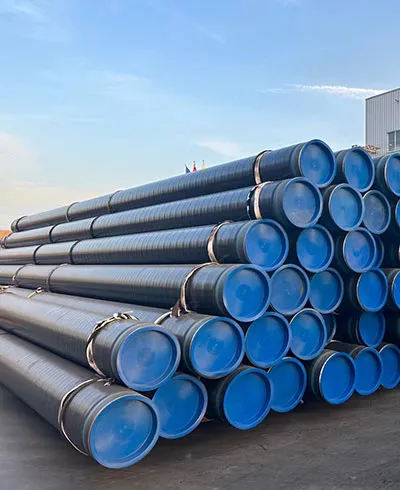
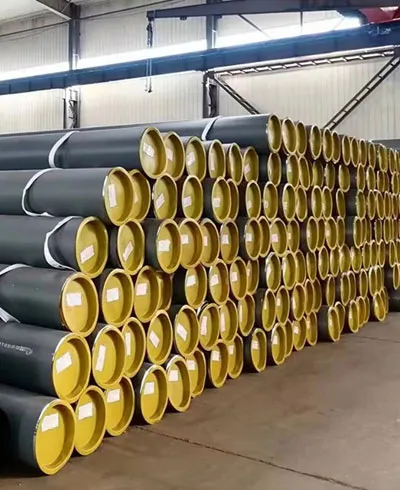
Prevent transport damage by treating the coating as part of the delivered product: define the lifting and separation method, restrain pipe without crushing the coating, protect pipe ends, and record coating condition at dispatch, receipt and any repair. Related context: Coated Steel Pipes.
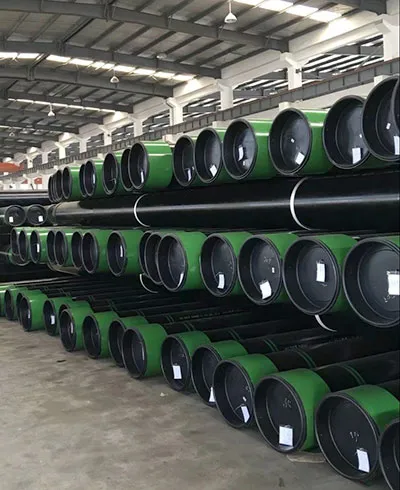
In international steel logistics, the integrity of the 3LPE, FBE, or 3LPP coating is as vital as the steel grade itself. For infrastructure projects in the Middle East (Oil & Gas) or South America (Mining), even minor surface gouges can lead to costly site rejections.
For a Forever Steel coated-pipe order, agree the handling and packing plan before shipment. Protect coating contact points, control lifting and restraint loads, and document condition before dispatch and at receipt. Protective materials reduce risk; they do not guarantee damage-free delivery.
Choose separators and padding for the coating, pipe mass, contact pressure and transport exposure. The approved arrangement may include:

The transition from warehouse to vessel is the highest risk phase for mechanical damage.
Webbing Slings: use rated, inspected lifting gear with suitable contact width and protection under an approved lifting plan. Keep unprotected steel wire rope away from coated surfaces; confirm sling configuration and loads for the pipe or bundle.
Padded Lifting Hooks: use only where the pipe-end geometry, internal lining and approved lifting method permit them. For large-diameter SSAW pipes, verify end loading and compatible protective pads; padding alone does not establish a safe lift.

Ocean freight involves constant movement. Stability is the key to preventing "holiday" (coating gap) formation.
Wooden Saddles & Chocks: The bottom layer rests on contoured V-shaped wooden cradles (Saddles) to prevent lateral rolling.
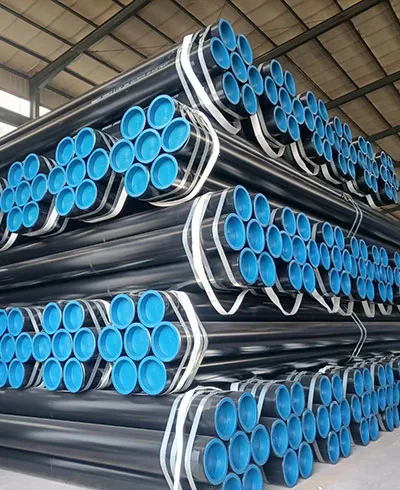
Lashing: size and position restraint for the transport loads. Protect every coating contact point and check tension, edge protection and movement after securing; a strap material alone does not establish adequate restraint.
Dunnage Quality: use supports with verified load distribution, dimensions and stability. Where applicable, timber packaging must comply with ISPM 15 and destination requirements.
|
Coating Type |
Vulnerability |
Protective Requirement |
|
3LPE / 3LPP |
Indentation / Scratches |
Set support width and spacing from coating contact-pressure limits and the approved load plan; avoid a universal 100 mm rule. |
|
FBE (Epoxy) |
Brittleness / Chipping |
Prevent impact and concentrated contact loads; specify compatible pads or wrapping where needed. |
|
Internal Lining |
Corrosion / Scuffing |
Protect ends and lining against impact and contamination; select caps and ventilation for the agreed transport/storage conditions. |
Before dispatch, record the approved packing drawing, support/contact locations, securing arrangement and pipe identification with dated photographs. At receipt, compare the condition with the dispatch record and hold damaged areas for evaluation. Do not release coating repairs until the approved repair procedure and required inspection results are complete.
Example: a strap-contact gouge found on arrival should be photographed with pipe ID, position and extent, then assessed against the project acceptance criteria. If repair is permitted, record preparation, approved repair material, application/cure conditions and the required thickness or holiday re-test before closing the damage report. Test settings come from the coating system and approved procedure, not a generic transport checklist.
· Pipe Coating Inspection Before Shipment: Thickness, Adhesion, Holiday Test and Repair Records
· FBE Coated Pipe in Cathodic Protection Systems: Disbondment, Holiday Risk and Current Shielding
· FBE Powder Coating for Steel Pipe: Cure Window, Film Formation and Application Limits
· How to Prevent Corrosion in Underground Oil Pipelines
• ISO 21809-1:2018 — Polyolefin Coatings (3-Layer PE and 3-Layer PP)— International Organization for Standardization.
• ISO 21809-2:2026 — Single-Layer Fusion-Bonded Epoxy Coatings— International Organization for Standardization.
• ISO 21809-11:2019 — Coatings for In-Field Application, Repairs and Rehabilitation— International Organization for Standardization.
• API RP 5LW — Recommended Practice for Transportation of Line Pipe on Barges and Marine Vessels— API transport practice listing; current edition status supplied by Intertek Inform.
• Fusion-Bonded Epoxy Coating Protects Water Pipeline— AMPP field case by Dustin Traylor and William Spickelmire, including handling and ARO considerations.
• Introduction to Field-Applied Pipeline Coatings— Association for Materials Protection and Performance.