+8615674993216
 sales@forever-steels.com
 English
 العربية


Stainless steel pipe pickling and passivation address different surface conditions. Select the treatment and acceptance checks together:
· Use suitable oxide removal, including pickling where specified, for weld heat tint and affected surface metal.
· Use specified passivation on a suitably clean surface to address contaminant iron and support a passive surface.
· Verify the required internal and external areas using grade-appropriate tests, and retain treatment and inspection records.
For welded stainless steel pipe, include the internal weld surface in the inspection scope where the service requires it. Record internal and external findings separately, with suitable tests and traceable results.
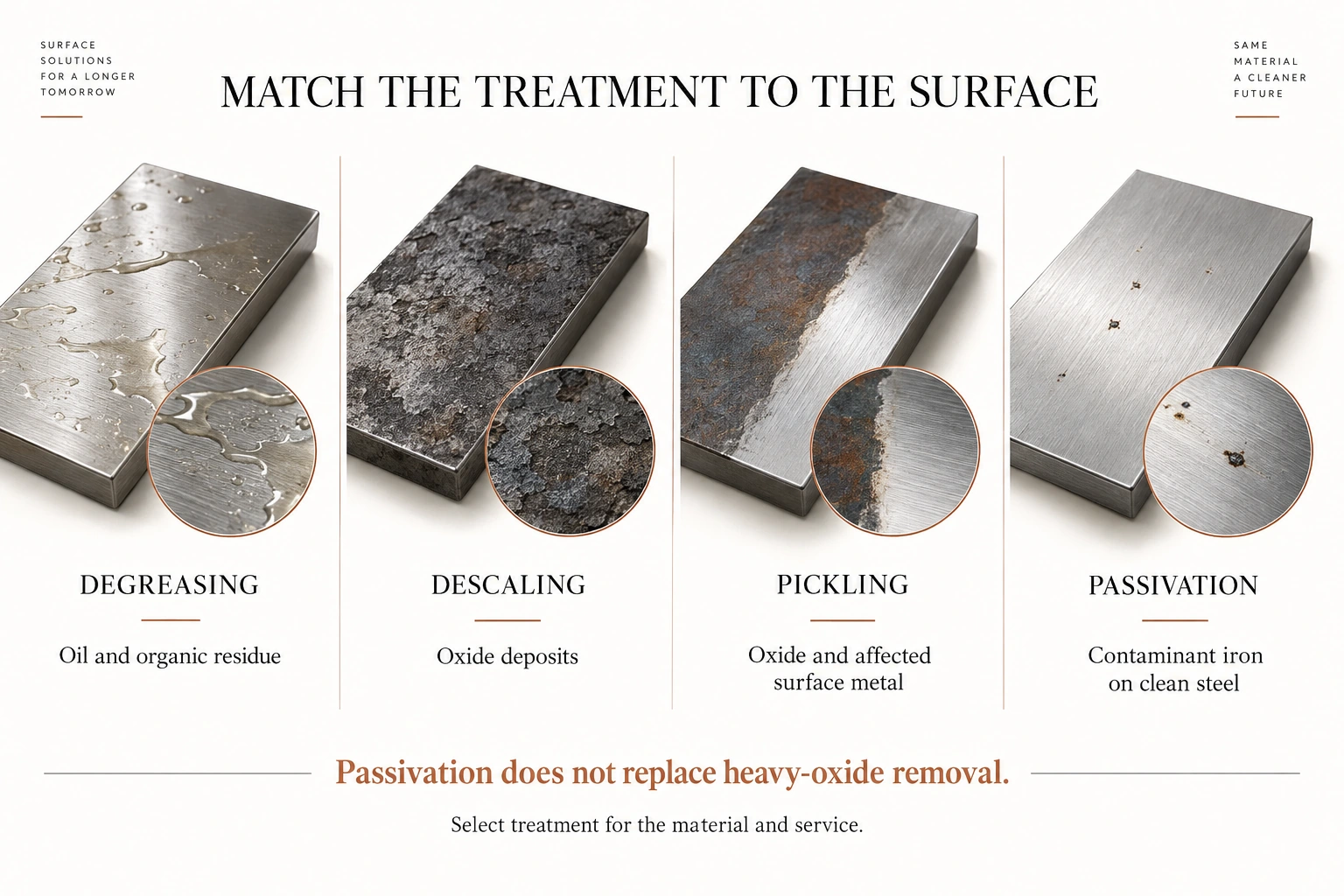
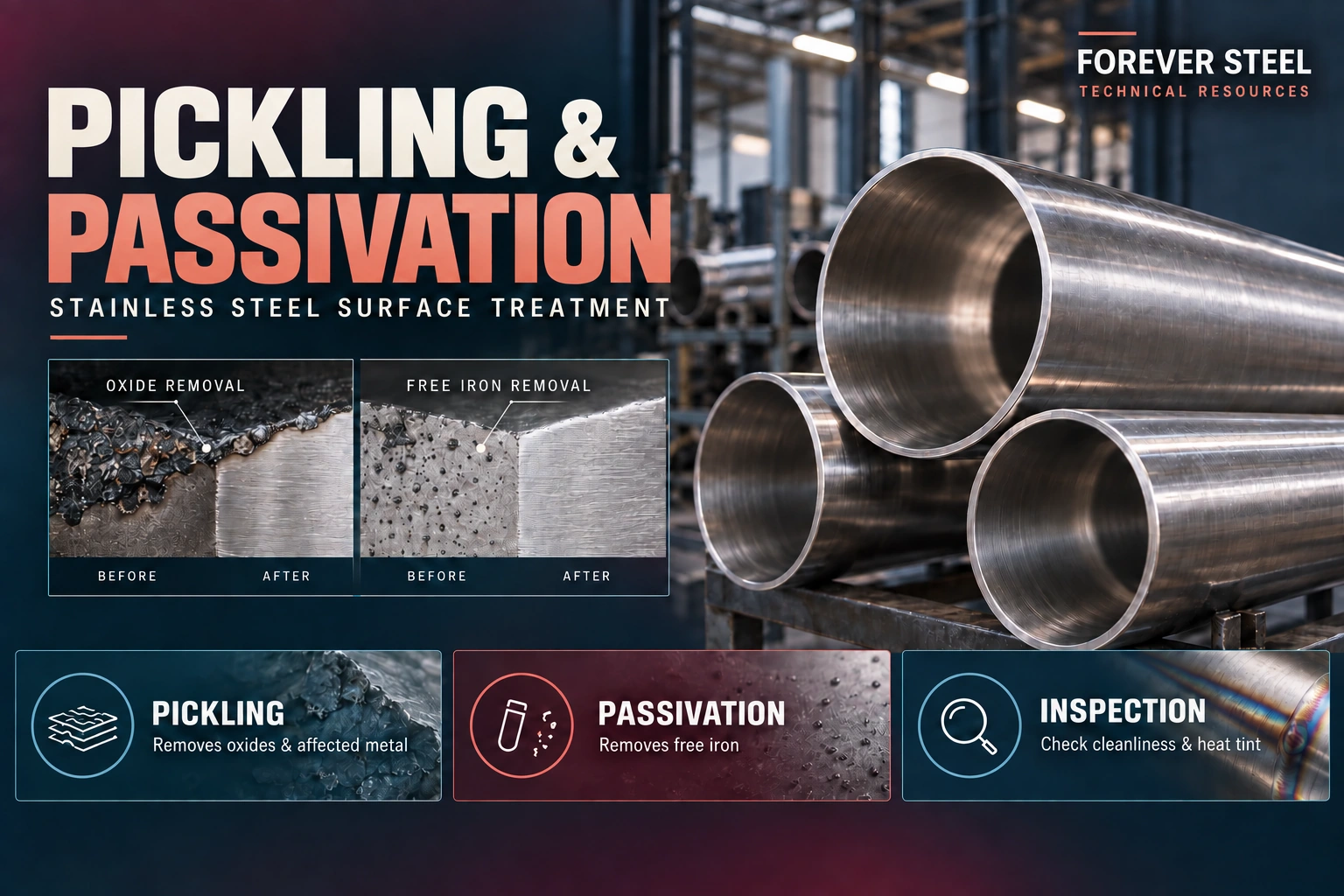
Figure 1. Oil, oxide and contaminant iron require different treatment tasks. These panels are not a mandatory four-step sequence; passivation does not replace heavy-oxide removal.
Pickling removes oxide and an affected layer of surface metal. Passivation treats a suitably clean stainless surface to remove contaminant iron and support passivity. For post-weld cleaning, first identify oil, scale, heat tint and free iron, then select the operations needed for each condition.
|
Operation |
Main purpose |
Expected result |
Important limit |
|
Degreasing |
Remove oil and organic residue |
Surface suitable for the next treatment |
Does not remove weld oxide or prove freedom from iron contamination |
|
Descaling |
Remove oxide deposits by an appropriate process |
Specified scale removed |
Mechanical appearance alone may not establish the underlying condition |
|
Pickling |
Remove oxide and an affected layer of metal |
Clean surface produced by a controlled removal process |
Excessive or unsuitable treatment can damage the surface |
|
Passivation |
Remove contaminant iron and support a passive surface on clean stainless steel |
Surface meets the selected treatment and verification requirements |
Does not replace removal of heavy oxide or a chromium-depleted layer |
Stainless steel can form its passive surface naturally in suitable conditions. Decide whether a separate chemical passivation step is required after pickling from the specification and verification requirements; passivation is a surface treatment, not a paint coating. Outokumpu's post-fabrication guidance explains the roles and limitations of these operations.
The difference from an incoming finish specification is important. AP, BA and polished describe supply-surface choices; they do not certify the condition after cutting, welding or handling. Use the pickled vs BA vs polished finish guide to select the incoming finish, then define the post-fabrication acceptance separately.
Choose a weld heat tint removal method that addresses the visible oxide and any affected surface layer. Welding oxidation can leave a chromium-depleted region beneath the color. Assess material removal, final roughness and contamination risk when using grinding or other mechanical treatment; brushing away color alone provides insufficient evidence.
Specify internal weld-root protection through the approved welding procedure. Use suitable shielding or purging to control oxidation, then inspect the finished root against the agreed surface criteria.
For chemical or food-processing service, agree on the applicable surface criteria before fabrication. If a heat-tint color reference is used, identify its source, alloy and inspection conditions. Lighting, access and finish affect visual comparison, so an unreferenced photograph or “light straw acceptable” is not a universal acceptance criterion.
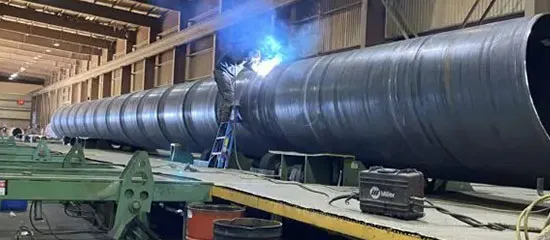
Record internal and external findings separately. Where access is limited, agree on the use and coverage of borescope inspection or another suitable method before fabrication closes the area.
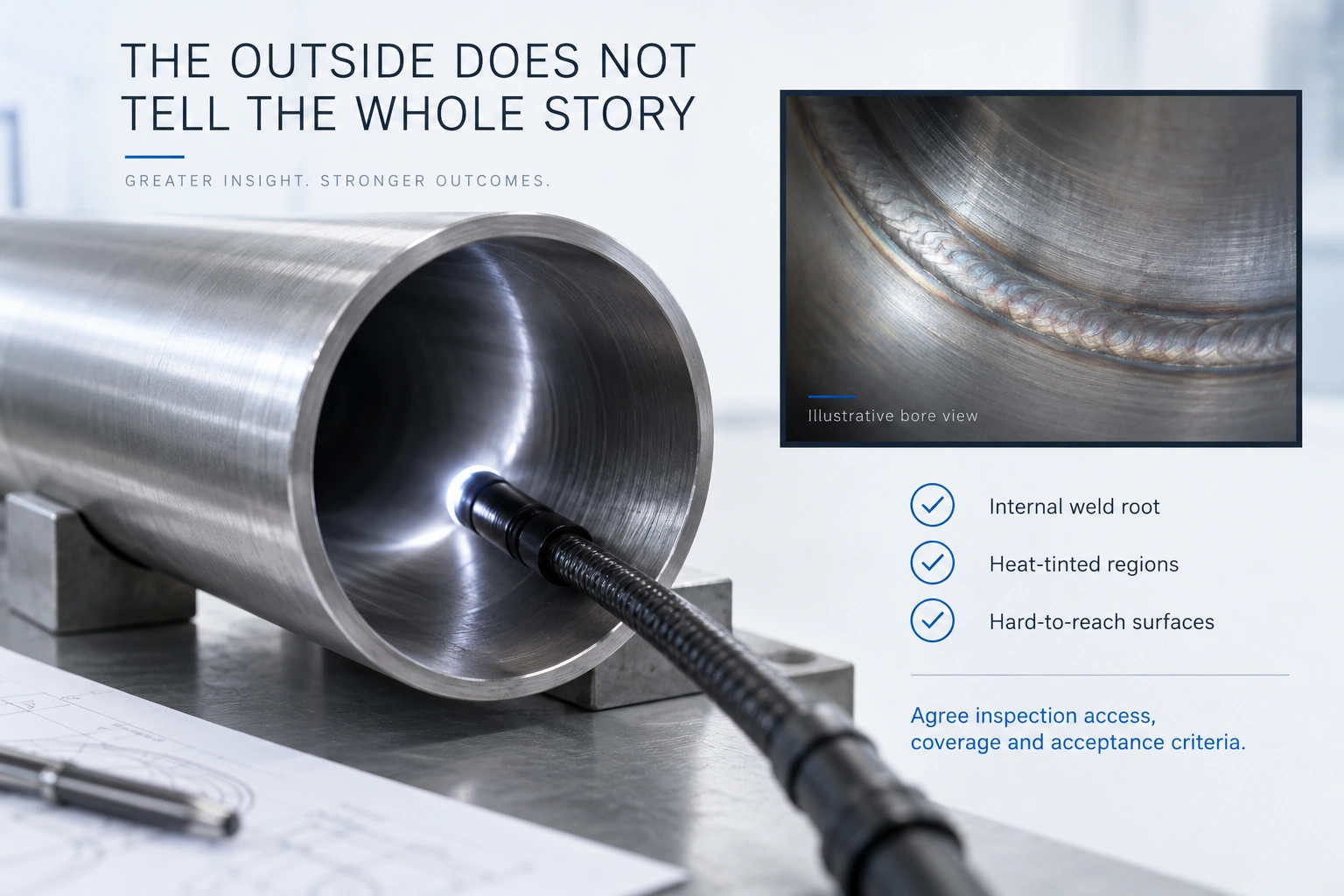
Figure 2. Inspect the external surface and relevant internal areas. Weld profile and heat-tint colors are schematic, not acceptance limits.
Contaminant iron can be transferred by shared carbon-steel brushes, previously used abrasive discs, cutting debris, dirty supports and lifting contact. Blasting media can introduce contamination if the media or equipment has been used on carbon steel. A cleaning operation can therefore create the condition it is intended to remove.
Separate stainless handling tools and consumables where the process requires it. Inspect contact surfaces and protect cleaned pipe from contaminated storage. Identify responsibility for the period between treatment, final inspection and packing; contamination introduced after the test is not covered by the earlier result.
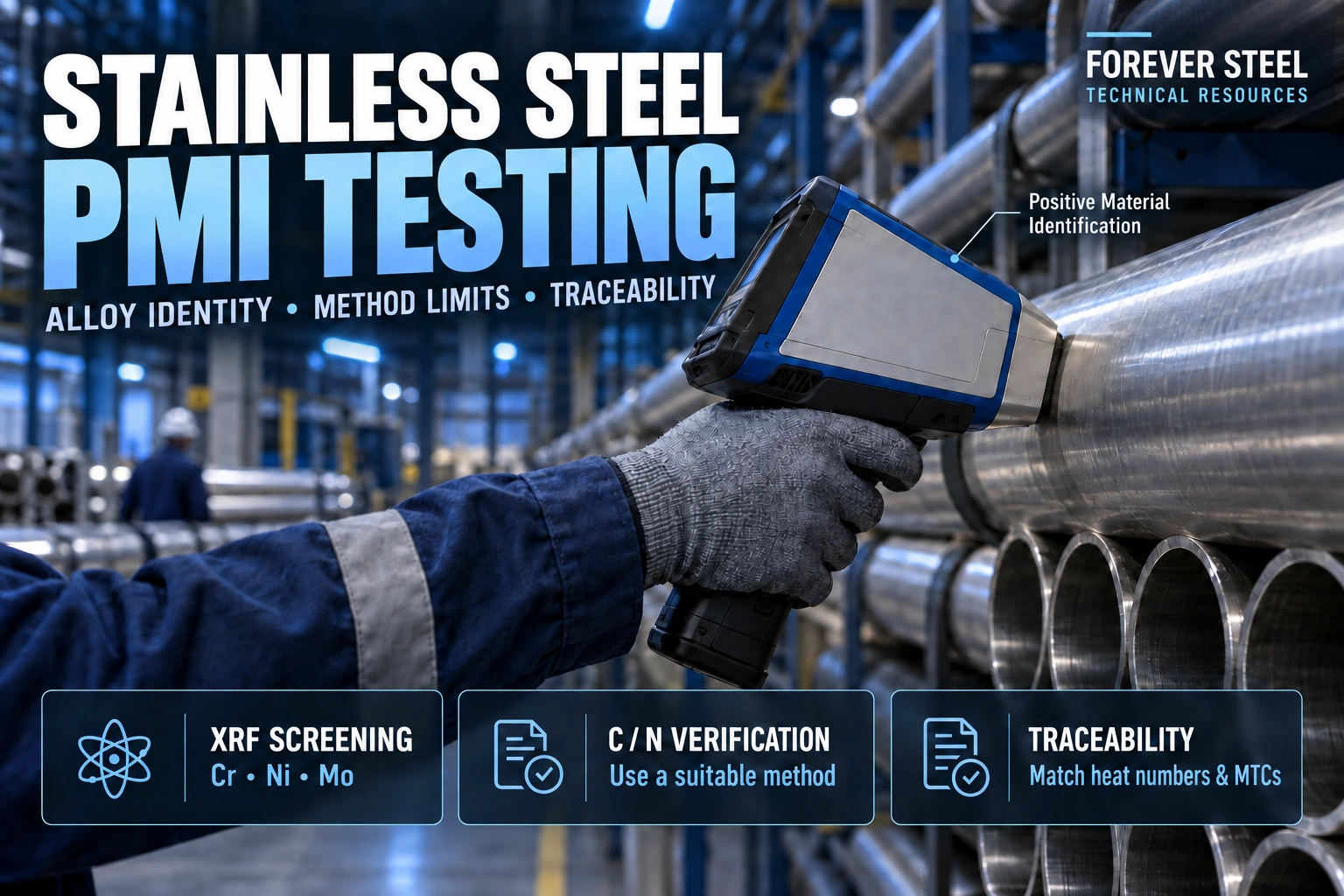
Use a free iron test to investigate surface contamination and PMI to check alloy identity. If the concern is mixed grades or an MTC mismatch, follow the stainless steel PMI testing guide. Keep these two acceptance checks separate.
ASTM A380/A380M-25 addresses cleaning and surface-treatment practices. ASTM A967/A967M-25 provides passivation treatments and alternative verification practices. Select the method for the grade and service; do not require every listed test simply because the standard is cited.
|
Method |
Question it helps answer |
Grade or use limitation |
|
Visual and internal-surface inspection |
Are specified visible oxide, residue or damage absent |
Accessible areas only; invisible films can remain |
|
Water immersion or high-humidity verification |
Does the treated sample show the defined contamination-related indication |
Use the selected practice and sampling plan; not a prediction of service life |
|
Copper sulfate test for free iron |
Is contaminant iron indicated on a suitable alloy surface |
Applicable to common 200/300-series austenitic grades and other specified groups; restrictions apply to 400-series grades |
|
Potassium ferricyanide–nitric acid verification |
Is a small amount of contaminant iron detected on suitable austenitic or duplex material |
Not for food-processing parts; not recommended for ferritic or martensitic 400-series grades |
|
Suitable cleanliness or rinse-residue check |
Has the defined cleaning endpoint been reached |
Does not independently prove the grade or complete corrosion resistance |
Select the copper sulfate test for free iron only when the grade is suitable. A967 does not recommend it for martensitic 400-series grades or ferritic 400-series grades below 16% chromium because misleading positive indications can occur. Check the contractual edition's method restrictions before selecting a field test.
Combine free-iron results with the required visual, roughness, weld and cleanliness records. A passed test supports the defined check at the sampled locations; inaccessible areas and service-specific corrosion suitability need their own assessment.
For in-service equipment, assess process deposits and hazards separately before selecting a cleaning procedure. A380 is not a complete in-service decontamination procedure.
Nitric-acid and citric-acid treatments can both be used for passivation under an appropriate specification. They do not perform identical chemical functions: nitric routes use an oxidizing treatment, while citric formulations remove contaminant iron through complexing action. Selection depends on the grade, condition, approved process and required result, not simply on a claim that one chemical is always better.
Complete the necessary precleaning and heavy-oxide removal before the passivation step. Worldstainless surface-treatment resources distinguish these cleaning tasks.
The treatment procedure should define concentration, temperature, exposure time, bath condition and loading. Record the actual controlled conditions for the batch. Do not copy one temperature and duration across different proprietary products, grades and geometries without qualification.
Rinsing needs its own acceptance basis. Specify the water-quality requirements, including chloride or other residue controls relevant to the project, the rinsing endpoint and how internal surfaces will drain and dry. There is no single chloride limit that can be applied to every alloy and service from the phrase “stainless steel pipe.”
Acid treatment and test chemicals require trained personnel, chemical-specific safety controls and compliant waste handling. Citric treatment does not remove the need to assess the spent liquid, which can contain dissolved metals and other constituents. Record the disposal arrangements in the process documentation rather than treating rinsing as an uncontrolled discharge.
Set the final surface requirements for seamless stainless steel pipe as well as welded pipe. Cutting and beveling can leave oil or transferred metal. Hot bending can create oxide. Fabrication welding can create heat tint, and handling or packaging can contaminate a previously clean surface.
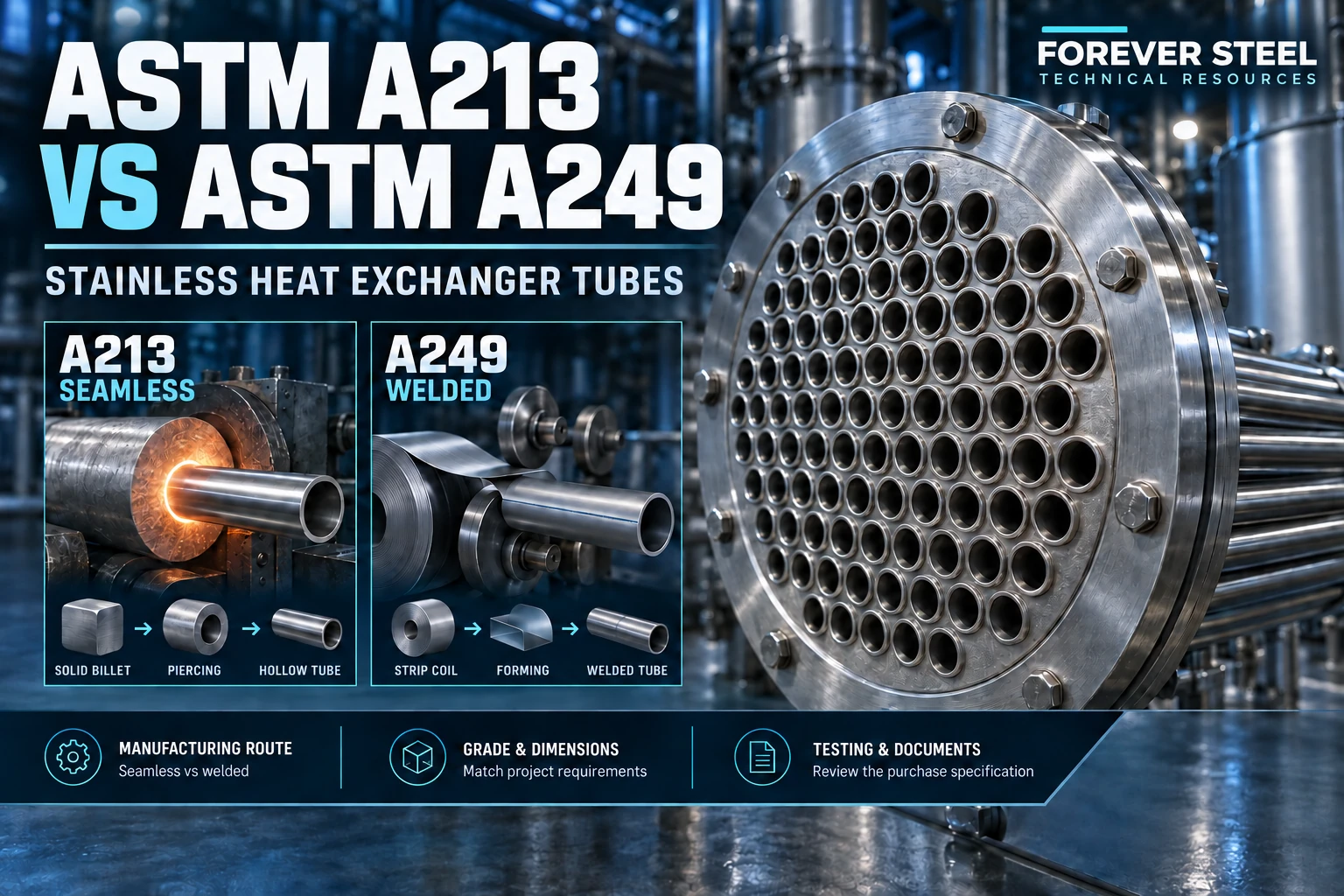
Define the final acceptance condition after the last relevant operation. For example, a treatment record issued before a subsequent hot-bending operation does not establish the surface condition after bending. Where the scope is split between a tube supplier and a fabricator, state which party is responsible for final treatment and verification. For replacement heat exchanger tubes, combine these requirements with the route and fit checks in the ASTM A213 vs A249 guide.
Define the treatment scope, approved procedure, inspection method and required records in the purchase order. Select acceptance criteria for the actual material and intended service.
The order shall identify the items and internal or external areas to which the required surface condition applies. The supplier shall identify any area that cannot be treated or inspected by the proposed method before work begins. Acceptance of an inaccessible area shall require the purchaser's agreed alternative verification.
Treatment shall follow the procedure, revision, standard and edition identified in the order. The procedure shall address precleaning, required oxide removal, passivation where specified, process controls, rinsing, drying and prevention of recontamination. Substitution of the treatment route requires prior written agreement.
The inspection plan shall identify the verification method, acceptance criteria, test locations, coverage and lot represented. Visual or borescope examination shall cover the surfaces specified in the order. A test coupon may represent the work only where its preparation, treatment exposure and relationship to the production items are defined and accepted.
The report shall identify the items, material grade, treated areas, procedure, batch, date, controlled process conditions, test locations, results and inspector. Failed areas shall be identified and held pending an approved corrective action. Reinspection results shall be retained with the original finding. Final packing shall protect the accepted surface from recontamination.
Need a defined delivery surface? Send the surface requirements to Forever Steel with the pipe grade, dimensions, intended service and areas to be inspected. Specify the requested finish and acceptance records separately. Any additional post-fabrication treatment or inspection scope must be confirmed for the order.
No. Appearance alone does not establish the underlying surface condition, cleanliness or suitability for the service. Apply the agreed treatment and verification requirements.
It should not be used as a substitute for the necessary oxide-removal process. Establish a suitably cleaned surface before the specified passivation treatment.
Use it only for grades covered by the selected specification and test practice. Under A967, restrictions apply to martensitic 400-series grades and ferritic 400-series grades below 16% chromium. Confirm the ordered edition and the actual grade before selecting the test.
No. Method restrictions differ by grade and use. In particular, do not apply the A967 ferricyanide–nitric acid practice to food-processing parts.
No. Material certification and surface-treatment acceptance answer different questions. The latter needs records covering the actual items and their final condition.