+8615674993216
 sales@forever-steels.com

 English
 العربية



For SCH 40 vs SCH 80 steel pipe at the same NPS, SCH 80 has a thicker wall, smaller bore and greater mass per metre. The outside diameter stays the same. Schedule is a dimensional series, so a pressure rating or an approved replacement cannot be established from “40” or “80” alone. Check material, design temperature, tolerances, corrosion allowance and the complete piping specification.
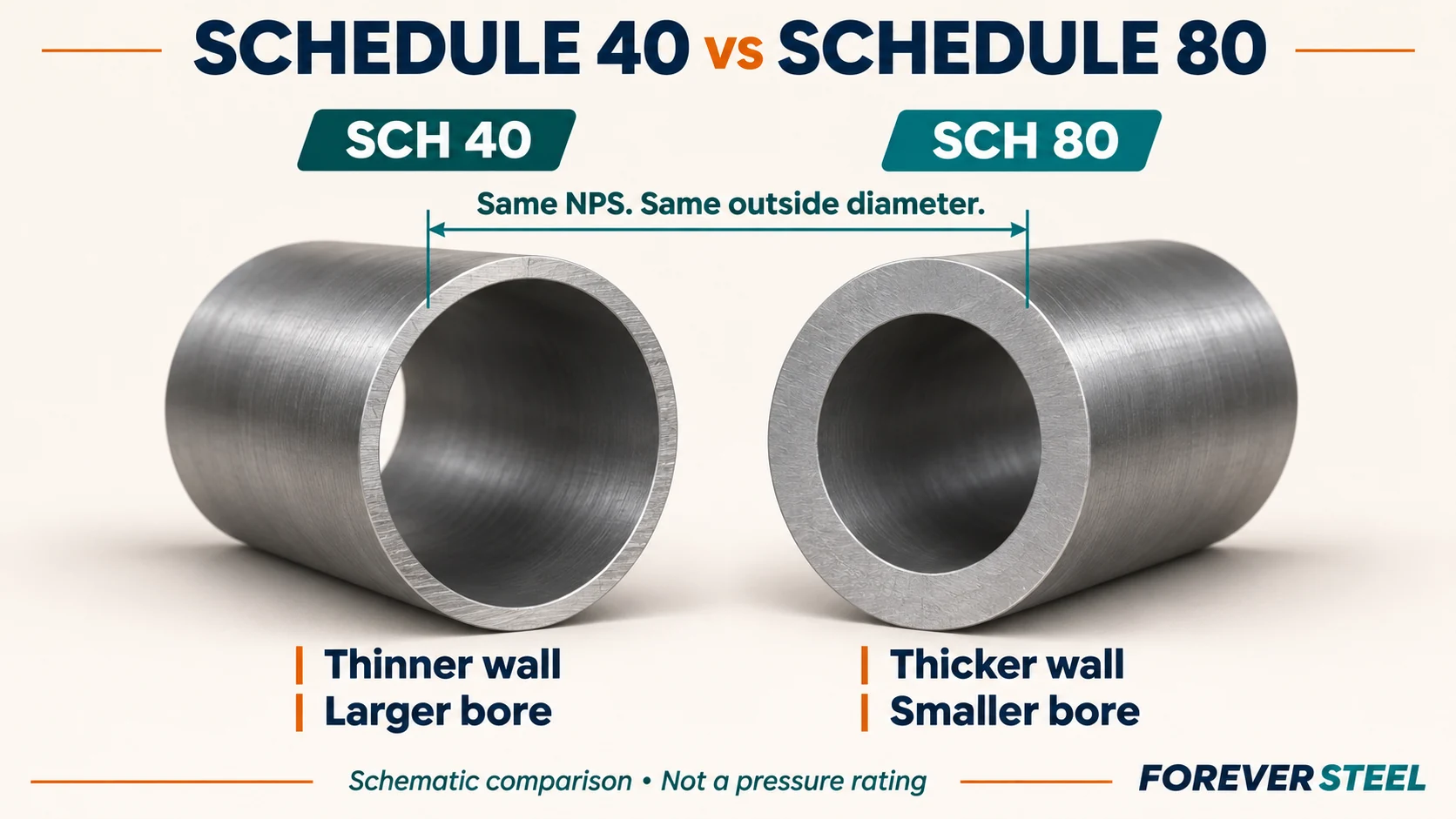
Figure 1. Same nominal size and outside diameter; a thicker wall reduces the bore. Schematic, not to scale.
A schedule selects a nominal wall thickness at a given NPS. It does not identify the steel grade, manufacturing route or flange class. SCH 40 is therefore not one fixed thickness: the selected wall changes with pipe size. Use our steel pipe schedule chart for a broader lookup; this guide focuses on what changes when comparing SCH 40 with SCH 80.
Table 1. Selected ASME B36.10 pipe dimensions
|
NPS |
SCH |
OD, in / mm |
Wall, in / mm |
Calculated ID, in / mm |
|
1 |
40 |
1.315 / 33.40 |
0.133 / 3.38 |
1.049 / 26.64 |
|
1 |
80 |
1.315 / 33.40 |
0.179 / 4.55 |
0.957 / 24.31 |
|
2 |
40 |
2.375 / 60.33 |
0.154 / 3.91 |
2.067 / 52.50 |
|
2 |
80 |
2.375 / 60.33 |
0.218 / 5.54 |
1.939 / 49.25 |
|
4 |
40 |
4.500 / 114.30 |
0.237 / 6.02 |
4.026 / 102.26 |
|
4 |
80 |
4.500 / 114.30 |
0.337 / 8.56 |
3.826 / 97.18 |
|
6 |
40 |
6.625 / 168.28 |
0.280 / 7.11 |
6.065 / 154.05 |
|
6 |
80 |
6.625 / 168.28 |
0.432 / 10.97 |
5.761 / 146.33 |
Basis: ASME B36.10-2022, selected inch dimensions. Millimetres are conversions at 25.4 mm/in, rounded to two decimals. ID = OD − 2 × nominal wall; actual bore varies with permitted tolerances.
At NPS 2, the nominal bore decreases from 2.067 in to 1.939 in. The calculated internal flow area falls by 12.0%. At unchanged volumetric flow, velocity therefore increases. A pressure-drop calculation must also account for fluid properties, roughness, fittings and length; the area change alone is not a pump-sizing calculation.
Table 2. Calculated bare carbon-steel mass and weight per foot
|
NPS |
SCH 40, kg/m |
SCH 40, lb/ft |
SCH 80, kg/m |
SCH 80, lb/ft |
Mass change |
|
1 |
2.50 |
1.68 |
3.24 |
2.17 |
+29.3% |
|
2 |
5.44 |
3.66 |
7.48 |
5.03 |
+37.5% |
|
4 |
16.07 |
10.80 |
22.32 |
15.00 |
+38.9% |
|
6 |
28.27 |
18.99 |
42.57 |
28.60 |
+50.6% |
Calculated from Table 1 using density 7,850 kg/m³. Mass = π × density × t × (OD − t) / 1,000,000, with OD and t in mm. Weight per foot is expressed as mass in lb/ft: multiply kg/m by 0.3048 / 0.45359237 ≈ 0.671969, using NIST unit conversions. Values are rounded after calculation. Excludes tolerances, coatings, couplings and packaging; these are theoretical values, not shipping weights.
At the same size and length, the heavier wall changes lifting loads and the empty-pipe load on supports. Operating load also includes the contained fluid and insulation. For shipment planning, distinguish calculated bare mass from the supplier’s actual gross weight; see our pipe weight and shipping estimate guide.
Choose SCH 40 when it meets the approved design and line specification: at the same NPS and grade, it provides a larger bore and uses less metal per metre than SCH 80. Choose SCH 80 when the approved specification requires its thicker wall, for example to satisfy a calculated wall requirement with the specified allowance. These are purchasing selection principles, not a pressure-rating table or a design basis.
For an existing line, keep the specified schedule unless a change is approved; for a new line without a wall selection, ask the designer to establish it before comparing quotations. A utility-water or compressed-air service name alone does not justify either schedule.
A replacement needs approval against the line specification. More nominal wall can provide additional pressure-containment or corrosion allowance where the design permits it, but a smaller bore and heavier pipe can create other restrictions. “Upgrade to SCH 80” should be a documented change, not an automatic purchasing substitution.
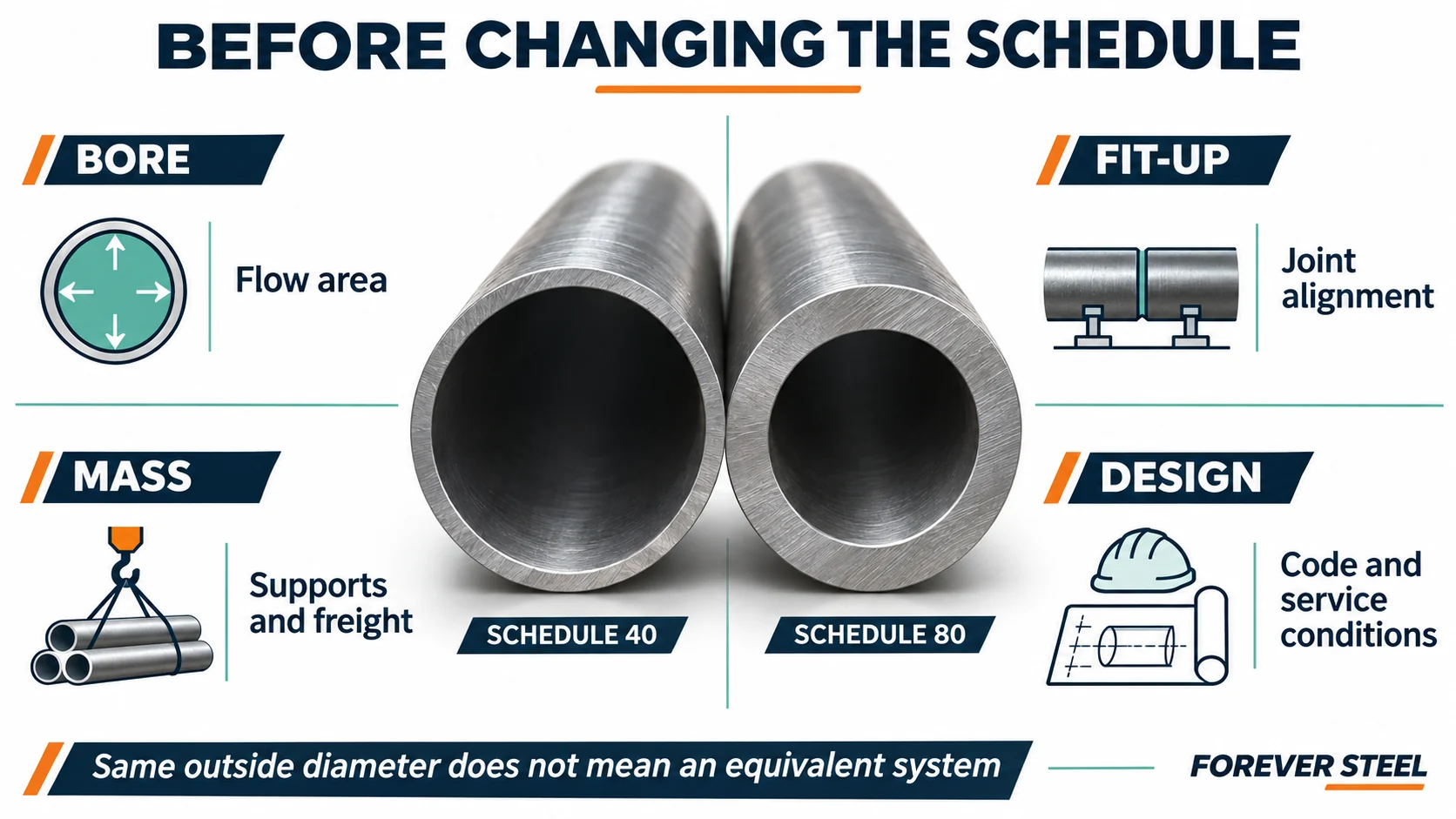
Figure 2. Review the complete system before accepting a different wall series.
Table 3. Questions to resolve before approving a schedule change
|
Buyer concern |
What to verify |
Acceptance record |
|
Pressure or corrosion margin |
Required design wall after allowances and manufacturing tolerance |
Approved design calculation / line class |
|
Flow capacity |
Bore, velocity, pressure loss and equipment connections |
Hydraulic review |
|
Installation |
Weld fit-up, flange bore, end preparation and support loads |
Approved joint details / support review |
|
Availability or lead time |
Equivalent material, route, inspection and documentation |
Written substitution approval |
Selection checklist, not a schedule recommendation for any particular service.
Pressure design needs the actual diameter and wall, material allowable stress at design temperature, applicable factors and allowances. The construction code and service category also matter. ASME B31.3 covers process-piping design as well as fabrication, examination and testing; B36.10 supplies dimensions. A supplier’s generic pressure chart cannot replace the applicable design review.
Equal NPS and OD help establish the external fit, but different walls leave different internal bores. Butt-weld joints may need a controlled transition and revised end preparation, subject to the qualified welding procedure and code. Confirm the mating fitting wall and the weld-neck flange bore. Our weld-neck flange bore and pipe fit-up guide explains why matching the flange class alone does not settle that interface.
For threaded ends, verify the applicable thread standard, remaining wall and service restrictions rather than assuming a thick wall makes every threaded connection acceptable. A flange Class 150 or 300 designation is a pressure–temperature rating category governed by its material and standard; it is not another name for pipe schedule. See ASME B16.5.
SCH 80 uses more steel per metre at the same NPS. That raises theoretical material consumption, but the final price also depends on grade, seamless or welded manufacture, ordered quantity, mill availability, testing, ends and freight. Compare quotations on the same length and specification basis. A lower price per tonne can still mean a higher cost per metre; no fixed percentage premium applies to every order.
The dimensional comparison above uses B36.10. Stainless orders may use B36.19 wall series such as 40S and 80S. Some dimensions coincide, but exceptions exist, including NPS 12 for 40S and NPS 10 and 12 for 80S. Confirm the actual wall and standard using our B36.10 and B36.19 comparison. PVC schedule terminology follows separate product standards and ratings; steel pressure conclusions must not be transferred to plastic pipe.
· “2-inch pipe” without NPS, OD or a dimensional standard.
· A schedule without the material specification, grade and manufacturing route.
· A permitted wall substitution without a bore or connection review.
· A price comparison mixing metres, tonnes and different inspection scopes.
For an ASTM A106 seamless steel pipe enquiry, send the grade, NPS, schedule and nominal wall, length, quantity, end preparation, inspection requirements and delivery destination. We can use those fields to align the quotation with your approved specification.
At the same size and material, SCH 80 has a larger metal cross-section. Its suitability for pressure, bending, fatigue or external loads still depends on the full design. The schedule does not change the steel grade’s specified yield strength.
Yes, at the same NPS within the same B36.10 dimensional series. The wall and internal diameter change. Manufacturing tolerances still apply.
Only after the joint details are checked. External size may match while the internal bore, weld transition and equipment connections need review.
No. Schedule identifies pipe wall dimensions. A flange pressure class identifies a rating category; the allowable pressure depends on the flange material and temperature.
There is no single pressure for all SCH 80 pipe. NPS, grade, temperature, dimensional tolerances, allowances and the governing design code must be specified.
A code-compliant joint can be designed for unequal walls. The permitted mismatch, transition, bevel and welding procedure must be established for that particular joint.
No. The schedule number is not a price multiplier. Compare the actual mass per metre and the same material, fabrication, testing and delivery scope.
· Pipe Schedule Chart: Dimensions and Wall Thickness
· ASME B36.10 vs B36.19 Pipe Dimensions
· Steel Pipe Size Chart: NPS, DN and OD
· Weld-Neck Flange Bore and Pipe Schedule Fit-Up
· ASME B36.10-2022 — selected nominal pipe dimensions used in Table 1.
· ASME B36.19: Stainless Steel Pipe — S-suffix scope and listed differences from B36.10; use the project-specified edition.
· ASME B31.3: Process Piping — scope of the design, fabrication and inspection framework.
· ASME B16.5: Pipe Flanges and Flanged Fittings — pressure–temperature classes and flange requirements.
· NIST Guide to the SI: Conversion Factors — basis for converting calculated mass per metre to pounds per foot.