+8615674993216
 sales@forever-steels.com
 English
 العربية

LSAW pipe is formed from steel plate and has a longitudinal weld; SSAW pipe is formed helically from coil and has a spiral weld. Both use submerged arc welding. The main differences are feedstock, forming method, seam geometry and the qualified mill's size range.
Neither seam type alone proves a higher pressure rating, lower price or better dimensional accuracy. Compare the ordered standard, grade, OD × wall thickness, tolerances, inspection scope and approved manufacturing route. This page explains the manufacturing differences; the linked project-selection guide addresses project fit.
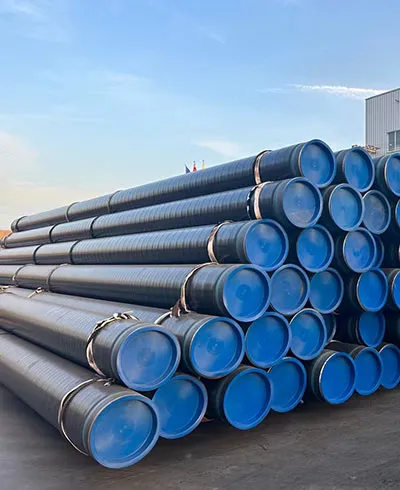
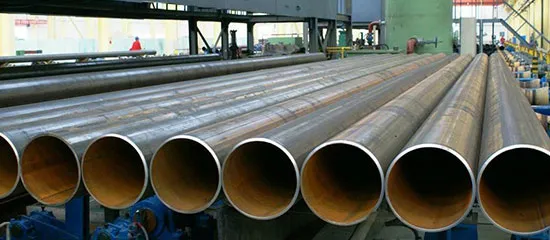
LSAW (Longitudinal Submerged Arc Welded) steel pipe is made from steel plate that is formed and welded along the pipe’s length using a straight longitudinal submerged arc welding process. Its plate-based route can suit demanding large-diameter projects, but strength and pressure suitability depend on the ordered material, wall thickness, design and verified pipe/weld properties.
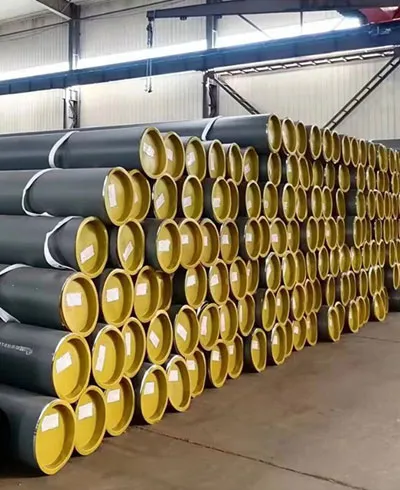
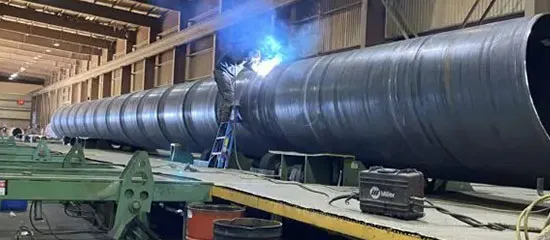
SSAW (Spiral Submerged Arc Welded) steel pipe is manufactured from steel coil formed into a helical shape with spiral welding. This allows economical production of very large diameters and flexible size ranges.
|
Pipe Type |
Typical OD Range |
Typical Wall Thickness (WT) |
|
LSAW Steel Pipe |
406 mm – 1626 mm (16″ – 64″) |
6 mm – 40 mm (standard) |
|
SSAW Steel Pipe |
219 mm – 4064 mm (8″ – ~160″) |
6 mm – 40 mm (varies with spec) |
Note: The OD/WT ranges above are typical sizes commonly offered for engineering and pipeline applications. Actual custom dimensions depend on project specifications, standards (e.g., API 5L, ASTM, EN), and mill capabilities.
|
Feature |
LSAW |
SSAW |
|
Starting Material |
Steel plate |
Steel coil |
|
Weld Seam |
Longitudinal straight seam |
Spiral (helical) seam |
|
OD Flexibility |
Moderate |
High |
|
Wall Thickness Capability |
Confirm qualified plate, forming and wall range | Confirm qualified coil, forming and wall range |
|
Production Cost |
Compare a quotation for the complete order | Compare the same specification and delivery scope |
|
Dimensional Accuracy |
Verify ordered tolerances and inspection records | Verify ordered tolerances and inspection records |
|
Capability and commercial differences must be confirmed for the specific mill, size, grade and order scope. |
|
|
5. Strength & Pressure Performance
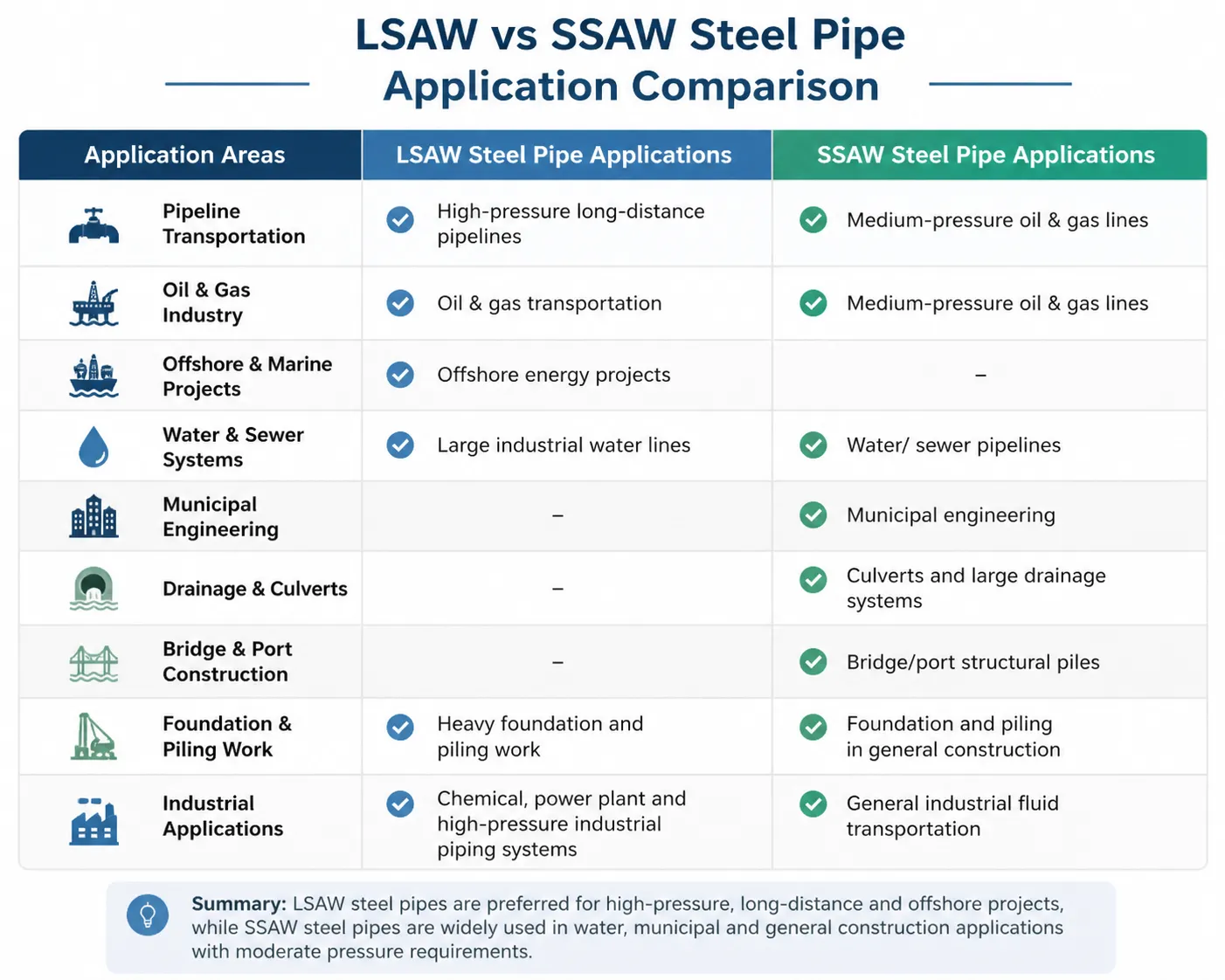
· LSAW: With straight weld seam and heavy plate raw material, LSAW pipes are often chosen for high-pressure oil & gas transmission and subsea pipeline projects.
· SSAW: A spiral seam does not by itself establish lower strength or exclude pressure service. Confirm the design code, project-approved route, grade, wall thickness, toughness, weld procedure, NDT and hydrotest. SSAW is also widely considered for water transmission, piling and structural work.
When selecting between LSAW and SSAW, consider:
· Design pressure & fluid medium
· Diameter & wall thickness requirements
· Applicable standards & codes
· Coating and corrosion protection needs
· Inspection and testing level
· Budget and delivery schedule
In general:
· Assess LSAW for demanding wall thickness, geometry and pressure requirements where the project approves the route.
· Choose SSAW when diameter flexibility and cost-efficiency are priorities.
Common tests include:
· Chemical composition and mechanical property testing
· Hydrostatic pressure tests
· Non-destructive weld inspection (UT/RT)
· Dimensional and coating checks
Ensure compliance with project standards such as API 5L PSL levels or EN/ISO specifications.
Both LSAW and SSAW steel pipes play vital roles in infrastructure and pipeline engineering:
· LSAW: A plate-based route to assess for demanding pressure or structural projects when approved by the specification.
· SSAW: A coil-based route to assess for large-diameter projects; suitability and cost depend on the qualified mill and complete order scope.
The route comparison is not a pressure-rating table. API 5L covers material, manufacturing, inspection and testing requirements; the applicable design code and project specification determine acceptance. API 5L standard context.
Mannesmann describes spiral-welded large-diameter pipe for natural-gas infrastructure. This is evidence that spiral welding is not limited to water or structural use, not proof that any SSAW pipe meets a particular pressure design.
LSAW uses plate formed into a pipe with a longitudinal seam. SSAW uses coil formed helically with a spiral seam. Both use submerged arc welding, while their forming controls and seam inspection arrangements differ.
No. Compare the specified grade, dimensions, toughness, weld properties and verified test results. The manufacturing-route name alone does not establish strength or an allowable design pressure.
It can be considered where the governing specification and project approve the route and the mill demonstrates the required qualification, properties and inspection evidence. Do not infer approval for a particular project from the fact that another pipeline uses spiral-welded pipe.
No. Compare quotations for the same grade, OD, wall, length, quantity, coating, inspection and delivery scope. Feedstock availability, mill scheduling and freight can change the final comparison.
Continue with these closely related Forever Steel technical resources:
LSAW and SSAW are both submerged-arc-welded pipe routes, but they form plate or coil differently and create different seam geometry. Project selection still requires the design code, size and wall, service conditions and inspection specification.
| Feature | LSAW | SSAW |
| Feedstock/forming | Plate formed with a longitudinal seam | Coil formed helically with a spiral seam |
| Typical fit | Large diameter and heavier-wall project pipe where the route is qualified | Broad large-diameter production, often infrastructure and transmission |
| Dimensional focus | End geometry, straightness and plate-to-pipe control | Diameter, pitch/seam geometry and end preparation control |
| Inspection focus | Longitudinal seam and approved repair route | Helical seam, skelp joints and approved repair route |
Forever Steel supplies both LSAW pipe and SSAW pipe; availability is checked against the exact standard, grade, dimensions and test scope. Neither route should be accepted or rejected from the seam name alone.