+8615674993216
 sales@forever-steels.com
 English
 العربية

LSAW and SSAW are two widely used welded steel pipe types in pipeline and structural projects. They differ significantly in manufacturing method, size range, weld seam type, pressure performance, and typical applications. Understanding these differences helps engineers and procurement teams select the right pipe type for their projects.
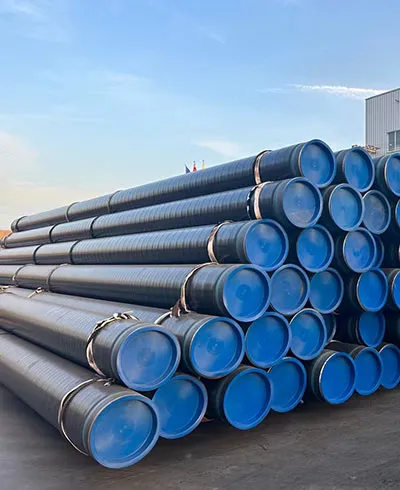
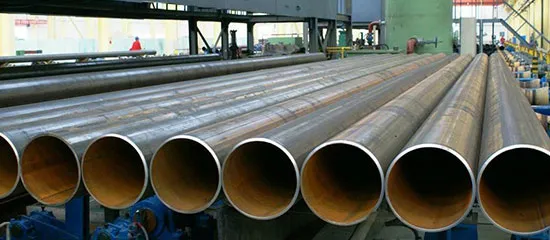
LSAW (Longitudinal Submerged Arc Welded) steel pipe is made from steel plate that is formed and welded along the pipe’s length using a straight longitudinal submerged arc welding process. This type is known for higher strength and suitability for high-pressure applications.
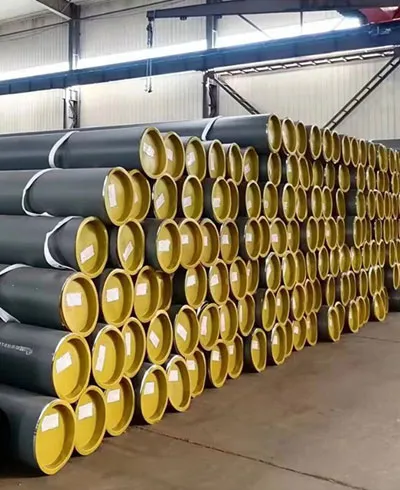
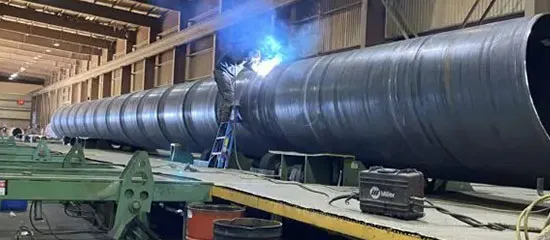
SSAW (Spiral Submerged Arc Welded) steel pipe is manufactured from steel coil formed into a helical shape with spiral welding. This allows economical production of very large diameters and flexible size ranges.
|
Pipe Type |
Typical OD Range |
Typical Wall Thickness (WT) |
|
LSAW Steel Pipe |
406 mm – 1626 mm (16″ – 64″) |
6 mm – 40 mm (standard) |
|
SSAW Steel Pipe |
219 mm – 4064 mm (8″ – ~160″) |
6 mm – 40 mm (varies with spec) |
Note: The OD/WT ranges above are typical sizes commonly offered for engineering and pipeline applications. Actual custom dimensions depend on project specifications, standards (e.g., API 5L, ASTM, EN), and mill capabilities.
|
Feature |
LSAW |
SSAW |
|
Starting Material |
Steel plate |
Steel coil |
|
Weld Seam |
Longitudinal straight seam |
Spiral (helical) seam |
|
OD Flexibility |
Moderate |
High |
|
Wall Thickness Capability |
Higher thick walls |
Moderate thick walls |
|
Production Cost |
Higher per ton |
More economical for large OD |
|
Dimensional Accuracy |
Very high |
Good |
|
(Summary based on industry comparisons) |
|
|
5. Strength & Pressure Performance
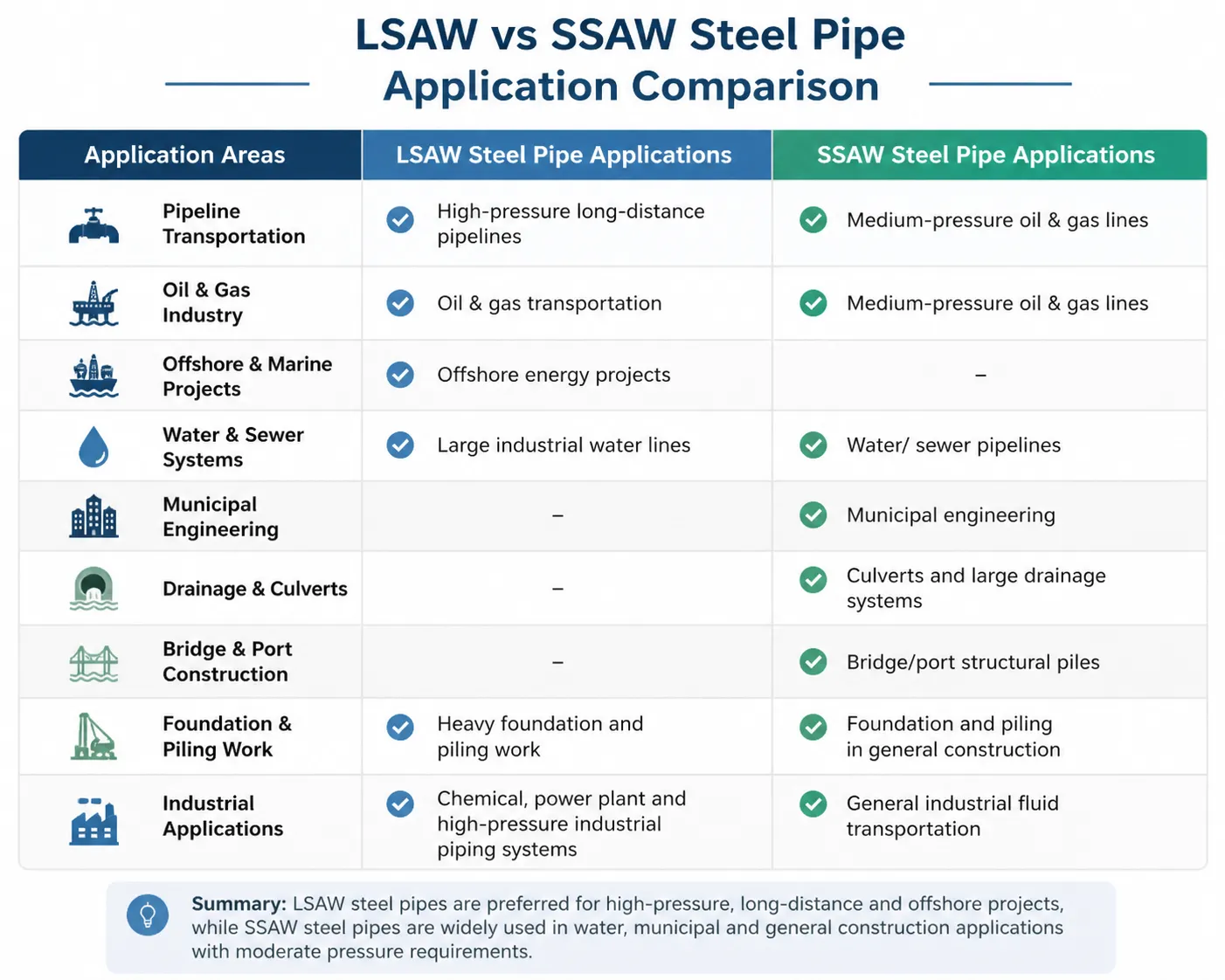
· LSAW: With straight weld seam and heavy plate raw material, LSAW pipes are often chosen for high-pressure oil & gas transmission and subsea pipeline projects.
· SSAW: Spiral seam may not be as strong under very high pressure but is excellent for large diameter pipelines such as water transmission, piling, and structural support.
When selecting between LSAW and SSAW, consider:
· Design pressure & fluid medium
· Diameter & wall thickness requirements
· Applicable standards & codes
· Coating and corrosion protection needs
· Inspection and testing level
· Budget and delivery schedule
In general:
· Choose LSAW for high-pressure, critical pipelines.
· Choose SSAW when diameter flexibility and cost-efficiency are priorities.
Common tests include:
· Chemical composition and mechanical property testing
· Hydrostatic pressure tests
· Non-destructive weld inspection (UT/RT)
· Dimensional and coating checks
Ensure compliance with project standards such as API 5L PSL levels or EN/ISO specifications.
Both LSAW and SSAW steel pipes play vital roles in infrastructure and pipeline engineering:
· LSAW: Best for high-pressure, structural-critical pipelines.
· SSAW: Cost-effective solution for large-diameter, medium-pressure applications.
LSAW و SSAW كلاهما طرق أنابيب ملحومة بالقوس المغمور ، لكنهما يشكلان لوحة أو لفائف بشكل مختلف ويخلقان هندسة تماس مختلفة. لا يزال اختيار المشروع يتطلب رمز التصميم والحجم والجدار وشروط الخدمة وتحديد مواصفات الفحص.
| ميزة | لساو | منشار |
| المواد الخام/تشكيل | لوحة تشكلت مع التماس الطولي | لفائف تشكلت بشكل حلزوني مع التماس حلزوني |
| مناسبة نموذجية | أنبوب مشروع كبير القطر وأثقل الجدار حيث يكون الطريق مؤهلاً | إنتاج واسع القطر ، في كثير من الأحيان البنية التحتية والنقل |
| التركيز الأبعاد | هندسة النهاية ، الاستقامة والتحكم في اللوحة إلى الأنبوب | قطر ، هندسة الملعب/التماس والتحكم في إعداد النهاية |
| تركيز التفتيش | التماس الطولي ومسار الإصلاح المعتمد | التماس حلزوني ، مفاصل هيكل عظمي ومسار إصلاح معتمد |
لوازم الصلب إلى الأبد على حد سواءأنبوب لساووأنبوب منشار؛ يتم التحقق من التوافر مقابل المعيار الدقيق والدرجة والأبعاد ونطاق الاختبار. لا ينبغي قبول أي مسار أو رفضه من اسم التماس وحده.