+8615674993216
 sales@forever-steels.com
 English
 العربية


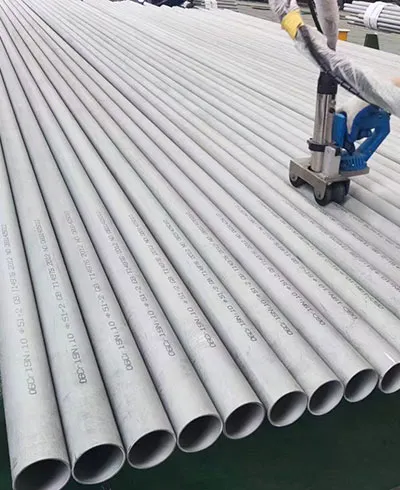
How is steel-pipe quality controlled before shipment? Release should reconcile the approved order requirements, production and inspection evidence, nonconformance status, final dossier and physical cargo. One passed test or finished packing step cannot replace the complete product-specific release chain. The referenced product pages are ERW steel pipe. and LSAW steel pipe.
For an export steel pipe order, quality is not confirmed by a single inspection at the end. It is protected by a chain of checks that begins with the purchase requirements and continues until the cargo is loaded. Forever Steels uses this end-to-end approach to reduce the risk of wrong specifications, incomplete records, transport damage and shipment discrepancies before the order leaves the warehouse.
|
Quick answer:Steel pipe quality control is complete only when the approved requirements, production and inspection evidence, non-conformance status, final dossier and physical cargo all agree. A pipe cannot be released merely because one test passed or the packing is finished. |
A steel pipe shipment may pass through sales, technical review, sourcing or production, inspection, warehouse, documentation and logistics. A detail missed at one stage can become a serious problem later. The wrong wall thickness can affect project acceptance. An unreadable heat number can break traceability. Inconsistent packing-list data can delay customs clearance. Inadequate packing can damage pipe ends or coatings during sea transport.
For this reason, our quality control process is designed around order consistency. We compare the physical pipes, test and inspection records, markings, packing, commercial documents and loading information against the approved order requirements. The cargo and the documents should describe the same product, in the same quantity, under the same agreed specification.
Before inspection activities begin, the order requirements must be clear. Our team reviews the applicable standard, grade, outside diameter, wall thickness or schedule, length, pipe ends, coating, testing requirements, marking instructions, packing method, inspection documents and destination information.
These details form the basis of the inspection and release plan. Requirements affecting production, testing, documentation or packing are clarified before the order moves forward. For project orders, the review may also include an inspection and test plan (ITP), customer hold or witness points, third-party inspection requirements and project-specific document formats.
|
Release chain:Approved specification -> ITP -> production records -> inspection reports -> NCR closure -> final dossier -> shipment release |
|
Release gate |
Question to close |
Minimum evidence before moving forward |
|
Approved specification |
What exactly has the buyer ordered and approved? |
PO, technical specification, standard and edition, approved deviations and drawings where applicable. |
|
ITP |
Which checks apply, who attends and where are hold or witness points? |
Approved inspection sequence, acceptance criteria, notification requirement and responsible parties. |
|
Production records |
Was the product made and identified under the agreed process? |
Material identity, process records, heat treatment or welding records, and traceability references as applicable. |
|
Inspection reports |
Do the actual dimensions, tests, surface, coating and marking meet the acceptance basis? |
Signed dimensional, NDT, hydrotest, coating, visual and other agreed reports. |
|
NCR closure |
Are all deviations resolved and accepted? |
NCR, root-cause or correction record, reinspection evidence and written disposition or concession where permitted. |
|
Final dossier |
Can the buyer verify the accepted cargo and its records? |
MTCs, reports, certificates, traceability matrix, packing list, photos and approved document index. |
|
Shipment release |
Is the accepted cargo ready, identifiable and authorized to load? |
Inspection release note or equivalent authorization, final packing status, quantity check and loading instructions. |
|
Checkpoint |
What we verify |
Typical evidence |
|
Specification review |
Standard, grade, size, wall, length, ends, coating, tests, marking, packing and documents |
Approved order review or checklist |
|
Material confirmation |
Material identity, heat number, grade and relationship to the required inspection document |
MTC reference and material marking |
|
Dimensional inspection |
OD, wall thickness, length, straightness and other agreed dimensions |
Measurement record and photos |
|
Test record review |
Required NDT, hydrostatic, mechanical, chemical or coating records |
Test reports or controlled references |
|
Surface and coating |
Visible condition, coating type, thickness, holiday testing and repair condition as applicable |
Inspection photos and coating records |
|
Marking |
Standard, grade, size, heat, bundle and customer marks match documents |
Pipe and bundle-tag photos |
|
Packing |
Bundle method, end protection, waterproofing, labels and transport suitability |
Packing checklist and photos |
|
Document review |
MTC, inspection records, packing list, invoice and shipping data are consistent |
Document review record |
|
Loading record |
Quantity, package condition, vehicle or container details, loading sequence and seal |
Loading photos and seal record |
|
If this gate is weak |
Likely buyer risk |
Control response |
|
Specification not frozen |
Conflicting grade, size, tests, coating or marking expectations |
Clarify and approve the controlling requirement before production or inspection. |
|
ITP not aligned |
Missed hold point, late inspector notification or disputed sampling |
Approve inspection sequence, attendance points and notice period in advance. |
|
Production records incomplete |
Testing cannot be tied to actual product route or heat |
Hold the affected scope until identity and records are restored. |
|
Inspection report too generic |
Buyer sees pass/fail but cannot verify actual values or samples |
Provide actual results, acceptance basis, sample scope and traceability references. |
|
NCR still open |
Known non-conformance enters packing or loading |
Segregate affected material and prohibit release until approved closure. |
|
Final dossier inconsistent |
Correct pipe but wrong or incomplete documentation |
Reconcile document index, heat mapping, revisions and packing-list data. |
|
Release not controlled |
Warehouse loads cargo that inspection has not authorized |
Require a formal release note or equivalent shipment authorization. |
A quality control system is useful only when it can stop a nonconforming item from moving forward. If our team finds a mismatch, unclear marking, damaged packing, missing record or other discrepancy, the affected pipes or documents are held for review. The issue is recorded, the responsible team confirms the cause, and corrective action is completed before release.
Corrective action may include re-measurement, additional inspection, remarking, repacking, document correction, repair, replacement or re-testing. The corrected item is checked again. Shipment release is based on the final verified condition, not on an assumption that the correction was completed.
A non-conformance report (NCR) documents a departure from the approved requirement. Opening an NCR does not automatically mean the material must be rejected, but it does mean the affected scope needs a controlled disposition. That may be rework, replacement, downgrade, rejection or concession acceptance where the buyer and engineering authority permit it.
|
NCR status |
Can the affected material be released? |
Required action |
|
Open - scope not confirmed |
No |
Identify affected heat, lot, pipe or bundle and segregate it. |
|
Open - correction planned |
No |
Complete the approved correction or rework and retain evidence. |
|
Corrected, not reinspected |
No |
Repeat the required inspection or test against the original acceptance basis. |
|
Concession proposed |
Not until approved |
Obtain written approval from the authorized buyer or engineering party. |
|
Closed with evidence |
Yes, if all other gates pass |
Include closure and supporting records in the final dossier. |
|
No-release rule:If the NCR affects material identity, dimensions, test acceptance, coating, marking, packing or required documentation and has not been formally closed, the affected cargo must not receive shipment release. |
Many international buyers cannot attend inspection or loading in person. A structured evidence package allows remote review and creates a clear shipment record. Sensitive customer, order and commercial information can be masked where necessary. The evidence should still show the condition and identity of the actual cargo rather than generic factory images.
|
Record |
What it helps the buyer confirm |
|
Inspection checklist |
The agreed checkpoints were reviewed before shipment release. |
|
Dimension photos or records |
Sampled pipes match the ordered size and dimensional requirements. |
|
Marking and bundle-tag photos |
Physical cargo links to the order and traceability documents. |
|
Packing photos |
Pipe ends, coatings, bundles and labels were protected before transport. |
|
Loading and seal photos |
The released cargo was loaded and shipment identity was recorded. |
|
NCR register and closure records |
Known discrepancies were resolved before release. |
|
Final dossier index |
The document package is complete, current and easy to reconcile. |
|
Dossier group |
Typical contents |
Final check |
|
Order basis |
Approved specification, PO, drawings, deviation approvals |
Latest approved revision is used. |
|
Material records |
MTCs and traceability matrix |
Every heat and supplied item is mapped. |
|
Manufacturing records |
Process, heat treatment, welding or repair records as applicable |
Records match the product route and agreed scope. |
|
Inspection and test |
Dimensional, visual, NDT, hydrotest, coating and other agreed reports |
Reports show acceptance basis and identifiable scope. |
|
Non-conformance |
NCR register, dispositions, concessions and reinspection evidence |
No release-blocking item remains open. |
|
Shipment evidence |
Packing list, tags, photos, release note and loading record |
Released quantity matches the physical cargo. |
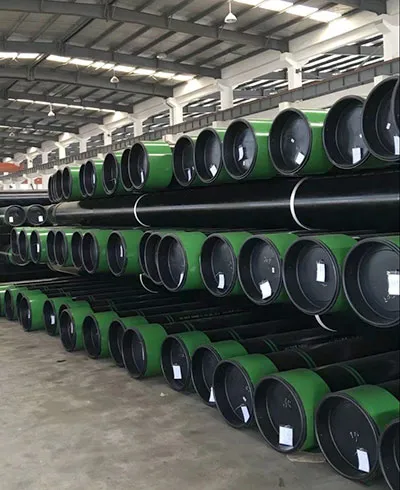
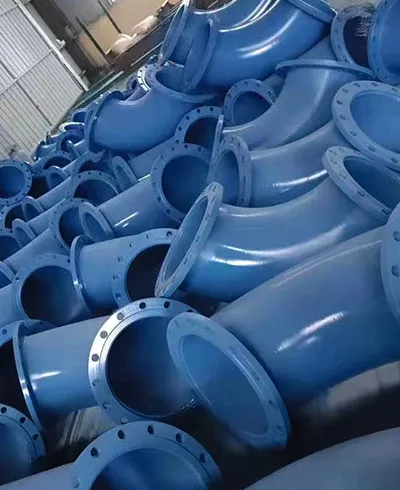
Not every steel pipe order requires the same checks. Seamless steel pipes, welded steel pipe, coated steel pipes, OCTG products and pipe fittings have different manufacturing routes, inspection priorities, packing risks and document requirements. We align inspection depth with the product, standard, application, customer requirements and agreed documentation scope.
This approach avoids two common problems: applying a generic checklist that misses project-specific requirements, or adding tests and documents that were never agreed and may delay delivery. The approved specification remains the reference throughout the process.
If you are preparing a steel pipe RFQ, send us the product specification, quantity, testing requirements, packing method and required documents. Forever Steels can review the requirements and provide a proposed pre-shipment quality-control plan for your order.
A clear QC plan helps both sides confirm what will be checked, what evidence will be available, and what must be completed before shipment release.
|
Next step:Send your steel pipe specification or RFQ to Forever Steels for requirement review and a proposed quality-control documentation plan. |
· Steel Pipe Inspection Checklist Before Shipment
· Raw Material and Heat Number Traceability for Steel Pipes
· How to Prevent Surface Damage to Coated Steel Pipes During Transportation