+8615674993216
 sales@forever-steels.com

 English
 العربية



Select a steel water pipe system by recording the actual service, approved design, internal exposure, external environment and installed joints. Then match a permitted pipe-body route with a compatible lining and coating. Raw, potable, desalinated and reclaimed water are not interchangeable specifications, and the categories can overlap.
Desalinated describes a treatment route; potable describes an accepted end use. A desalinated supply can become potable after its specified treatment and approval. Use both the water-source and final-use fields in an inquiry so the supplier knows what will contact the pipe.
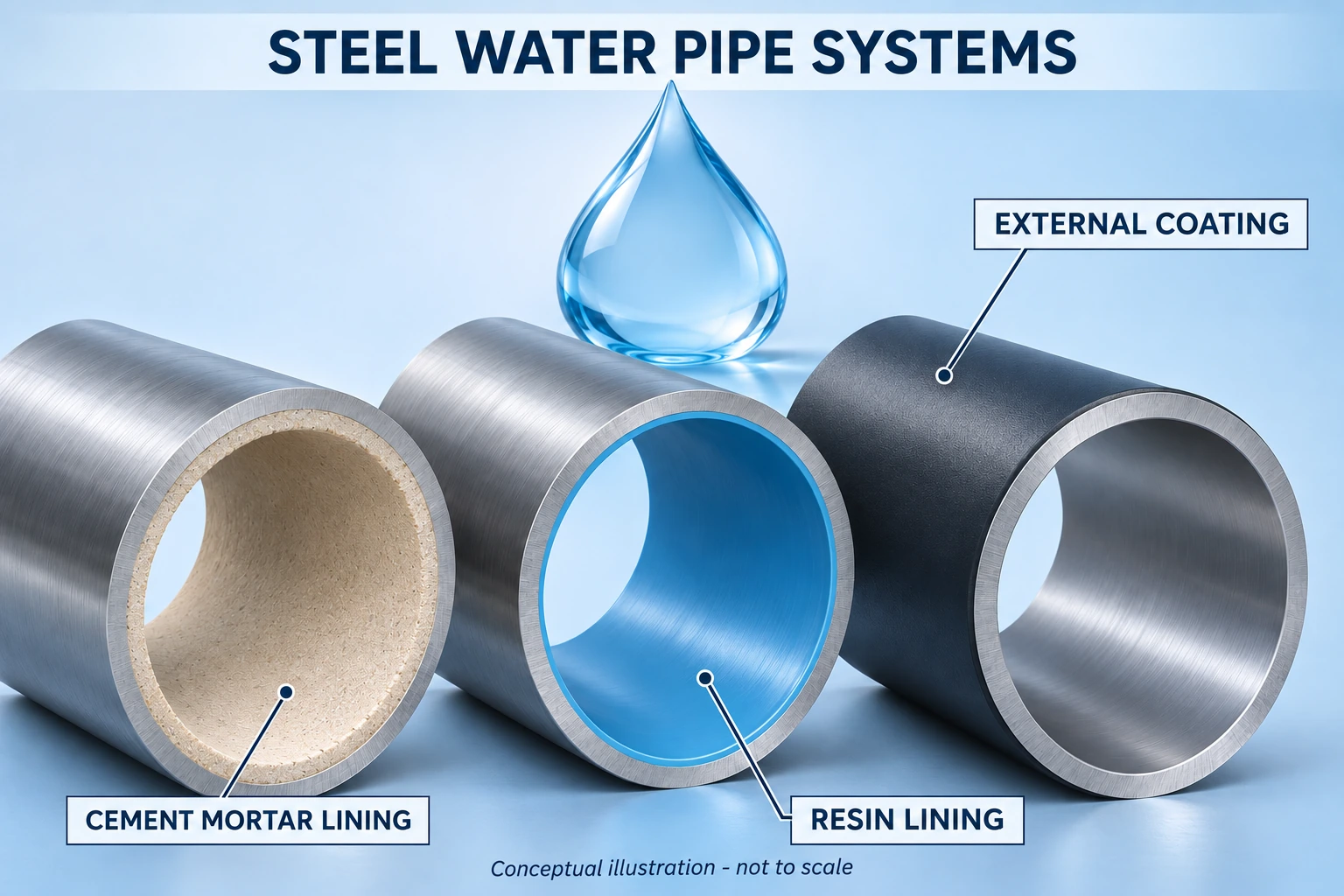
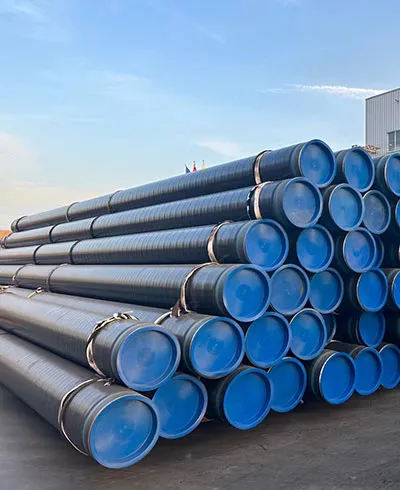
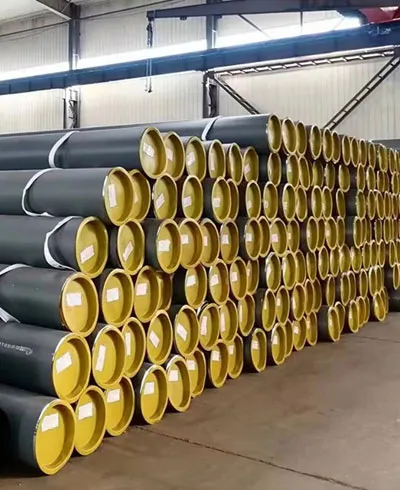
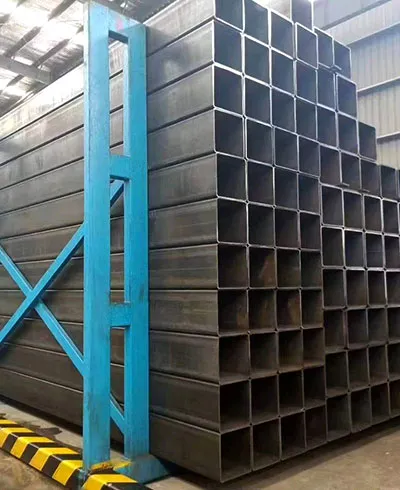
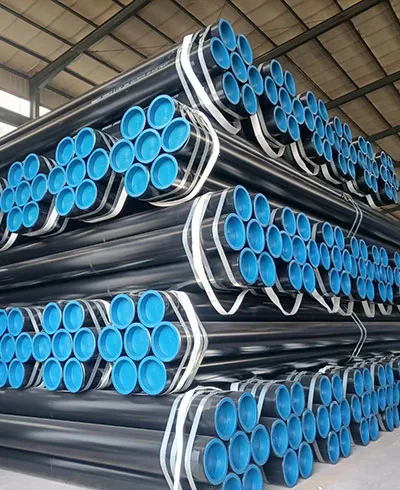
Conceptual steel-pipe protection families. The three samples illustrate system choices, not tested products, coating thicknesses or certifications.
|
Pipeline service |
Start with these data |
Internal protection to evaluate |
Next step |
|
Raw water to a treatment plant |
Water analysis; solids; source variability; approved design |
Cement mortar or resin systems, checked against solids and water chemistry |
Raw-water screening below |
|
Treated potable water transmission |
Final water specification; disinfection; accepted contact materials |
Mortar, liquid epoxy, FBE or polyurethane with a water-contact approval |
|
|
Desalinated product-water transfer |
Post-treatment and blending status; final water analysis |
Lining chosen against the actual remineralised water |
|
|
Recycled or reclaimed water |
Residual solids; chemicals; intended use and restrictions |
Service-specific protection; pipe identification as required locally |
Reclaimed-water screening below |
|
Sewage force main |
Authority rules; wastewater and sulfide assessment |
Polymer linings commonly reviewed; confirm for the wastewater |
|
|
Mine slurry or mine reclaim water |
Solids, wear and pressure data |
Bare steel or wear liner against test evidence |
|
|
Pump station or connection spool |
Equipment interfaces; geometry; supports; operating envelope |
Fabrication, fittings and repair details |
Spool drawings, then the guide for the conveyed medium |
A water-main label does not establish compatibility with sewage or abrasive slurry; use a dedicated assessment for those duties. The source-to-treatment-to-transmission view also helps distinguish a bulk main from the smaller distribution or building systems that follow it.
Raw water has not been treated, so its analysis range, suspended solids and seasonal variability set the screening. Obtain them before comparing cement mortar or resin systems, and do not carry a potable-water lining approval into a raw-water order.
Recycled or reclaimed municipal water depends on its treatment level, residual solids, chemicals and permitted end use, and some locations require pipe identification. Obtain the owner's water specification and use restrictions before a lining is proposed. It is not the same duty as mine reclaim water, which belongs with the slurry guide.
Specify four parts separately: the pipe body (a permitted SSAW, LSAW, ERW or other specified route), the internal lining for the conveyed water, the external coating for soil, atmosphere and installation, and the installed joints and fittings that keep mechanical and protective continuity. The AWWA steel water pipe standards map shows how the reference documents fit around them.
The SSAW product page and LSAW product page provide starting points for manufacturing-route inquiries. Use ERW pipe where the required dimensions and project acceptance fit. Do not use diameter alone to assign a route, or treat a higher grade as permission to change the wall without approval.
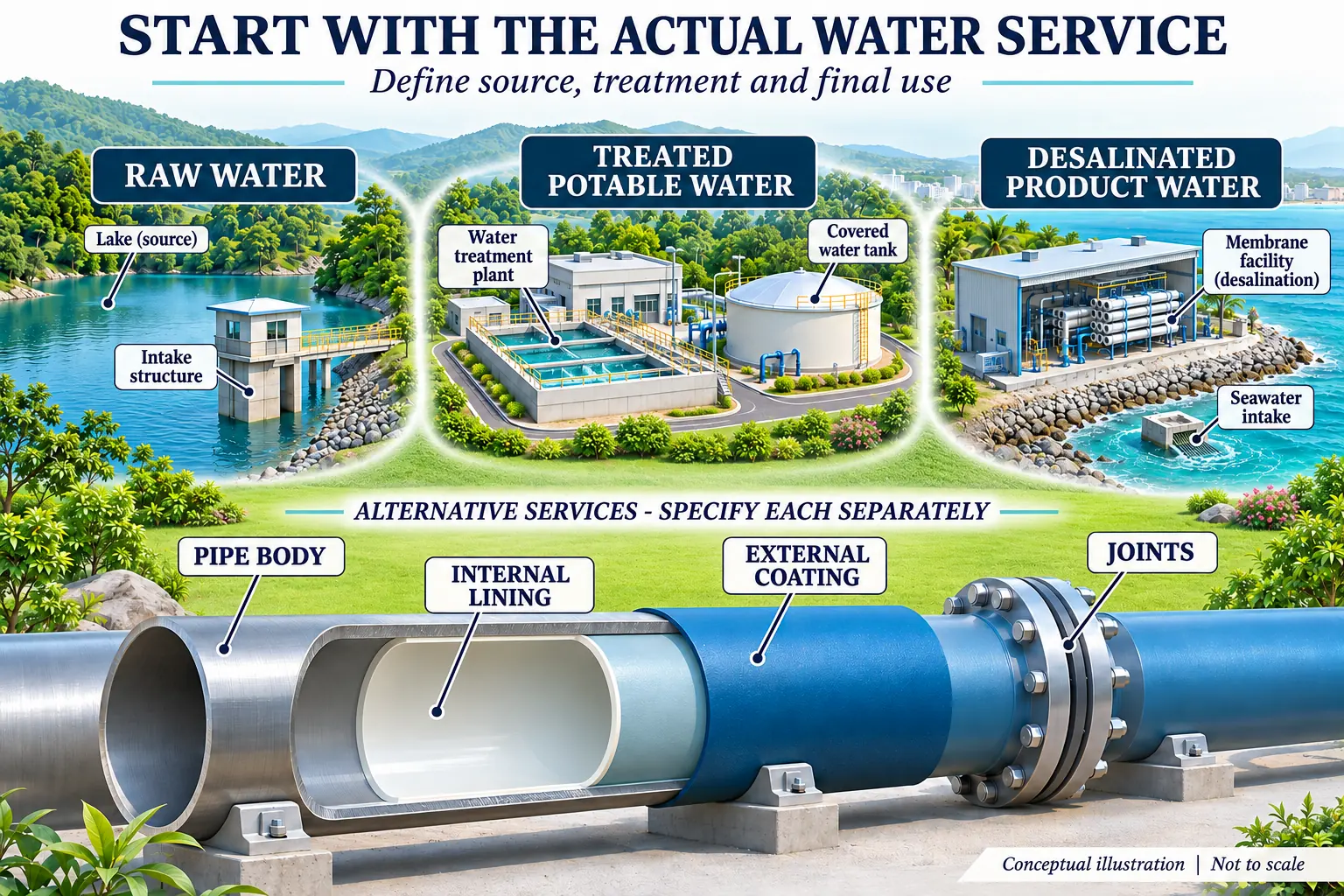
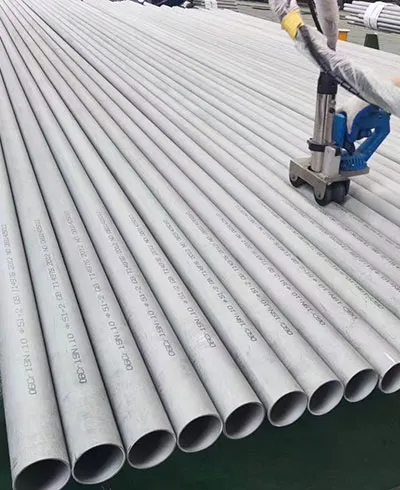
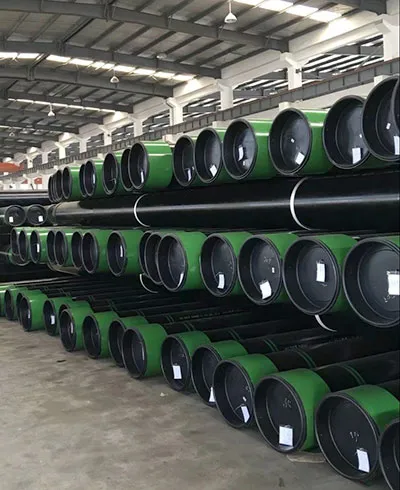
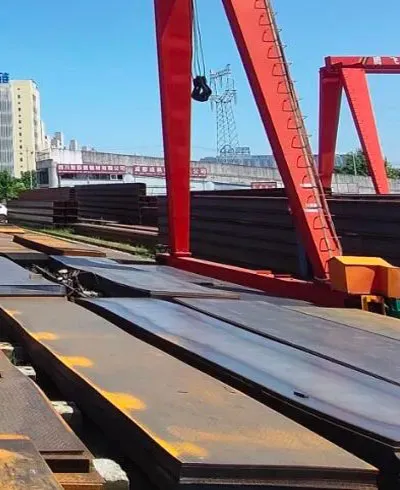
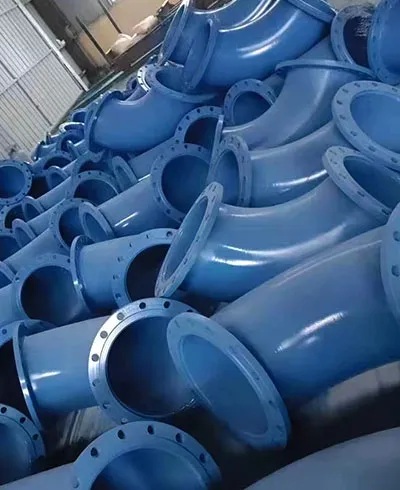
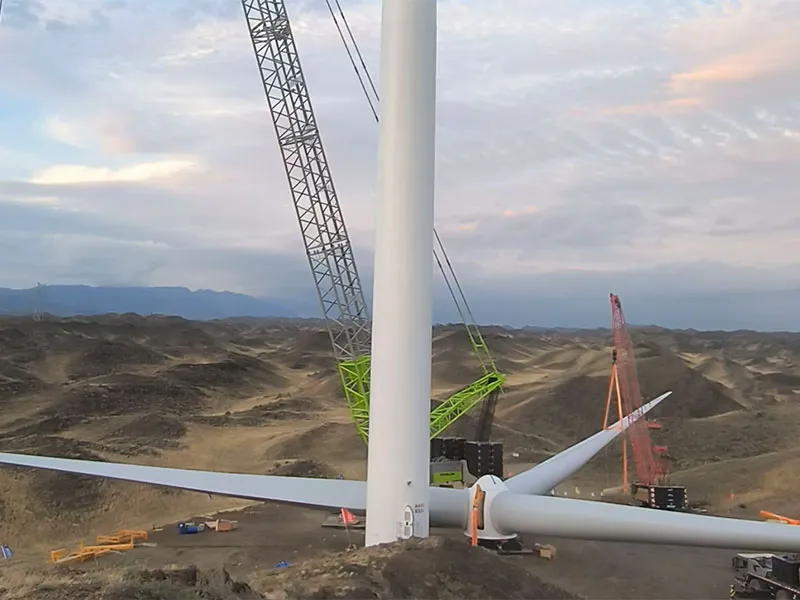
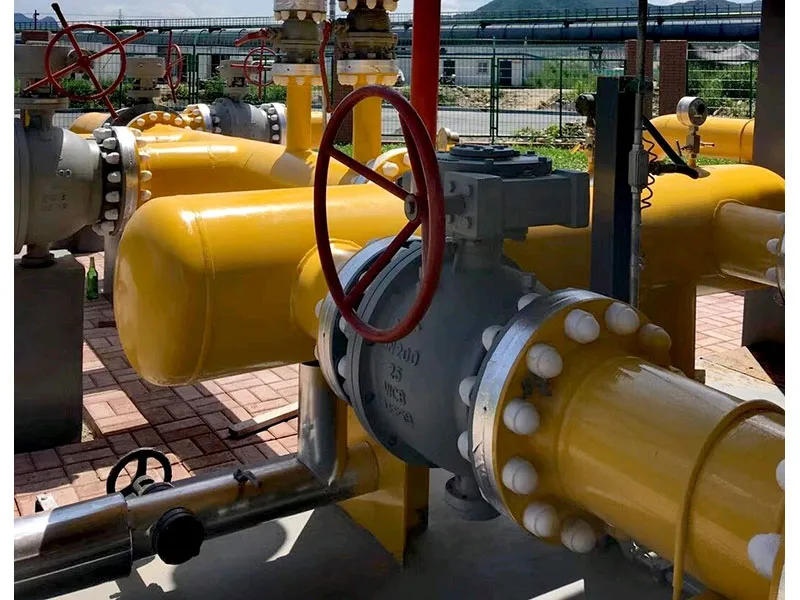
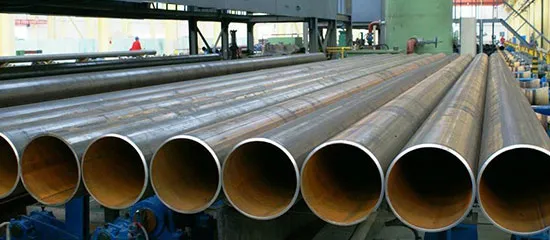
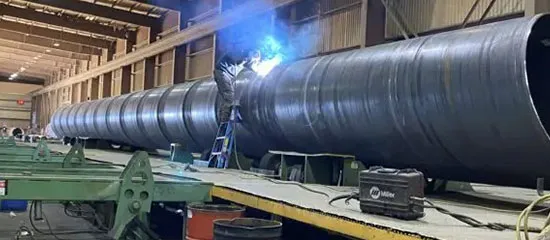
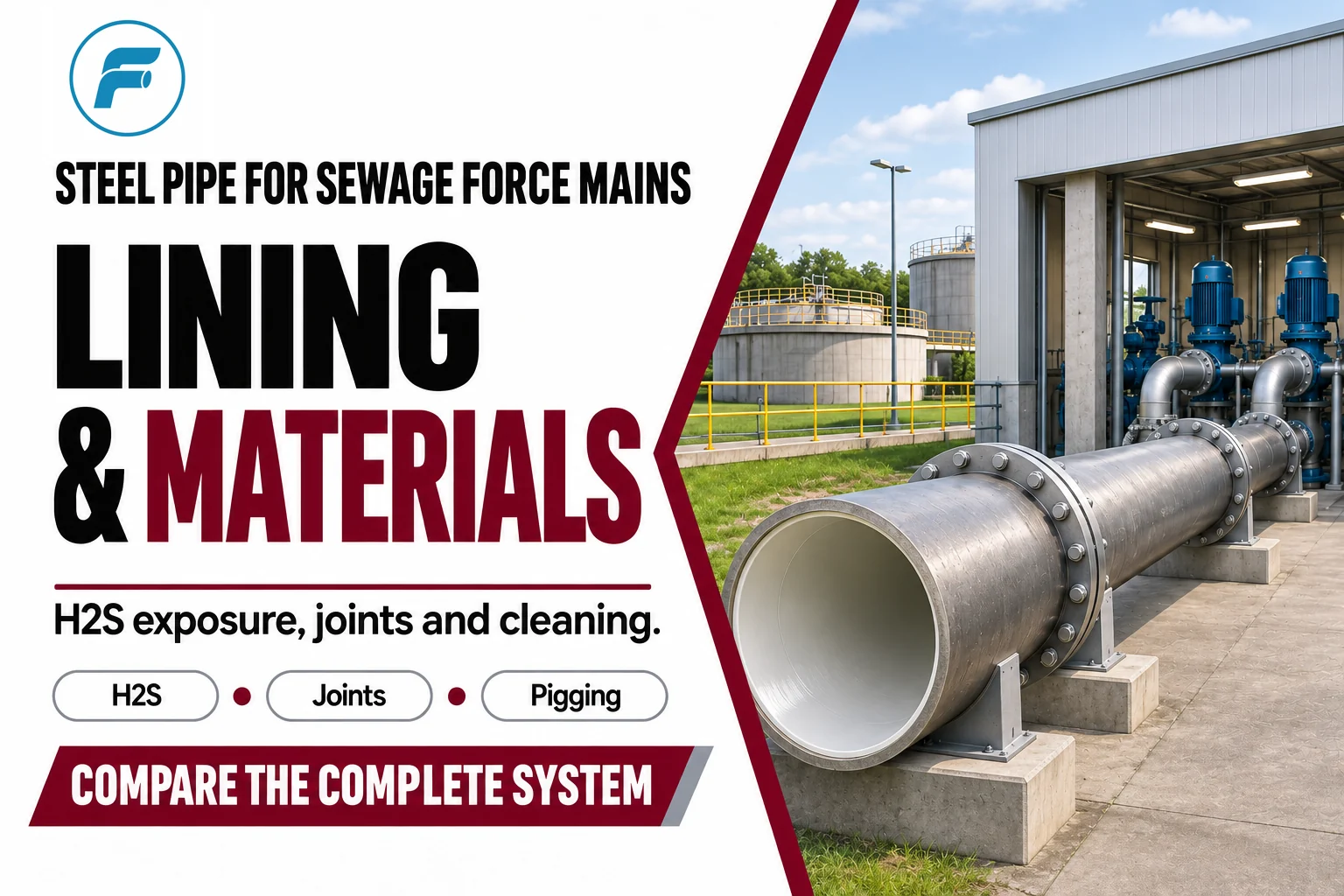
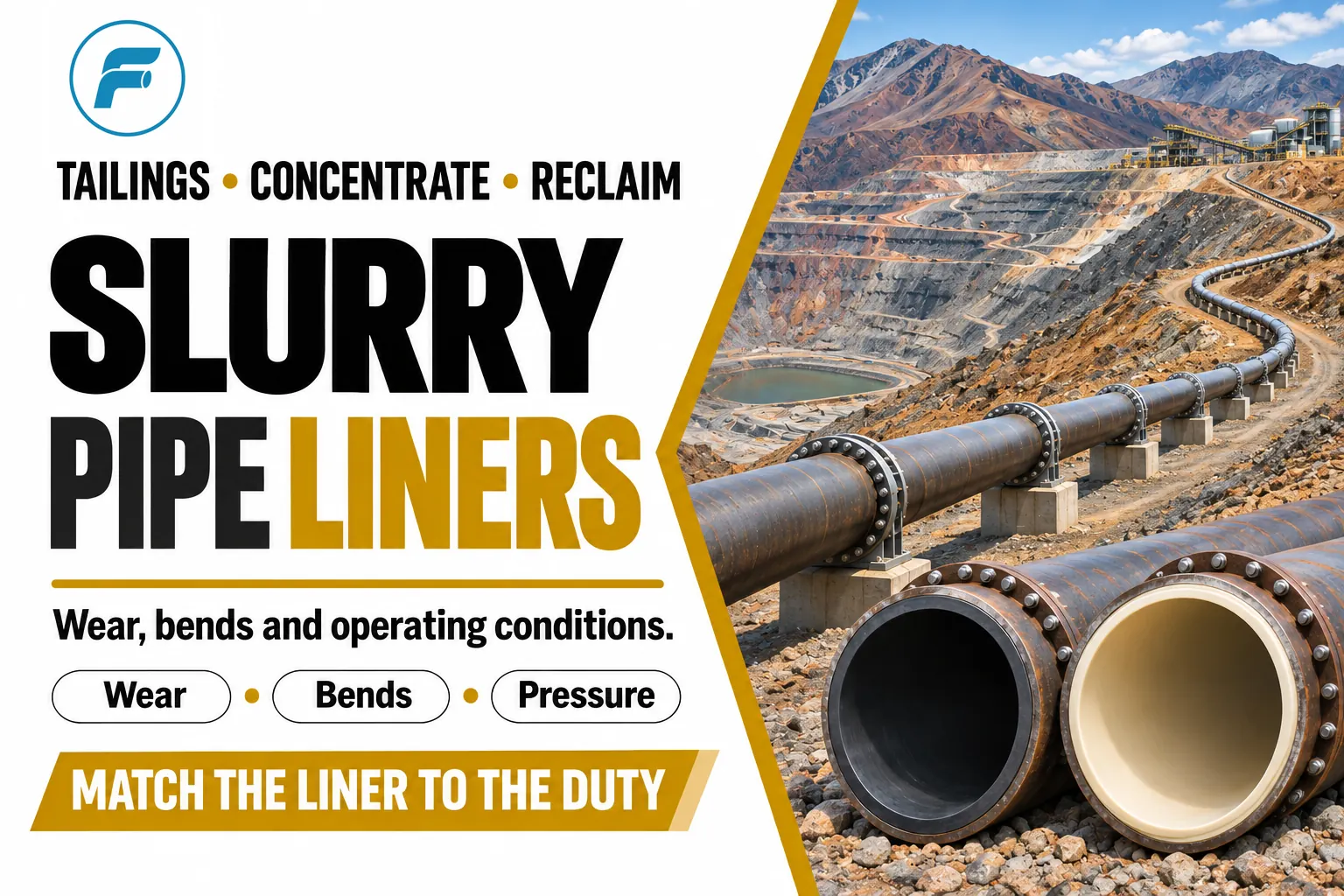
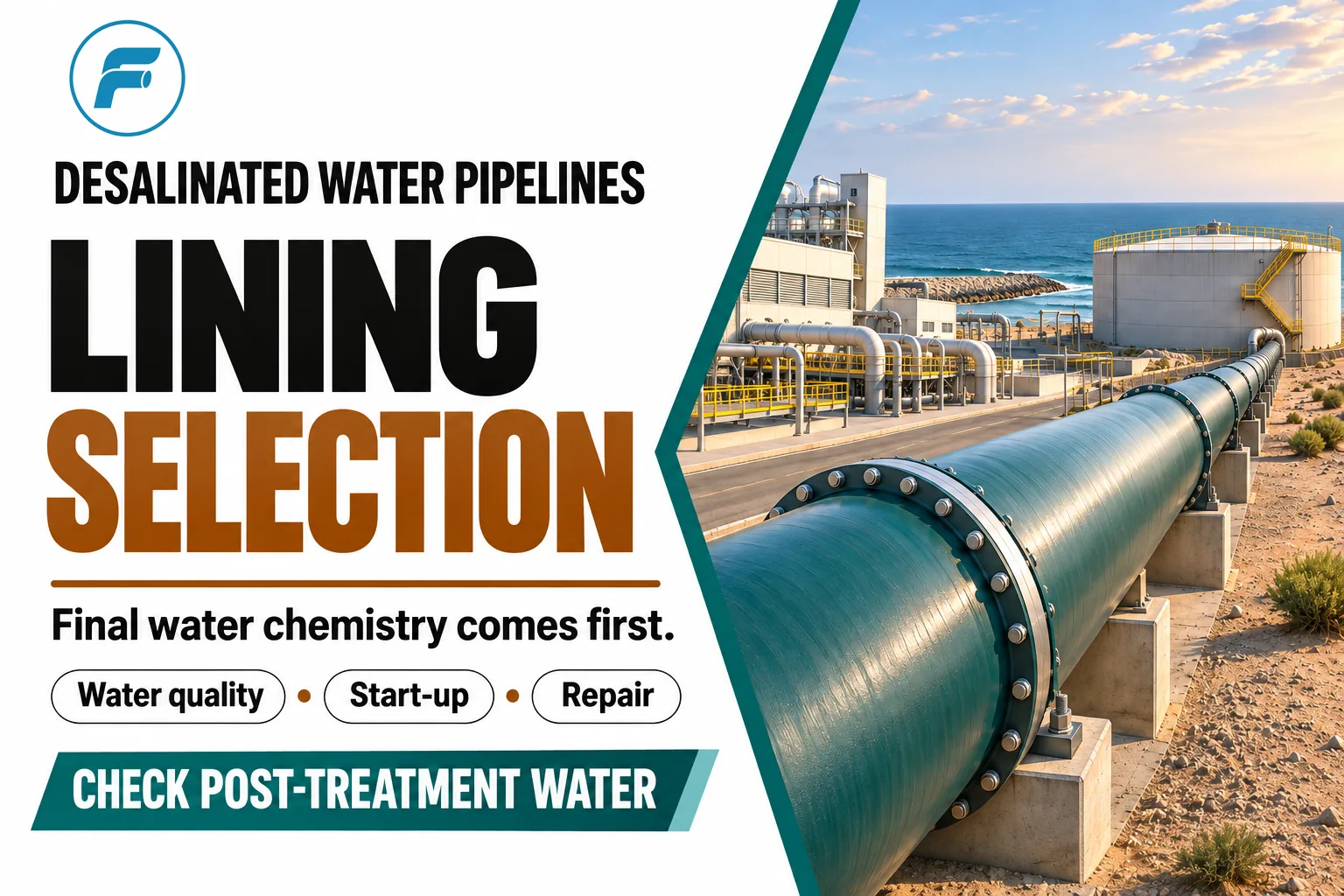
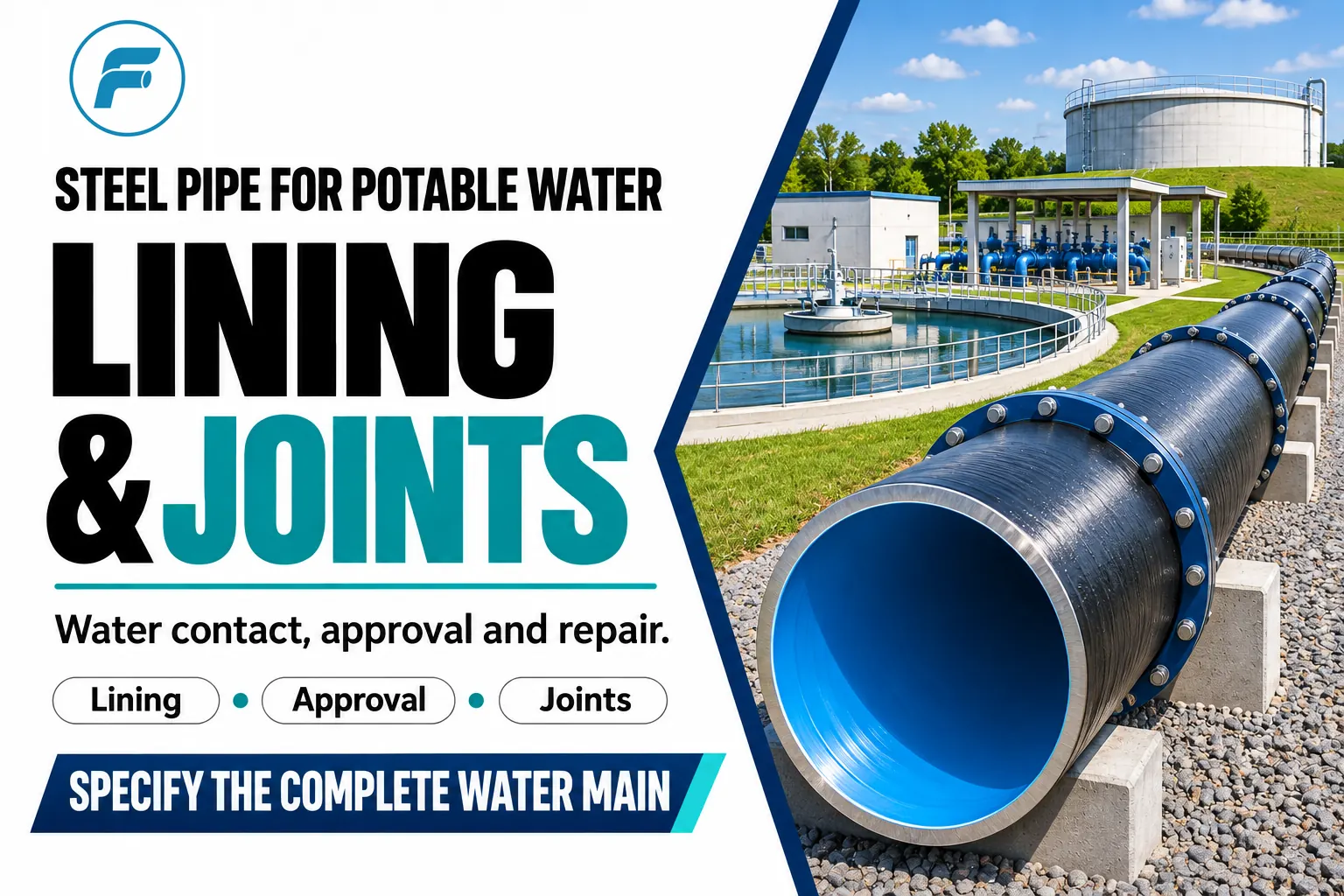
Water-service scenes and an illustrated steel-pipe system. Source, treatment and final use must be defined before selecting the four system elements.
The internal lining addresses the conveyed water; the external coating addresses soil, atmosphere and installation. An external 3PE system does not identify the pipe's water-contact surface, so specify the internal system separately and avoid requesting "coated pipe" without a schedule. For liquid epoxy pipe or FBE pipe inquiries, identify which surface is treated.
Lining and coating standard families are located through the AWWA steel water pipe standards map. Where a joint is completed on site, include its preparation, materials, curing and release requirements and use the field joint coating guide. Drinking-water lining approval is covered in the potable water transmission guide.
AWWA publishes separate standards for steel water pipe (C200, 6 in. (150 mm) and larger), its linings and coatings, and its connections; API 5L / ISO 3183 and EN 10224 are other pipe-product references a project may specify. Use the AWWA steel water pipe standards map to locate them and the C200 versus API 5L comparison when deciding which pipe-product specification applies. A generic API or AWWA label is not a complete water-system order. AWWA Standards List.
NSF/ANSI/CAN 61 concerns drinking-water health effects and should not be used as proof of mechanical or long-term corrosion performance. WHO’s desalination guidance concerns water safety across treatment and supply; it does not select a steel-pipe lining for an individual project. Keep approval scope visible. NSF ANSI CAN 61 Testing and Certification; WHO Safe Drinking Water from Desalination.
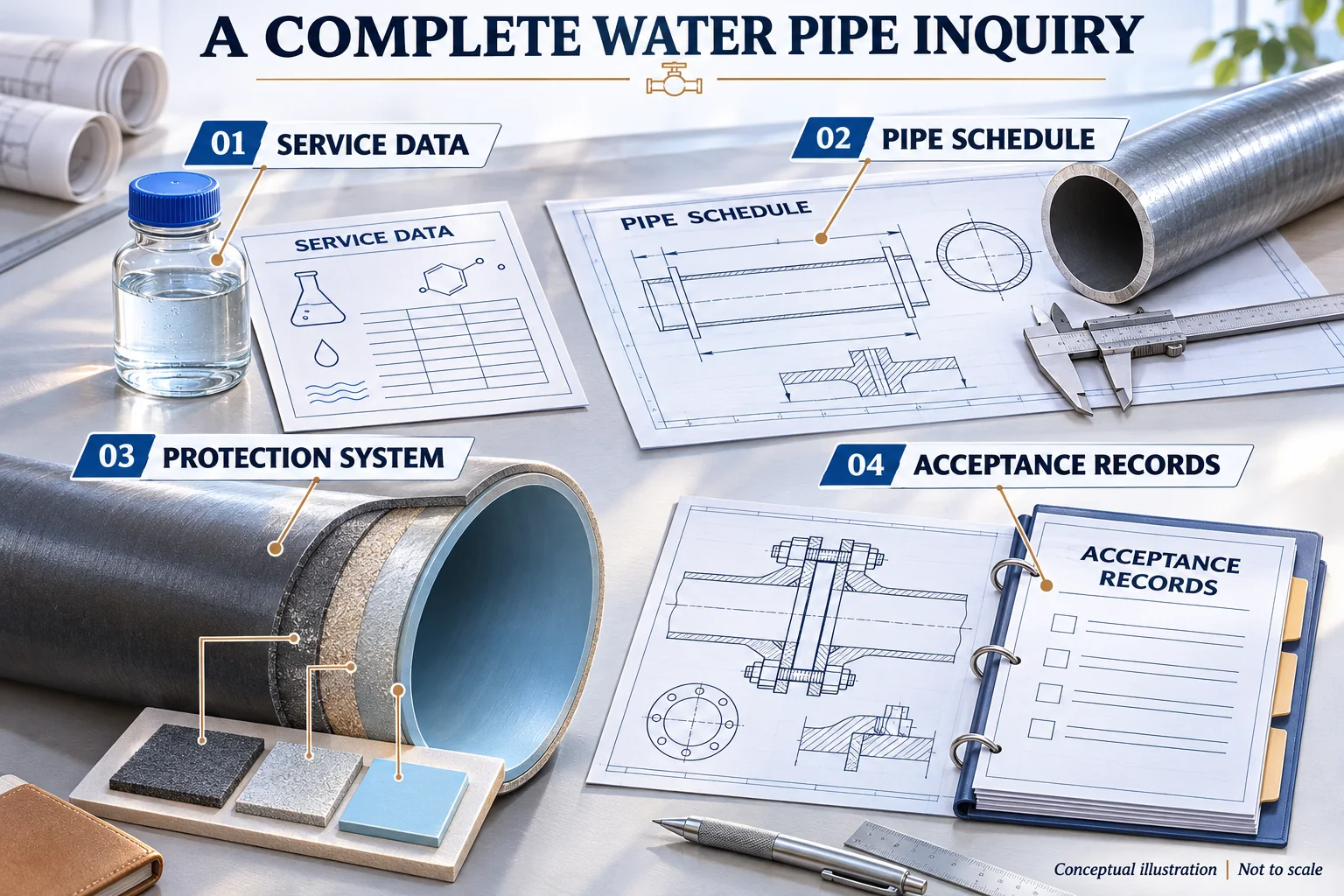
RFQ completeness check. Service data and drawings define the order; the offer should identify unresolved items instead of silently selecting them.
|
Missing item |
Why the inquiry remains open |
Action |
|
Final water analysis |
Lining compatibility cannot be established |
Get the approved service specification |
|
Design envelope or wall schedule |
A supplier cannot responsibly infer the design |
Obtain the designer’s released pipe schedule |
|
Internal joint procedure |
Shop protection does not complete the installed system |
Resolve site access and reinstatement |
|
Named approval basis |
A general certificate can have the wrong scope |
Define the destination and project acceptance |
|
Inspection and supply boundary |
Offers may exclude different work |
Issue the same acceptance and responsibility schedule to bidders |
Ask bidders to return a compliance schedule with deviations and exclusions; this makes an incomplete quote visible before price comparison. A website's general product list is not the project's technical acceptance, so confirm the actual offered size, manufacturing route, lining system and required approval. Send the service and final use, water analysis, project standard and revision, approved dimensions, grade and design cases, internal and external systems, joint drawings and fittings, inspection and release documents (MTC traceability), and delivery sections with destination.
Only where the project has explicitly assessed and accepted the same system for every stated service. Service names alone do not establish equivalent water chemistry or approval.
Yes. Desalinated describes a treatment route and potable describes an accepted end use, so a desalinated supply can become potable after its specified treatment and approval. Record both in the inquiry.
No. Reclaimed municipal water is defined by its treatment level, residual solids, chemicals, intended use and local identification requirements. Mine reclaim water is a process duty whose solids and chemistry come from the mine, so use the slurry guide before transferring a water-pipe lining specification.
Yes. A change in water source, treatment, end use or operating envelope can change what contacts the pipe, so reassess the lining and approval basis against the new service.
Potable water transmission guide
Desalinated water pipeline lining guide
Steel pipe for sewage force mains guide
Slurry pipeline steel pipe and lining guide
Pipe material certificate guide