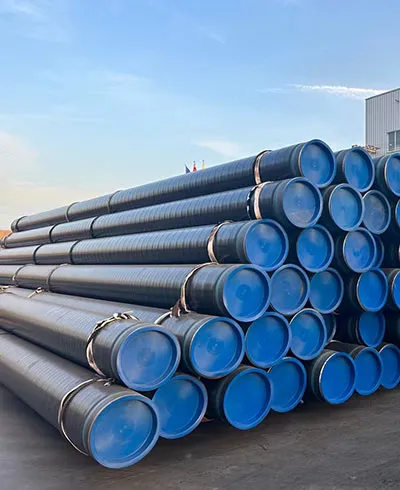
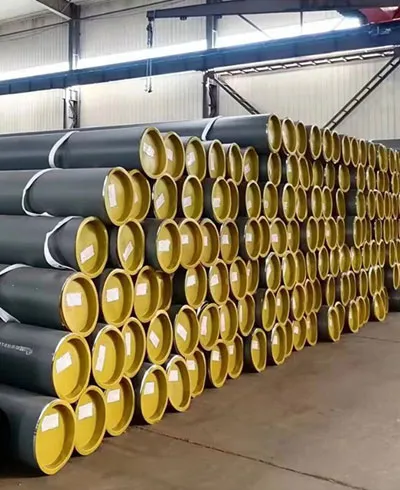
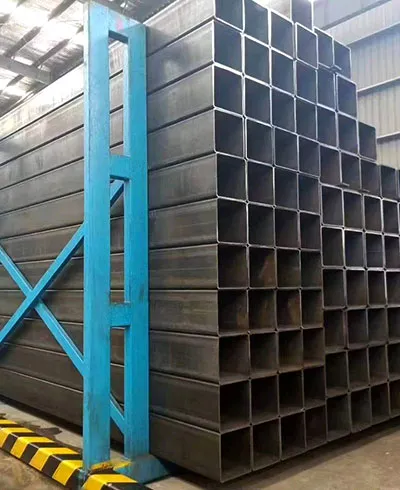
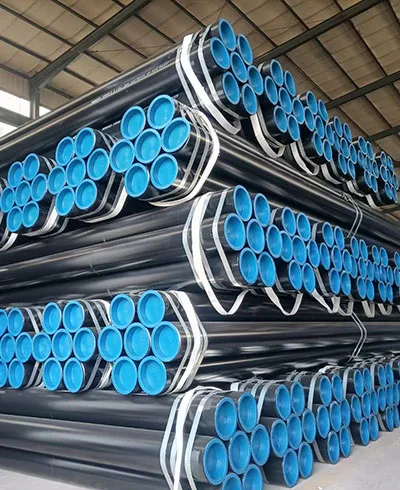
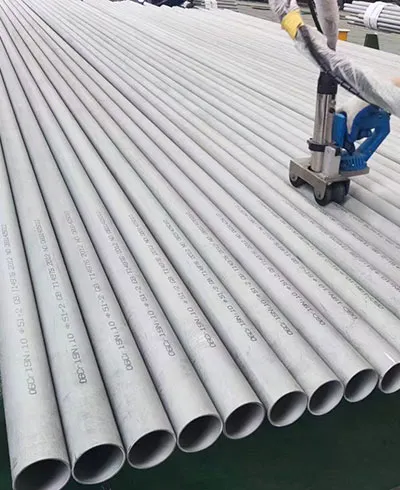
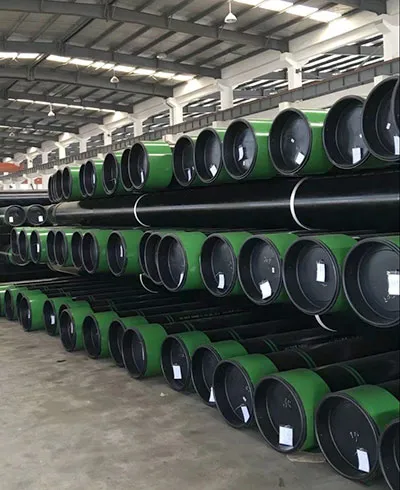
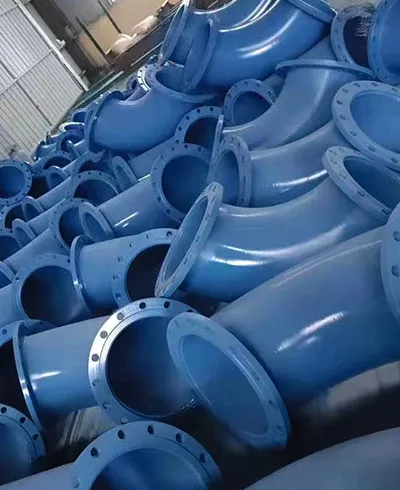
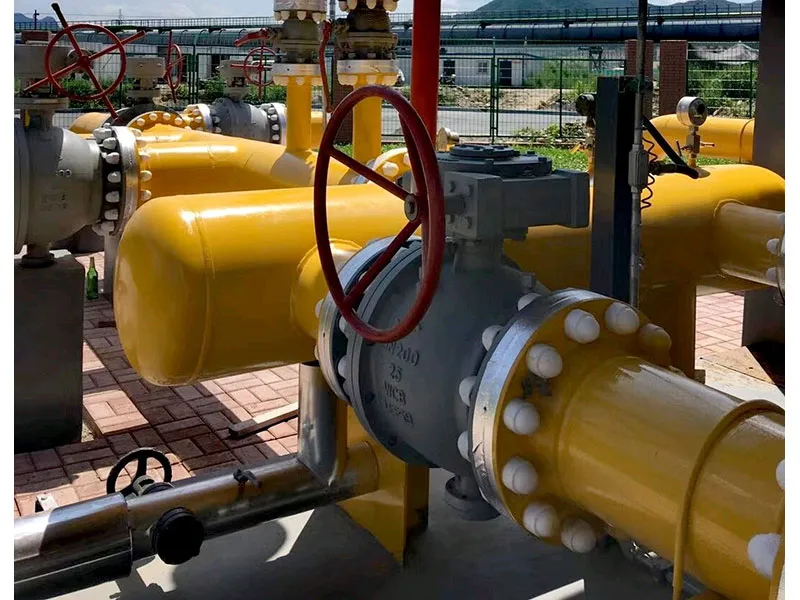
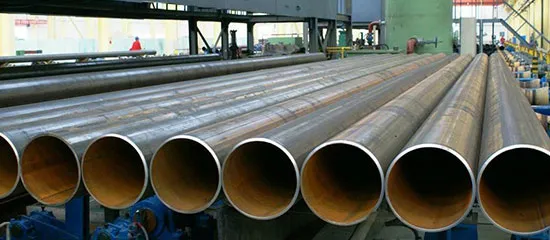
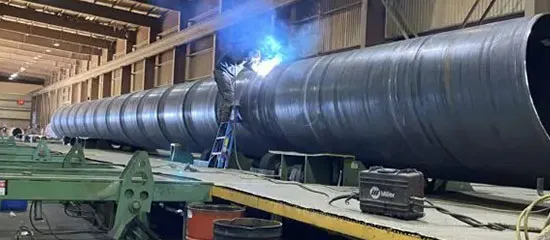
The main product range of Forever Steel Manufacturing Co., Ltd includes seamless steel pipes(SMLS), ERW pipes, spiral welded pipes(SSAW), straight seam submerged arc welded pipes(LSAW) and a complete series of pipe fittings.
From raw material incoming inspection, production scheduling, forming, welding, heat treatment, straightening, cutting, surface treatment to final finished product inspection.
In addition to providing high-quality products, we also provide customers with product related processing services such as painting, cutting, threading, welding, etc., to meet their personalized needs.
Explore practical steel pipe technical resources, industry updates and company news for global buyers, engineers and project teams. Our guides cover product selection, standards, dimensions, coatings, inspection and quality control to support clearer specifications and more reliable procurement decisions.
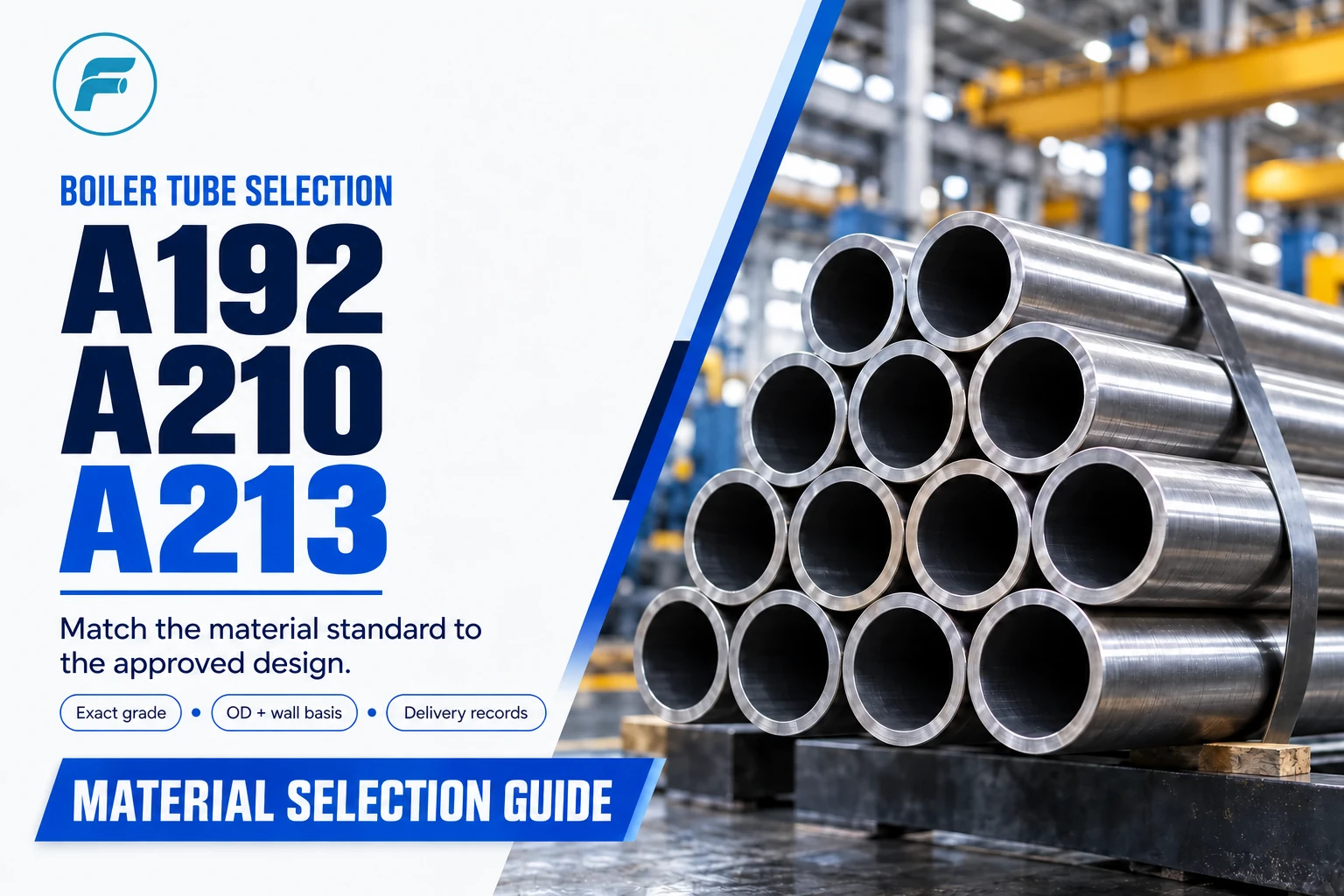
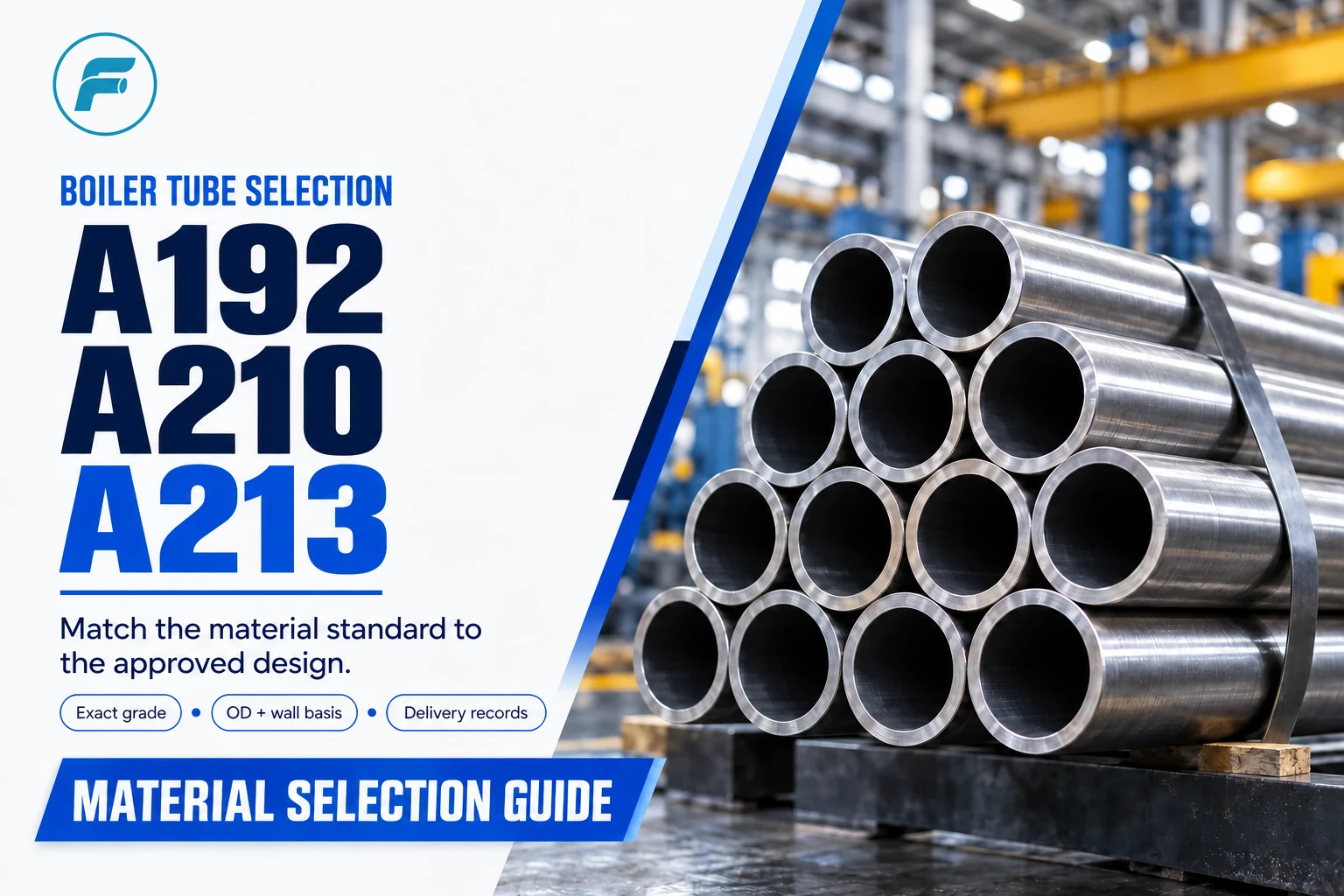
Compare ASTM A192, A210 and A213 boiler tube scope, grade selection, minimum versus average wall, inspection records and the information needed for a complete RFQ.
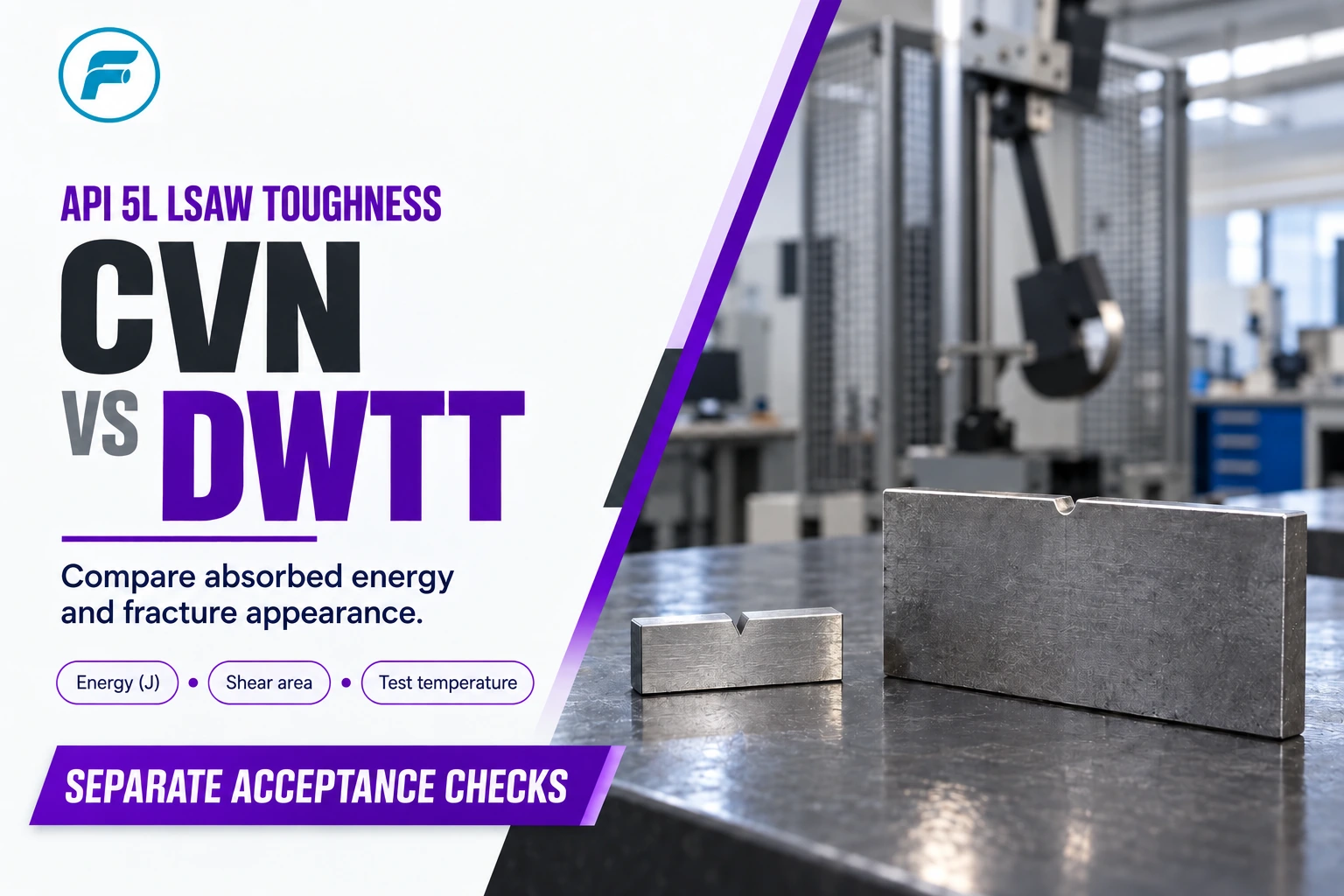
Understand CVN and DWTT outputs for API 5L LSAW pipe, specify test locations, temperature and specimen basis, and check individual results and release records.
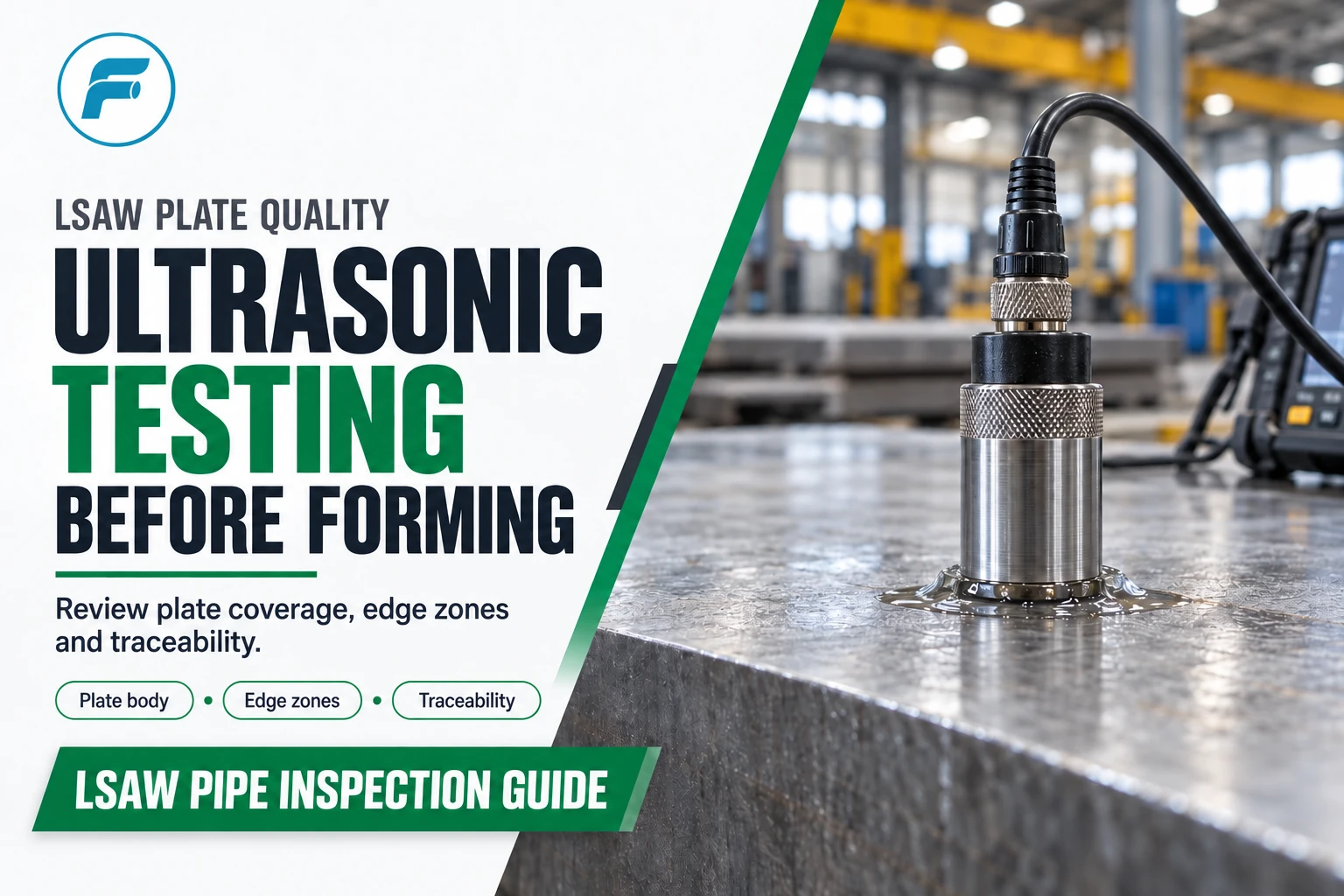
Define plate body, edge-zone and pipe-end lamination examination for LSAW orders, distinguish plate UT from weld UT, and review acceptance and traceability records.
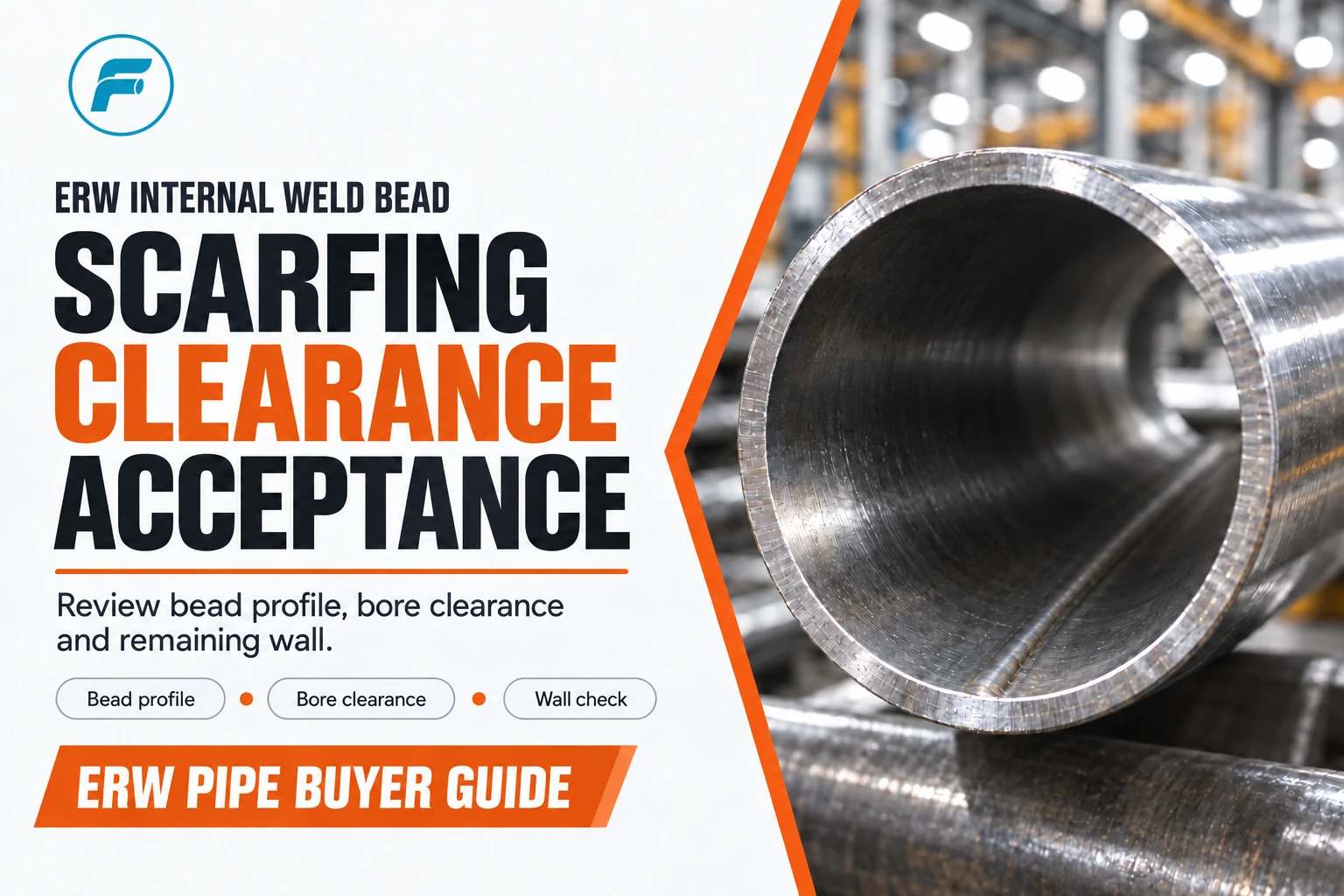
How to specify internal weld bead removal for ERW pipe, verify remaining wall and clear passage, and agree the inspection records needed for buyer acceptance.
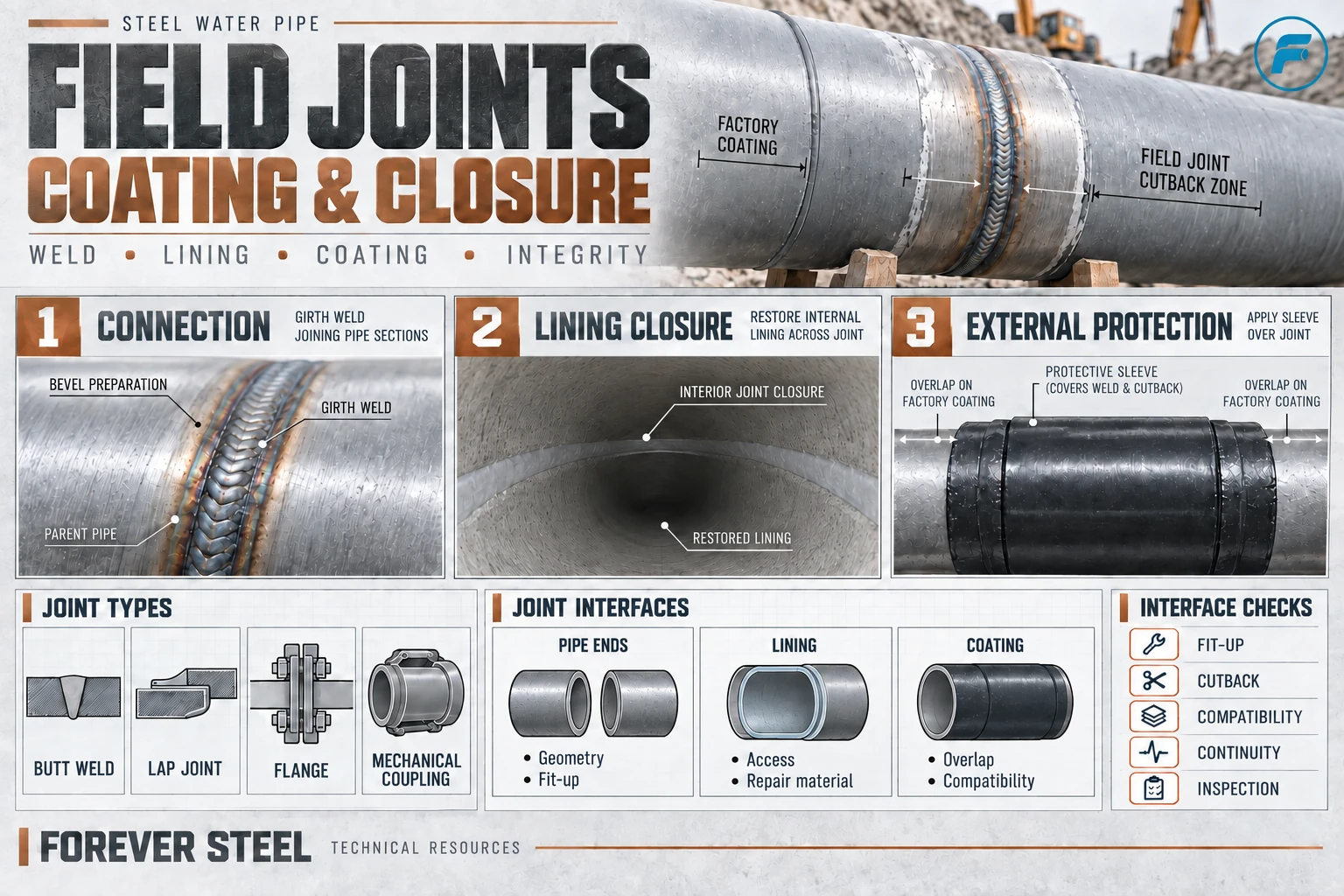
Coordinate steel water pipe joints, mill end preparation, field welding, internal lining closure and external protection with an editable interface data sheet.
 +8615674993216
 sales@forever-steels.com
 English
 العربية