+8615674993216
 sales@forever-steels.com
 English
 العربية

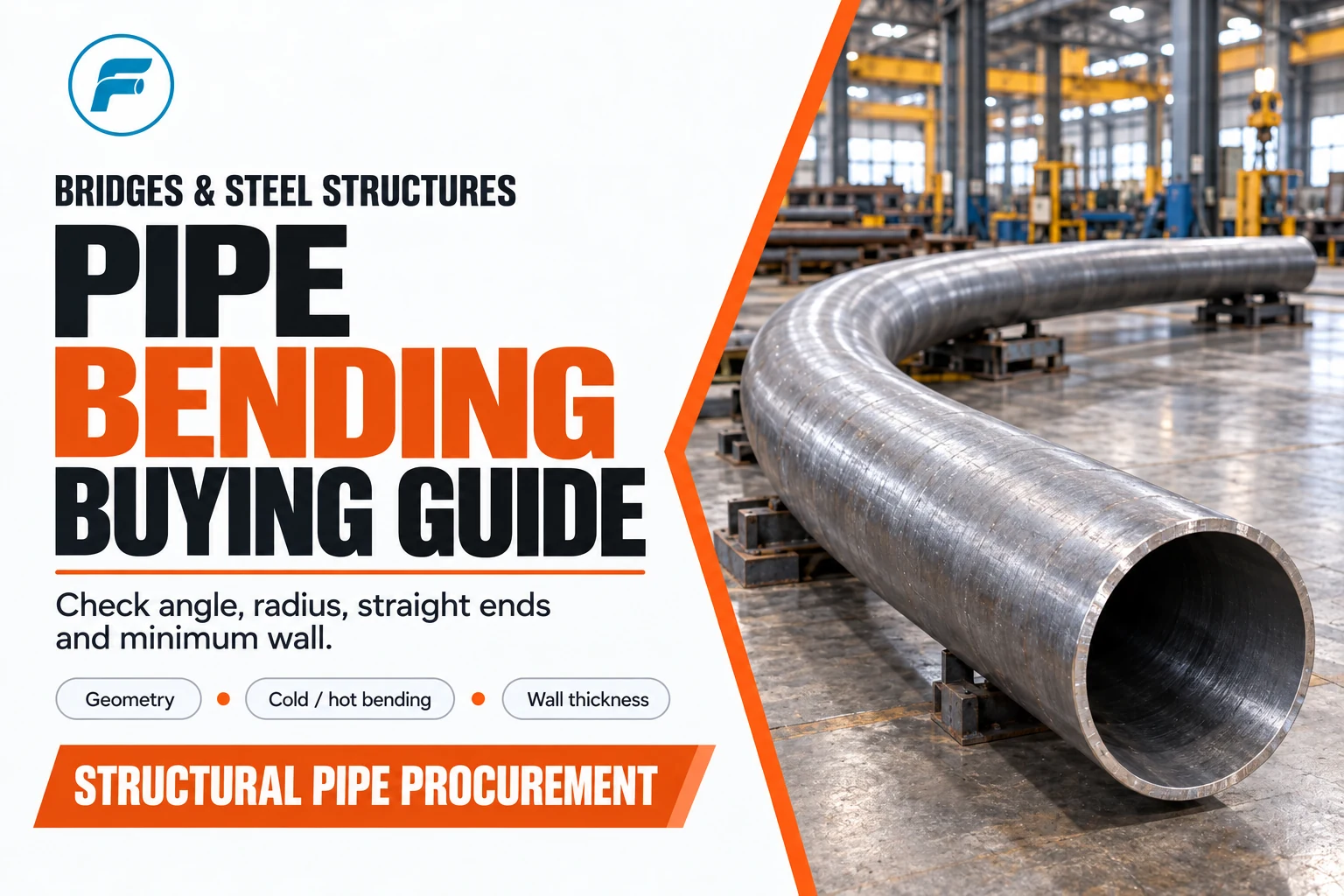
What controls ASTM A252 pipe pile selection? Match the pile pipe grade, diameter, wall, length, weld or seamless route, straightness, end preparation, splicing and inspection requirements to the geotechnical and driving design. A thicker or stronger pipe is not automatically an approved substitute without engineering review.
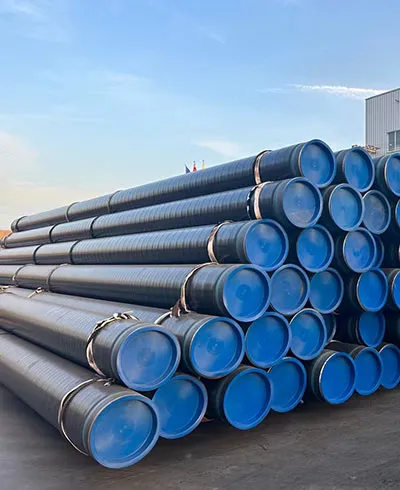
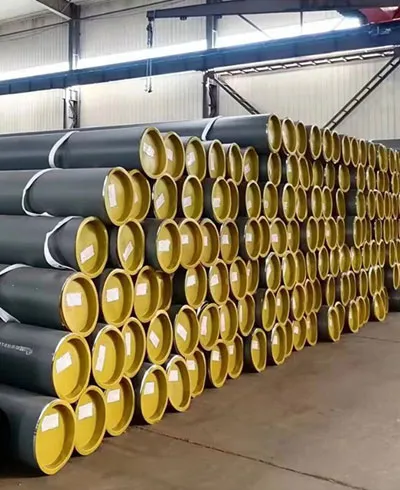
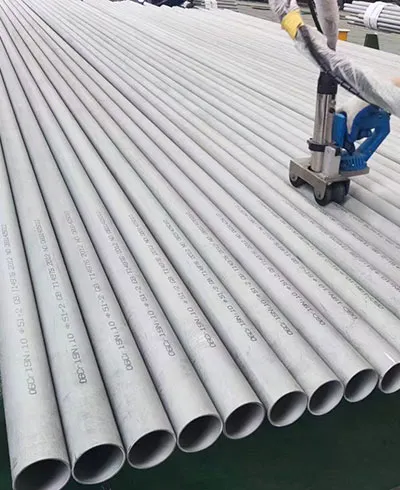
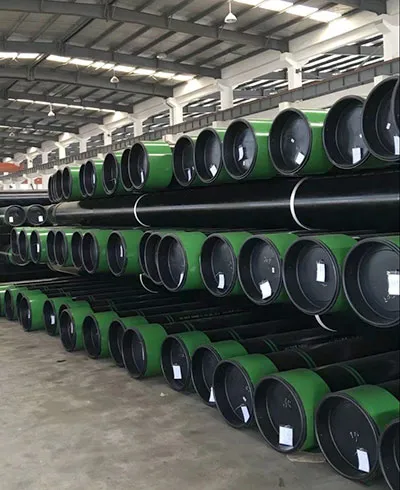
ASTM A252 pipe pile is used as a load-bearing steel pile or as a permanent shell for concrete-filled piles. It is common in bridges, ports, marine terminals, high-rise foundations, trestles, cofferdams and heavy industrial projects. Since the pipe becomes part of the foundation system, the purchase order should not be reduced to "ASTM A252 Grade 3, best price." Grade, wall thickness, straightness, weld type, length, coating and inspection all affect project performance.
For large-diameter foundation piles, buyers usually compare SSAW steel pipe and LSAW steel pipe first, then confirm whether coating, beveling or third-party inspection is required before quotation.
Most export inquiries focus on Grade 2 and Grade 3. Grade 3 has higher minimum yield and tensile strength, so it is often selected for heavier foundations, harder driving or projects where the engineer wants more strength from the steel shell. Grade 2 is still common for general building foundations and less severe soil conditions.
|
ASTM A252 Grade |
Minimum Yield Strength |
Minimum Tensile Strength |
Typical Buying Situation |
|
Grade 1 |
30 ksi / 205 MPa |
50 ksi / 345 MPa |
Light-duty or legacy specifications |
|
Grade 2 |
35 ksi / 240 MPa |
60 ksi / 415 MPa |
General foundations, building piles, moderate driving |
|
Grade 3 |
45 ksi / 310 MPa |
66 ksi / 455 MPa |
Heavy foundations, marine piles, bridge piles, higher driving stress |
The table is useful for sourcing, but the approved pile design still controls the final choice. If the drawing says Grade 2, a supplier should not change it to Grade 3 just because the stronger grade sounds better. If the project asks for "ASTM A252 Grade 3 pipe pile supplier," the buyer should still provide OD, wall thickness, length and coating before comparing prices.
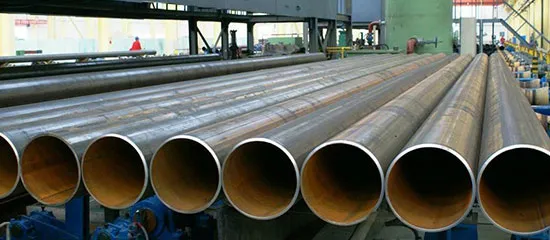
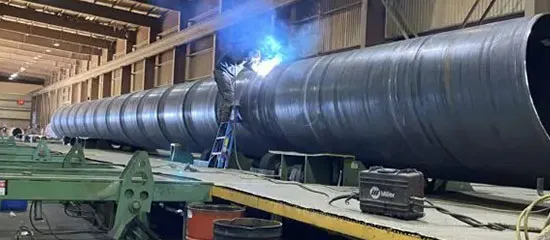
Large diameter pipe piles are usually welded. The process matters because it affects available size range, cost, delivery time and project acceptance.
|
Manufacturing Route |
Best Fit |
Buyer Notes |
|
SSAW / spiral welded pipe |
Large diameter piles, long lengths, marine and bridge foundations |
Flexible OD range and competitive cost; commonly used forspiral welded steel pipepiles |
|
LSAW pipe |
Heavy wall piles, strict project requirements, longitudinal seam preference |
Often higher cost but stronger fit for demanding specifications; seeLSAW steel pipe |
|
ERW pipe |
Smaller diameters and lighter wall thickness |
Good dimensional consistency, but size range is more limited |
|
Seamless pipe |
Smaller special piles or special project requirements |
Technically possible, usually less economical for large foundation piles |
For many port and bridge projects, SSAW is the practical choice. For projects that restrict spiral weld or require heavier wall thickness, LSAW may be the safer commercial and technical route. The welding method should be written clearly in the inquiry if the project specification does not allow the manufacturer's option.
Pipe pile dimensions are easy to misunderstand when drawings use inch sizes, metric sizes and nominal descriptions at the same time. A complete inquiry should state outside diameter, wall thickness, length, quantity and tolerance. "36 inch pile pipe" is weaker than "OD 914 mm x WT 16 mm x 18 m, ASTM A252 Grade 3, SSAW, bare, beveled ends."
|
Item To Specify |
Why It Matters |
|
Outside diameter |
Controls design capacity, driving behavior, freight method and HS code discussion |
|
Wall thickness |
Affects structural capacity, corrosion allowance and final weight |
|
Length |
Impacts splicing, container loading, breakbulk shipment and site productivity |
|
End finish |
Plain ends, beveled ends, driving shoes or end plates change fabrication scope |
|
Quantity basis |
Pieces, meters and metric tons can produce different commercial assumptions |
Length is especially important. Long single piles reduce site welding but may require special loading. Shorter sections are easier to ship, but they increase field splicing. If coating is required, the cutback at the ends must also match the welding and repair procedure.
Some pipe piles are supplied bare with a design corrosion allowance. Others require epoxy, coal tar epoxy, 3LPE, 3LPP or another anti-corrosion system. Exposure conditions decide the answer: dry soil, tidal zone, seawater and contaminated ground do not create the same risk.
|
Project Environment |
Common Protection Approach |
|
Dry or low-corrosion soil |
Bare pipe with corrosion allowance may be acceptable |
|
Marine splash zone |
Coating plus careful handling and repair procedure |
|
Seawater immersion |
Coating, sacrificial anodes or project-specific protection |
|
Chemically aggressive soil |
Engineer-approved coating system and inspection plan |
For coated piles, the specification should define surface preparation, coating thickness, holiday testing, repair method and end cutback. For external corrosion protection, buyers can review 3PE coated steel pipe or the broader coated steel pipes range.
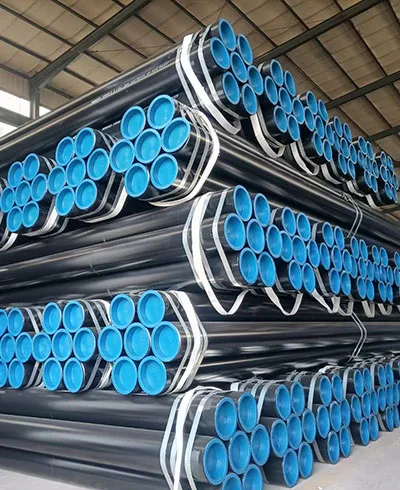
The mill test certificate should show the ASTM designation, grade, heat number, chemical composition, tensile test results, dimensions and quantity. For welded piles, buyers may also request weld inspection records, hydrostatic test statements where required, coating reports or third-party inspection reports.
|
Pre-Shipment Check |
What To Confirm |
|
MTC review |
Standard, grade, heat number, chemistry, mechanical properties and dimensions |
|
Visual inspection |
Pipe body, seam, ends, dents, rust, coating damage and handling marks |
|
Dimensional inspection |
OD, wall thickness, length, straightness and end condition |
|
Marking |
Grade, size, heat number, length, project name and bundle number |
|
Packing/loading |
End protection, lifting method, coating protection and loading photos |
Small surface marks may be acceptable depending on the project, but unclear traceability, wrong wall thickness, serious end deformation or damaged coating should be resolved before shipment.
ASTM A252 pipe pile selection is a balance between engineering design and real-world procurement. Grade 3 is stronger than Grade 2, but grade alone does not define a good pile. SSAW is often the most economical route for large diameter piles, while LSAW is useful when the project requires a longitudinal seam or heavier wall. A clear inquiry should include grade, OD, wall thickness, length, welding process, coating, end finish, inspection requirement and delivery port.
For current large-diameter welded pipe options, compare SSAW steel pipe and LSAW steel pipe, then send the pile schedule for review.
No. Capacity also depends on dimensions, pile length, ground conditions, installation and the structural design. Use the approved pile schedule for procurement rather than selecting a grade from a strength comparison alone.
No. ASTM A252 covers welded and seamless pipe piles. The approved project specification should identify permitted manufacturing routes and any weld, splicing or inspection requirements.
Send the approved splice detail with the inquiry. Confirm end geometry, length tolerance, weld access, coating cutback and the records needed for acceptance. Buying the correct pipe grade does not settle the splice procedure.
Continue with these closely related Forever Steel technical resources:
Confirm the ordered edition and applicable test or acceptance requirements against the project specification.