+8615674993216
 sales@forever-steels.com
 English
 العربية

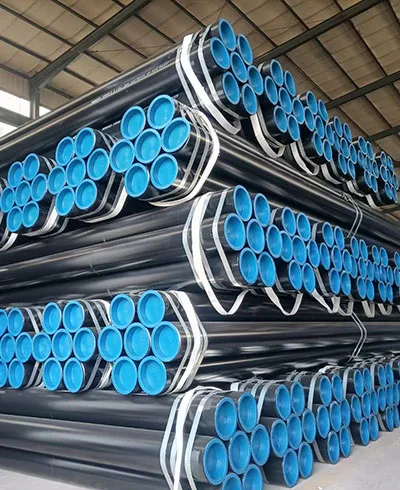
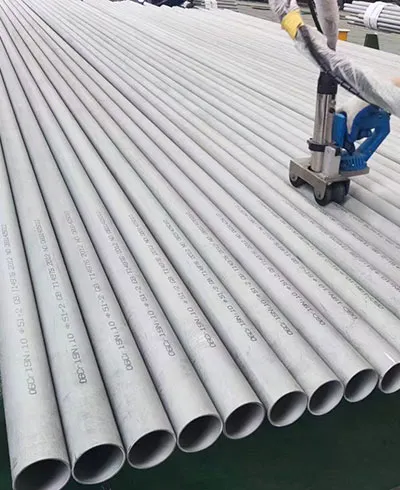
Quick answer: chemical plant pipe should be purchased from the line class and service condition, not from a loose product name. The buyer needs fluid, pressure, temperature, corrosion allowance, design code, material standard, grade, MTC, NDT, PMI and coating or lining requirements. For many process lines, seamless steel pipes to ASTM A106 Grade B or alloy/stainless specifications may be reviewed. For plant utility, fire water or buried external lines, API 5L seamless line pipe or welded carbon steel with coating may be a separate package.
The issue is not whether the pipe is round, thick enough or delivered on time. In chemical plants, a pipe can be dimensionally correct and still be wrong for the line class. If the service is steam, condensate, cooling water, compressed air, fire water, acid transfer, solvent, slurry or buried utility, the material and inspection logic changes. ASME B31.3 process piping language often appears in these projects, but the purchase order still has to translate the line class into pipe standard, grade and inspection records.
|
Plant service |
Pipe standard often reviewed |
Common material / grade |
Procurement concern |
|
High-temperature steam or process carbon steel |
ASTM A106 seamless |
Grade B or Grade C by design |
Temperature, pressure, wall schedule, MTC and hydrotest. |
|
General low-pressure utility or non-critical service |
ASTM A53 where accepted |
Grade B black or galvanized |
Do not use A53 as a shortcut for process lines without engineering approval. |
|
Plant fire water or buried utility line |
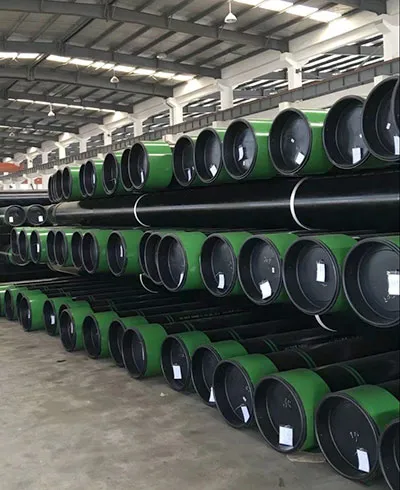
API 5L or ASTM carbon steel with coating |
Grade B, X42, X52 or project grade |
External coating, field joints, holiday test and trench handling. |
|
Corrosive chemical or sanitary service |
ASTM A312 or alloy specification when required |
TP304/316/316L or alloy grade by fluid |
Fluid compatibility, chloride, temperature, PMI and certificate review. |
|
Sour or H2S-related service |
Project material spec plus NACE/ISO review |
Carbon steel or alloy route by engineer |
Hardness, chemistry, heat treatment and supplementary testing. |
ASTM A53 and ASTM A106 are a frequent source of wrong substitution. ASTM A53 can be suitable for some general pressure, utility and mechanical service, but ASTM A106 is the more common carbon steel seamless route for high-temperature service. A buyer should not approve A53 only because the size and schedule match A106 on a table. The design temperature, service fluid and line class decide the acceptable standard.
|
MTC item |
What to check |
Why buyers miss it |
|
Heat number |
Heat number on pipe marking, MTC and packing list must match. |
Mixed heats create traceability gaps during site receiving. |
|
Chemical composition |
C, Mn, P, S and alloy elements meet the named standard and project limits. |
A grade label alone does not show chemistry restrictions. |
|
Mechanical properties |
Yield, tensile, elongation and impact test if required. |
The line class may require more than standard minimums. |
|
Hydrostatic test / NDT |
Hydrotest, UT, RT, MPI or visual inspection scope matches the purchase order. |
Supplier may provide a generic MTC without the additional project tests. |
|
Certificate type |
EN 10204 3.1 or 3.2 when third-party witness is required. |
Document level is often discovered after production. |
PMI is another point worth writing clearly. If alloy or stainless pipe is used, positive material identification can prevent wrong-material installation. For carbon steel utility lines PMI may not be required, but for alloy, stainless, sour service or mixed-material shutdown work, PMI can be cheaper than discovering the wrong pipe after fabrication.
|
Question |
Correct interpretation |
RFQ wording |
|
Can coating solve chemical corrosion? |
External coating does not protect against internal chemical attack. |
State fluid, concentration, temperature and required internal lining or alloy material. |
|
When is 3PE or FBE useful? |
For buried or external corrosion exposure around plant utility and fire water lines. |
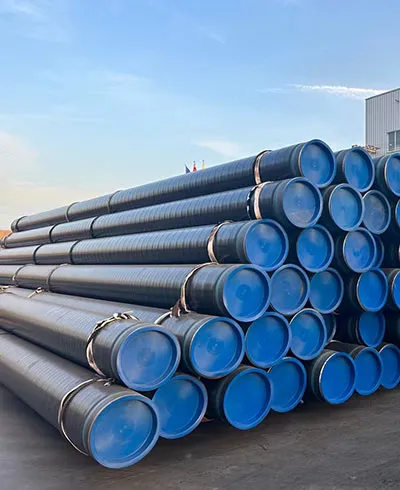
Specify3PE coated steel pipeor FBE by standard, thickness, cutback and holiday test. |
|
What if pipe is painted after fabrication? |
Welds, cut ends and supports need surface preparation and touch-up rules. |
State primer/paint system, blasting grade, DFT and repair method. |
|
What if line class is not available? |
The supplier cannot select material responsibly. |
Provide service fluid, design pressure, design temperature, corrosion allowance and inspection class. |
Yes for some utility or non-critical services if the line class permits it, but not as a blanket substitute for ASTM A106 or alloy pipe. The project engineer should approve the standard based on service fluid, temperature, pressure and corrosion allowance.
Not by itself. The buyer should check whether the MTC matches the heat number, standard, grade, chemistry, mechanical properties, hydrotest or NDT requirement, certificate type and any supplementary project tests. A correct grade name with incomplete traceability can still delay site acceptance.
Yes. Leaving out fluid, concentration, temperature or pressure forces the supplier to quote only a generic pipe. Chemical plant piping is selected around service condition; without that information, coating, material, NDT and certificate requirements are guesswork.
Continue with these closely related Forever Steel technical resources: