+8615674993216
 sales@forever-steels.com
 English
 العربية

The box tubing versus channel steel decision is rarely just a steel-price question. A closed tube behaves differently from an open channel. It twists differently, welds differently, drains differently, bolts differently and sometimes costs less after fabrication even if the raw material price is higher. For light structural frames, the right answer depends on load direction, connection access, surface finish and how much fabrication time the shape saves or adds.
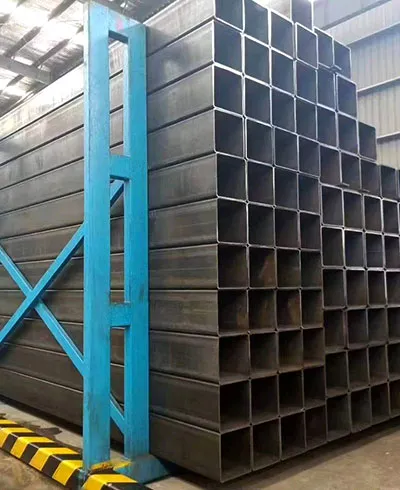
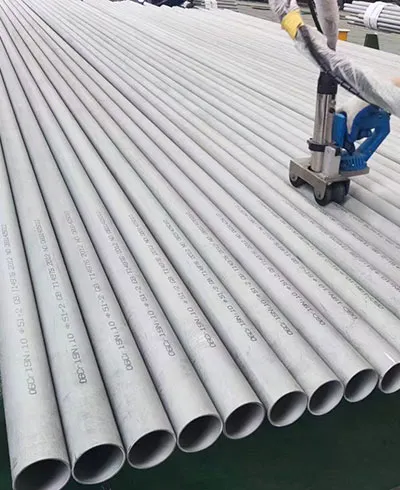
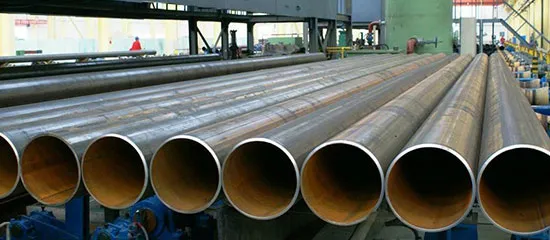
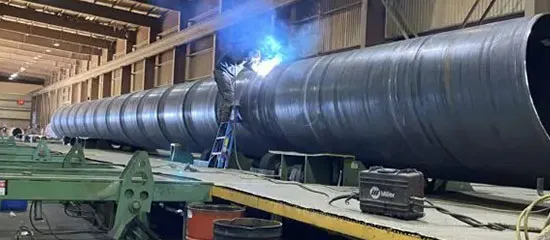
When a frame needs clean closed-section members, the quotation often starts with carbon steel hollow sections. If the design uses welded tube members or mixed pipe/tube fabrication, ERW steel pipe and welding and fabrication service details should be compared with the channel option before deciding on cost.
Box tubing is a closed section, so it usually resists torsion better than an open channel of similar weight. That matters for gates, carts, machine frames, rack corners, trailer components and supports that see off-center loads. Channel steel can still be the better choice when the frame needs easy bolting, visible drainage, simple galvanizing or access to nuts and washers.
|
Frame question |
Box tubing tends to help when |
Channel tends to help when |
|
Will the frame twist? |
Loads are off-center, members are long, or the frame is moved frequently. |
The frame is well braced and loads are mainly in one direction. |
|
Will parts be bolted on? |
Connections can be welded, tapped, sleeved or accessed through planned holes. |
The design needs easy nut access, slots, clamps or field adjustment. |
|
Will water collect? |
Drainage holes and coating access are designed from the start. |
Open shape makes drainage and inspection simpler. |
|
Is appearance important? |
Clean faces and closed corners improve visible frame quality. |
Open web/flange appearance is acceptable or hidden. |
|
Is fabrication time the driver? |
Mitered tube corners reduce brackets or alignment work. |
Channel simplifies drilling, fitting and bolt-on accessories. |
A channel may be cheaper per meter and still produce a more expensive frame if the shop needs more brackets, gussets, weld passes or alignment work. Box tubing may cost more per meter and still reduce labor on a clean rectangular frame. The only useful comparison is total fabricated cost: material, cutting, welding, drilling, access holes, surface preparation, coating, inspection and packing.
|
Cost item |
Why it changes the comparison |
|
Cutting and fit-up |
Box tubing may need miter cuts; channel may need orientation control and more brackets. |
|
Welding time |
Closed corners can be clean but may need more careful sequence; channel can be easier to access. |
|
Bolting and access |
Box tubing may require sleeves, crush tubes or access holes; channel often gives easier nut access. |
|
Coating and drainage |
Box tubing needs planned vent/drain holes for outdoor or galvanized frames; channel is more open. |
|
Straightness and appearance |
Visible frames may benefit from closed tube faces; utility frames may not support the premium. |
|
Packing and shipment |
Closed tube frames can stack differently from channel frames and may need coating protection at corners. |
Do not substitute box tubing for channel steel simply because the outside dimensions look convenient. A different shape changes stiffness, local connection behavior, weld details, drainage, galvanizing, weight and load distribution. Engineering review is especially important for lifting frames, safety barriers, trailer parts, dynamic equipment supports or any structure governed by a stamped drawing.
|
Application |
Often favors box tubing |
Often favors channel |
Point to verify |
|
Light gate or door frame |
Better torsional feel and cleaner corners. |
Hardware may mount more easily on an open shape. |
Sag, hinge loads and corrosion path. |
|
Equipment guard |
Closed faces look cleaner and resist accidental twisting. |
Panels and brackets may bolt on faster. |
Access for maintenance and fasteners. |
|
Storage rack |
Good for welded upright frames and visible edges. |
Good for rails, supports and adjustable shelves. |
Deflection, bolt access and field adjustment. |
|
Trailer or cart frame |
Closed section can help under torsional loading. |
Channel may simplify crossmembers and drainage. |
Fatigue, weld details and road exposure. |
|
Outdoor support |
Works well if venting/drainage are planned. |
Open profile drains and galvanizes more easily. |
Water traps, coating repair and inspection access. |
Instead of asking which is cheaper, send a sketch with span, load direction, connection method, surface finish, quantity and whether the design can be changed. If the original shape is fixed by drawing, ask for the quoted shape only. If substitution is allowed, ask the supplier to compare supply and fabrication assumptions clearly so the lower price does not hide added shop work or site risk.
No. It often performs better in torsion, but strength depends on size, wall thickness, grade, span, load direction and connection detail.
Only when the design allows substitution and the engineer or responsible designer accepts the change.
Channel is often simpler because it is open. Box tubing can be galvanized, but vent and drain holes need to be planned.
· ASTM A500 Structural Tubing Guide
The lower material price is not always the lower installed cost. Compare members after the engineer has fixed the load case, unbraced length, connection concept, corrosion system and fabrication quantity.
| Decision | Box tubing tends to help when | Channel tends to help when |
| Torsion | A closed section is useful for twisting resistance | Bracing or paired members control twist |
| Connections | Clean external faces suit welded details | Open access simplifies bolts and internal inspection |
| Coating | External surfaces can be prepared consistently | All surfaces remain accessible for treatment |
| Fabrication | Repeatable cuts and jigs support production | Simple clips and bolted details reduce closed-section work |
Forever Steel can quote carbon steel hollow sections against the approved member schedule, including exact section size, wall, grade, length, surface treatment and cutting. Structural adequacy and connection design must be accepted by the project engineer before substitution.