+8615674993216
 sales@forever-steels.com
 English
 العربية

An HSS base plate connection looks simple on a small drawing: a hollow section, a plate, a weld and anchor holes. In the shop, small details decide whether it is easy to fabricate, safe to galvanize and acceptable on site. Weld access around rounded HSS corners, plate flatness, hole position, drainage, venting and coating sequence all need to be settled before cutting steel.
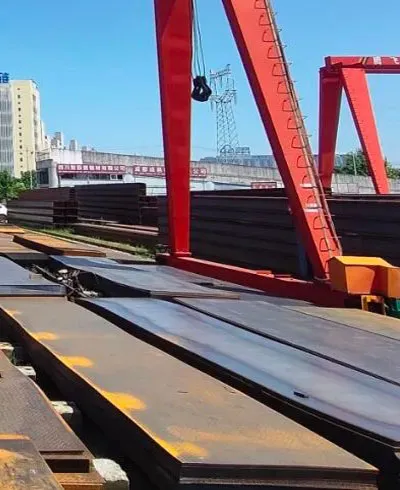
A typical fabricated column package combines carbon steel hollow sections with base plates cut from ASTM structural steel plate. If the order includes cutting, drilling, welding or assembled frames, the quotation should also define the required welding and fabrication service scope.
The structural engineer controls the design. The supplier and fabricator need enough detail to manufacture it correctly. If the RFQ only says HSS column with base plate, important assumptions remain open: continuous or intermittent weld, anchor hole tolerance, galvanizing after welding, vent and drain holes, surface finish, plate edge condition and inspection records.
|
Drawing item |
Engineer normally decides |
Supplier/fabricator must confirm |
|
Plate thickness and anchor layout |
Load path, anchor forces, base plate bending and edge distance. |
Material grade, cutting method, hole process, tolerance and marking. |
|
Weld size and type |
Required strength and design code basis. |
WPS requirement, access around HSS corners, weld sequence and inspection method. |
|
Stiffeners or gussets |
Whether local wall strength or moment transfer requires reinforcement. |
Fit-up, welding access, distortion control and coating access. |
|
Drainage holes |
Whether holes are acceptable in the member and where they do not reduce required capacity. |
Hole location, deburring, water path and site orientation. |
|
Galvanizing vent/drain openings |
Whether galvanizing is required and any design restrictions. |
Safe venting, zinc flow, cleaning solution drainage and galvanizer review. |
|
Finish and packing |
Project surface finish requirement. |
Primer/galvanizing sequence, touch-up method, plate protection and shipment packing. |
HSS corners are rounded, not sharp. A continuous fillet weld around the column footprint must pass through corner zones where access and visual inspection can be less straightforward. If stiffeners, gussets or nearby plate edges crowd the weld, the drawing may look acceptable while the shop fit-up is awkward. This is the moment to check welding sequence, access for the torch, grinding limits and inspection method.
Outdoor HSS columns can trap water if the bottom is sealed. Drainage holes reduce internal water retention, which matters for corrosion and freeze risk. If the column is hot-dip galvanized after fabrication, vent and drain holes become a safety and quality requirement. Air and cleaning fluids must escape; molten zinc must enter and drain. A sealed hollow member should never be sent to galvanizing as if it were a solid bar.
|
Stage |
Inspection focus |
Why it should be documented |
|
Before fabrication |
Drawing revision, plate grade, HSS grade, hole layout, weld symbols and coating notes. |
Prevents manufacturing from an outdated or incomplete drawing. |
|
After cutting/drilling |
Plate dimensions, hole diameter, hole spacing, edge condition and burr removal. |
Avoids anchor fit-up problems at site. |
|
After welding |
Column squareness, weld size/appearance, distortion, stiffener fit and drainage openings. |
Confirms the assembly is buildable before coating hides details. |
|
Before galvanizing |
Vent/drain openings, sealed areas, overlapping plates and galvanizer approval. |
Reduces safety risk and zinc-flow defects. |
|
Before shipment |
Coating condition, touch-up, marking, packing and photo record. |
Gives the buyer evidence before cargo leaves the factory. |
For a clean quotation, send the HSS size and grade, base plate grade and thickness, fabrication drawing, weld symbols, hole layout, surface finish, galvanizing requirement and any inspection or document requirements. If the project has no final drawing yet, send a sketch and load/application notes so the quotation can be marked as preliminary instead of silently assuming details.
Drainage and venting should be coordinated with the project engineer or approved drawing. Hole size and location can affect strength, appearance and galvanizing quality.
No. Stiffeners depend on load, plate thickness, HSS wall thickness, anchor layout and connection design.
Galvanizing affects venting, drainage, distortion risk and surface preparation. It should be planned before the assembly is fabricated.
· ASTM A500 Structural Tubing Guide
· EN 10219 vs EN 10210: Structural Hollow Section Differences
· S235 vs S275 vs S355 Steel Grades
· AISC Design Guide 24: Hollow Structural Section Connections, Second Edition — American Institute of Steel Construction.
· HSS Connections per AISC Design Guide 24 — American Institute of Steel Construction.
· Engineering FAQs: Base Plates — American Institute of Steel Construction.
· Rectangular and Square HSS Venting and Drainage Alternatives — American Galvanizers Association.
· Venting and Drainage Holes in Square and Circular Tubular Assemblies — American Galvanizers Association.
· ASTM A123/A123M-24 — Zinc (Hot-Dip Galvanized) Coatings on Iron and Steel Products — ASTM International.