+8615674993216
 sales@forever-steels.com
 English
 العربية

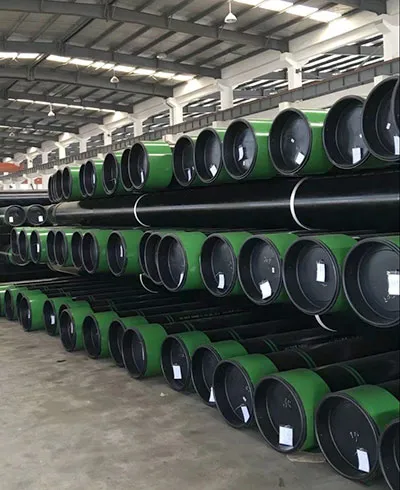
API 5CT casing pipe and API 5CT tubing pipe can pass a commercial quotation but still fail at shipment if inspection requirements are vague. OCTG products depend not only on pipe body quality, but also on thread condition, drift clearance, pressure testing, identification and documentation.
For buyers, the best time to define inspection is before production or stock release, not after cargo has been packed. Once protectors are installed, bundles are strapped and containers are booked, every missing inspection item becomes more expensive to verify.
|
Question |
Answer for the PO or inspection plan |
|
What should be inspected before shipment? |
Documents, dimensions, thread condition, drift, hydrotest/NDT where applicable, marking, tally and packing evidence. |
|
Should thread gauging and drift be done before protectors are installed? |
Yes. These checks are easier and more credible before final packing closes access to threads and pipe ends. |
|
How should hydrotest and NDT be documented? |
The report should state method, scope, acceptance basis and whether the test applies to all joints or a defined sample. |
|
What photos are useful before payment release? |
Marking, thread protectors, bundle condition, tally identity, packing and loading photos. |
|
How can unclear heat numbers be avoided? |
Keep MTC, heat traceability, joint tally and bundle list together as one release package. |
General steel pipe inspection usually focuses on dimensions, surface condition, straightness, marking and documents. OCTG inspection must go further because thread integrity and drift clearance affect whether the product can be run in the well. A pipe can look acceptable from the outside but still create a field problem if the thread is damaged, the drift does not pass, the coupling is mismatched or the tally is incomplete.
|
Inspection area |
Purpose |
Buyer should confirm |
|
Document review |
Verify order, standard, grade, heat number and test record. |
PO, MTC EN 10204 3.1, heat traceability, grade/type and inspection scope. |
|
Dimensional check |
Confirm OD, wall thickness, length, weight and straightness. |
Tolerance basis, measuring method, sample size and acceptance criteria. |
|
Thread gauging |
Confirm thread form and make-up compatibility. |
Exact connection designation, pin/box and coupling condition, applicable gauge and acceptance basis. For premium connections, also confirm the connection owner’s requirements and any required machining authorization. |
|
Drift test |
Confirm internal clearance for tools, flow and completion equipment. |
Drift mandrel size, full-length drift requirement, rejected-joint handling and photo/video evidence. |
|
Hydrostatic test |
Confirm pressure integrity where required. |
Test pressure, holding time, scope and certificate format. |
|
NDT |
Detect pipe body or weld defects where applicable. |
UT, EMI, MPI or other method; pipe body versus weld seam scope; report format. |
|
Marking and tally |
Ensure field identification and inventory control. |
Joint ID, heat number, measured length, bundle identity and links to the applicable MTC and test reports; reconcile the tally with pipe markings and packing records. |
Thread inspection proves that pin, box and coupling condition were checked before shipment. Drift testing confirms internal clearance for tools, flow or completion equipment. Hydrotest gives pressure-integrity evidence under a defined condition. NDT provides defect-screening evidence by the selected method and scope. These items should not be collapsed into a vague statement such as tested OK.
|
Document |
Use |
When to request |
|
MTC EN 10204 3.1 |
Chemical, mechanical and traceability record. |
Every controlled OCTG order. |
|
Hydrostatic test record |
Pressure integrity evidence. |
Casing / tubing orders requiring pressure test confirmation. |
|
NDT report |
Defect screening evidence. |
Pipe body, weld seam or project inspection scope. |
|
Drift confirmation |
Internal clearance confirmation. |
Casing and tubing where field tools must pass. |
|
Thread inspection record |
Pin, box and coupling condition evidence. |
Before thread protectors are installed. |
|
Tally list |
Joint-by-joint ID, heat number and measured length, cross-referenced to bundle and inspection records. | Before release; obtain manufacturer signatures and third-party endorsement where the purchase order requires them. |
|
Packing photos |
Protector, bundle and marking evidence. |
Before loading or before final payment release. |
API 5CT casing / tubing shall be supplied with MTC EN 10204 3.1, hydrostatic test record where applicable, NDT report where applicable, full-length drift confirmation, thread inspection, thread protectors, color coding, joint tally, bundle list, packing photos and loading photos. Thread gauging and drift checks shall be completed before final packing. Any nonconforming joint shall be segregated and reported before shipment.
1. Before production or stock release: confirm standard, grade/type, size, weight, connection, test scope and document requirements.
2. Before final packing: complete the agreed visual, dimensional, thread and drift checks, and verify applicable hydrotest/NDT records. Repeat or witness testing only where required by the approved inspection plan; pre-shipment review does not automatically mean repeating every factory test.
3. Before payment release: review MTC, test reports, tally, marking photos, protector photos and packing photos.
4. Before loading: confirm bundle list, container/loading plan, gross/net weight, shipping marks and final photo evidence.
5. After shipment: keep MTC, inspection records, tally and packing list together for buyer receiving and end-user review.
A strong inspection plan is not just a quality slogan. For API 5CT casing and tubing, buyers should define thread gauging, drift testing, hydrotest, NDT, marking, tally and document evidence before production or stock release. The goal is to make every joint identifiable, acceptable and ready to run before it leaves the supplier.
· API 5CT Casing and Tubing Complete Guide
· Surface Casing, Intermediate Casing, Production Casing and Liners
· API 5CT Casing Collapse, Burst and Tension
· Standard API Threads or Premium Connections