+8615674993216
 sales@forever-steels.com
 English
 العربية

A steel pipe specification checklist is most useful before production or stock preparation begins. Most wrong-specification problems start when an RFQ, purchase order, proforma invoice, drawing or technical note is interpreted differently by different people. Forever Steel uses a structured review so the commercial order, technical requirements and execution instructions are aligned from the start.
Steel pipe descriptions often contain several connected variables. A standard may allow multiple grades. One nominal pipe size may be supplied in different wall thicknesses or schedules. End type, coating, inspection documents, testing, and packing requirements can change according to the application or destination. A small omission can therefore affect manufacturing, inspection, shipping documents, customs clearance, or site acceptance.
Correcting a specification after production has started can require rework, replacement, additional testing, or a new production cycle. The commercial cost is important, but the schedule impact can be even greater for project orders. Our review process is intended to identify ambiguity before materials are committed and before instructions reach production or the warehouse.
We compare three information groups before execution: the buyer's RFQ or purchase order, our commercial confirmation such as the proforma invoice, and the technical execution documents used by production, sourcing, inspection, and logistics. Each group must describe the same product and delivery requirement.
When drawings, data sheets, project specifications, or inspection and test plans are provided, they are reviewed together with the purchase order rather than treated as separate attachments. Conflicting information is highlighted for clarification. The order is not released on the basis of an assumption when the difference could affect product identity, testing, documentation, or delivery.
|
Review Field |
What Must Match |
Risk Reduced |
|
Standard |
The specified product standard and edition or project requirement, where stated |
Wrong manufacturing or acceptance basis |
|
Grade |
Grade designation, supplementary requirements, and any equivalent-grade approval |
Wrong chemistry or mechanical properties |
|
Dimensions |
OD, wall thickness or schedule, tolerances, and length |
Fit-up, weight, and quantity discrepancies |
|
Pipe ends |
Plain, beveled, threaded, coupled, grooved, or other end preparation |
Site installation or connection problems |
|
Surface or coating |
Bare, varnished, galvanized, painted, or specified coating system |
Corrosion protection or application mismatch |
|
Testing and inspection |
NDT, hydrostatic, dimensional, coating, third-party, or project hold-point requirements |
Missing acceptance evidence |
|
Inspection documents |
Required MTC or inspection document type and supporting reports |
Incomplete project or customs documentation |
|
Marking |
Standard marks, heat number, bundle number, customer marks, and language |
Loss of identity and traceability |
|
Packing |
Bundle method, end caps, wrapping, labels, separation, and special export protection |
Transport damage or mixed materials |
|
Delivery details |
Quantity, destination port, shipment mode, document consignee data, and schedule |
Logistics and document mismatch |
When information is missing or inconsistent, our team prepares a focused clarification instead of asking the buyer to repeat the entire RFQ. For example, we may confirm whether wall thickness is defined by an exact millimeter value or by schedule, whether bevel ends require a specific angle, whether bare pipe needs temporary rust protection, or whether an EN 10204 inspection document type is required.
The clarification and the buyer's response are retained with the order file. Once the specification is confirmed, the agreed information is transferred to the internal order review, sourcing or production instruction, inspection checklist, marking requirement, packing instruction, and document list. This creates one controlled reference for the teams that execute the order.
A frequent source of error is document drift: the technical requirement changes during discussion, but the commercial confirmation or internal instruction is not updated. To avoid this, revisions that affect the product or delivery scope are checked across the relevant documents. The latest approved requirement must be reflected in the order confirmation and execution instructions before work continues.
For multi-item orders, line items are reviewed individually. Similar sizes or grades are not assumed to be interchangeable. Item numbers, quantities, marks, and packing instructions are carried through to the inspection and packing stages so the final shipment can be checked against the same structure used at order entry.
|
Controlled Record |
Role in the Review Process |
|
RFQ / purchase order |
Defines the buyer's commercial and technical request. |
|
Proforma invoice / order confirmation |
Confirms the scope Forever Steels has accepted for supply. |
|
Clarification record |
Documents decisions on missing, conflicting, or revised requirements. |
|
Internal order review |
Converts the approved requirements into an execution checklist. |
|
Production, sourcing, and inspection instructions |
Carry the same approved specification to the teams performing the work. |
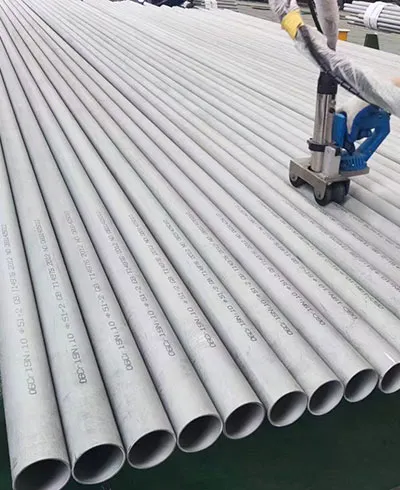
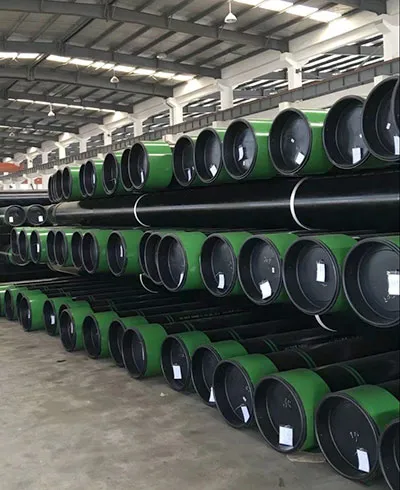
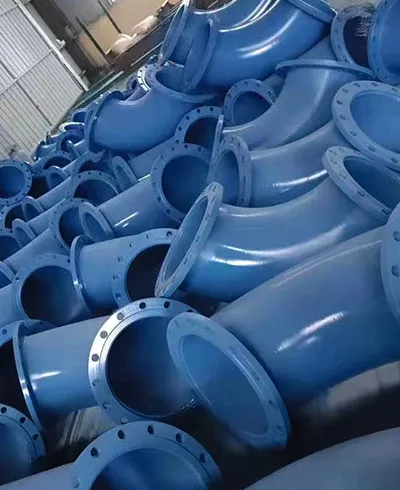
The review emphasis changes with the product. Seamless steel pipes and welded steel pipe may require different manufacturing, testing, or dimensional references. Coated steel pipes add coating-system, surface-preparation, thickness, repair, and handling requirements. Stainless steel pipes require careful confirmation of material grade, surface condition, and contamination controls. OCTG products may require connection details, drift tests, protectors, or special marking. Pipe fittings introduce dimensions, schedules, end preparation, and matching material requirements.
The purpose of the review is not to add unnecessary complexity. It is to identify the fields that control whether the supplied product will be usable, traceable, and acceptable for the buyer's application.
When you send an RFQ to Forever Steels, include the applicable standard, grade, size, wall thickness or schedule, length, quantity, pipe end, coating, testing, inspection document, marking, packing, and destination requirements that are known. Drawings, data sheets, and project specifications can be attached for review.
Our team will identify missing or conflicting points and return a consolidated confirmation before production or stock preparation. This gives both sides a clear, auditable basis for execution.
Next step:Send your steel pipe specification or RFQ to Forever Steels for requirement review and a proposed quality-control documentation plan.
Continue with these closely related Forever Steel technical resources:
A specification review is complete only when each conflict or missing value has an owner, an agreed answer and a document where that answer is carried forward. Verbal clarification without document control can still leave the quotation, purchase order, production instruction and inspection plan describing different products.
The review record should make the handoff visible from inquiry to release.
| Review point | Controlled action | Evidence before release |
| Standard and edition | Resolve conflicts between RFQ, drawing and data sheet | Approved technical line item |
| Grade and delivery condition | State the full designation; do not infer from application | PO and MTC requirement |
| Dimensions and tolerances | Confirm OD or section size, wall, length and applicable tolerance source | Production instruction and dimensional plan |
| Ends, coating and marking | Define preparation, cutback, identification and protection | Approved work and packing instructions |
| Testing and inspection | Assign tests, frequency, witness points and acceptance criteria | Approved ITP and inspection checklist |
| Document package | List MTC, reports, certificates, tally and shipping documents | Document register with review status |
If a requirement remains open, it should be shown as an unresolved hold point rather than converted into a supplier assumption. Production or stock preparation can then be released only after the buyer or designated engineer accepts the clarification.
Forever Steel uses the confirmed line item as the bridge between commercial and technical documents for welded steel pipe, coated pipe and other project supply. Buyers should send the RFQ, data sheet, drawing, inspection requirement and destination-specific document list together so that gaps can be closed before price and delivery are treated as final.