+8615674993216
 sales@forever-steels.com
 English
 العربية

Why Preventing Corrosion Matters
Long-distance natural gas pipelines are typically installed either underground or aboveground. In both cases, they face risks of corrosion that can reduce their lifespan and compromise pipeline integrity. The main types of natural gas pipeline corrosion include:
1. Soil Corrosion – When pipelines are buried in highly corrosive soil, the outer surface of the steel pipe is easily attacked, weakening the structure.
2. Chemical Corrosion – External factors such as chemicals in the surrounding environment can accelerate metal degradation.
3. Internal Corrosion – Corrosive components within the transported natural gas itself can gradually damage the internal walls of the pipeline.
If not addressed, corrosion increases the likelihood of gas leaks, which can lead to environmental pollution, fire, explosions, and serious risks to public safety.
Best Practices for Preventing Natural Gas Pipeline Corrosion
To ensure long-term pipeline integrity and safe energy transmission, the following best practices are widely applied:
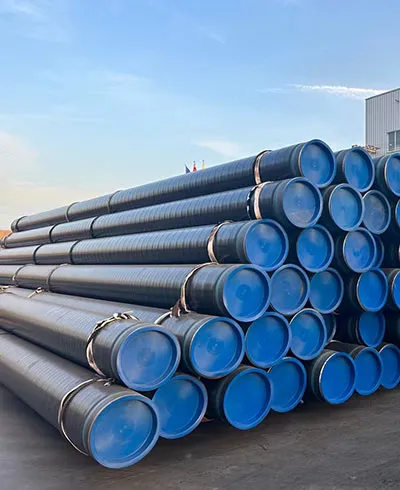
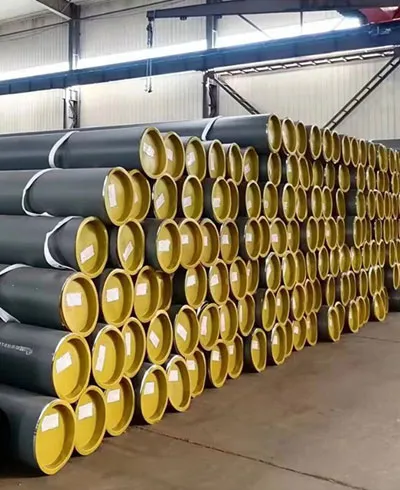
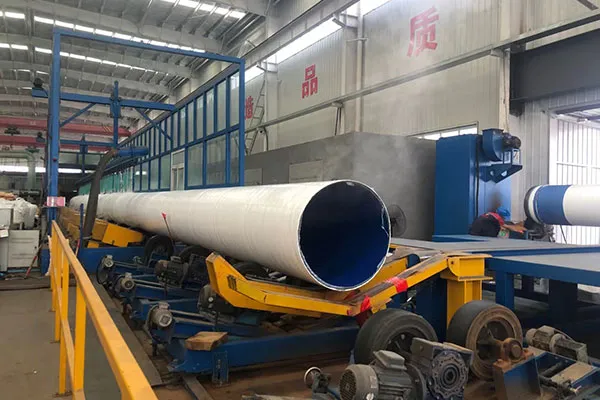
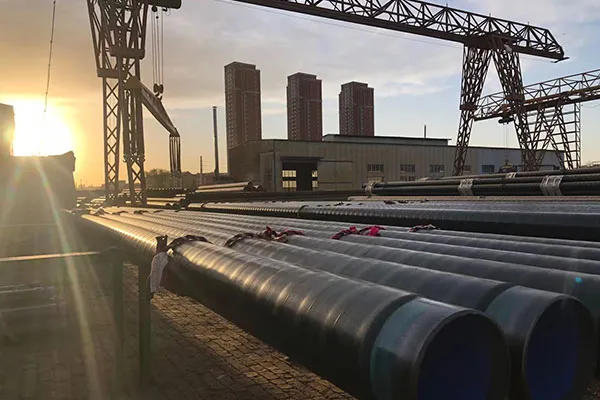
· Pipeline Coatings: Applying protective coatings on the pipeline surface creates a barrier between the steel and corrosive elements such as soil moisture or chemicals.
· Cathodic Protection: This electrochemical method uses sacrificial anodes or impressed current systems to prevent metal oxidation, one of the most effective solutions against external corrosion.
· Internal Corrosion Inhibitors: Adding chemical inhibitors to the gas stream can reduce the corrosive effects of impurities within natural gas.
· Regular Monitoring and Inspection: Advanced technologies such as smart pigging, corrosion sensors, and remote monitoring systems help detect pipeline weaknesses before they become critical.
· Maintenance and Repairs: Routine inspections followed by timely repairs and upgrades significantly extend pipeline lifespan and reduce accident risks.
Modern Solutions and Innovations
The industry is also adopting cutting-edge technologies to further reduce natural gas pipeline corrosion:
· AI-Powered Predictive Analytics: Artificial intelligence helps predict corrosion hotspots by analyzing environmental and operational data.
· Advanced Coating Materials: New nanotechnology-based coatings provide longer-lasting resistance against both chemical and mechanical damage.
· Real-Time IoT Sensors: Smart sensors continuously track pipeline conditions, giving operators immediate alerts about potential corrosion risks.
Conclusion
Natural gas pipelines are vital to global energy supply, but without proper corrosion prevention measures, they pose significant safety, environmental, and economic risks. By combining traditional protective techniques with modern monitoring and predictive technologies, operators can ensure safe, stable, and long-term natural gas transmission.
Preventing natural gas pipeline corrosion is not just about protecting infrastructure—it is about safeguarding communities, the environment, and the reliable delivery of critical energy resources.